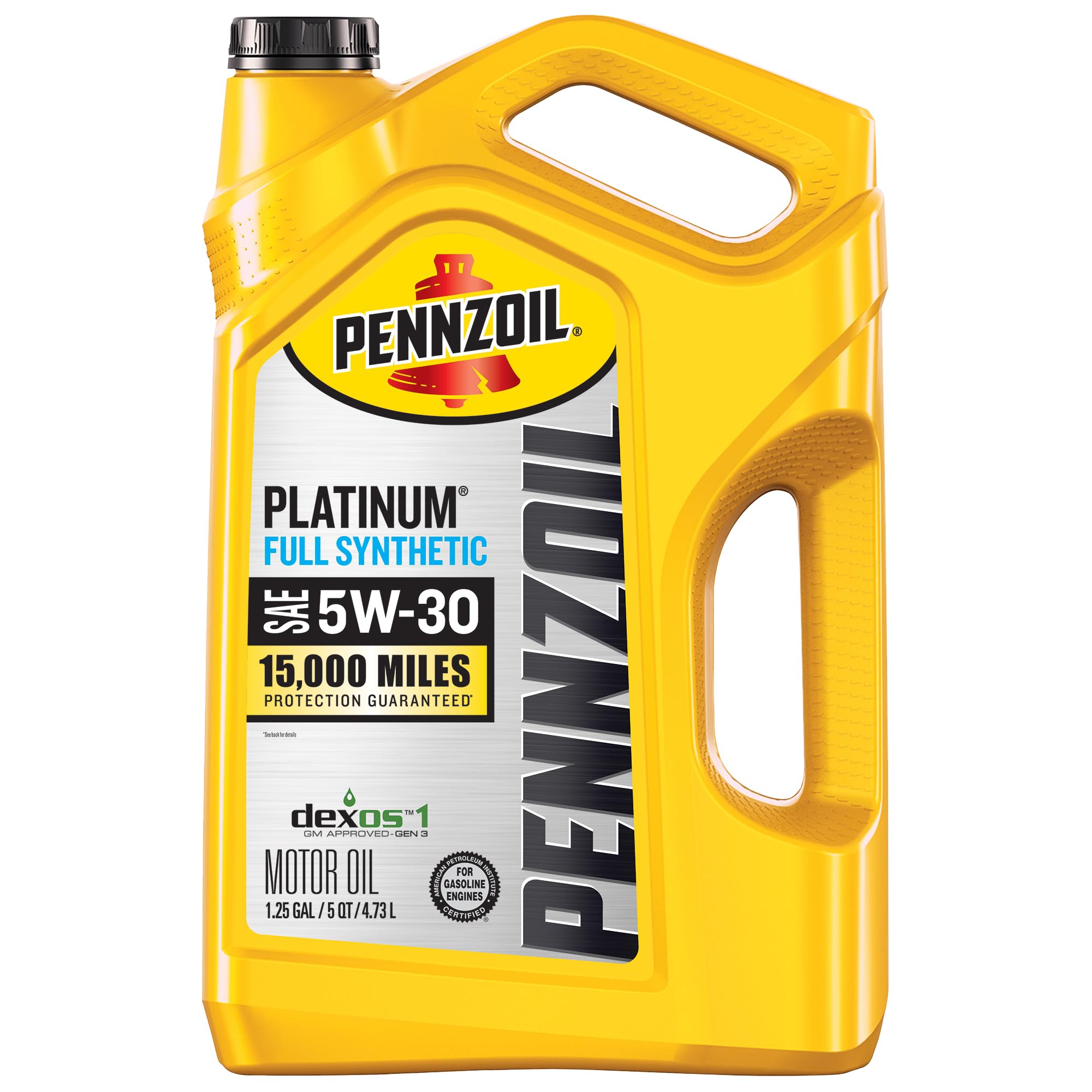
Switching to Synthetic Oil at 100,000 Miles: Benefits, Risks, and Step-by-Step Guide
Switching to synthetic oil at 100,000 miles provides superior thermal protection, reduced engine wear, and improved sludge removal for aging engines. While synthetic oil does not cause gasket leaks, its strong detergent package can cle...
Switching to synthetic oil at 100,000 miles provides superior thermal protection, reduced engine wear, and improved sludge removal for aging engines. While synthetic oil does not cause gasket leaks, its strong detergent package can clean away accumulated engine sludge that previously sealed existing microscopic gaps, occasionally exposing pre-existing leaks.
Contents
Crossing the 100,000-mile mark was historically considered the twilight of a vehicle's operational lifespan. Modern engineering and metallurgy have shifted that benchmark; today, a well-maintained engine at six figures is often only midway through its functional life. However, as engines age, internal components experience subtle physical changes: tolerance gaps widen slightly, elastomeric rubber seals lose flexibility, and varnish deposits accumulate inside passages.
Deciding whether to switch a vehicle from conventional mineral oil to full synthetic or high-mileage synthetic oil at 100,000 miles is one of the most common maintenance decisions vehicle owners face. Understanding the mechanical realities, performance gains, potential drawbacks, and proper conversion protocols allows drivers to maximize engine longevity without triggering unforeseen mechanical issues.
Understanding the High-Mileage Engine Environment
To evaluate the impact of synthetic oil, it helps to analyze what happens inside an internal combustion engine after 100,000 miles of operation under standard driving conditions.
| 100,000-MILE ENGINE DYNAMICS |
|---|
| 1. Seal Degradation: Heat cycles harden rubber oil seals |
| 2. Deposit Accumulation: Carbon & varnish coat internal surfaces |
| 3. Bearing & Ring Clearance: Mechanical friction widens tolerances |
| 4. Thermal Stress: Blow-by gases degrade conventional oil faster |
Mechanical Wear and Widened Tolerances
Even with diligent oil changes, hundreds of millions of engine revolutions create friction. Metal-on-metal contact during cold starts and high-load acceleration gradually wears down main bearings, rod bearings, valve guides, and piston rings. While these tolerance increases may only measure in microns, they affect oil film thickness and hydraulic pressure maintenance across internal components.
Polymer and Seal Ageing
Engine seals, valve stem seals, and gaskets are constructed from synthetic elastomers such as nitrile, silicone, or fluorocarbon (Viton). Over 100,000 miles, continuous exposure to engine heat cycles, oxidation products, and crankcase chemicals causes these polymers to lose their plasticizers. As plasticizers leach out, rubber gaskets become hard, brittle, and prone to shrinking or cracking.
Varnish and Sludge Deposition
Conventional mineral oils break down thermally at lower temperatures than synthetics. As mineral base oils oxidize, they form carbonaceous varnish on hot metal surfaces (such as valve lifters and piston ring grooves) and soft petroleum sludge in low-flow areas like oil pans and valve covers. In high-mileage engines, this sludge can sometimes act as a physical barrier, sealing microscopic cracks in hardening gaskets.
Key Benefits of Converting to Synthetic Oil at 100,000 Miles
Engineers at major lubricant manufacturers format full synthetic oils using synthesized base stocks (Group III, IV polyalphaolefins, or Group V esters) combined with robust additive packages. Transitioning an older engine to these advanced formulations delivers several tangible operational benefits.
1. Superior Oxidation Resistance and Thermal Stability
Synthetic oils exhibit uniform molecular structures that resist breakdown under extreme heat. In older engines, piston rings often experience higher temperatures due to increased combustion gas "blow-by." Synthetic oils resist thermal degradation up to much higher temperatures than conventional lubricants, reducing carbon buildup around ring lands and maintaining consistent viscosity.
2. Enhanced Cold-Start Lubrication
Statistical research in tribology indicates that up to 75% of engine wear occurs during initial cold starts before oil pressure stabilizes. Conventional oil thickens considerably in cold weather, taking several seconds to circulate to the cylinder head and overhead camshafts. Full synthetic oils possess a higher natural Viscosity Index (VI), flowing rapidly during cold weather starts to protect worn bearings instantly.
3. Active Sludge Cleanout and Detergency
Full synthetic lubricants contain higher concentrations of dispersant and detergent additives (such as calcium and magnesium sulfonates). At 100,000 miles, these additives gradually dissolve baked-on varnish and suspend accumulated carbon sludge, allowing the oil filter to capture debris and restoring restricted oil channels.
4. Reduced Volatility and Evaporation Loss
As base oils heat up inside an engine, lighter fraction molecules can evaporate, leading to oil consumption through the Positive Crankcase Ventilation (PCV) system. Synthetics feature low volatility characteristics (measured by the NOACK Volatility Test), significantly reducing oil consumption caused by high-temperature evaporation in high-mileage powerplants.
Trade-Offs, Myths, and Potential Risks
Despite the distinct advantages of synthetic oil, converting a high-mileage engine is not without potential trade-offs. Distinguishing between physical realities and persistent automotive myths is critical prior to making the switch.
The "Synthetic Oil Causes Leaks" Myth vs. Reality
The widespread belief that synthetic oil causes engine seals to leak is factually inaccurate. Synthetic base oils produced today are engineered to be completely compatible with modern automotive seal polymers.
However, a real-world issue can occur: synthetic oil can expose existing leaks. If a 100,000-mile engine has hardened rear main seals or valve cover gaskets that are currently "sealed" only by thick petroleum sludge, the active detergents in synthetic oil will clean that sludge away. Once the carbon plug is dissolved, the underlying degraded seal permits oil to escape. The synthetic oil did not damage the seal; it simply removed the debris masking the seal's failure.
- Conventional Oil with Sludge:
- Hardened Seal
- Accumulation of Sludge Blockade
- No Visible Leak
- After Synthetic Switch:
- Hardened Seal
- Detergent Dissolves Sludge
- Visible Oil Seepage
Upfront Cost Differences
Full synthetic and high-mileage synthetic oils generally cost 50% to 100% more per fluid ounce than standard conventional oil. While extended drain intervals can mitigate this cost on newer vehicles, high-mileage engines should maintain strict inspection schedules, which can raise annual routine maintenance expenses.
Oil Pressure Drops in Severely Worn Engines
If an older engine has experienced significant bearing clearance expansion, switching to a lower-viscosity synthetic oil (for instance, replacing a sludgy 10W-40 conventional with a high-flow 5W-30 synthetic) may result in a minor drop in operational oil pressure at warm idle. Using the factory-recommended viscosity grade mitigates this risk.
Standard Synthetic vs. High-Mileage Synthetic Formulations
When deciding to switch at 100,000 miles, vehicle owners must choose between standard full synthetic oil and specialized High-Mileage Full Synthetic oil.
| Feature / Characteristic | Standard Conventional Oil | Standard Full Synthetic Oil | High-Mileage Full Synthetic |
|---|---|---|---|
| Base Stock Group | Group I / Group II Mineral | Group III / Group IV (PAO) | Group III / Group IV / Group V |
| High-Temperature Stability | Moderate | Exceptional | Exceptional |
| Cold Flow / Low-Temp Pumpability | Fair to Good | Excellent | Excellent |
| Seal Swell Conditioners | Minimal / None | Standard Neutral | Enhanced (Plasticizers Added) |
| Detergent Level | Standard | High | Extremely High / Specialized |
| Anti-Wear Additive (ZDDP) | Standard API Limits | Standard API Limits | Boosted Anti-Wear Package |
| Viscosity Loss Resistance | Subject to Shearing | Highly Shear Stable | Highly Shear Stable |
Why Choose a High-Mileage Synthetic Formula?
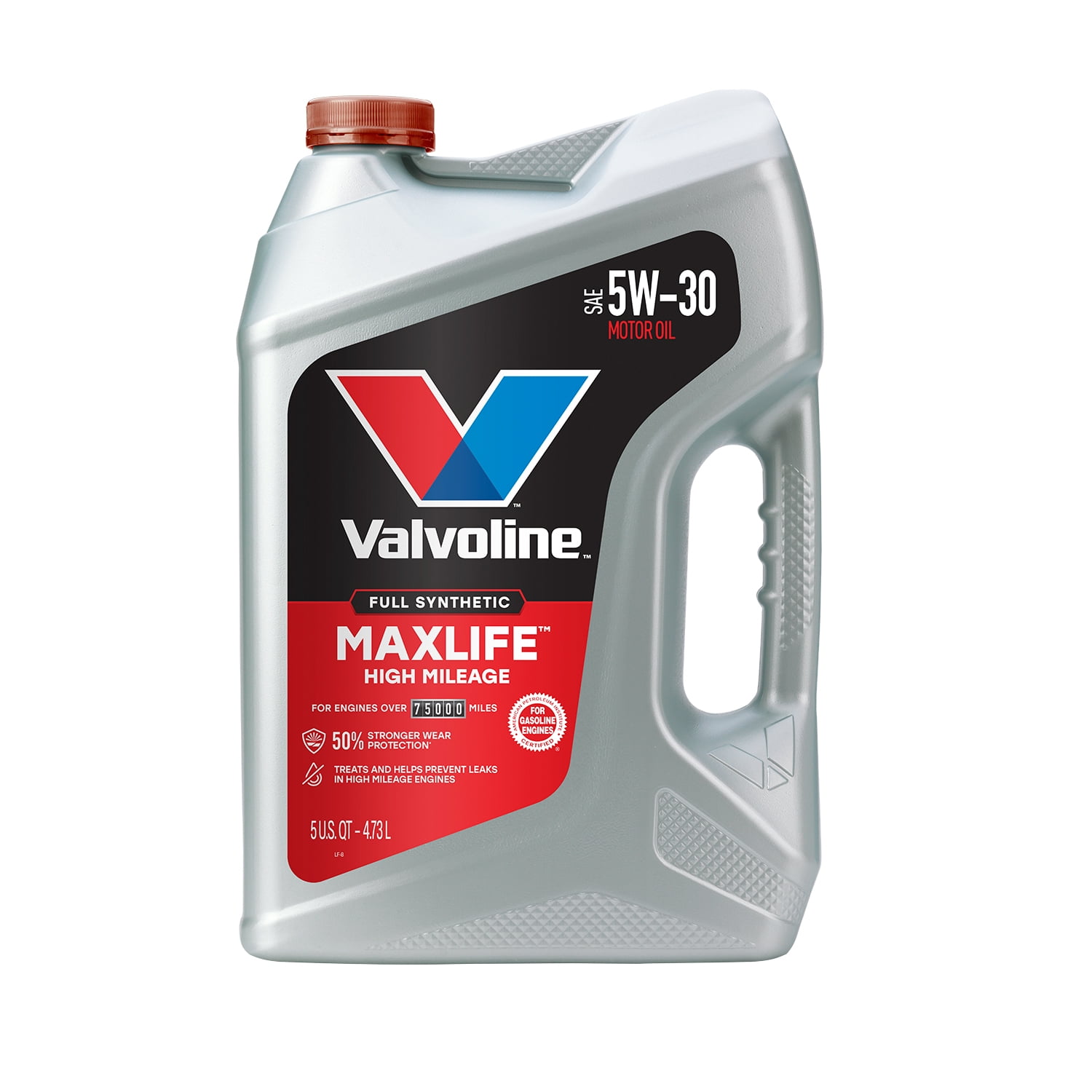
High-mileage synthetic oils are specifically tailored for engines with 75,000 to 100,000+ miles. They contain targeted additive enhancements:
- Seal Conditioners: Specialized ester additives soften and slightly swell hardened elastomeric seals, restoring original dimensions and flexibility to prevent minor seepage.
- Higher Viscosity Profile: High-mileage oils are formulated toward the upper boundary of their kinematic viscosity rating, helping seal expanded tolerances around piston rings to preserve compression.
- Boosted Anti-Wear Agents: Higher concentrations of Zinc Dialkyldithiophosphate (ZDDP) protect heavily loaded friction surfaces like camshaft lobes and lifters.
Step-by-Step Guide: Safely Switching to Synthetic Oil at 100k Miles
Following a structured conversion procedure minimizes mechanical risk and ensures a seamless transition.
Step 1: Conduct a Thorough Leak and Gasket Inspection
Before draining the old oil, inspect the engine bay and underside of the vehicle for active leaks:
- Inspect the valve cover gasket perimeter.
- Check the front and rear main crank seals for wet oil accumulation.
- Check around the oil filter housing and drain plug threads.
- Note: If the engine is already actively dripping oil, repair the physical leaks before switching to synthetic lubricant.
Step 2: Avoid Chemical Engine Flushes
Many auto parts outlets market quick chemical engine flushes to use prior to an oil switch. Avoid these in high-mileage engines. Rapid chemical flushing can dislodge large chunks of sludge simultaneously, which can clog the oil pickup tube screen and starve the engine of lubrication, leading to catastrophic bearing failure. Allow the mild detergents in the synthetic oil to clean the engine gradually over normal change intervals.
Step 3: Select the Recommended Viscosity Grade
Always consult the vehicle owner's manual for recommended viscosity grades (e.g., 5W-20, 5W-30, 0W-20). Do not alter viscosity grades dramatically unless recommended by an OEM service bulletin or experienced technician to compensate for severe wear.
Step 4: Install a High-Efficiency Oil Filter
Synthetic oil dislodges existing varnish and keeps particles suspended. Pair the new oil with a premium oil filter featuring synthetic-blend or full-synthetic media rated for high filtration efficiency (capturing particles down to 20 microns) and a durable silicone anti-drainback valve.
Step 5: Establish an Early Initial Change Interval
For the first synthetic oil change after 100,000 miles, perform the service at a shorter interval—typically 3,000 to 5,000 miles. This initial shortened run captures the initial wave of loosened carbon and varnish deposits without saturating the filter media. Subsequent oil changes can follow standard synthetic interval recommendations (typically 7,500 to 10,000 miles, depending on manufacturer specs and driving conditions).
Frequently Asked Questions
Can switching to synthetic oil at 100,000 miles damage my engine?
No. Modern full synthetic lubricants meet the same international specifications (such as API SP or ILSAC GF-6) as conventional oils and are fully back-compatible. Synthetic oil will not chemically degrade seals or attack internal engine metals.
Will synthetic oil fix an existing oil leak?
No. High-mileage synthetic oils contain seal swelling agents that can reduce minor seepage from hardened rubber seals, but they cannot fix torn gaskets, cracked seals, or warped metal surfaces. Mechanical repair is required for physical gasket damage.
Can I switch back to conventional oil after using synthetic?
Yes. Modern engine oils are fully compatible with one another. If necessary, you can switch back to conventional oil or synthetic blends without damaging your engine, though you will forfeit the thermal and anti-wear protection of full synthetic oil.
Should I change my oil filter more frequently after switching?
During the initial conversion on a engine with substantial accumulated sludge, replacing the filter halfway through the first drain interval or performing the first complete oil change early (at 3,000 to 5,000 miles) prevents filter bypass activation caused by loosened debris.
Is a high-mileage synthetic oil better than a regular synthetic oil for 100,000 miles?
In most cases, yes. High-mileage synthetics are specifically engineered with seal conditioners, extra anti-wear additives, and robust detergent packages tailored to the thermal and mechanical demands of engines that have reached six-figure mileage.
Final Recommendation
Switching to synthetic oil at 100,000 miles is one of the most effective preventive maintenance upgrades you can perform to extend your vehicle's operating lifecycle. While it carries a slightly higher per-change cost and may expose existing, sludge-plugged seal leaks, the long-term benefits—superior cold-start protection, improved thermal stability, reduced internal wear, and restored engine cleanliness—far outweigh the trade-offs.
For optimal results on vehicles crossing the 100,000-mile mark:
- Fix any active oil drips prior to conversion.
- Choose a recognized High-Mileage Full Synthetic oil in the factory-recommended viscosity.
- Install a high-efficiency synthetic-media filter.
- Execute the first synthetic drain interval slightly early to clean out legacy deposits safely.
Image Gallery