The Enemies of the Seven Deadly Sins: Understanding Virtues and Moral Countermeasures
The primary enemies of the Seven Deadly Sins are the Seven Heavenly Virtues: Humility, Charity, Chastity, Gratitude, Patience, Temperance, and Diligence. These virtues serve as direct moral and psychological antitheses to the vices, pr...
The primary enemies of the Seven Deadly Sins are the Seven Heavenly Virtues: Humility, Charity, Chastity, Gratitude, Patience, Temperance, and Diligence. These virtues serve as direct moral and psychological antitheses to the vices, providing a framework for ethical restoration and personal discipline by neutralizing the specific spiritual or behavioral impulses each sin represents.
Contents
The Concept of Psychomachia: The Eternal Conflict
The term "enemies of the Seven Deadly Sins" refers to a historical and theological concept known as Psychomachia, or the battle for the soul. This concept was popularized by the late 4th-century poet Prudentius, who depicted a literal combat between personified virtues and vices. In this framework, every sin has a specific "enemy"—a virtue that is not merely its opposite, but its cure.
As of 2026, modern psychology and ethical philosophy continue to utilize this framework to address behavioral issues. While the sins represent destructive patterns of human behavior, the virtues represent constructive disciplines. Understanding these pairings is essential for anyone seeking to overcome negative habits or understand the moral architecture of Western literature and theology.
The conflict is not merely theoretical; it is a practical methodology for self-improvement. By identifying which sin is dominant, an individual can apply the specific "enemy" virtue to counteract the negative influence.
1. Humility vs. Pride: The Root of All Conflict
Pride is historically categorized as the "Queen of Sins" and the root from which all other vices grow. It is defined as an excessive belief in one's own superiority and a refusal to acknowledge any higher authority or the value of others.
Humility (Humilitas) is the primary enemy of Pride. It is often misunderstood as weakness or a lack of self-esteem; however, in a technical sense, humility is "the truth." It is the accurate assessment of oneself—acknowledging both strengths and weaknesses without exaggeration.
Why Humility Negates Pride
Humility functions by shifting the focus from the self to others and the objective reality of the world. While Pride seeks to elevate the "I" above all else, Humility recognizes the interconnectedness of human achievement. In professional and personal environments in 2026, humility is increasingly recognized as a core component of "Level 5 Leadership," where leaders prioritize the success of the organization over their own ego.
2. Charity vs. Greed: The Antidote to Accumulation
Greed, or Avarice, is the disordered desire for material wealth and possessions. It treats people as tools for gain and objects as sources of ultimate security.
Charity (Caritas), also known as Generosity or Love, is the direct enemy of Greed. Charity is not merely the act of giving money; it is a state of being where one prioritizes the welfare of others over their own material accumulation.
The Mechanics of Generosity
Charity acts as a "breaker" for the cycle of Greed by practicing detachment. When an individual voluntarily gives away what they value, they break the psychological hold that possessions have over them. This virtue fosters community and social cohesion, acting as a corrective to the isolation that extreme Greed creates.
3. Chastity vs. Lust: The Discipline of Desire
Lust is the intense, disordered desire for sexual pleasure, often involving the objectification of others. It prioritizes immediate gratification over the dignity of the person.
Chastity (Castitas) is the enemy of Lust. Contrary to common misconceptions, chastity does not always mean celibacy. Instead, it refers to the successful integration of sexuality within the person, leading to an inner unity of body and spirit.
Implementing Chastity
Chastity functions by redirecting the energy of desire toward the building of meaningful, respectful relationships. It requires the exercise of the will to govern the appetites, ensuring that sexual expression is consistent with one's commitments and the well-being of others. It promotes integrity and prevents the fragmentation of the self that occurs when physical impulses override moral judgment.
4. Gratitude vs. Envy: Finding Peace in the Success of Others
Envy is the sorrow or resentment felt at the excellence or good fortune of another. It is a particularly destructive sin because it finds no pleasure in anything—only pain in what others have.
Gratitude (Kindness or Humanitas) serves as the enemy of Envy. Gratitude focuses on acknowledging the good in one's own life, while Kindness (specifically Benevolence) involves actively wishing for and contributing to the happiness of others.
Psychological Neutralization
Envy is rooted in a "scarcity mindset"—the belief that if someone else succeeds, there is less success available for everyone else. Gratitude creates an "abundance mindset." By intentionally practicing gratitude, individuals rewire their perception to see the world as a place of shared success rather than a zero-sum competition.
5. Temperance vs. Gluttony: The Mastery of Consumption
Gluttony is the overindulgence in food, drink, or any substance to the point of waste or self-harm. It is an obsession with the pleasure of consumption rather than the nourishment of the body.
Temperance (Temperantia) is the enemy of Gluttony. It is the virtue of moderation and self-control. It does not demand total abstinence (except in cases of addiction) but rather the "golden mean"—the right amount at the right time for the right reason.
The Role of Moderation
Temperance protects the individual from the physical and mental fog that accompanies overindulgence. It allows for the enjoyment of life's pleasures without becoming enslaved by them. In the context of 2026 wellness standards, temperance aligns with holistic health practices that emphasize sustainable consumption habits.
6. Patience vs. Wrath: The Regulation of Anger
Wrath is uncontrolled, vengeful anger that seeks to destroy. While "righteous indignation" against injustice can be positive, Wrath is characterized by a loss of self-control and a desire for harm.
Patience (Patientia) is the enemy of Wrath. Patience is the ability to endure hardship, provocation, or delay without becoming frustrated or hostile. It is the "strength of the soul" that allows one to remain calm under pressure.
Conflict Resolution through Patience
Patience allows for a "cooling off" period where reason can replace impulse. By choosing patience, an individual can address the root cause of their anger without resorting to destructive behavior. It is a foundational virtue for effective communication and long-term relationship stability.
7. Diligence vs. Sloth: The Rejection of Apathy
Sloth, or Acedia, is more than just laziness; it is a spiritual and emotional apathy. It is the refusal to do what one ought to do, often manifesting as a lack of care for one's duties or moral growth.
Diligence (Industria) is the enemy of Sloth. It is the persistent, careful, and hardworking effort toward a goal. Diligence involves a commitment to excellence and the discipline to follow through on responsibilities even when motivation is low.
The Power of Persistence
Diligence overcomes the inertia of Sloth by establishing routine and purpose. It views work and growth as essential components of a meaningful life. By applying diligence, individuals can escape the cycle of procrastination and the "spiritual gloom" that often accompanies inactivity.
Comparative Framework: Sins and Their Enemies
The following table summarizes the relationship between the Seven Deadly Sins, their corresponding Heavenly Virtues, and the core behavioral outcome of each pairing.
| The Deadly Sin | The Enemy (Virtue) | Psychological/Behavioral Outcome |
|---|---|---|
| Pride | Humility | Realistic self-assessment and respect for others. |
| Greed | Charity | Detachment from materials; focus on social welfare. |
| Lust | Chastity | Integration of desire; respect for human dignity. |
| Envy | Gratitude | Joy in others' success; appreciation of one's own life. |
| Gluttony | Temperance | Self-regulation and physical/mental health. |
| Wrath | Patience | Emotional stability and constructive conflict resolution. |
| Sloth | Diligence | Purposeful action and fulfillment of duty. |
Alternative Interpretations: The Anime and Media Context
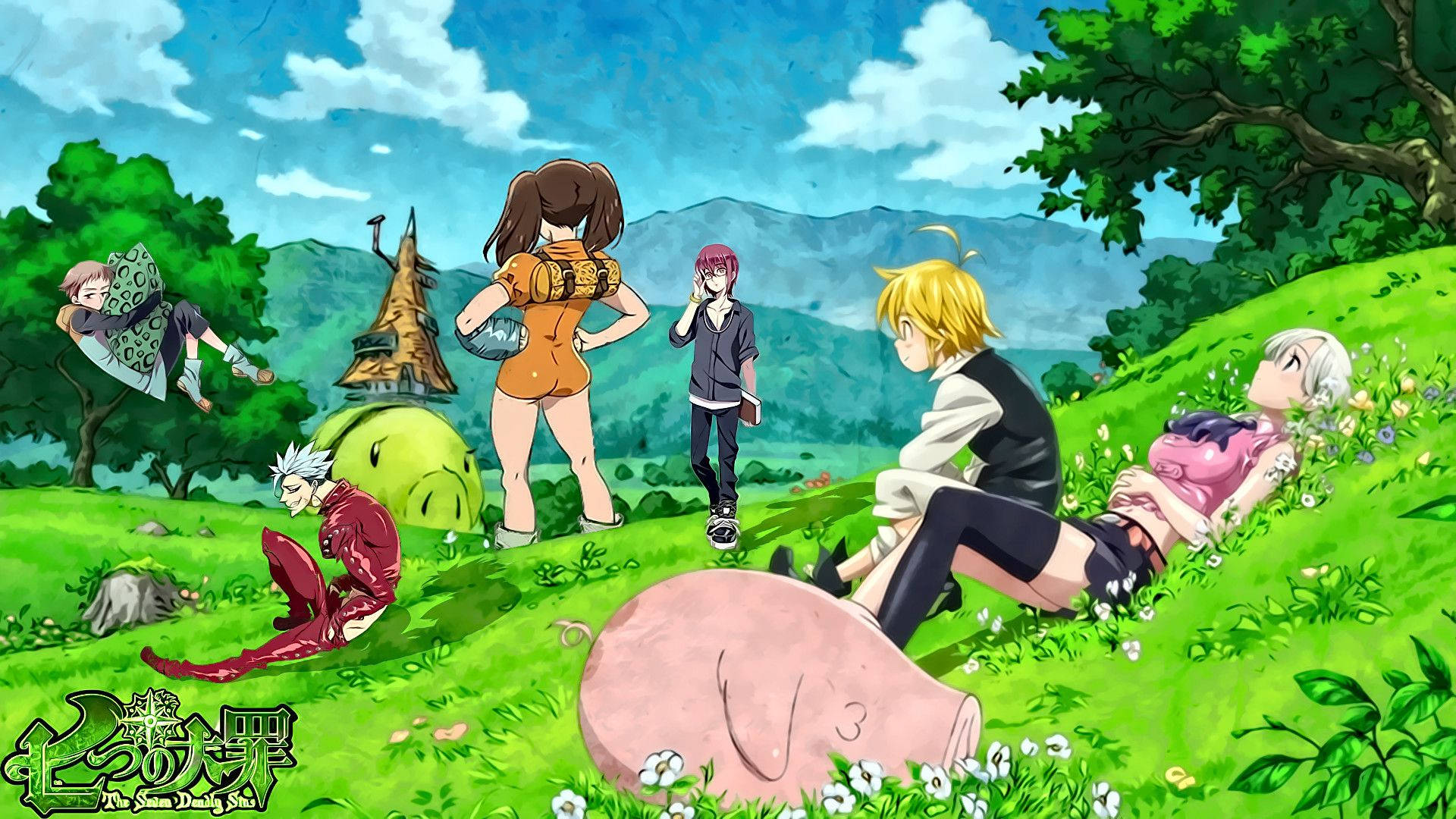
In contemporary pop culture—specifically the popular manga and anime franchise The Seven Deadly Sins (Nanatsu no Taizai)—the "enemies" are defined differently than in theology. For fans searching for this context in 2026, the primary antagonists of the protagonists (who represent the sins) are:
- The Ten Commandments: A group of elite warriors from the Demon Clan, each possessing a "curse" based on a biblical commandment.
- The Demon King: The overarching father figure and source of power for the protagonists' curses.
- The Supreme Deity: The leader of the Goddess Clan, representing the opposite but equally extreme force to the Demon King.
- Chaos: In the sequel series Four Knights of the Apocalypse, Chaos serves as the primordial force that creates and destroys, often acting as a foil to the established order the sins represent.
While these are fictional representations, they often mirror the theological "enemy" concept by pitting the characters against forces that represent rigid law (The Commandments) or absolute power, testing the characters' internal virtues.
Practical Application: How to Combat Vice with Virtue
To effectively use the virtues to defeat the "enemies" of personal growth, one should follow a structured approach to moral and behavioral development.
- Identification: Determine which of the seven sins is currently causing the most disruption in your life. This requires honest self-reflection or feedback from trusted peers.
- Study the Antidote: Research the corresponding virtue. For instance, if you struggle with Wrath, read about the lives of those who exhibited extreme Patience under pressure.
- Small-Scale Practice: Virtues are like muscles; they require training. If Greed is the issue, start by giving away small amounts of money or time consistently.
- Environmental Adjustment: Remove triggers that stimulate the sin. If Gluttony is a struggle, avoid environments that promote over-consumption until Temperance is more firmly established.
- Persistence: The "enemy" of the sin (the virtue) will initially feel unnatural or difficult. Diligence is required to move the virtue from a conscious effort to a subconscious habit.
Frequently Asked Questions
Are the Seven Heavenly Virtues the only enemies of the sins?
While the Seven Heavenly Virtues are the most direct theological enemies, the Cardinal Virtues (Prudence, Justice, Fortitude, and Temperance) also play a significant role. Prudence, for example, helps an individual discern the right course of action to avoid any of the sins.
Can a sin be its own enemy?
In a philosophical sense, yes. Sins are often self-destructive. For example, Envy can become so painful that it forces an individual to seek a change in perspective, and Greed can lead to a bankruptcy that forces a lifestyle of Temperance. However, this is an "enemy" by consequence rather than by design.
Why is Pride considered the most dangerous sin?
Pride is considered the most dangerous because it makes the other virtues impossible. If one is too proud to admit they have a problem with Lust or Gluttony, they cannot apply the cure of Chastity or Temperance. Humility is the "gateway" virtue that allows all others to enter.
How do these concepts apply to modern secular ethics?
In 2026, these concepts are frequently rebranded in secular psychology. "Sloth" is addressed through "behavioral activation," "Wrath" through "anger management" and "emotional intelligence," and "Greed" through "minimalism" and "prosocial behavior." The underlying mechanics of using an opposing positive behavior to cancel a negative one remain the same.
Summary and Next Steps
The "enemies" of the Seven Deadly Sins are not external forces, but internal disciplines. By cultivating the Seven Heavenly Virtues, individuals can effectively neutralize the destructive patterns of the vices.
If you are looking to improve your personal or professional life, begin by selecting the one virtue that most directly opposes your greatest current challenge. Focus on practicing that virtue for 30 days. This targeted approach is more effective than attempting to master all virtues at once and provides a clear path toward emotional and moral maturity.
Image Gallery