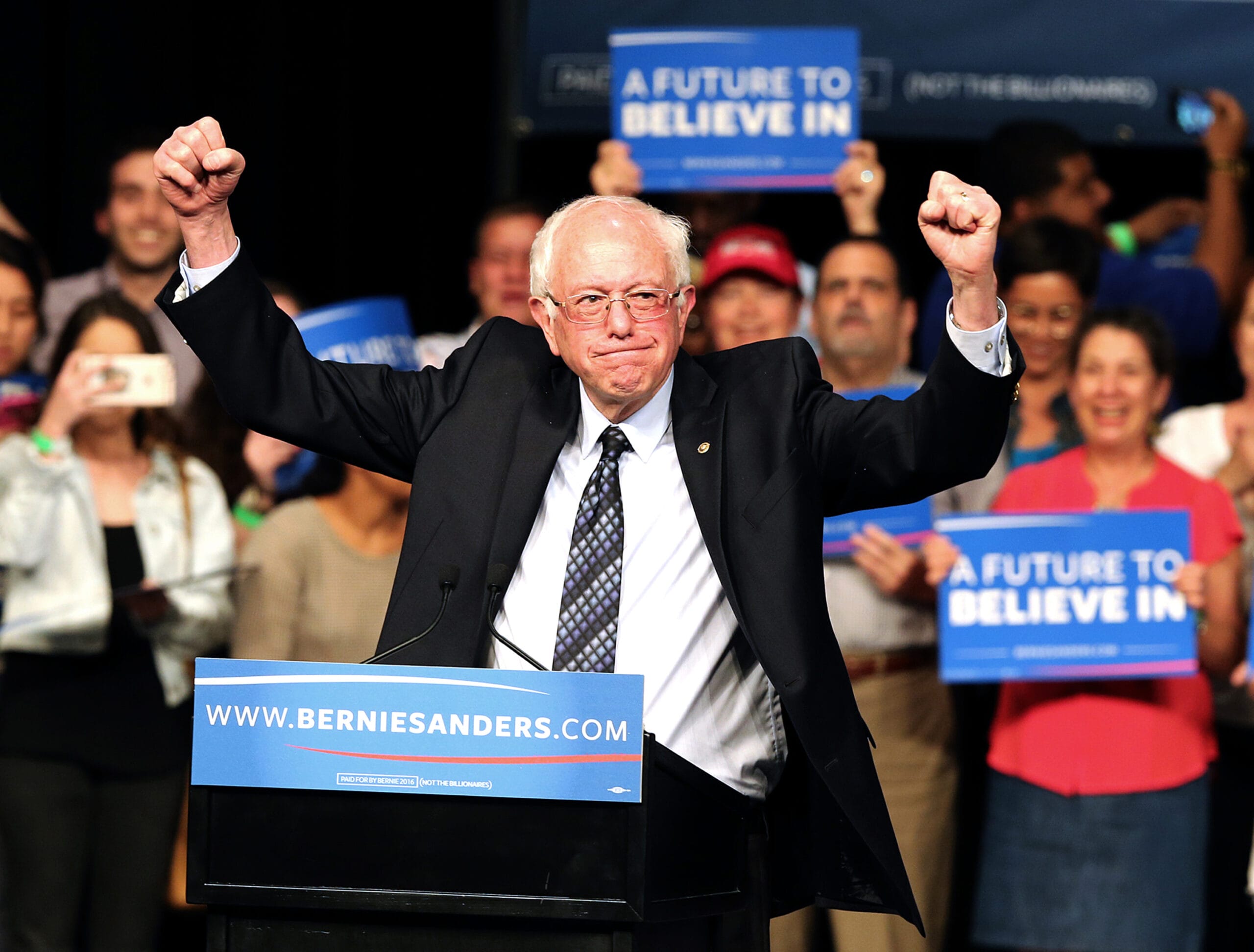
Understanding the Fundraising History of Bernie Sanders
Bernie Sanders has raised hundreds of millions of dollars throughout his presidential campaigns, primarily through an unprecedented volume of small-dollar individual contributions. His 2020 primary campaign alone raised over $200 milli...
Bernie Sanders has raised hundreds of millions of dollars throughout his presidential campaigns, primarily through an unprecedented volume of small-dollar individual contributions. His 2020 primary campaign alone raised over $200 million, solidifying his status as a pioneer in modern grassroots digital fundraising and setting a standard for donor-driven political financing in the United States.
Contents
The Mechanics of Bernie Sanders’ Fundraising Model
Bernie Sanders fundamentally changed how presidential candidates approach campaign financing. Moving away from a traditional reliance on large-donor bundlers and high-dollar fundraising galas, the Sanders model focused on high-volume, low-dollar transactions. This strategy leveraged the internet and social media to mobilize a vast, geographically diverse donor base.
At the core of this approach was the “average donation” metric. During both his 2016 and 2020 presidential bids, the campaign consistently promoted an average contribution size of approximately $27 to $30. By keeping the barrier to entry low, Sanders cultivated a sense of ownership among his supporters. This approach was not just a political stance; it was a technical strategy that utilized automated email funnels, recurring monthly donation programs, and digital advertising to create a sustainable stream of revenue that did not fluctuate based on the whims of a few wealthy donors.
Breakdown of Presidential Fundraising Cycles
Analyzing the fundraising totals for Bernie Sanders requires looking at his two major attempts to secure the Democratic nomination for President of the United States. Each cycle saw significant growth in his digital infrastructure and his ability to convert social media engagement into financial capital.
The 2016 Presidential Campaign
In his 2016 primary run, Bernie Sanders faced an uphill battle against an established party favorite. Despite this, he managed to raise approximately $230 million. What made this figure historic was the source: the vast majority of these funds came from individuals who had never donated to a political campaign before. The campaign proved that a candidate could remain competitive against well-funded opponents without relying on an affiliated Super PAC, thereby maintaining a consistent message regarding campaign finance reform.
The 2020 Presidential Campaign
The 2020 cycle saw Sanders build upon the infrastructure established four years prior. His campaign raised over $200 million within the primary process alone. By this stage, his team had refined their digital outreach, utilizing sophisticated data analytics to identify potential donors and optimize the timing of fundraising requests. Even as the primary field thinned, his fundraising remained robust, sustained by a persistent base of recurring donors who contributed modest amounts every month.
Comparison Table: Presidential Fundraising Highlights
| Election Cycle | Total Raised (Approx.) | Average Contribution | Primary Funding Source |
|---|---|---|---|
| 2016 Primary | $230 Million | ~$27 | Small-dollar individual donors |
| 2020 Primary | $200+ Million | ~$30 | Small-dollar recurring donors |
The Role of Digital Infrastructure and Compliance
The efficacy of Sanders’ fundraising was enabled by the evolution of political technology. His campaigns invested heavily in proprietary email lists and sophisticated donation processing platforms like ActBlue. ActBlue, a nonprofit platform that facilitates small-dollar donations to Democratic candidates, became the engine for this strategy. By simplifying the user experience—allowing donors to save their payment information and contribute with a single click—the campaign minimized the friction that typically results in donor drop-off.
From a regulatory standpoint, all funds raised by Sanders were reported to the Federal Election Commission (FEC). Every individual who contributes more than $200 to a federal campaign must have their occupation and employer disclosed in public filings. The sheer volume of transactions meant the Sanders campaign had to manage a massive database of compliance information, ensuring that they remained within federal contribution limits while processing hundreds of thousands of transactions monthly.
Limitations and Strategic Challenges
While the small-dollar model provided significant financial independence, it was not without operational challenges. The primary cost of this strategy was the overhead required to maintain digital fundraising tools and high-volume email operations. Unlike traditional candidates who might spend time with a small group of high-net-worth donors to raise millions in an evening, the Sanders campaign required constant, resource-intensive communication to keep the donor base active.
Furthermore, the model’s sustainability was tied directly to public enthusiasm. As the political landscape shifted, the campaign had to continuously innovate its messaging to prevent "donor fatigue." When enthusiasm peaked, fundraising surges followed; when the news cycle turned away from the campaign, the revenue streams required active cultivation to remain steady.
Frequently Asked Questions
How does Bernie Sanders’ fundraising compare to other candidates? Bernie Sanders is historically notable for the consistency of his small-dollar support. While other candidates may raise larger total sums through Super PACs or ultra-wealthy donors, Sanders maintained a competitive status primarily through a high volume of individual donors, often setting records for the total number of unique contributors in a primary cycle.
Are the funds raised by Bernie Sanders audited? Yes. As a candidate for federal office, all financial activity is subject to strict oversight by the Federal Election Commission (FEC). The campaign is required to file regular reports detailing every donation received and every expenditure made. These public records are available for audit by the FEC and review by the general public.
What happens to the leftover money after a campaign ends? Federal law dictates how campaign committees must handle remaining funds. After all debts are paid, a campaign can donate money to charity, contribute to other political party committees (subject to strict limits), or keep the funds for future campaigns. They cannot be used for personal use.
Does Bernie Sanders receive corporate donations? Bernie Sanders has consistently rejected donations from corporate political action committees (PACs). His fundraising strategy explicitly relies on individuals, meaning that he does not accept money from corporate interests, which is a central pillar of his political platform regarding the influence of money in politics.
Can anyone verify how much was raised? Yes. You can verify the specific amounts through the official Federal Election Commission website. The FEC maintains a database of all campaign finance filings for federal candidates, allowing users to search by candidate name and election cycle to view detailed financial disclosures.
Next Steps for Researching Campaign Finance
If you are interested in deep-diving into specific campaign expenditures or donor data, the Federal Election Commission’s website is the authoritative source. You can filter by committee, election year, and transaction type to understand exactly how those funds were allocated—whether for television advertising, staff payroll, or digital marketing. For those analyzing the intersection of political strategy and fundraising, reviewing the FEC’s summary reports for each cycle provides a granular view of the transition from candidate entry to the conclusion of the primary race.
Image Gallery