How to Choose Accredited Pharmacy Technician Programs
Choosing an accredited pharmacy technician program requires verifying programmatic approval from recognized bodies like the American Society of Health-System Pharmacists (ASHP) and the Accreditation Council for Education in Pharmacy (A...
Choosing an accredited pharmacy technician program requires verifying programmatic approval from recognized bodies like the American Society of Health-System Pharmacists (ASHP) and the Accreditation Council for Education in Pharmacy (ACEP), assessing curriculum depth, evaluating clinical externship opportunities, and ensuring alignment with state board of pharmacy licensure requirements.
Contents
Understanding the Importance of Program Accreditation
When entering the healthcare sector, the educational foundation you select determines your eligibility for national certification exams and state-level licensure. Program accreditation serves as an external quality assurance mechanism, verifying that a training institution meets rigorous educational, administrative, and clinical standards set by independent review boards. For future pharmacy technicians, graduating from an unaccredited institution often introduces severe professional hurdles, including ineligibility to sit for credentialing examinations and rejection by state boards of pharmacy.
In the United States, the gold standard for pharmacy technician training program accreditation is held jointly by the American Society of Health-System Pharmacists (ASHP) and the Accreditation Council for Education in Pharmacy (ACEP). ASHP/ACEP-accredited programs undergo comprehensive periodic evaluations to ensure their instructional staff, physical laboratories, pharmacy math curricula, and clinical rotation sites match current industry realities. Selecting an accredited pathway guarantees that the education you receive satisfies the prerequisites established by major employers and regulatory agencies alike.
Beyond satisfying legal and certification prerequisites, accreditation directly influences the quality of instruction and institutional accountability. Accredited programs must maintain defined student-to-faculty ratios, supply adequate hands-on laboratory equipment—such as laminar flow hoods and electronic health record systems—and provide transparent disclosures regarding graduation rates, job placement statistics, and tuition costs. Prospective students must verify institutional accreditation (regional or national) alongside programmatic accreditation to ensure smooth credit transfers and access to federal financial aid.
Key Criteria for Evaluating Pharmacy Technician Schools
Evaluating pharmacy technician programs requires a systematic approach to curriculum design, instructional delivery methods, total program costs, and career support services. Because training formats range from intensive nine-month certificate courses to two-year associate degree pathways, applicants must weigh these options against their personal schedules and financial circumstances.
Curriculum Structure and Technical Depth
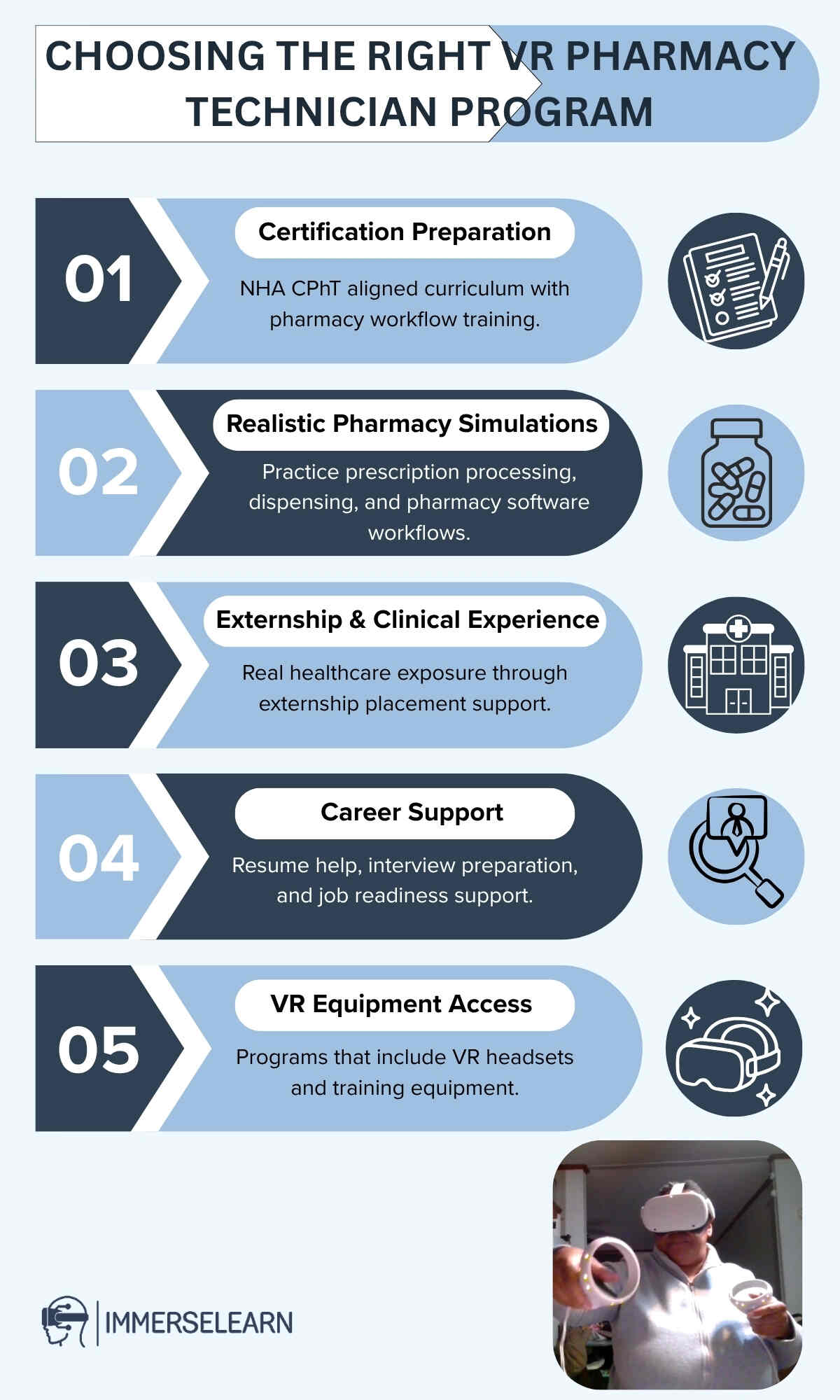
A robust pharmacy technician curriculum must blend theoretical classroom instruction with practical laboratory simulations. Core coursework typically encompasses pharmacology, pharmacy law and ethics, pharmaceutical calculations, sterile and non-sterile compounding, medication safety protocols, and pharmacy inventory management.
- Calculations and Safety: Mastery of apothecary and metric systems, ratio and proportion equations, and alligations is vital to preventing medication errors.
- Compounding Labs: Students should receive direct, supervised experience in aseptic technique, cleanroom operations, and hazardous drug handling under United States Pharmacopeia (USP) standards—specifically USP <797> and USP <795>.
- Informatics: Training must cover modern pharmacy management software, electronic prescribing interfaces, and automated dispensing cabinets.
Clinical Externships and Hands-On Experience
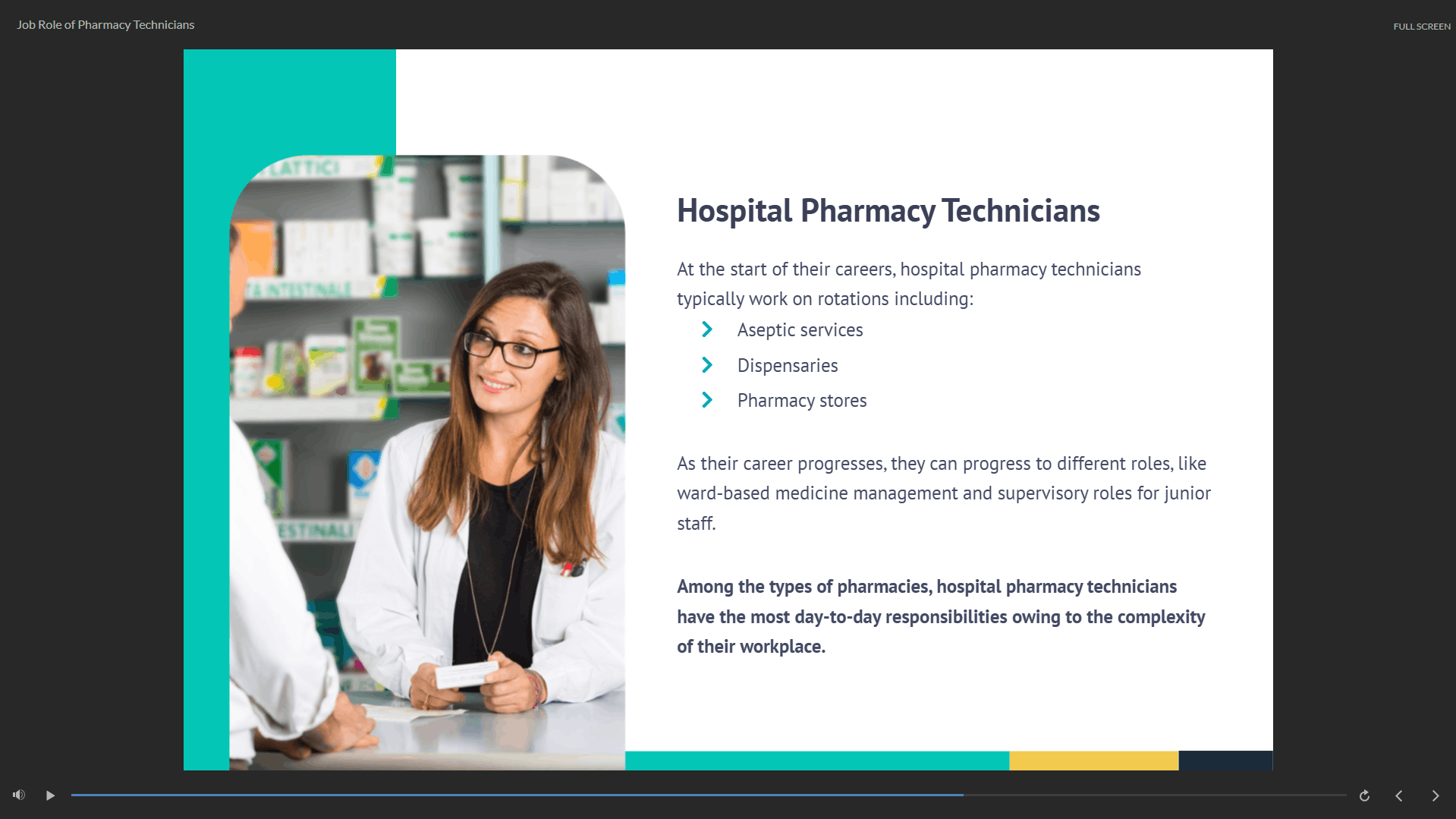
Classroom theory must be reinforced through practical clinical rotations in real-world healthcare settings. When evaluating programs, inquire about the structure and duration of their externship placements. Top-tier programs maintain formal affiliations with diverse healthcare facilities, including major hospital systems, retail pharmacy chains, long-term care facilities, and specialized compounding pharmacies. Ensure that the school secures these clinical sites on your behalf rather than placing the burden of finding a preceptor entirely on the student.
Program Cost and Financial Transparency
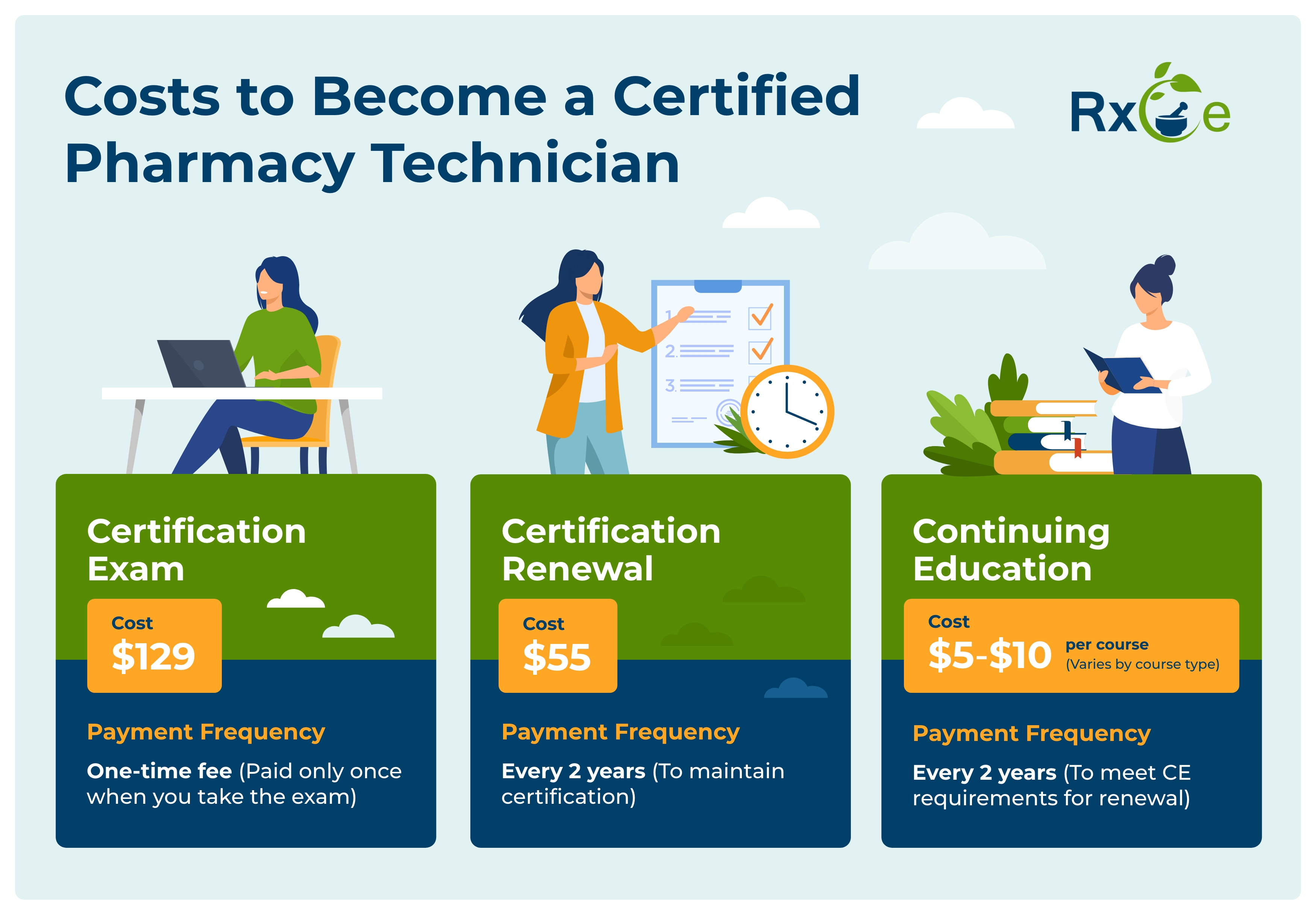
Educational expenses vary significantly between public community colleges, career technical schools, and private for-profit institutions. Always request a complete, itemized breakdown of costs, including tuition, laboratory fees, textbooks, uniform expenses, background check fees, and national certification exam registration costs. Verify whether the institution is eligible for federal Title IV financial aid, state grants, or institutional scholarships, and carefully review the school's refund policy before signing an enrollment agreement.
Comparing Program Formats: Online Versus On-Campus
Prospective students frequently weigh the flexibility of distance learning against the hands-on environment of traditional brick-and-mortar classrooms. Both delivery models have distinct advantages and operational limitations that dictate their suitability for different learning styles.
| Program Format | Primary Advantages | Potential Limitations | Best Suited For |
|---|---|---|---|
| On-Campus / Hybrid | Direct access to physical compounding labs; immediate faculty feedback; structured schedules. | Fixed commuting requirements; rigid class times that may conflict with employment. | Students seeking maximum tactile practice and structured learning environments. |
| Fully Online | Asynchronous coursework; schedule flexibility; ability to study while maintaining current employment. | Requires high self-discipline; student must independently coordinate local clinical sites. | Self-motivated adult learners balancing work or family obligations. |
Regardless of whether you select an online, hybrid, or on-campus model, you must confirm how the program handles clinical placement. Even fully online programs require students to complete supervised on-site hours at approved local retail or hospital pharmacies to graduate and qualify for certification.
Navigating State Board Requirements and National Certification
Pharmacy technician regulations are governed primarily at the state level rather than federally. Consequently, the legal scope of practice, mandatory training hours, registration fees, and examination prerequisites differ markedly depending on where you intend to practice.
The vast majority of state boards of pharmacy recognize or mandate certification through one of two nationally accredited certifying bodies:
- Pharmacy Technician Certification Board (PTCB): Administers the Pharmacy Technician Certification Exam (PTCE), granting the Certified Pharmacy Technician (CPhT) credential.
- National Healthcareer Association (NHA): Administers the ExCPT (Exam for the Certification of Pharmacy Technicians), granting the Certified Pharmacy Technician (CPhT) credential.
Graduating from an ASHP/ACEP-accredited program often streamlines the eligibility process for these examinations and may satisfy state-mandated training hour minimums automatically. Furthermore, many progressive state boards require pharmacy technicians to complete continuing education (CE) credits every one to two years to maintain active registration, making it beneficial to choose a training program that instills lifelong professional development habits.
Common Mistakes to Avoid When Choosing a Program
Navigating the landscape of healthcare education requires vigilance against predatory marketing practices and misleading institutional claims. Avoid these frequent pitfalls during your selection process:
- Confusing Institutional and Programmatic Accreditation: An institution may hold regional accreditation (making its credits transferable), but its specific pharmacy technician track might lack programmatic ASHP/ACEP endorsement. Always check for both.
- Ignoring Hidden Fees: Some trade schools quote low base tuition figures while concealing mandatory equipment, technology, and graduation fees that drastically increase the total cost of attendance.
- Overlooking Job Placement Verification: Be skeptical of vague marketing claims regarding 100% job placement rates. Request verifiable data regarding graduate employment outcomes and pass rates for national certification exams.
- Failing to Check State Board Approval: Ensure that the specific training program is explicitly recognized by your state’s board of pharmacy. A program approved in one state may not automatically satisfy the regulatory threshold of another.
Frequently Asked Questions
How long do accredited pharmacy technician programs take to complete?
Accredited certificate and diploma programs typically require nine to twelve months of intensive study. Associate degree pathways generally span two academic years (approximately 60 credit hours) and incorporate broader general education requirements alongside specialized pharmacy coursework.
Is national certification mandatory for all pharmacy technicians?
While federal regulations do not mandate national certification, the vast majority of state boards of pharmacy require either successful completion of a recognized certification exam (such as the PTCE or ExCPT), formal state registration, or graduation from an accredited training program before allowing individuals to compound medications or assist pharmacists.
Can I work as a pharmacy technician while completing my training?
Many states allow students to register as pharmacy technician trainees or interns while actively enrolled in an accredited educational program. This status permits you to gain supervised work experience in a pharmacy setting concurrently with your classroom studies, accelerating your professional integration.
What are the physical and background requirements for enrollment?
Most accredited programs require applicants to hold a high school diploma or GED, pass a comprehensive criminal background check, submit to drug screening, and provide proof of standard immunizations (including annual influenza and tuberculosis testing) to satisfy clinical site placement protocols.
What should I do if my preferred school loses its accreditation?
If an institution loses its programmatic accreditation mid-enrollment, your eligibility to sit for national certification exams and secure state licensure may be compromised. Always verify active accreditation status directly through the ASHP directory before signing any financial contracts or enrollment agreements.
Next Actions and Verification Steps
Begin your educational journey by visiting the official ASHP directory to search for verified training programs in your geographic area or online. Contact the admissions departments of your top three choices to request an itemized cost sheet, review their clinical placement agreements, and confirm their recent graduate pass rates for the PTCE or ExCPT. Finally, cross-reference your shortlisted schools with your state board of pharmacy to guarantee absolute alignment with local licensure mandates.
Image Gallery