Navigating the Requirements for a Life Insurance License
Obtaining a life insurance license requires fulfilling state-mandated education, passing a standardized national examination, and undergoing a rigorous background check to ensure professional integrity. Because insurance regulation occ...
Obtaining a life insurance license requires fulfilling state-mandated education, passing a standardized national examination, and undergoing a rigorous background check to ensure professional integrity. Because insurance regulation occurs at the state level in the United States, applicants must follow the specific protocols established by their state’s Department of Insurance (DOI) to legally solicit and sell life insurance products.
Contents
Understanding the Regulatory Landscape
Insurance licensing is governed primarily at the state level, a structure established by the McCarran-Ferguson Act of 1945. This federal law essentially leaves the regulation of the business of insurance to the individual states. Consequently, there is no single "national license" that allows you to sell life insurance across all 50 states automatically.
When you decide to pursue a career as a life insurance producer, you are effectively entering into a regulated industry where your primary interface is the Department of Insurance (DOI) in the state where you reside (your "resident" state). Every state’s requirements share a core framework—pre-licensing education, examination, and background screening—but the specific hours, fee structures, and application portals vary significantly.
Step 1: Meet Baseline Eligibility Requirements
Before investing time in study, you must meet the fundamental eligibility criteria set by most state insurance commissioners. While nuances exist by jurisdiction, the standard baseline requirements include:
- Age: You must be at least 18 years old.
- Character: You must be a "competent and trustworthy" individual. This is verified through a criminal history background check.
- Legal Status: You must be a U.S. citizen or a legal resident with authorization to work.
States use the background check to identify past financial crimes or felonies. While a past criminal record does not automatically disqualify an applicant, certain crimes involving dishonesty, breach of trust, or financial fraud can lead to an outright denial. If you have a criminal history, most states offer a pre-application review process to determine eligibility before you spend money on courses and exams.
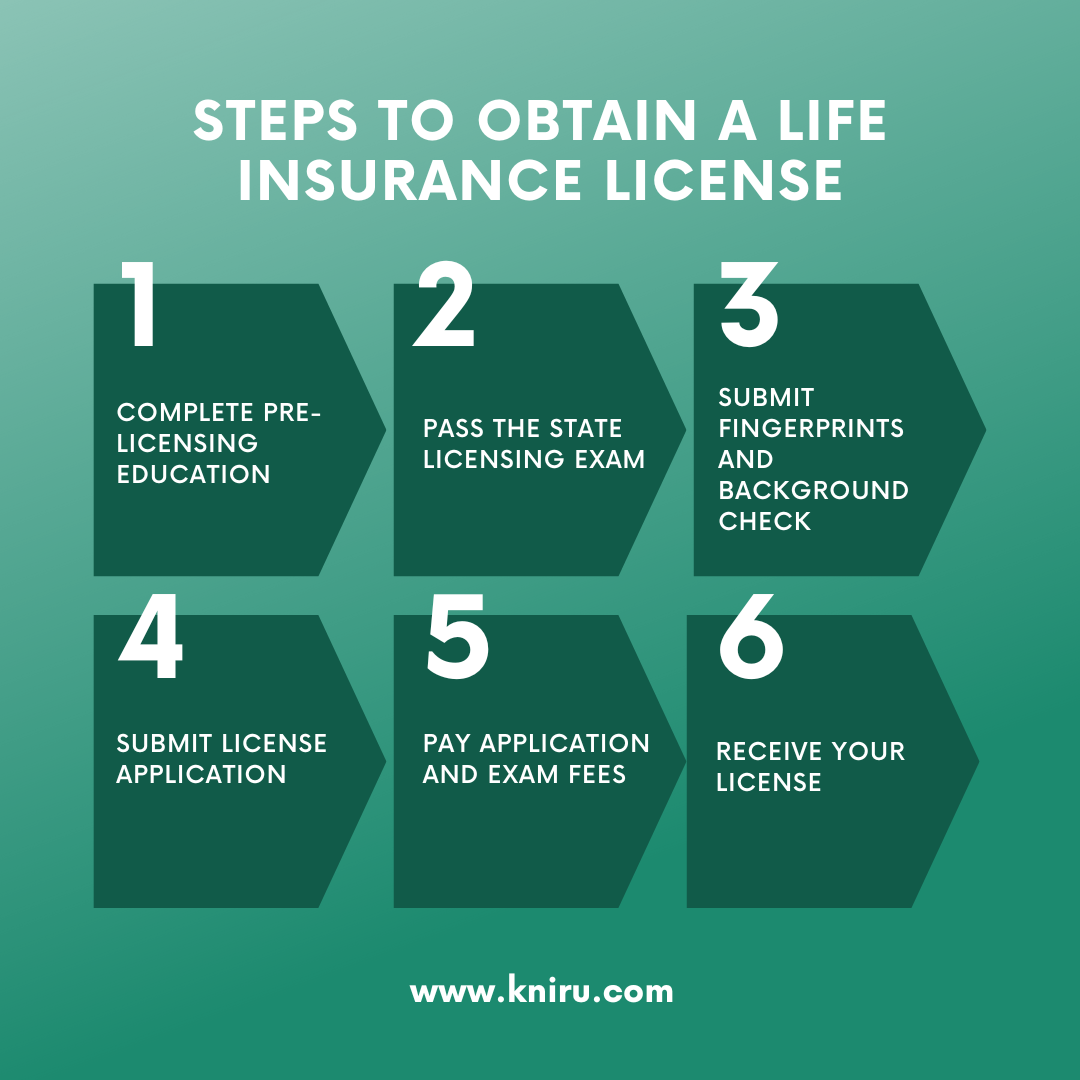
Step 2: Complete State-Required Pre-Licensing Education
Most states mandate a specific number of hours of pre-licensing education (PLE) before you are permitted to sit for the insurance examination. The curriculum typically covers:
- General Insurance Principles: The basic concepts of risk, legal contracts, and the role of the producer.
- Life Insurance Products: Deep dives into term, whole, universal, and variable life insurance policies.
- State Insurance Laws: Detailed study of the specific regulations, ethics, and consumer protection laws governing the insurance industry in your state.
In 2026, most states approve third-party providers to deliver these courses. You can choose between instructor-led classroom sessions or self-paced online modules. Online courses are increasingly common, but they must be approved by your state’s DOI to ensure they meet the regulatory "seat time" requirements. Upon completion, you will receive a certificate of completion, which is often required to register for the state exam.
Step 3: Pass the Life Insurance Licensing Examination
The licensing exam is a rigorous, proctored test designed to ensure that you have the technical knowledge to explain complex financial products to consumers. Exams are typically managed by third-party testing vendors like Pearson VUE or Prometric, depending on the state’s contract.
The exam is usually divided into two main sections:
- National Section: Covers broad insurance concepts, policy types, and actuarial basics that apply across the country.
- State Section: Covers the specific laws, ethics, and regulations of the state where you are testing.
To pass, you generally need a score of 70% or higher. Because the failure rate for these exams can be high for those who do not adequately prepare, it is highly recommended to use the practice exams provided by your PLE course provider.
Step 4: Submit Fingerprints and Background Check
Security and consumer protection are the highest priorities for state regulators. Once you pass your exam, or sometimes concurrently with the registration process, you must submit your fingerprints.
This is typically handled at a dedicated testing center or a certified identity services location. The fingerprints are routed to state and federal agencies (such as the FBI) to check for any disqualifying criminal history. Note that there is almost always a fee associated with this service, separate from your exam or application fees.
Step 5: Application and Licensing Fees
Passing the exam and clearing the background check does not automatically grant you a license; it simply makes you eligible to apply for one. You must complete an application—usually through the National Insurance Producer Registry (NIPR)—and pay the required licensing fee.
The NIPR serves as a centralized gateway for many states, allowing you to manage your license applications and renewals digitally. Once your application is reviewed and approved by the state DOI, your license is issued. You will then receive a unique National Producer Number (NPN), which is a lifetime identifier used across the insurance industry.
Comparison of Key Licensing Components
| Requirement | Description | Typical Format |
|---|---|---|
| Education | Mandatory hours of study covering law and products. | Online or Classroom |
| Examination | A proctored test on state and national insurance topics. | Computer-based |
| Fingerprinting | Verification of identity and criminal history check. | Electronic capture |
| Application | Formal filing for the license via NIPR or State DOI. | Online Portal |
| Fees | Costs for education, exam, fingerprinting, and licensing. | Paid to various vendors |
Ongoing Maintenance and Continuing Education
Once you obtain your life insurance license, the work of meeting requirements is not finished. Insurance is a dynamic field, and laws change frequently. To maintain your license, you are required to complete Continuing Education (CE) credits every two to three years, depending on your state’s renewal cycle.
Failure to complete CE requirements by the renewal deadline can result in the suspension or expiration of your license. If your license expires, you may be required to pay late penalties or, in some cases, retake the pre-licensing course and the exam entirely.
Common Pitfalls and Troubleshooting
- The "Resident" Trap: Ensure you apply for your license in your resident state first. If you move, you must update your address with the DOI promptly to avoid losing your "good standing" status.
- Exam Timing: Do not wait too long to schedule your exam after finishing your PLE. Course knowledge is cumulative, and the information is most effectively recalled immediately after your training ends.
- Expired Certificates: Most pre-licensing education certificates have an expiration date (often 6 to 12 months). If you do not pass your exam and apply for your license within that window, your education credit may become void.
- Application Errors: Ensure the name on your application matches your legal identification exactly. Discrepancies can delay the issuance of your license significantly.
Frequently Asked Questions
1. How long does it take to get a life insurance license? The timeline varies based on your ability to complete the required study hours and your scheduling flexibility for the exam. On average, most individuals complete the process within four to eight weeks, provided they study consistently and pass the exam on their first attempt.
2. Can I get a life insurance license with a criminal record? A criminal record does not automatically disqualify you, but it must be disclosed. The DOI will review the nature and severity of the offense. Crimes involving fraud, embezzlement, or other financial misconduct are viewed much more strictly than minor traffic offenses. Always disclose truthfully, as failure to disclose is often treated as a separate, more severe infraction than the crime itself.
3. Is the life insurance exam difficult? The exam is moderately difficult, requiring a grasp of both technical policy mechanics and complex state laws. It is not a test that can be passed by "common sense" alone; candidates must memorize specific definitions, contract clauses, and compliance mandates.
4. What is the National Producer Number (NPN)? The NPN is a unique identification number assigned to licensed insurance professionals by the National Insurance Producer Registry. It allows insurance carriers, regulators, and consumers to verify your licensure status across different states.
5. How much does the entire licensing process cost? Total costs typically range from $200 to $500. This includes the pre-licensing education course, exam fee, fingerprinting, and the state's initial licensing application fee. Prices vary by state and the specific vendors chosen for education.
Recommended Next Actions
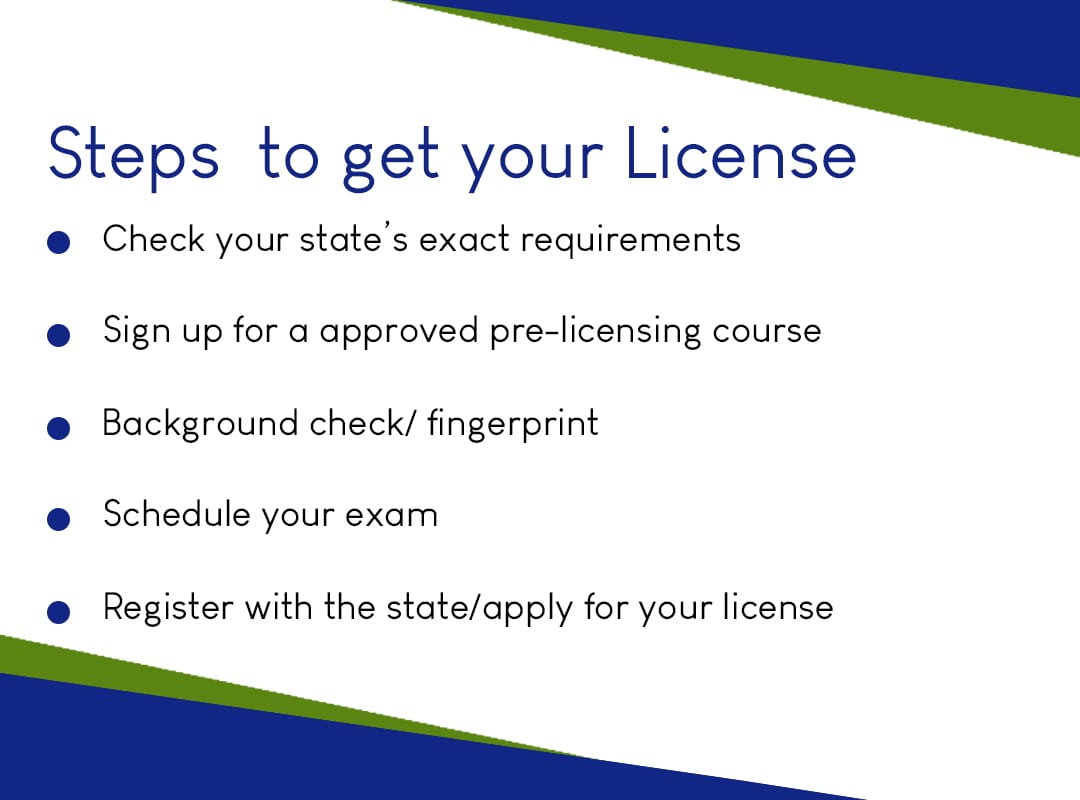
If you are ready to begin, your first action should be to visit the website of your state’s Department of Insurance. Look for the "Producer Licensing" or "New Applicant" section. Verify the specific number of education hours required for your state and select a state-approved education provider. Do not pay for any training that is not explicitly recognized by your state’s DOI, as it will not count toward your requirements.
Image Gallery