Understanding Recent Events in Times Square: A Guide to Local Reporting and Public Safety
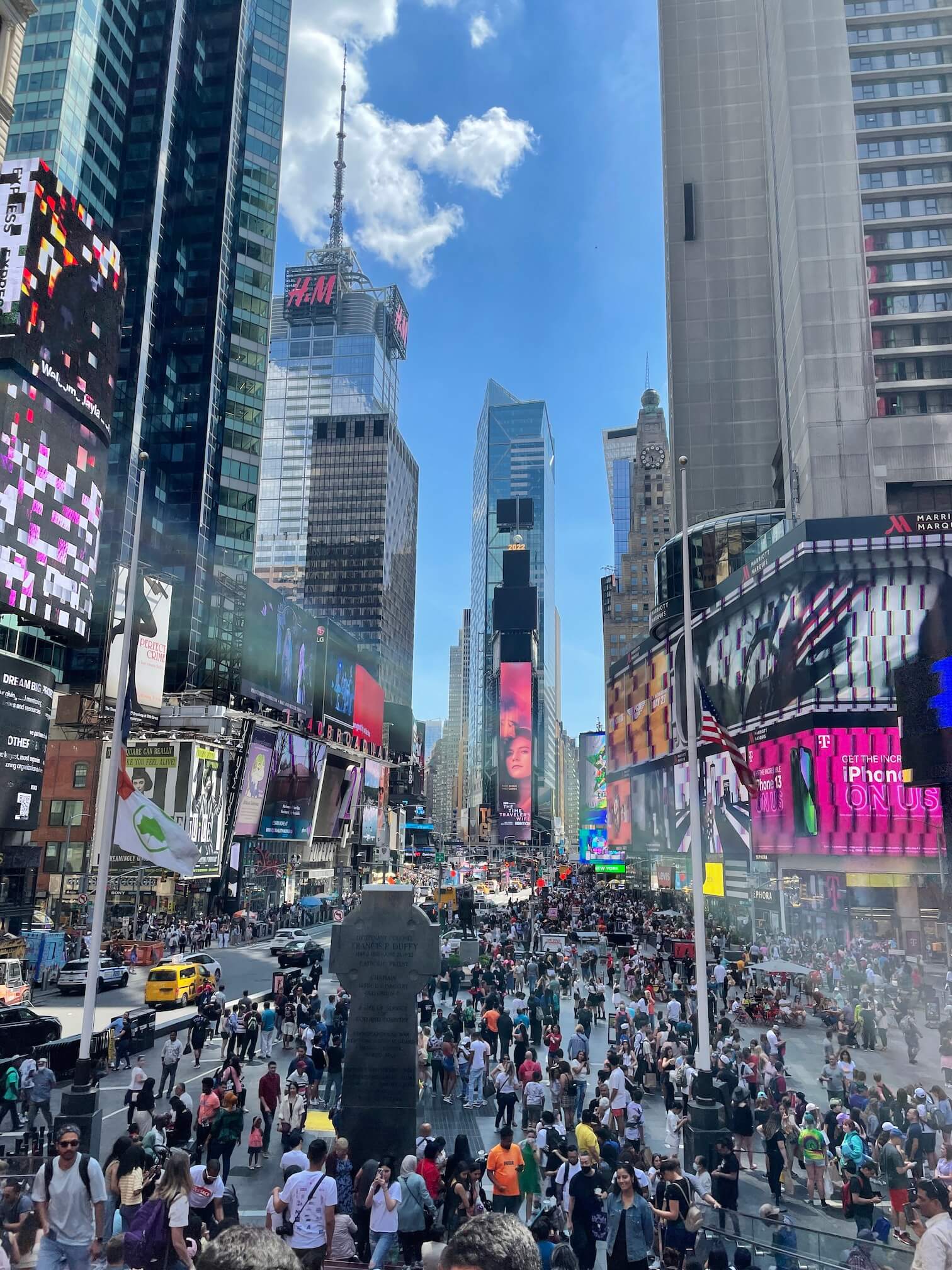
Times Square serves as the primary commercial and cultural heartbeat of New York City, making it a focal point for breaking news, spontaneous public gatherings, and emergency response operations. When inquiries arise regarding "what ha...
Times Square serves as the primary commercial and cultural heartbeat of New York City, making it a focal point for breaking news, spontaneous public gatherings, and emergency response operations. When inquiries arise regarding "what happened in Times Square yesterday," they typically stem from a desire to confirm the safety of the area, understand the nature of a reported disturbance, or gain context on planned infrastructure changes or large-scale public events. Because the location is under constant surveillance and maintains a high density of both residents and tourists, events occurring there are subject to rapid official verification by the New York City Police Department (NYPD) and local news outlets.
Contents
The Nature of Activity in Times Square
To determine exactly what transpired in Times Square yesterday, one must first categorize the event. Activity in this district generally falls into one of four distinct silos: scheduled public events, emergency service interventions, traffic or infrastructure updates, and spontaneous public demonstrations.
1. Scheduled Public Events and Programming
Times Square is frequently home to brand activations, television production segments, and public art installations. The Times Square Alliance often coordinates these events to ensure they remain within city permitting guidelines. If the activity you observed seemed organized—involving stages, specialized lighting, or film crews—it is likely part of a recurring schedule. Major events are often posted weeks in advance on official municipal calendars.
2. Emergency Service Interventions
Given the high foot traffic, emergency responders are a constant presence. A police presence or the arrival of ambulances does not always indicate a crisis or a threat to the public. Often, these are responses to minor medical issues, traffic accidents, or false alarms. The NYPD typically uses social media platforms like X (formerly Twitter) to provide real-time updates regarding road closures or significant incidents that may impact public safety.
3. Demonstrations and Public Gatherings
Times Square is a primary venue for assembly. Under the First Amendment of the U.S. Constitution, public spaces are protected venues for peaceful assembly. Demonstrations here are common and range from localized vigils to large-scale marches. When assessing these, it is essential to distinguish between a protected, peaceful assembly and a disruptive event that has led to law enforcement intervention.
4. Infrastructure and Utility Work
The Department of Transportation (DOT) and utility companies perform routine maintenance beneath and around the streets of Times Square. Sudden shifts in traffic flow, temporary barriers, or construction noise are often the result of scheduled utility upgrades rather than unexpected emergencies.
Verifying Local News and Incidents
When you identify an event that feels out of the ordinary, relying on high-authority sources is critical to avoiding misinformation. Information regarding Times Square spreads quickly on social media, where speculation often outpaces verified fact. To verify what occurred, utilize the following hierarchy of information:
| Information Source Type | Reliability Level | Primary Purpose |
|---|---|---|
| NYPD Official Channels | High | Real-time public safety alerts and incident status. |
| NYC Department of Transportation | High | Traffic impacts, construction, and road closures. |
| Established Local News (e.g., WNBC, NY1) | High | Reported context and investigation of events. |
| Social Media (X, Reddit, TikTok) | Low to Medium | Raw, unverified video footage and eyewitness testimony. |
The Role of Official Verification
The NYPD's Public Information Office (DCPI) is the definitive source for confirmed information regarding criminal activity, police-involved incidents, or public safety threats. If an incident was significant enough to attract media attention, the DCPI will have issued a statement. If you are unable to find mention of a specific event through these channels, it is highly probable that the activity was a routine matter or a localized, non-hazardous event that did not require a public statement.
Navigating Public Safety in High-Density Areas
Whether you are a visitor or a resident, moving through Times Square requires situational awareness. Large crowds and high-speed urban transit create a dynamic environment where the unexpected is the norm.
Recommended Best Practices
- Monitor Official Feeds: Follow the @NYPDnews or @NYPDTips accounts for verified alerts regarding hazards.
- Assess the Crowd Tone: If you encounter a large gathering, observe the behavior of the crowd and the presence of law enforcement. If the police have established a perimeter, do not attempt to bypass it.
- Utilize Official Apps: The "Notify NYC" app provides real-time emergency information and significant disruptions to city operations, including transit delays and weather events.
- Avoid Speculation: In the immediate aftermath of an event, avoid sharing unverified videos or hearsay. This prevents the spread of panic and allows emergency responders to conduct their work without interference.
Common Misconceptions
One of the most frequent errors observers make is interpreting a police "bottleneck" as a sign of an active threat. Due to the geometric constraints of Times Square, police may periodically direct foot traffic or close specific pedestrian plazas to manage density. This is a standard crowd-management technique used by the NYPD during busy evenings or high-volume tourism periods, not a sign of an active crime.
Frequently Asked Questions
How can I tell if a street closure is an emergency or maintenance? Emergency closures are usually marked by heavy police tape and tactical vehicle presence. Maintenance-related closures typically involve orange traffic cones, construction signage, and clearly identified city contractor vehicles.
Why does it feel like there is always something happening in Times Square? The area is designed as a "pedestrian-first" zone with high visibility. Because it is one of the most visited locations in the world, the cumulative probability of minor, newsworthy events occurring on any given day is statistically higher than in any other part of the city.
Where can I find records of past incidents for a specific date? For historical inquiries, the NYPD’s CompStat reports provide data on crime trends, though they do not serve as a narrative log of daily events. For specific news events, local news archives are the most accessible method to find reporting from a specific date.
Is it safe to visit Times Square if there was an incident yesterday? Generally, yes. The NYPD maintains a permanent, robust presence in Times Square. If an area was deemed unsafe, officials would have cordoned it off. Once a scene is cleared, the NYPD allows normal public access to resume.
What should I do if I am caught in a large, unexpected crowd? Maintain your composure, move toward the perimeter of the crowd, and keep moving away from the center of activity. Avoid stopping to record footage, as this contributes to bottlenecks that can lead to physical risks.
Final Steps and Next Actions
If you are searching for information about a specific event in Times Square from yesterday because you were concerned for someone’s safety or were affected by a disruption, start by checking the official Notify NYC portal or the NYPD Twitter feed. If the event you witnessed was significant but is not appearing in these sources, check the websites of major local news outlets like NY1 News or WNBC. These organizations employ dedicated city desks that track police scanners and official press releases throughout the 24-hour cycle. By focusing on these primary sources, you can effectively resolve your questions while filtering out the noise of social media speculation.
Image Gallery