Understanding Outpatient Drug Rehabilitation Options
Outpatient drug rehabilitation provides therapeutic support and medical oversight while allowing individuals to maintain their daily commitments, such as work, school, or family obligations. These programs range from intensive, highly...
Outpatient drug rehabilitation provides therapeutic support and medical oversight while allowing individuals to maintain their daily commitments, such as work, school, or family obligations. These programs range from intensive, highly structured day treatments to flexible, once-weekly counseling sessions, serving as a critical pathway for those who do not require or cannot attend 24-hour residential care.
Contents
Defining the Scope of Outpatient Care
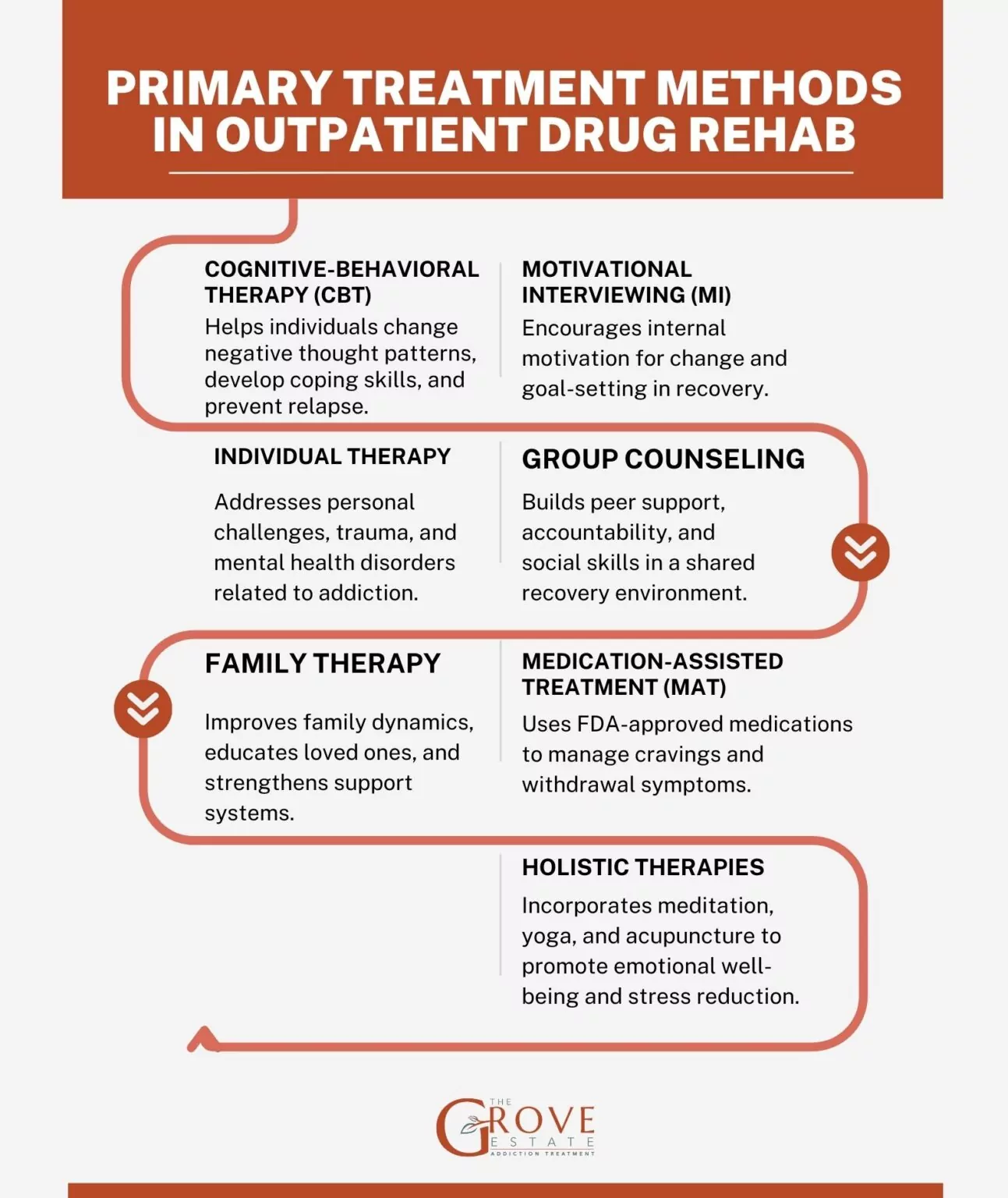
The term "outpatient drug rehabilitation" encompasses a broad spectrum of care levels, defined primarily by the intensity of service and the duration of weekly engagement. Unlike inpatient (residential) settings where the patient lives at the facility, outpatient programs allow the individual to return home each day. These services are grounded in evidence-based practices, including Cognitive Behavioral Therapy (CBT), Motivational Interviewing (MI), and, when appropriate, Medication-Assisted Treatment (MAT).
It is essential to distinguish between the levels of intensity, as clinical assessment determines which tier is medically appropriate for a specific patient’s needs. The choice is often dictated by the severity of the substance use disorder (SUD), the presence of co-occurring mental health conditions, and the stability of the patient's home environment.
Hierarchy of Outpatient Treatment Levels
Treatment programs are generally categorized by the American Society of Addiction Medicine (ASAM) criteria, which ensure that the intensity of care matches the patient’s clinical severity.
1. Partial Hospitalization Programs (PHP)
PHP is the most intensive level of outpatient care, often referred to as "day treatment." Patients typically attend sessions 5 to 7 days per week for 4 to 8 hours a day. This setting is appropriate for individuals who require medical monitoring and structured behavioral intervention but are clinically stable enough to return to a safe home environment overnight.
2. Intensive Outpatient Programs (IOP)
IOP offers a middle ground, requiring a significant time commitment—usually 9 to 19 hours per week. Sessions are scheduled to accommodate work or school, typically occurring in the evenings or early mornings. IOPs focus on relapse prevention, coping skills development, and ongoing psychological support.
3. Standard Outpatient Programs (OP)
Standard outpatient services are the least intensive, typically involving 1 to 3 hours of therapy per week. This level is often utilized as a "step-down" service for those transitioning out of higher levels of care or for individuals with mild substance use challenges who require accountability and professional guidance.
Comparing Outpatient Rehabilitation Structures
| Treatment Level | Weekly Commitment | Primary Focus | Best Suited For |
|---|---|---|---|
| PHP | 20–40 Hours | Medical & Psych Support | Stabilizing high-acuity cases |
| IOP | 9–19 Hours | Skill Building & Relapse Prevention | Transition from residential care |
| Standard OP | 1–3 Hours | Maintenance & Counseling | Long-term recovery management |
The Role of Medication-Assisted Treatment (MAT)
For specific substance use disorders, particularly those involving opioids or alcohol, Medication-Assisted Treatment (MAT) is considered the gold standard of care. MAT combines FDA-approved medications—such as buprenorphine, methadone, or naltrexone—with counseling and behavioral therapies.
When integrated into an outpatient program, MAT helps stabilize brain chemistry, reduce cravings, and block the euphoric effects of substances. It is critical to note that MAT is not "replacing one drug with another"; rather, it is a clinical intervention designed to normalize physiological functions, allowing the patient to focus on the psychological work of recovery.
Prerequisites and Clinical Verification
Before enrolling in any outpatient program, prospective patients must undergo a professional screening or "intake assessment." This process is typically conducted by a licensed clinician, addiction counselor, or psychiatrist.
Key Assessment Factors
- Substance Severity: The type of substance used and the frequency of use.
- Physical Health: The presence of withdrawal risks or chronic medical conditions.
- Psychological Status: Assessment of co-occurring disorders, such as depression, anxiety, or trauma.
- Social Support: The stability of the home life and the presence of "triggers" in the immediate environment.
- Legal Considerations: Whether the treatment is court-mandated or voluntary.
If the assessment reveals that a patient is at high risk for severe withdrawal symptoms or has an unstable living environment, the clinician may recommend a medical detoxification program or inpatient treatment prior to beginning an outpatient regimen.
Financial and Insurance Considerations
Navigating the costs of outpatient rehab requires careful coordination with insurance providers. Under the Mental Health Parity and Addiction Equity Act (MHPAEA), many health insurance plans are required to provide coverage for substance use disorders that is comparable to coverage for medical/surgical conditions.
However, patients should verify the following with their insurance provider:
- In-Network vs. Out-of-Network: Understanding the cost differential between providers contracted with your insurer and those that are not.
- Pre-Authorization: Many insurance plans require a clinical justification from the treatment provider before authorizing specific levels of care like PHP or IOP.
- Benefit Limits: Identifying the total number of sessions or the duration of treatment covered annually.
Common Challenges and Troubleshooting
Transitioning to outpatient recovery involves unique hurdles that are not present in residential settings.
Maintaining Focus Amidst Daily Life
The greatest challenge in outpatient treatment is the constant exposure to the environment where the addiction developed. To mitigate this, patients are often encouraged to build a "sober network," remove paraphernalia from their home, and communicate their recovery goals to supportive family members.
Balancing Commitments
When a patient feels overwhelmed by the combination of work, school, and treatment, they should communicate with their clinical team immediately. Counselors can often adjust schedules or suggest a "step-down" if the patient has demonstrated progress, preventing premature dropout.
Managing Relapse
Relapse is often viewed in clinical settings as a part of the recovery process rather than a failure. If a relapse occurs, the clinical team should be notified immediately so that the treatment plan can be reassessed. This might involve increasing the frequency of sessions or re-evaluating the current therapeutic approach.
Frequently Asked Questions
Is outpatient rehab as effective as inpatient rehab?
For many individuals, outpatient care is highly effective, especially when the patient has a stable, supportive home environment. Research indicates that the outcomes for outpatient treatment are comparable to inpatient care for patients who meet the specific clinical criteria for lower-intensity services.
Can I continue working while in outpatient rehab?
Yes. The primary design of outpatient programs, particularly IOP and Standard OP, is to allow individuals to maintain their professional and educational responsibilities. Sessions are generally scheduled in the evenings or weekends to minimize disruption to work hours.
Does outpatient rehab require sobriety upon entry?
Most outpatient programs require a baseline level of sobriety or the ability to function without being under the influence during sessions. If a patient is actively experiencing withdrawal or intoxication, the facility will likely refer them to a detox center first to ensure safety.
What happens if I miss a scheduled session?
Attendance is vital for treatment success. Most outpatient programs have strict attendance policies. Missing sessions can disrupt the momentum of recovery and, in some cases, may jeopardize insurance coverage or compliance requirements if the treatment is court-mandated.
How do I verify if a program is reputable?
Look for facilities accredited by the Commission on Accreditation of Rehabilitation Facilities (CARF) or The Joint Commission. These organizations verify that the facility meets rigorous national standards for safety, clinical quality, and ethical business practices.
Recommended Next Steps
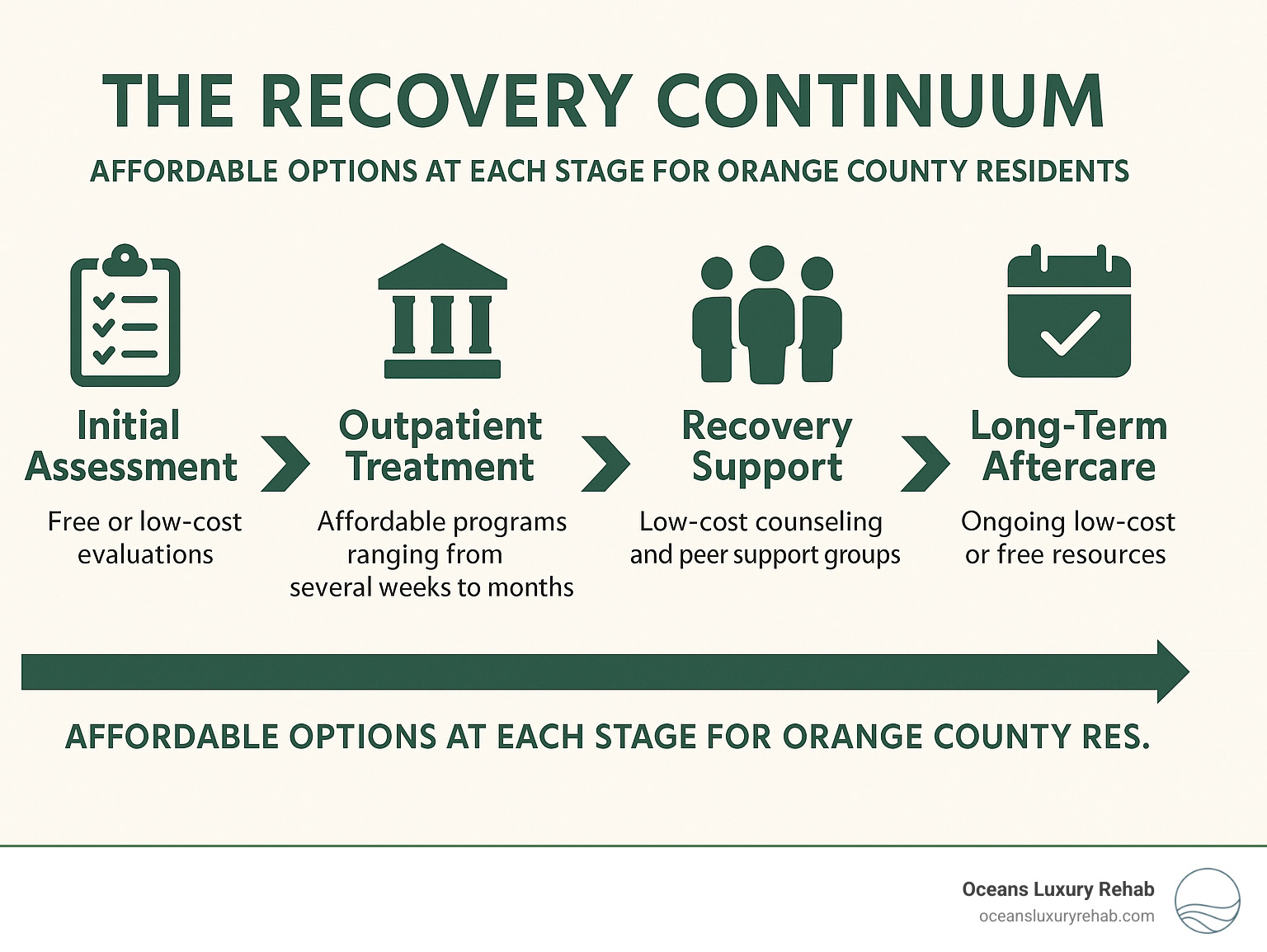
If you or a loved one are seeking treatment, the first step is to contact your primary care physician or a behavioral health specialist to request a formal clinical assessment. This evaluation will provide the necessary data to determine which level of outpatient care is appropriate. Once the level is identified, use your insurance company’s provider directory to filter for accredited facilities in your area, and call them directly to inquire about their specific intake process, waitlists, and documentation requirements.
Image Gallery