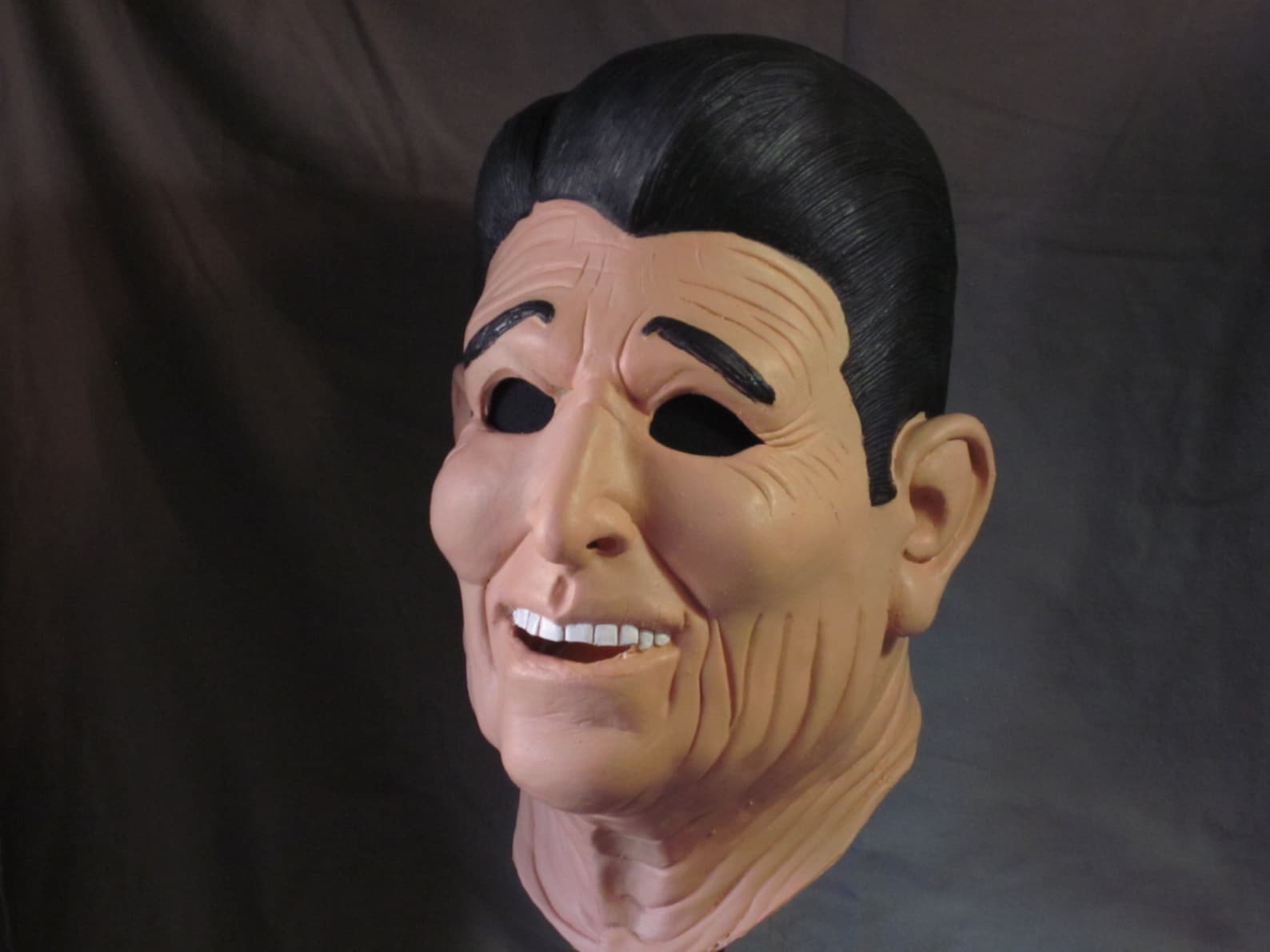
The Ex-Presidents Point Break: A Technical Overview of Cinematic Stunt Engineering
The "Ex-Presidents" bank heist sequence in the 1991 film Point Break, directed by Kathryn Bigelow, remains a seminal case study in practical stunt coordination and high-speed motion picture production. This sequence features four antag...
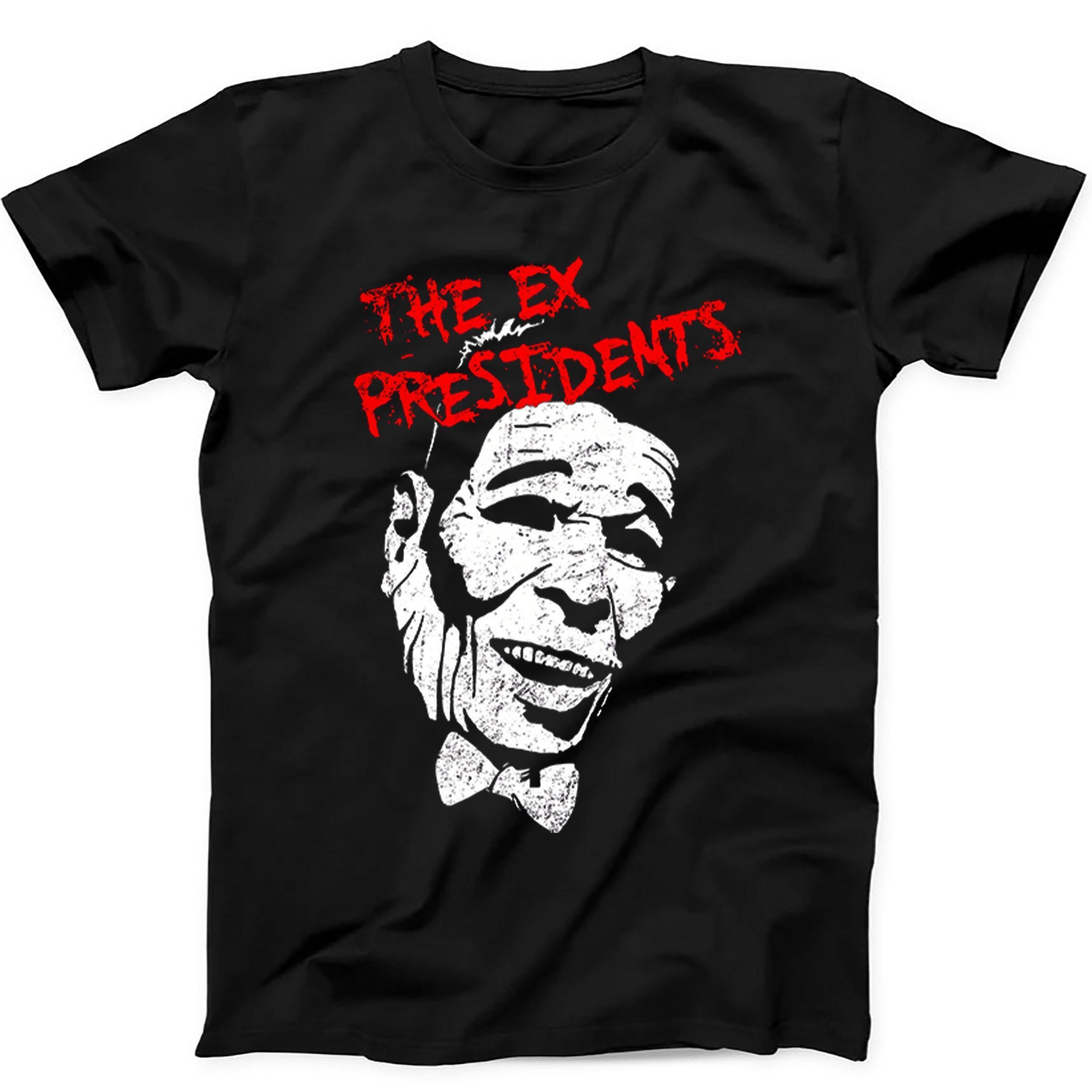
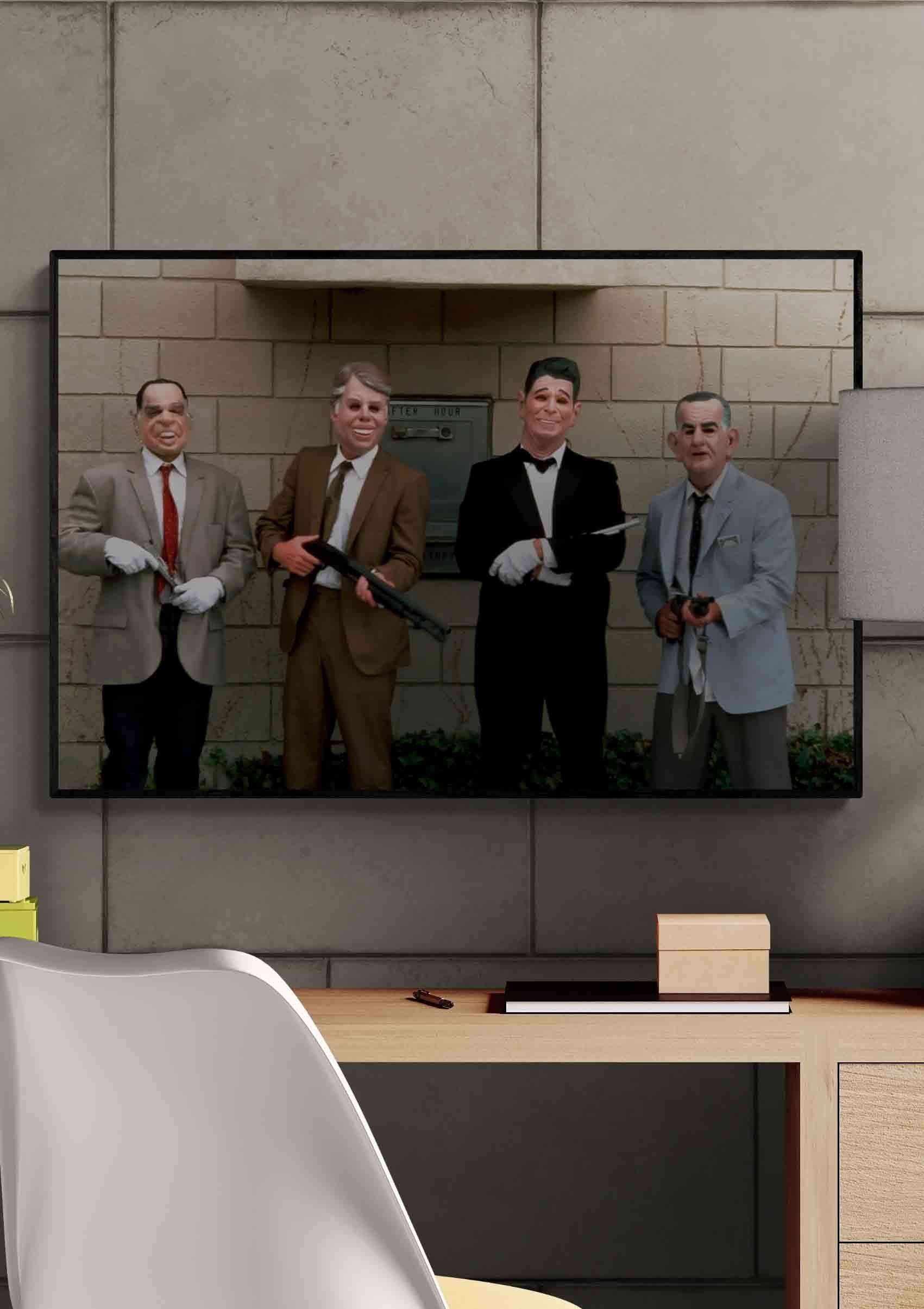
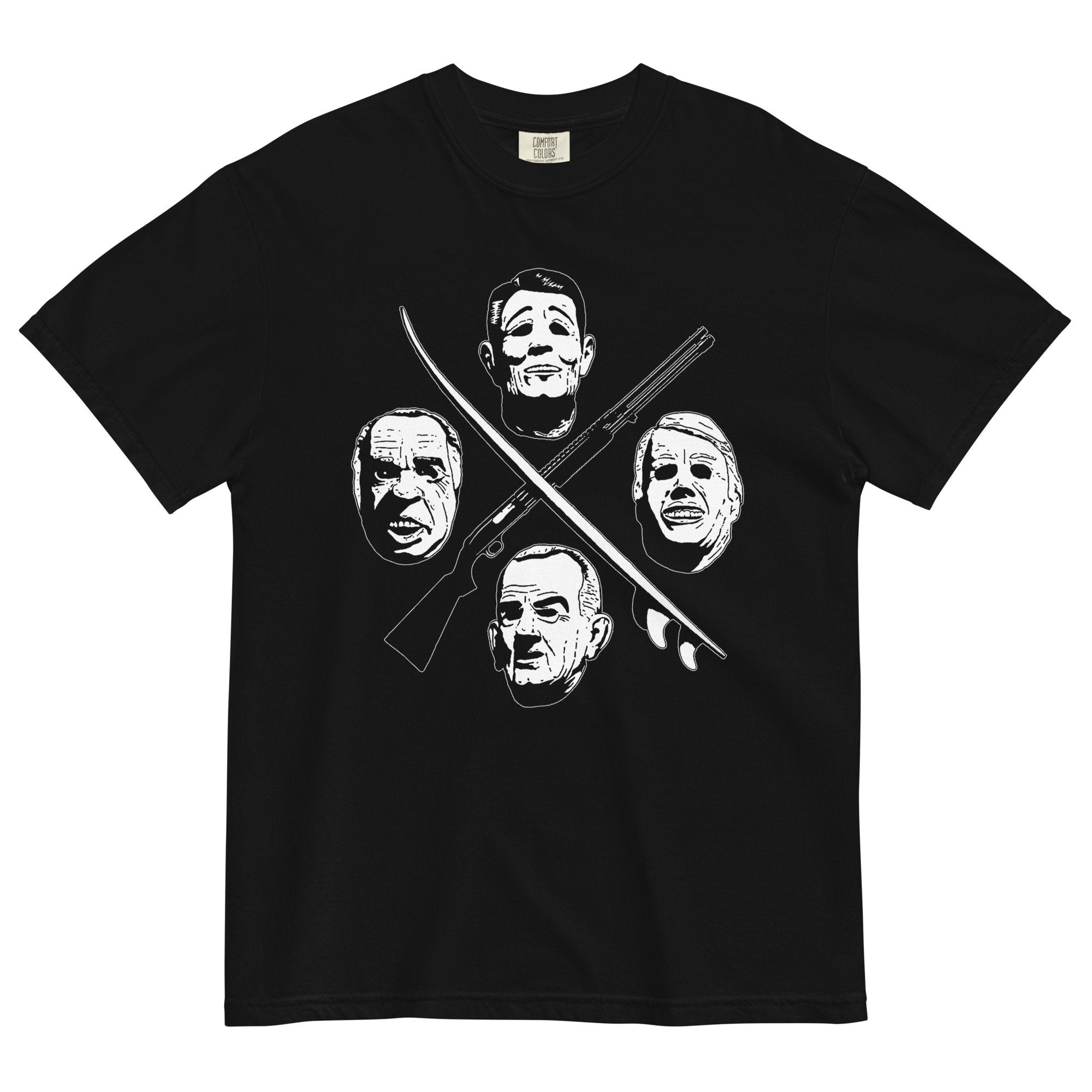
The "Ex-Presidents" bank heist sequence in the 1991 film Point Break, directed by Kathryn Bigelow, remains a seminal case study in practical stunt coordination and high-speed motion picture production. This sequence features four antagonists wearing masks of former U.S. Presidents—Reagan, Carter, Nixon, and Johnson—executing a series of tightly choreographed, high-stakes bank robberies. From a technical perspective, the sequence serves as a landmark integration of tactical movement, low-altitude cinematography, and rigorous physical stunt execution that relies on kinetic energy rather than digital manipulation.
Contents
Historical Context and Production Philosophy
Produced during an era when computer-generated imagery (CGI) was in its infancy and largely relegated to non-human elements, Point Break prioritized "in-camera" effects. The bank robbery sequence was engineered to prioritize authentic tension over stylistic abstraction. The production design mandated that the actors performing as the Ex-Presidents maintain high mobility while wearing bulky, full-head latex masks. This requirement presented significant technical challenges regarding visibility, oxygen intake, and thermal management for the stunt performers.
The core production philosophy centered on a "guerrilla" style of filmmaking within a structured Hollywood budget. By utilizing handheld camera rigs and tight framing, the cinematography team—led by Director of Photography Donald Peterman—was able to capture the visceral nature of the robberies without the need for large-scale production setups that would have slowed the pacing.
Technical Challenges of the Ex-Presidents Disguise
The masks worn by the Ex-Presidents were not merely props; they were technical constraints. The latex material significantly limited peripheral vision and created a "greenhouse effect" inside the masks during the rigorous running sequences. To mitigate this, the costume department modified the masks to include hidden ventilation slats, which were strategically placed to be invisible to the camera but sufficient to prevent stunt performer heat exhaustion.
Furthermore, the masks created an auditory muffling effect. This was addressed in post-production through meticulous Sound Design and Foley work, where the rhythmic, heavy breathing of the robbers was dubbed over the original dialogue to maintain the intensity of the scene. The technical layering of these audio cues—combined with the metallic clatter of the weapons and the muffled, echoing acoustics of the bank floor—transformed a visual costume piece into an atmospheric storytelling device.
Choreography and Tactical Execution
The robberies in the film are characterized by the speed of the Ex-Presidents’ entry and exit. The tactical movement, often referred to in stunt coordination as "dynamic clearance," was designed to mirror real-world bank robbery patterns observed by security consultants.
- Entry and Control: The robbers emphasize speed over force. Technical choreography focuses on the "sweep," where the lead figure (Bodhi/Reagan) secures the perimeter while the others manage the crowd and the vault.
- Weapon Handling: The stunt team utilized lightweight, non-functioning replicas that allowed for rapid pivots and quick-draw maneuvers. The technical requirement was for the weapons to appear heavy and threatening while being light enough to facilitate complex choreography without inducing wrist strain.
- The Exit Strategy: The coordination of the getaway required precise timing between the stunt drivers and the performers exiting the bank. This was achieved through radio cues—a nascent practice in action filmmaking at the time—which allowed the director to time the "cut" exactly as the actors reached the transition point to the getaway vehicle.
Technical Comparison of Action Sequence Elements
| Feature | Practical Execution (1991) | Modern CGI Approach (2026) |
|---|---|---|
| Mask Realism | High-density latex, custom molding | Photogrammetry and digital overlays |
| Stunt Visibility | Limited; relied on rehearsal | Full visibility via heads-up display |
| Pacing | Handheld 35mm cameras | Gimbal-stabilized drone and digital sensors |
| Sound Mixing | ADR (Automated Dialogue Replacement) | Atmos-spatial mixing |
| Set Interaction | Physical destruction and debris | Composited environment layers |
Cinematography and Lens Selection
The technical look of the heist is defined by the use of wide-angle lenses in confined spaces. By utilizing 18mm and 24mm primes, the camera operators were able to stay physically close to the actors, capturing the frantic nature of the robberies without losing the spatial context of the bank lobbies. This proximity creates a subconscious sense of claustrophobia for the audience.
To manage the high-contrast lighting of the bank vaults against the exterior light, the crew employed high-speed film stocks and internal "bounce" lighting. This ensured that the masks, which could easily become flat or featureless under direct studio lighting, maintained their eerie, textured appearance throughout the entirety of the high-speed sequences.
Limitations and Operational Considerations
While the sequences appear flawless, they were limited by the physical endurance of the stunt performers. The "Ex-Presidents" could only sustain the intensity of the sprint and combat movements for roughly 90 seconds before the CO2 buildup inside the masks forced a production halt. This required the Director of Photography and the First Assistant Director to master the "one-take" mentality. If a sequence required multiple takes, a mandatory 20-minute cool-down period was enforced, representing one of the first documented instances of "health-safety" intervals in high-intensity action stunt sequences of that decade.
Safety Protocols and Stunt Coordination
The stunts were performed under strict oversight by the film's safety supervisors. Because the masks were designed to look realistic, the production had to coordinate with local law enforcement in the locations where the bank scenes were filmed. Even in 1991, the sight of individuals in masks carrying realistic-looking rifles was a high-risk scenario. The production team utilized specialized "prop-only" transport containers and maintained a strict "in-scene-only" policy for the masks to prevent public alarm.
Frequently Asked Questions
Why are the masks in Point Break considered an iconic technical choice? The masks serve as a dehumanizing tool that strips the protagonists of their individuality, creating an abstract, terrifying aesthetic. Technically, they force the audience to focus on the body language and tactical rhythm of the stunt performers rather than facial expressions.
Did the actors perform all their own stunts in the bank scenes? While the primary cast performed many of the movements, specific high-risk maneuvers involving fast-paced tactical rolls and heavy lifting were performed by specialized stunt doubles. These doubles were cast based on physical height and build to match the primary actors precisely.
How was the sound for the bank robberies captured? The high-pressure environment of the set made on-site dialogue recording difficult. The production utilized a hybrid approach: capturing baseline audio for tone and timing, then replacing or reinforcing the majority of the dialogue and sound effects (like mask-breathing) in post-production.
What was the primary difficulty of filming in the bank vaults? The primary challenge was light reflection. Because the vault interiors were metal or high-gloss, the camera crew had to carefully position lights to prevent "flaring" the lens while ensuring the Ex-Presidents' masks were clearly visible against the dark, metallic backgrounds.
How has the legacy of these stunts influenced modern action cinema? The sequence popularized the "tactical heist" sub-genre, emphasizing movement, efficient spatial navigation, and the use of masks as a narrative device, which has been replicated in numerous high-budget action films through the 2020s.
Strategic Conclusion
The "Ex-Presidents" sequence in Point Break remains a masterclass in physical filmmaking. For those studying modern stunt coordination, the lesson is clear: authentic tension is not a product of visual effects, but a result of rigorous physical planning, tactical discipline, and a deep understanding of the limitations and strengths of the physical environment. Whether analyzing the film for historical appreciation or technical instruction, the key takeaway remains the primacy of the performer over the pixel.
Image Gallery