Why You Need Insurance for a Rental House: A Comprehensive Guide
Owning a rental house requires specialized insurance coverage because standard homeowners policies rarely cover properties used for business or tenant occupancy. Landlord insurance protects your financial investment by addressing uniqu...
Owning a rental house requires specialized insurance coverage because standard homeowners policies rarely cover properties used for business or tenant occupancy. Landlord insurance protects your financial investment by addressing unique risks, including property damage, loss of rental income, and liability claims resulting from accidents on your premises.
Contents
Understanding the Limitations of Standard Homeowners Insurance
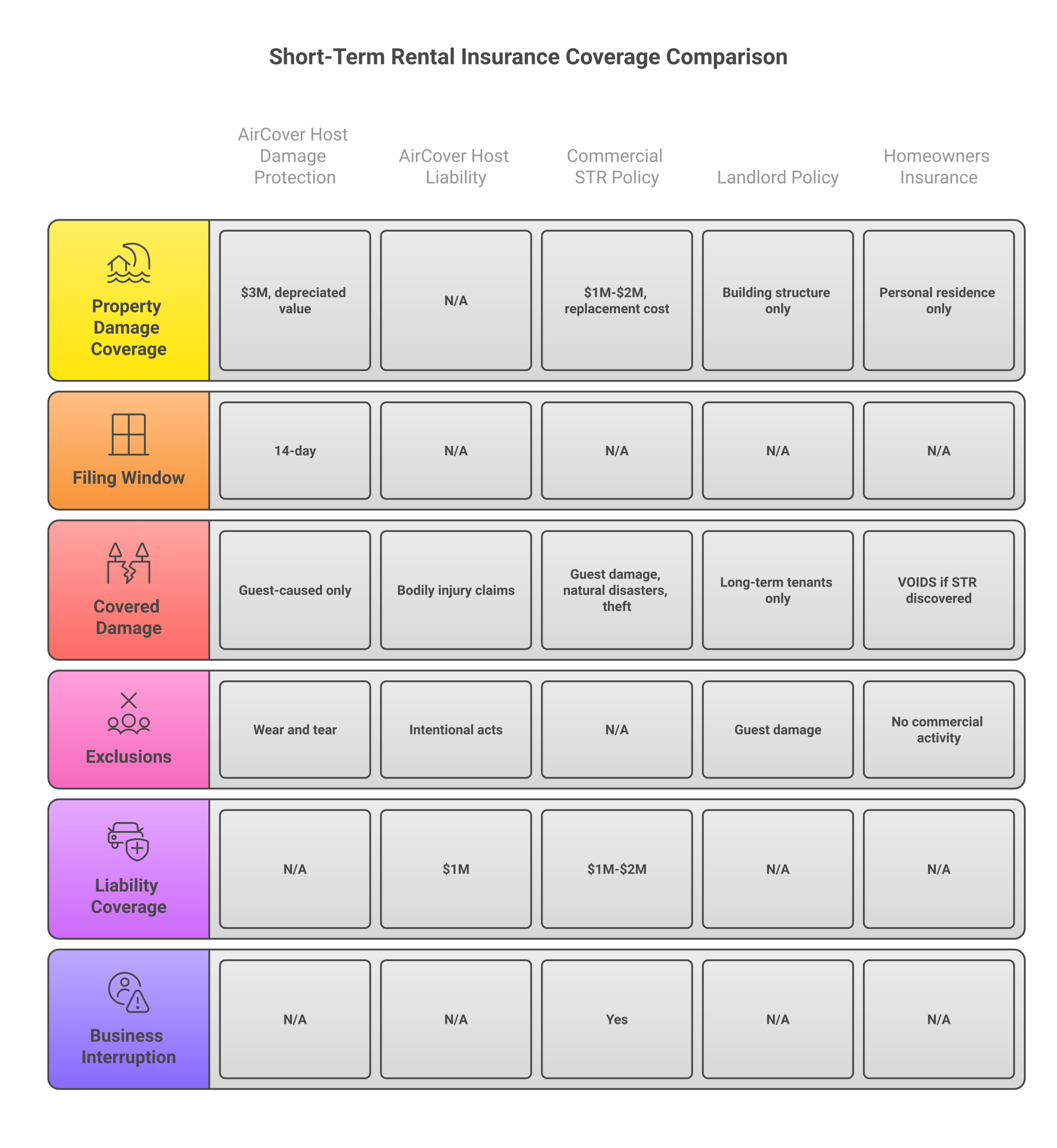
Many property owners mistakenly assume that their existing homeowners insurance covers any structure they own. However, standard policies are designed for owner-occupied dwellings. When you rent a home to others, your risk profile changes significantly. Insurance carriers typically categorize rental properties as commercial or non-owner-occupied risks.
If you file a claim for damages caused by a tenant—such as a kitchen fire or a pipe burst—and your insurer discovers the property is being rented out without the proper policy endorsement or a dedicated landlord insurance policy, they may deny the claim entirely. This leaves you personally responsible for thousands of dollars in repairs and potential litigation costs. Your primary residence policy is intended to cover your personal belongings and your family's liability, neither of which aligns with the needs of a residential rental operation.
Key Components of Landlord Insurance
Landlord insurance policies are constructed differently than standard policies to address the specific vulnerabilities of the rental market. Understanding these components is essential for selecting the right level of protection.
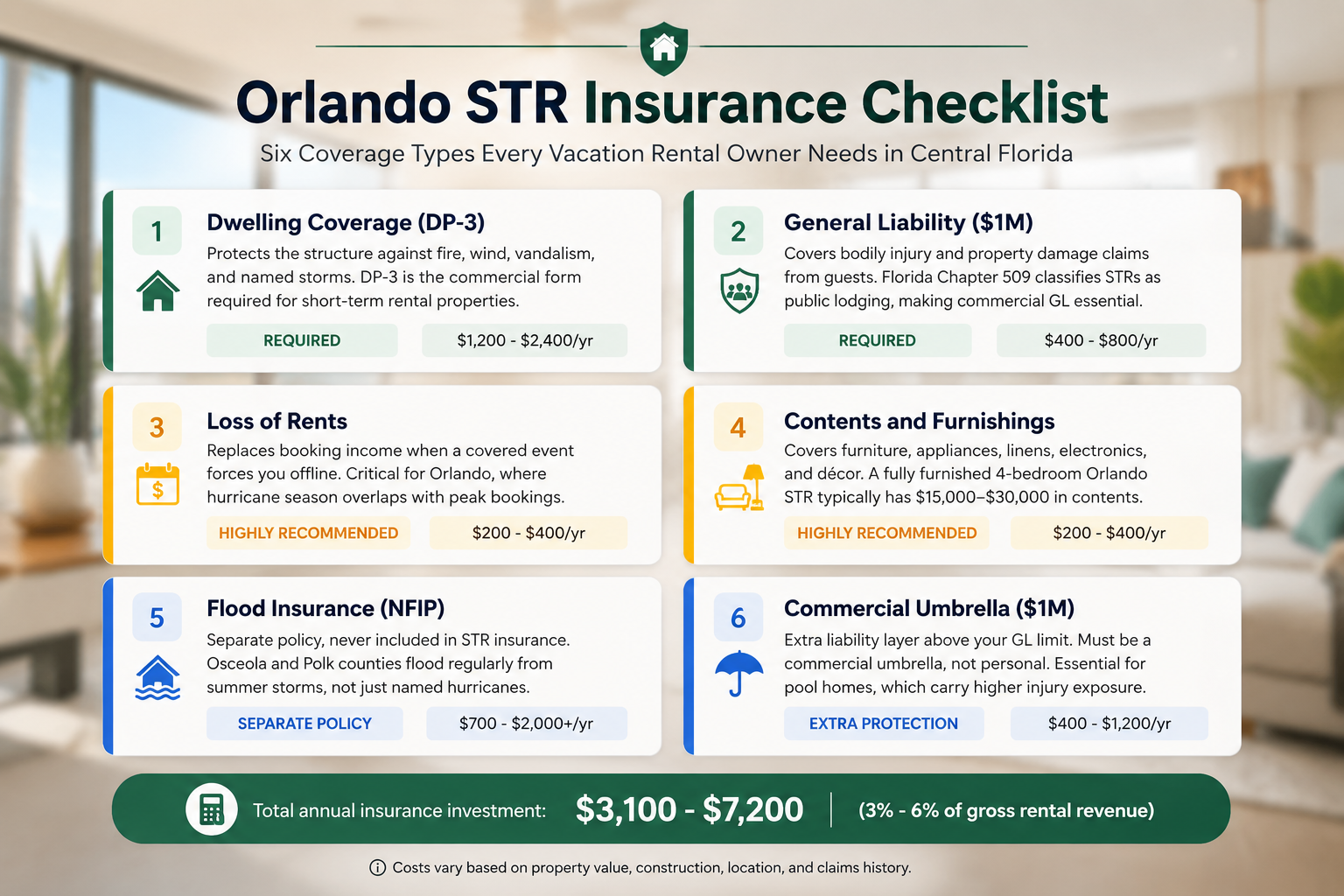
- Property Damage Coverage: This protects the physical structure of the rental house. In 2026, many policies cover perils like fire, lightning, windstorms, hail, and vandalism. Comprehensive policies may also offer "replacement cost" coverage, which pays to rebuild the home to its previous standard rather than paying out the depreciated cash value.
- Liability Protection: If a tenant or a guest of the tenant is injured on your property due to a maintenance failure—such as a loose handrail or faulty wiring—you could be held legally liable. Liability coverage assists with legal fees and medical expenses if a lawsuit is brought against you.
- Loss of Rental Income: Often called "rent loss insurance" or "fair rental value coverage," this component compensates you for lost income if your rental house becomes uninhabitable due to a covered peril. For example, if a fire forces your tenants to move out for three months, your insurer will reimburse the rent you would have collected during that period.
Comparative Overview of Coverage Types
The table below outlines the primary differences between basic owner-occupied insurance and dedicated landlord policies.
| Feature | Standard Homeowners Policy | Landlord Insurance Policy |
|---|---|---|
| Personal Property | Covers your belongings inside the home | Minimal or no coverage |
| Tenant Property | Not included | Not included (Tenant must buy Renters Insurance) |
| Rental Income Loss | Not included | Typically included |
| Liability Exposure | Personal/Family focused | Premises liability focused |
| Policy Trigger | Owner-occupancy required | Commercial rental agreement |
The Role of Tenants and Renters Insurance
A common point of confusion is the relationship between the landlord’s insurance and the tenant's insurance. It is critical to understand that your landlord policy does not cover your tenant’s personal property.
When a rental house suffers a loss—such as a fire or water damage—your policy covers the building's infrastructure (walls, floors, fixtures). Your policy does not cover the tenant’s television, clothing, furniture, or computer equipment. Consequently, many landlords in 2026 choose to include a clause in their lease agreement requiring tenants to maintain their own "Renters Insurance" (also known as HO-4 insurance). This protects the tenant, reduces the likelihood of the tenant suing you for loss of their personal belongings, and generally creates a more professional landlord-tenant relationship.
Mitigating Risks and Minimizing Premiums
Insurance premiums are based on risk assessment. As a landlord, there are several steps you can take to keep your insurance costs manageable while ensuring your property remains protected.
- Routine Maintenance Programs: Regularly inspect the property for roof leaks, plumbing issues, and electrical hazards. Documenting these inspections can sometimes qualify you for discounts or help with claim verification.
- Security Upgrades: Installing deadbolts, security lighting, and fire-suppression systems (such as monitored fire alarms) can lower your risk of claims and may lead to reduced premiums.
- Tenant Screening: Proper background and credit checks ensure you have reliable tenants who are less likely to cause intentional damage or miss rent payments, which indirectly impacts your need to rely on insurance protection.
- Deductible Adjustments: Increasing your deductible—the amount you pay out-of-pocket before insurance kicks in—can significantly lower your annual premium. Ensure that you maintain a sufficient emergency fund to cover this higher deductible should a loss occur.
Legal and Financial Considerations
Before finalizing an insurance policy, it is important to consult with your local jurisdiction’s real estate regulations. Some municipalities have specific requirements regarding the types of insurance landlords must carry, especially in multi-family dwellings or areas prone to specific natural disasters.
Furthermore, your mortgage lender likely mandates that you maintain a specific level of hazard insurance on the property. Failing to maintain adequate insurance is often considered a breach of your mortgage contract, which can lead to the bank force-placing its own insurance at a much higher cost and with less comprehensive coverage. Always provide your lender with proof of your landlord policy to ensure compliance.
Frequently Asked Questions
Does landlord insurance cover intentional damage by tenants? Generally, no. Most policies exclude intentional destruction of property by the tenant. However, some policies offer "malicious mischief" coverage as an add-on, which can provide limited protection for vandalism committed by occupants.
Can I use my primary homeowners policy if I only rent for a few days a year? You must consult your specific policy language. Some insurers offer "occasional rental" endorsements. If you are renting your home for short-term stays, a standard policy will almost certainly be insufficient and could lead to policy cancellation.
What is the difference between Actual Cash Value and Replacement Cost? Actual Cash Value (ACV) pays out based on the current depreciated value of the item or structure. Replacement Cost coverage pays for the actual cost to repair or replace the item with one of like kind and quality, without subtracting for age or wear and tear.
Does insurance cover my appliance replacements? Typically, no. Landlord insurance covers structural damage and perils (fire, wind, etc.). If an appliance like a refrigerator or dishwasher breaks due to normal wear and tear, that is considered a maintenance issue and is the owner’s responsibility.
Next Steps for Property Owners
If you currently own a rental house, begin by reviewing your existing policy documents. If you find you are insured under a standard homeowners policy, contact your insurance agent immediately to transition to a landlord-specific policy. Obtain quotes from at least three different providers to compare coverage limits and exclusions. Once your policy is active, ensure your lease agreement reflects the requirement for tenants to carry their own renters insurance, and keep a digital copy of all insurance documentation in a secure, accessible location.
Image Gallery