Understanding the Differences Between Cash Flow Statement and Net Worth Statement
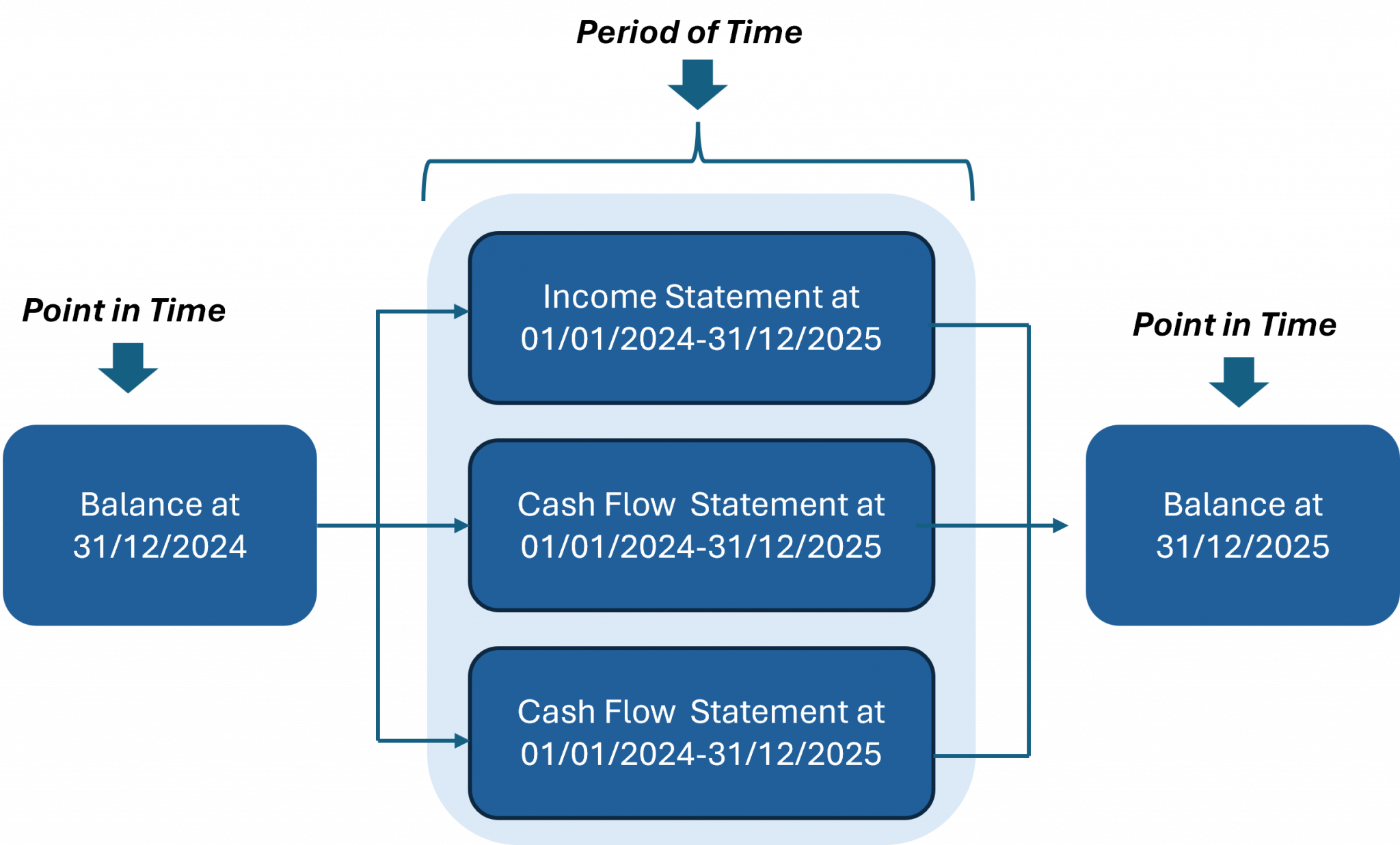
A cash flow statement tracks the movement of money in and out of your accounts over a specific period, whereas a net worth statement provides a static snapshot of your total financial position at a single point in time. While the forme...
A cash flow statement tracks the movement of money in and out of your accounts over a specific period, whereas a net worth statement provides a static snapshot of your total financial position at a single point in time. While the former focuses on liquidity and operational cycles, the latter measures long-term solvency by weighing total assets against total liabilities.
Contents
The Purpose of Financial Documentation
Effective personal and corporate financial management requires a multidimensional view of your economic health. Relying on a single metric—such as your bank balance—is insufficient because it fails to distinguish between temporary capital influxes and enduring wealth. By maintaining both a cash flow statement and a net worth statement, you move from passive monitoring to strategic financial planning.
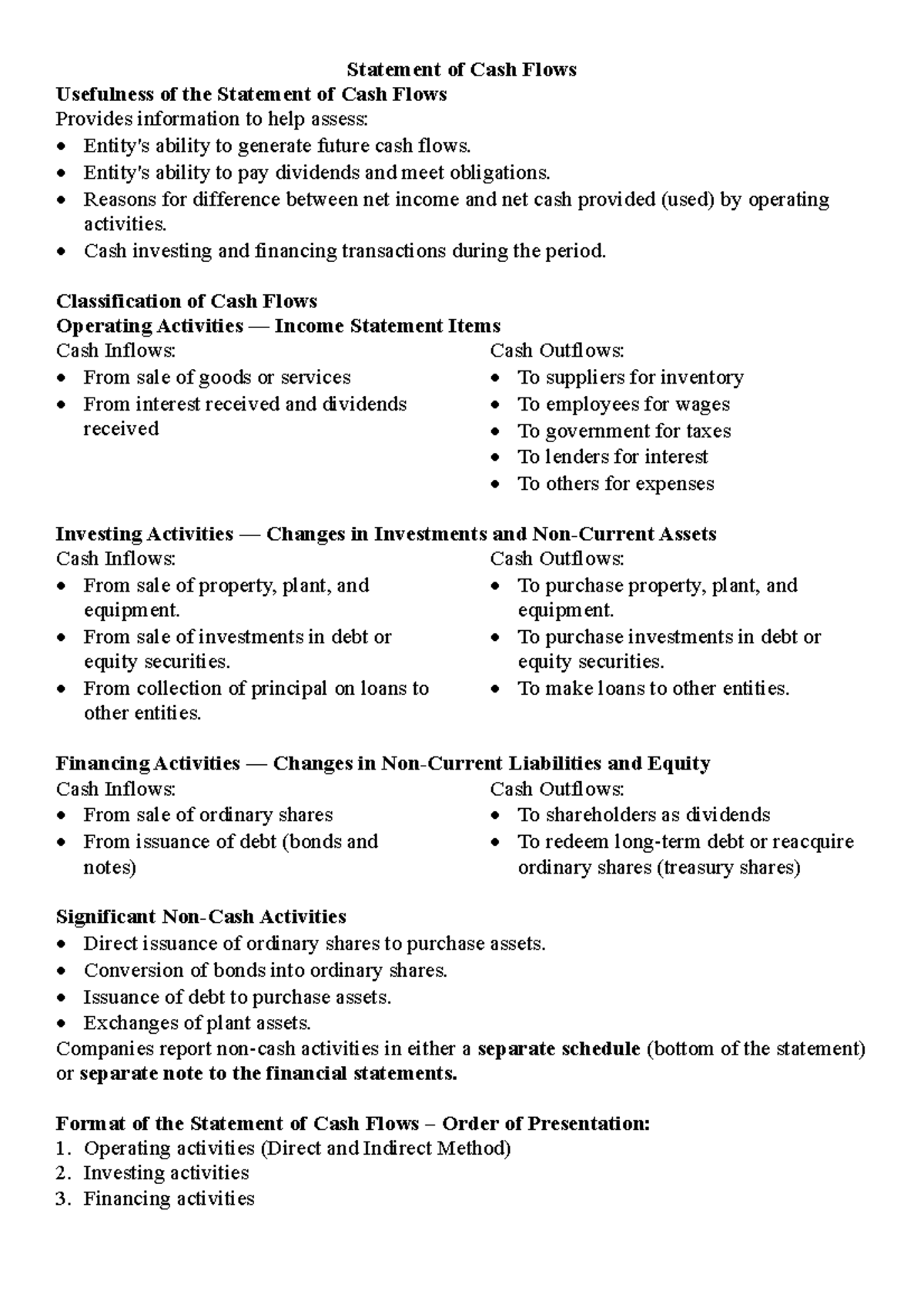
The cash flow statement acts as a dynamic record. It identifies where your money comes from and exactly where it goes. For individuals, this often centers on salary, side income, and recurring expenses like housing or debt service. For businesses, it categorizes activities into operating, investing, and financing segments. The primary objective is to ensure that your inflows meet your obligations, preventing the "cash crunch" that occurs even when an entity is technically profitable on paper.
Conversely, the net worth statement—often called a Statement of Financial Position or a Personal Balance Sheet—functions as a diagnostic tool. It is not interested in the "flow" of money over a month or a year; instead, it looks at the aggregate value of everything you own and subtracts everything you owe. It is the ultimate metric for measuring progress toward long-term goals, such as retirement readiness, mortgage equity, or corporate stability.
The Mechanics of the Cash Flow Statement
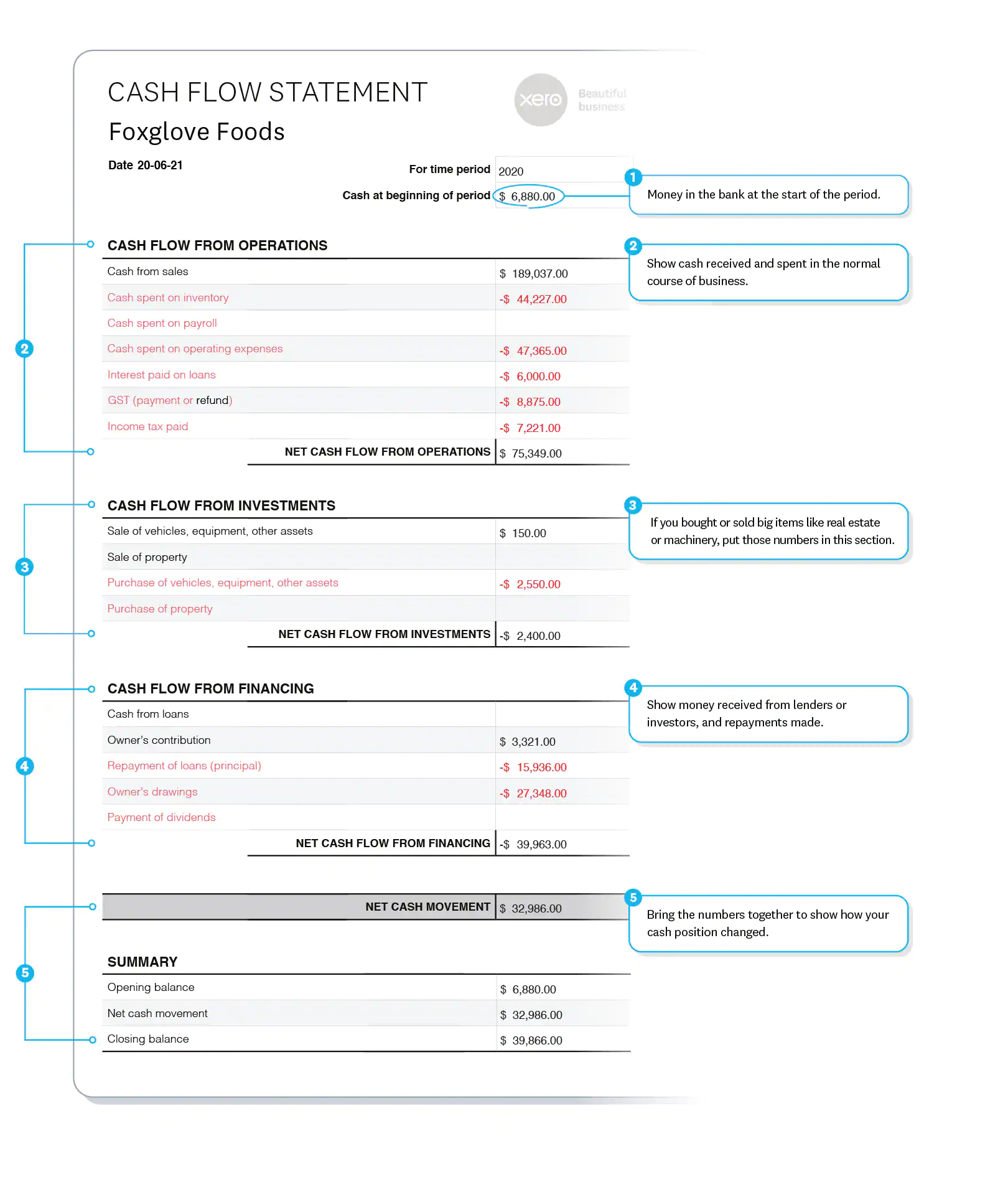
The cash flow statement is a temporal document. It documents transactions occurring within a defined interval, such as a fiscal quarter or a calendar month. To build this statement, you must categorize your financial activity:
- Cash Inflows (Receipts): This includes all sources of revenue—salaries, dividends, interest, or business sales.
- Cash Outflows (Disbursements): This covers all expenses. It is crucial to distinguish between fixed expenses (rent, insurance, loan installments) and variable expenses (discretionary spending, entertainment, maintenance).
- Net Cash Flow: This is the residual amount calculated by subtracting total outflows from total inflows. A positive number indicates a surplus, which can be deployed into savings or investments. A negative number suggests an over-leveraged position that requires immediate intervention.
The Mechanics of the Net Worth Statement
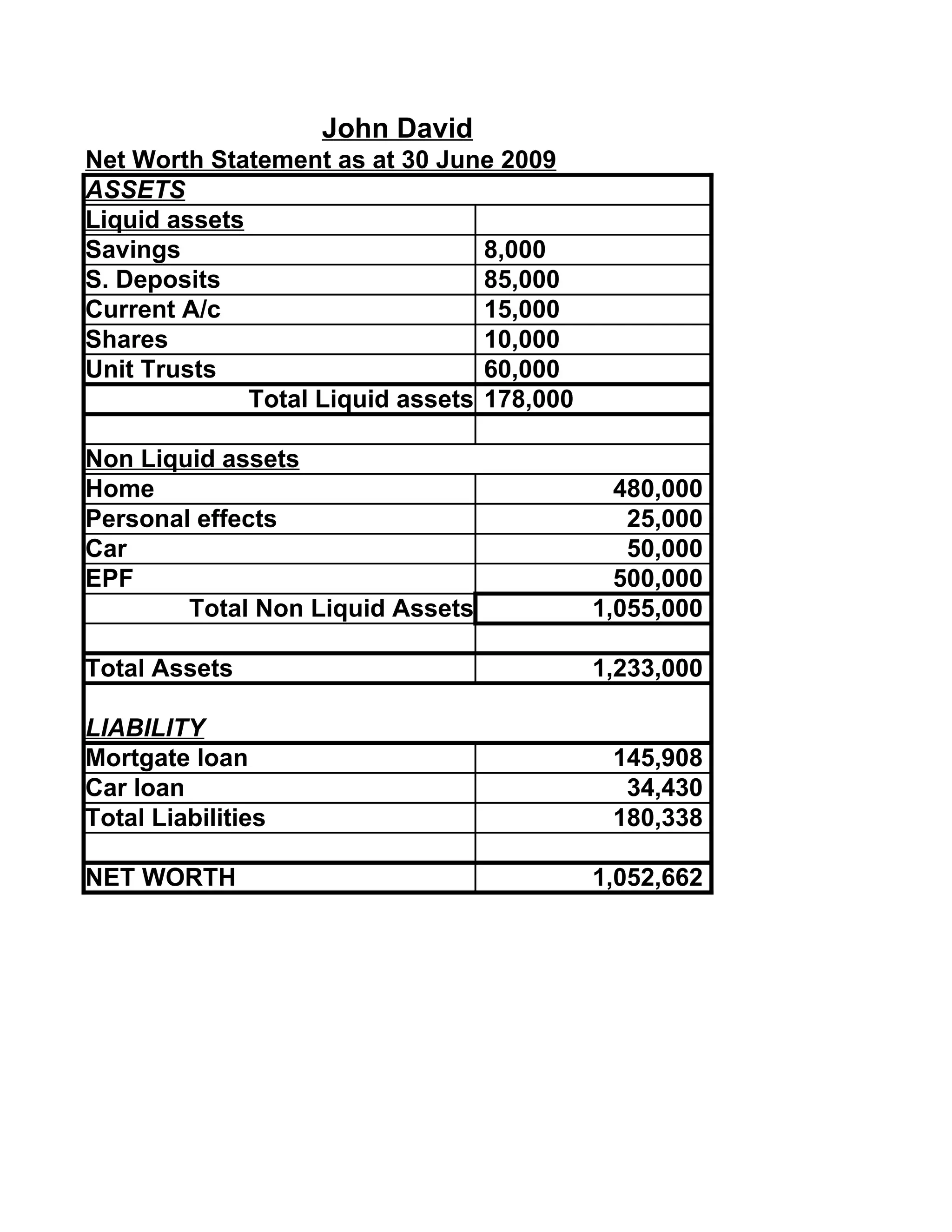
The net worth statement is a static equilibrium equation. Its structure is governed by the fundamental accounting identity: Assets - Liabilities = Net Worth.
- Assets: These are items of value you possess. In personal finance, this includes cash equivalents, brokerage accounts, real estate equity, and personal property (like vehicles or jewelry). In business, it includes inventory, accounts receivable, and physical plant equipment.
- Liabilities: These are your financial obligations to third parties. This category encompasses credit card debt, personal loans, mortgages, and any outstanding taxes or unpaid invoices.
- Net Worth (Equity): This is the net result. If your assets exceed your liabilities, you have positive net worth. If your liabilities are greater, you have negative net worth, often referred to as being "underwater."
Comparative Overview: Key Differences
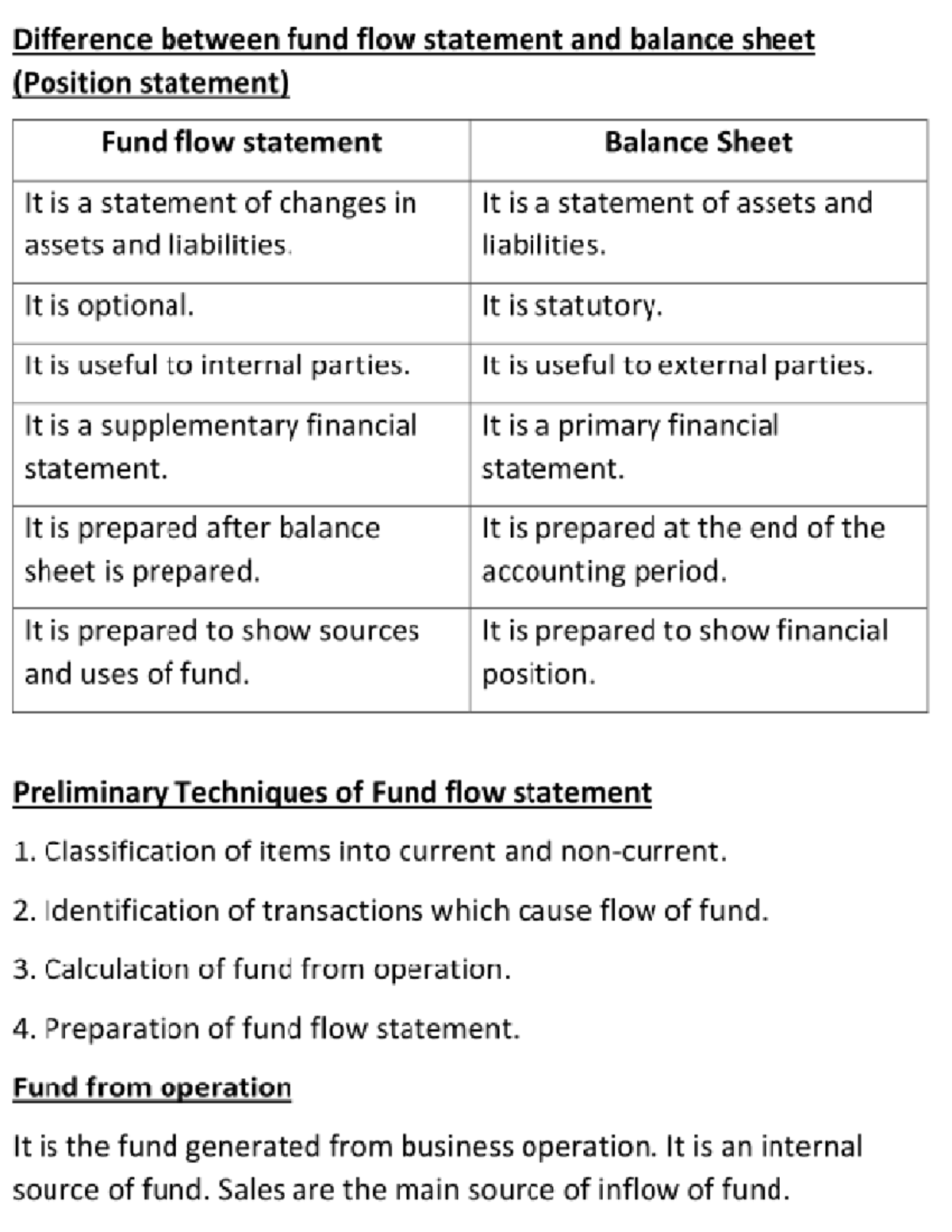
| Feature | Cash Flow Statement | Net Worth Statement |
|---|---|---|
| Time Horizon | Periodical (e.g., Monthly/Annual) | Snapshot (Point-in-time) |
| Primary Focus | Liquidity and Spending Habits | Solvency and Total Wealth |
| Dynamic Component | Tracks movement of funds | Tracks status of holdings |
| Indicator of Health | Survival and operational capability | Long-term accumulation of value |
| Common Use | Budgeting and expense management | Investment planning and debt reduction |
Why You Need Both for Financial Decisions
A common mistake in financial management is over-focusing on one statement at the expense of the other. For example, an individual might have high cash flow (high salary) but negative net worth due to excessive consumer debt. Conversely, a retiree might have very little cash flow but a significant, positive net worth locked in real estate or retirement accounts.
If you only look at cash flow, you might feel wealthy because your salary covers your bills, ignoring the fact that you are failing to save for the future. If you only look at net worth, you might ignore a liquidity crisis, where you are technically wealthy on paper but lack the actual cash to cover immediate, short-term debt obligations. By reconciling both, you can identify if your current lifestyle is truly sustainable or if your assets are being leveraged effectively to create future income.
Common Pitfalls and Troubleshooting
When managing these documents, accuracy is paramount. A recurring error is the misclassification of debt payments. In a cash flow statement, a loan payment usually consists of both principal and interest; only the interest is typically viewed as an "expense" in formal accounting, while the principal reduction improves your net worth.
Another frequent issue is the failure to adjust asset values. While cash stays constant, other assets like vehicles or real estate fluctuate in market value. A net worth statement should be updated periodically—at least annually—to reflect fair market value rather than original purchase price. If you find your cash flow is consistently positive but your net worth remains stagnant, you are likely failing to convert your surplus cash into appreciating assets, or your liabilities are increasing at the same rate as your savings.
Professional Guidance and Limitations
This guide provides an educational overview of financial reporting concepts. It is not financial, tax, or legal advice. Because individual financial circumstances vary based on jurisdictional tax laws, investment profiles, and debt structures, consulting with a qualified financial planner or accountant is recommended before making significant decisions. They can help you verify your calculations and integrate these statements into a broader, holistic wealth strategy.
Frequently Asked Questions
How often should I prepare a net worth statement? Most individuals benefit from updating their net worth statement annually. However, if you are undergoing significant life changes—such as purchasing a home, starting a business, or retiring—quarterly updates are more appropriate to capture the impact of these events on your solvency.
Does a positive cash flow always mean I am building wealth? Not necessarily. Positive cash flow means you are spending less than you earn, which is a prerequisite for building wealth. However, if that surplus cash is not being invested in income-generating or appreciating assets, it may lose purchasing power over time due to inflation.
Why is my net worth decreasing even though my income increased? This typically happens when your liabilities increase faster than your assets. If you used your increased income to purchase depreciating items on credit, your total debt may have outpaced your asset growth, resulting in a lower net worth despite higher earnings.
Should I include household goods in my net worth statement? You can, but it is often more practical to exclude them or carry them at a conservative, depreciated value. Household goods like furniture and clothing are generally illiquid and rarely appreciate in value; focusing on investment-grade assets provides a more realistic picture of your financial independence.
How does debt consolidation affect these statements? Debt consolidation changes the structure of your liabilities on the net worth statement (e.g., many small debts becoming one large loan) and alters your monthly cash flow by changing your interest rate and payment term. It is a common strategy to simplify cash flow management while attempting to lower interest expenses.
Next Steps for Your Financial Plan
Begin your process by pulling your current bank statements and credit reports to draft a rudimentary net worth statement. Once you have a clear picture of your current standing, track your income and expenses for the next 30 days to build a baseline cash flow statement. Use these documents to identify one area where you can reduce unnecessary spending, then re-evaluate your net worth goal for the end of 2026. Consistent tracking is the most reliable way to ensure your financial behavior aligns with your long-term objectives.
Image Gallery