The Evolving Story of Papa John Young: A Business Legacy in Context
The story of "Papa John" John H. Schnatter is a multi-decade narrative defined by the rapid rise of a pizza delivery startup into a global franchise, followed by a period of significant brand distancing and institutional transition. As...
The story of "Papa John" John H. Schnatter is a multi-decade narrative defined by the rapid rise of a pizza delivery startup into a global franchise, followed by a period of significant brand distancing and institutional transition. As of 2026, the brand identity of Papa Johns International, Inc. has largely moved toward a corporate-managed model, marking a permanent shift from the founder-led culture that defined its early development.
Contents
The Foundations of a Pizza Empire
John Schnatter’s entry into the pizza industry began in 1984 in the back of his father’s tavern, Mick’s Lounge, in Jeffersonville, Indiana. The core proposition of his business model was simple yet disruptive for the time: focusing on high-quality ingredients and a dedicated delivery system. By selling his 1971 Chevrolet Camaro to help fund the initial business, Schnatter created a founding myth that became central to the company’s marketing—a story of grassroots entrepreneurship and commitment to "Better Ingredients, Better Pizza."
Throughout the 1990s and 2000s, the company grew rapidly, leveraging an aggressive franchising model and an emphasis on technical consistency. The brand’s expansion relied heavily on standardized operational procedures, which allowed Papa Johns to replicate its product quality across thousands of locations. During this growth phase, Schnatter served as the primary face of the company, appearing in television advertisements that solidified the association between the individual and the product.
The Turning Point and Corporate Transition
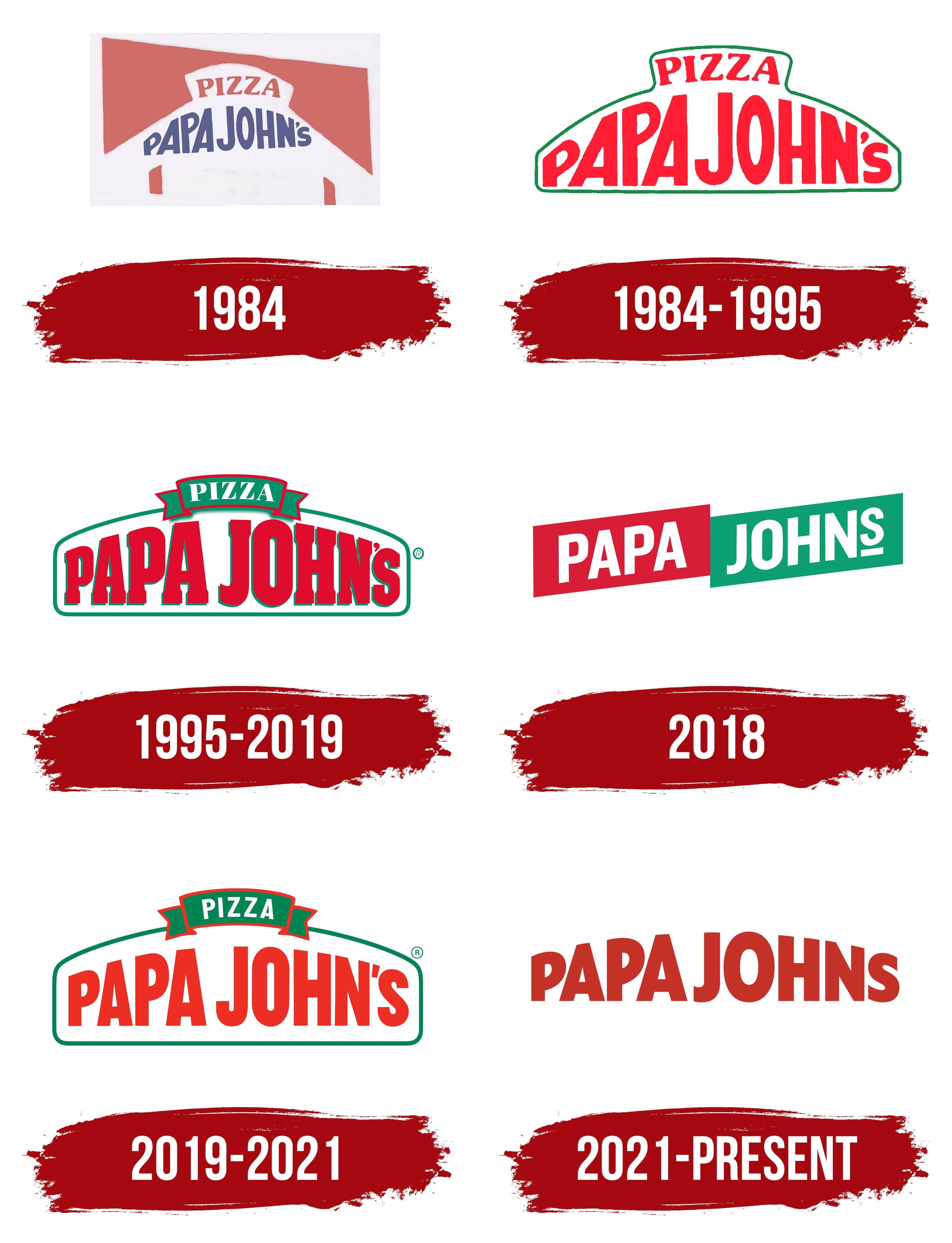
The "evolving story" of Papa John Young, or rather the founder John Schnatter, shifted drastically between 2017 and 2019. In late 2017, Schnatter stepped down as CEO following controversial comments regarding the National Football League's handling of player protests, which drew significant public backlash and criticism from shareholders. The company subsequently removed his image from its marketing materials and branding, initiating a process of brand detoxification.
By 2019, following further reports regarding inappropriate language used during a conference call, Schnatter resigned as chairman of the board. This period marked the end of his direct operational and strategic control over the organization. For the company, this was a necessary pivot to ensure the longevity of the brand, leading to a complete restructuring of its leadership team, including the appointment of new executives tasked with rebranding the chain as an inclusive, modern quick-service restaurant (QSR).
Papa Johns International in 2026
As of 2026, Papa Johns operates as a publicly traded entity focused on digital transformation and global market penetration. The "evolving story" has effectively bifurcated: the historical figure of the founder remains a subject of business history and academic study regarding leadership, while the corporation functions as an independent entity operating under a modern management structure.
The company has invested heavily in artificial intelligence for supply chain management and a robust loyalty program, moving away from the founder-centric advertising of the past toward a data-driven marketing strategy. The current operational environment prioritizes environmental, social, and governance (ESG) metrics, which contrast sharply with the founder-led era.
Comparative Evolution of the Papa Johns Brand
| Era | Focus | Primary Branding | Leadership Style |
|---|---|---|---|
| 1984–2010 | Expansion & Quality | Founder-centric | Autocratic/Entrepreneurial |
| 2011–2017 | Global Scaling | Persona-driven | Founder-led/Public Face |
| 2018–2026 | Stabilization & Tech | Corporate/Product-focused | Professional Management |
Understanding the Business Impact
The departure of a founder in such a public manner provides a case study in corporate risk management. When a brand is synonymous with a single individual, the organization inherits all personal risks associated with that person. For Papa Johns, the decision to decouple the brand from the individual was an attempt to protect the enterprise value of the thousands of franchisees who relied on the brand’s reputation.
Strategic Considerations for Franchisees
For small business owners operating under the Papa Johns banner, the transition period involved navigating public perception shifts. The primary operational changes included:
- Marketing Alignment: Rapid removal of outdated store signage and regional advertising that featured the founder.
- Operational Standardization: Increased reliance on corporate-provided technology and centralized digital ordering systems to maintain customer trust.
- Institutional Stability: Shift in focus toward long-term franchise health, characterized by corporate support programs designed to mitigate the volatility caused by the headline-driven events of the late 2010s.
Navigating the Legacy
For those researching the history of the company, it is essential to distinguish between the individual's personal trajectory and the company's fiscal performance. While the two were historically intertwined, they have become distinct entities in the eyes of investors and the public.
The primary lesson from this evolution is the fragility of "personal brand" marketing in the modern era. When a company chooses a specific individual as the sole identity of its product, the brand's equity becomes sensitive to that person’s personal conduct and public statements. Modern corporate strategy at Papa Johns now emphasizes brand-wide initiatives, such as the "Pizza with a Purpose" platform, to prevent the recurrence of reliance on a single public figure.
Frequently Asked Questions
1. Is John Schnatter still involved with Papa Johns? No, John Schnatter resigned from the board of directors in 2019 and holds no official operational or decision-making role within the company. He is no longer the face of the brand, and all formal ties were severed during the transition period.
2. Why did the company remove the founder from its marketing? The company removed the founder from its marketing and branding as a direct response to public backlash and internal policy reviews following controversial comments made by Schnatter. The rebranding was intended to align the company with contemporary corporate values and restore consumer trust.
3. Does the company still use the "Better Ingredients" slogan? Yes, the "Better Ingredients, Better Pizza" trademark remains a core component of the company’s identity. However, the application of this slogan has evolved from a founder-endorsed promise to a corporate-mandated standard of quality control and supply chain management.
4. How has the company changed its digital strategy since 2020? The company has transitioned toward a "digital-first" strategy, investing in app-based ordering, loyalty incentives, and AI-driven predictive analytics to manage ingredient sourcing and delivery logistics. This shift aims to minimize human error and increase operational efficiency across thousands of global locations.
5. What is the status of the founder’s shares in the company? While he has significantly reduced his holdings over the years, the founder’s historical stake in the company was a matter of public financial record. For the most current information on major shareholders, one should consult the company’s most recent SEC filings (Form 10-K).
Next Actions and Further Research
For those looking to gain a deeper understanding of this transition, the best approach is to examine primary source documents rather than secondary commentary.
- Review Corporate Filings: Consult the U.S. Securities and Exchange Commission (SEC) EDGAR database to access the company's historical 10-K and 8-K filings from 2017–2019. These documents provide the legal and official record of the board's decisions during the leadership transition.
- Analyze Brand Guidelines: Review official company press releases from 2019 onward to understand the internal messaging used to shift the brand identity.
- Consult Industry Reports: Use trade publications in the QSR sector to analyze how the company’s stock performance and consumer sentiment metrics moved during the post-founder restructuring phase.
Image Gallery