Understanding the Market: What Is the Price of Scrap Steel per Ton?
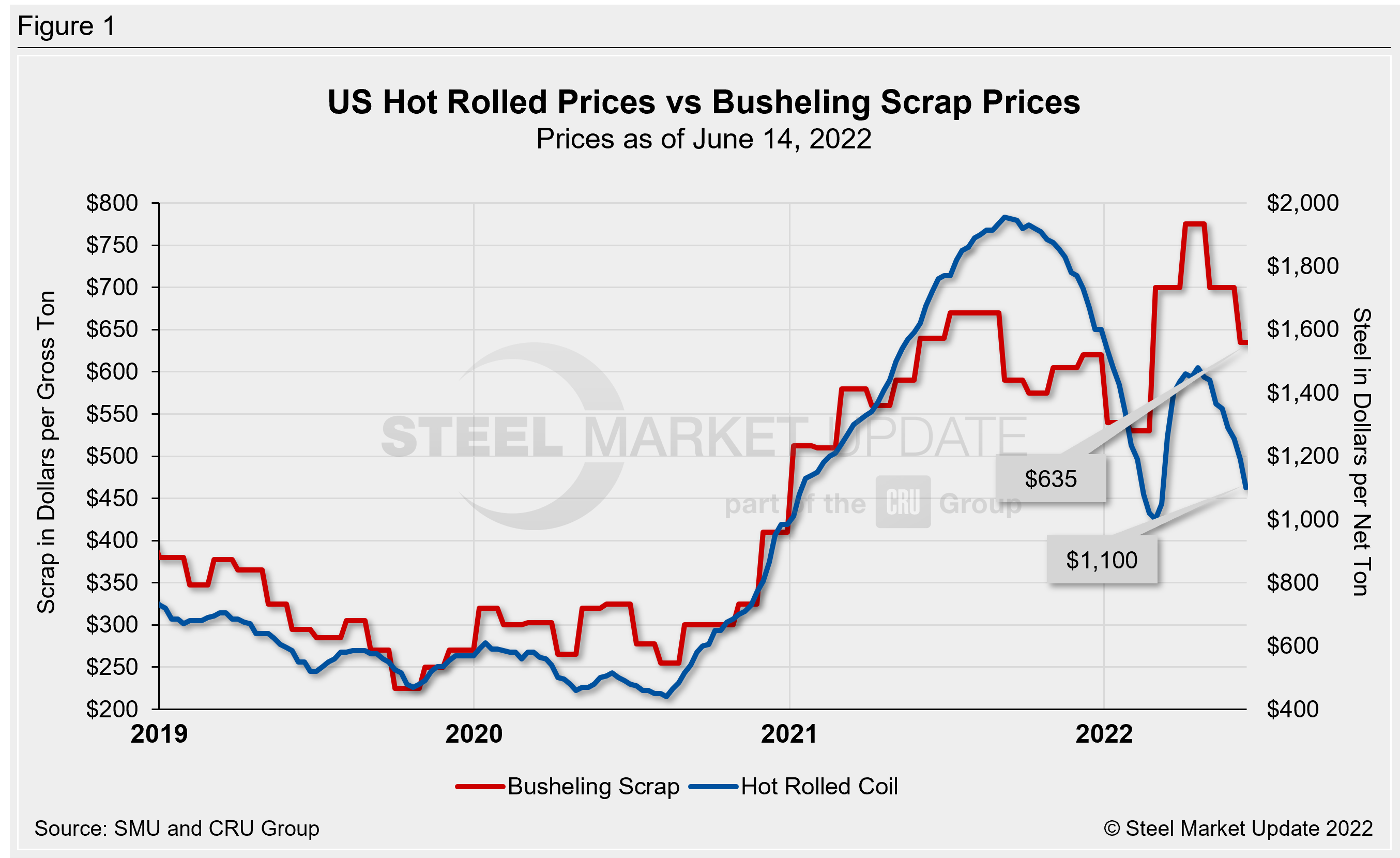
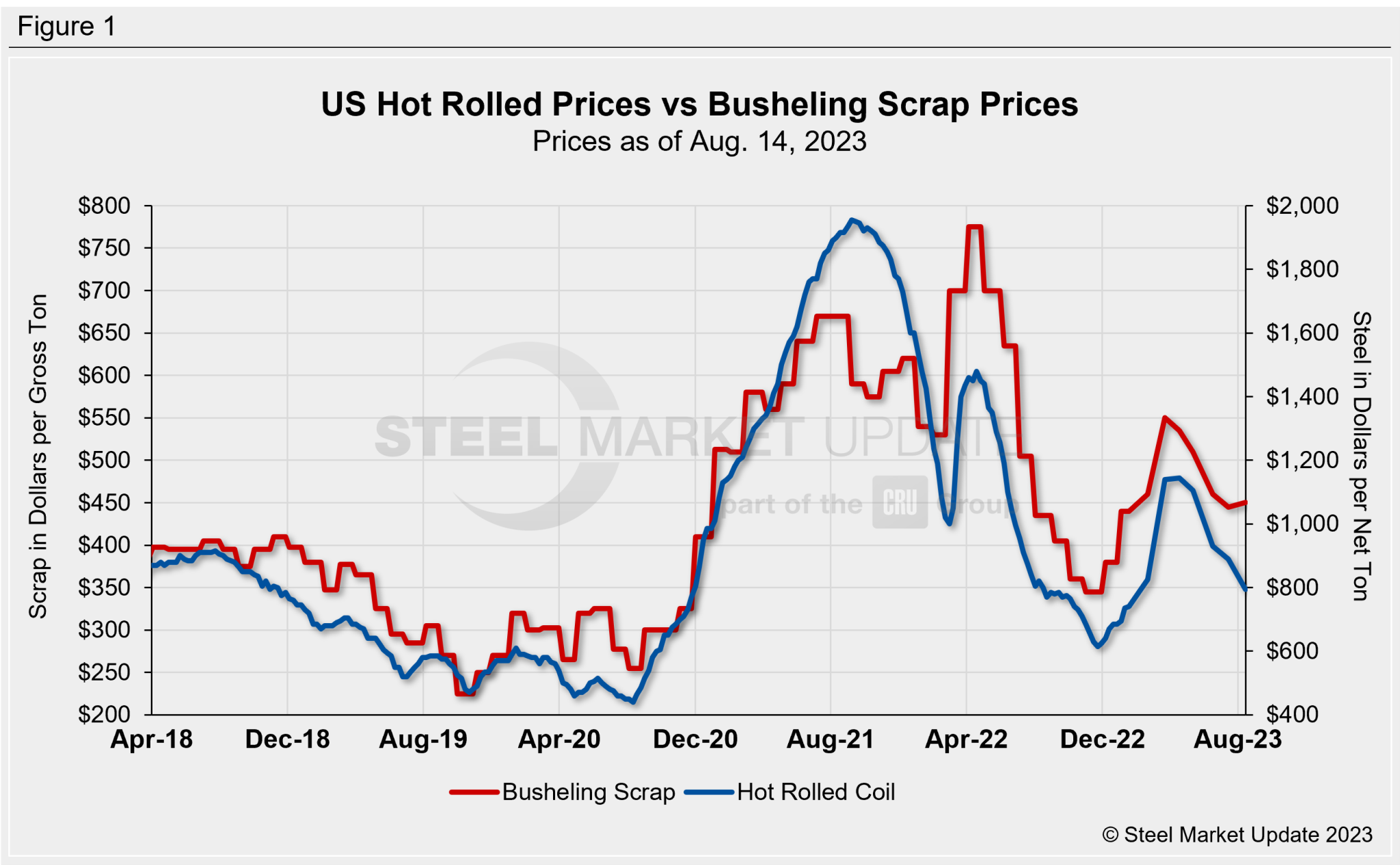
The price of scrap steel is not a fixed universal value; it fluctuates constantly based on regional supply, local demand from mills, international trade policies, and the specific grade of metal being recycled. In 2026, prices generall...
The price of scrap steel is not a fixed universal value; it fluctuates constantly based on regional supply, local demand from mills, international trade policies, and the specific grade of metal being recycled. In 2026, prices generally range from $100 to $350 per gross ton depending on whether the material is processed, sorted, or raw "unsorted" steel.
Contents
The Dynamics of Steel Pricing
Unlike precious metals, which are traded on global commodities exchanges with highly transparent, minute-by-minute pricing, scrap steel is a commodity driven by industrial logistics. The price you receive or pay per ton is ultimately determined by what a steel mill or a foundry is willing to pay for your specific collection of ferrous metal.
Because steel is heavy and bulky, transportation costs represent a significant portion of its final value. If you are located far from a major recycling center or a steel mill, the price per ton is often reduced to cover the logistical overhead of shipping. Conversely, areas with high industrial output and multiple recycling facilities often see more competitive pricing due to regional market density.
Factors That Influence Scrap Steel Values
To understand why pricing fluctuates, it is necessary to look at the factors that dictate the health of the ferrous metal market. These variables shift daily, and experienced scrap collectors and business owners track them to time their sales effectively.
1. Material Grading
Not all scrap steel is created equal. Mills require specific chemical compositions to produce new steel. Contaminants like plastic, wood, rubber, or non-ferrous metals (like copper or aluminum) lower the value of a load significantly.
- Prepared Steel: This refers to scrap that has been cut to specific dimensions, usually under 3 feet by 5 feet, and is free of attachments. It is ready for the furnace and fetches the highest price.
- Unprepared Steel: This includes oversized items, such as large beams or machinery, that require the recycling yard to perform additional labor to cut or process them.
- Light Iron/Sheet Metal: Items like appliances, car bodies, or siding are considered low-density scrap. These generally command the lowest prices because they take up more space in shipping containers and require heavy-duty shredding before they can be melted.
2. Global Supply and Demand
The price of scrap steel is a bellwether for the global economy. When construction projects are booming, the demand for "rebar" and structural steel increases, pulling the price of scrap upward. When the automotive or manufacturing sectors slow down, demand for new steel drops, leading to a surplus of scrap and a subsequent decline in prices.
3. Proximity to Foundries
Steel mills are energy-intensive operations. The cost of electricity and the logistics of moving thousands of tons of metal mean that mills prefer to source scrap from local or regional suppliers. If your region has a surplus of scrap but few processing mills, the price per ton will inevitably be lower due to the cost of transport to the nearest processing hub.
Typical Scrap Steel Classifications
When visiting a scrapyard or dealing with a recycling company, you will likely encounter specific terminology. Understanding these terms helps in obtaining accurate quotes.
| Grade Category | Description | Processing Needs | Relative Value |
|---|---|---|---|
| HMS 1 & 2 | Heavy Melting Steel (structural) | Minimal | Highest |
| Busheling | Clean industrial steel scrap | None | High |
| Shredded Auto | Recycled vehicle bodies | High-intensity | Moderate |
| Light Iron | Appliances, tin, siding | Low/None | Lowest |
Preparing Your Scrap for Maximum Return
If you are looking to maximize the return on a scrap steel shipment, preparation is the most effective tool at your disposal. Scrapyards pay for value, and value is defined by how easily the material can be processed.
- Segregation: The most common mistake is mixing different types of metals. If you have copper pipes mixed with steel, the yard may classify the entire load as the lowest common denominator—or reject the load entirely due to contamination. Separate your steel from your aluminum, brass, and copper.
- Removing Non-Metallic Contaminants: Remove rubber hoses, plastic casings, or wooden handles from your metal. A load of "clean" steel is always more valuable than a load of "dirty" steel that requires labor to clean.
- Volume and Consistency: Yards prefer consistent, large-volume deliveries. If you have a continuous stream of material, you can often negotiate a "gate rate" that is higher than the spot price offered to casual, one-time sellers.
- Check the Weighing Process: Always ensure you are dealing with a certified scale. In 2026, most reputable yards use computerized, weight-ticketed systems. If you have a large load, ask to witness the weighing process to verify the tare and gross weights.
Risks and Safety Considerations
Scrap metal handling involves significant physical risk. Heavy, sharp-edged objects can cause serious injury. When moving large volumes of steel, ensure you are using proper Personal Protective Equipment (PPE), including heavy-duty gloves, steel-toed boots, and eye protection.
Furthermore, be aware of environmental regulations. Some scrap, particularly older appliances or machinery, may contain residual hazardous materials like oils, refrigerants, or capacitors. Responsible recycling yards have strict protocols for these items. Attempting to hide or misrepresent these materials can result in heavy fines or being banned from the facility.
Frequently Asked Questions
How can I find the daily price of scrap in my area? Most local recycling facilities do not publish their prices online because they change daily. The best approach is to call the facility directly or check their official website. You can also utilize national indices like the American Metal Market, though these are often reflective of large-scale wholesale contracts rather than retail yard pricing.
Does the price differ between residential and commercial sellers? Yes. Commercial accounts that generate consistent, high volumes of sorted, clean scrap are typically offered higher contract pricing. Residential sellers or small-time scrappers are usually paid the "retail" or "spot" rate, which is lower because of the increased labor required to sort and manage smaller, unverified loads.
Is it worth it to strip steel items before taking them to the yard? Only if the removal of the non-steel component (like an electric motor or a copper wire bundle) increases the value of the remaining steel or allows you to sell the removed component as a higher-value item. If the labor time exceeds the monetary gain, it is generally not worth it.
Why does my local yard pay less than what I see on the news? National or international news reports represent wholesale prices for bulk industrial quantities of processed scrap. Your local yard is a middleman that must cover the costs of labor, electricity, heavy machinery maintenance, environmental compliance, and transportation, all of which are deducted from the raw commodity price.
Final Recommendation
To get the most accurate answer for your specific situation, contact three local scrapyards in your region. Ask for their current "gate price" for the specific grade of steel you possess. Keep in mind that for small quantities, the cost of fuel to transport the steel may exceed the value of the metal itself. Always prioritize safety and regulatory compliance when collecting or transporting industrial materials.
Image Gallery