How to File for Bankruptcy in Arkansas: A Step-by-Step Legal Guide
Filing for bankruptcy in Arkansas involves submitting a formal petition to the U.S. Bankruptcy Court for either the Eastern or Western District. To succeed, you must complete mandatory credit counseling, pass a means test to determine...
Filing for bankruptcy in Arkansas involves submitting a formal petition to the U.S. Bankruptcy Court for either the Eastern or Western District. To succeed, you must complete mandatory credit counseling, pass a means test to determine eligibility for Chapter 7 or Chapter 13, and decide whether to use state or federal property exemptions to protect your assets.
Contents
Bankruptcy is a federal legal process designed to help individuals and businesses eliminate or repay their debts under the protection of the bankruptcy court. In Arkansas, the process is governed by the U.S. Bankruptcy Code, but specific state laws dictate which assets you can keep. As of 2026, the economic landscape has made these protections vital for residents facing overwhelming medical bills, credit card debt, or foreclosure.
Determining Which Type of Bankruptcy Fits Your Situation
Before filing any paperwork, you must identify which "Chapter" of the Bankruptcy Code applies to your financial situation. The two most common options for individuals in Arkansas are Chapter 7 and Chapter 13.
Chapter 7: Liquidation Bankruptcy
Chapter 7 is often referred to as "straight bankruptcy." It is designed to discharge most unsecured debts, such as credit card balances and medical bills, in exchange for giving up non-exempt property. In Arkansas, most Chapter 7 cases are "no-asset" cases, meaning the debtor’s property is fully protected by exemptions, and they lose nothing. The entire process typically takes four to six months.
Chapter 13: Reorganization Bankruptcy
Chapter 13 is for individuals with a steady income who want to keep their property, such as a home facing foreclosure or a vehicle facing repossession. Instead of liquidating assets, you propose a three-to-five-year repayment plan to pay back all or a portion of your debts. This is often the preferred choice for Arkansans who earn too much to qualify for Chapter 7 or who have significant equity in their homes that exceeds state exemption limits.
The Arkansas Means Test and Eligibility Requirements
To file for Chapter 7 bankruptcy in 2026, you must pass the Means Test. This test ensures that only those who truly cannot afford to repay their debts receive a discharge.
- Median Income Comparison: The first step is comparing your household’s gross income over the last six months to the median income for a household of the same size in Arkansas. If your income is below the state median, you automatically qualify to file for Chapter 7.
- Calculated Disposable Income: If your income exceeds the Arkansas median, you must complete the second part of the test. This involves subtracting allowed expenses (based on both actual costs and national standards) from your gross income. If your remaining "disposable income" is low enough, you may still qualify for Chapter 7. If it is too high, the court may require you to file for Chapter 13.
Mandatory Pre-Filing Credit Counseling
Under federal law, every individual filer in Arkansas must complete a credit counseling briefing within the 180 days before filing their bankruptcy petition. This session must be conducted by an agency approved by the U.S. Trustee Program.
The goal of this counseling is to determine if there is a viable way to manage your debt without filing for bankruptcy. Most agencies offer these sessions online or over the phone for a small fee (typically between $20 and $50). Once completed, the agency will issue a certificate that must be filed with your bankruptcy petition. Failure to file this certificate can lead to the immediate dismissal of your case.
Arkansas Bankruptcy Exemptions: Protecting Your Assets
One of the most critical decisions you will make when filing in Arkansas is choosing between State Exemptions and Federal Exemptions. Arkansas is one of the few states that allows residents to choose either the state-specific list of protections or the federal list. You cannot "mix and match" from both lists; you must choose one entire set.
The Arkansas State Exemptions
Arkansas state exemptions are unique and rooted in the state’s constitution.
- Homestead Exemption: Arkansas offers a robust homestead exemption. For residents living on a quarter-acre or less in a city, or up to 160 acres in rural areas, the equity in the home may be fully exempt, provided the value does not exceed certain limits based on marital status. Specifically, the Arkansas Constitution (Article 9) provides protection for the "head of a family."
- Personal Property: The state provides a "wildcard" exemption of sorts. An individual can protect up to $200 in personal property (plus clothing), while a head of household can protect up to $500.
- Wages: Arkansas law generally protects 75% of your earned but unpaid wages.
The Federal Exemptions
In 2026, many Arkansans choose the federal exemptions because they often provide higher dollar limits for personal property, such as vehicles and household goods, compared to the state’s $200/$500 personal property limits. Federal exemptions also include a significant "wildcard" exemption that can be applied to any asset, which is useful for protecting cash or tax refunds.
| Feature | Chapter 7 | Chapter 13 |
|---|---|---|
| Primary Goal | Liquidate unsecured debt quickly | Repay debt over 3-5 years |
| Duration | 4-6 Months | 36-60 Months |
| Eligibility | Must pass the Means Test | Must have steady income |
| Foreclosure | Stops it temporarily; doesn't cure defaults | Can stop foreclosure and pay back arrears |
| Asset Treatment | Non-exempt assets may be sold | You keep all assets but pay their value |
| Filing Fee (Approx.) | $338 | $313 |
Preparing the Bankruptcy Petition and Schedules
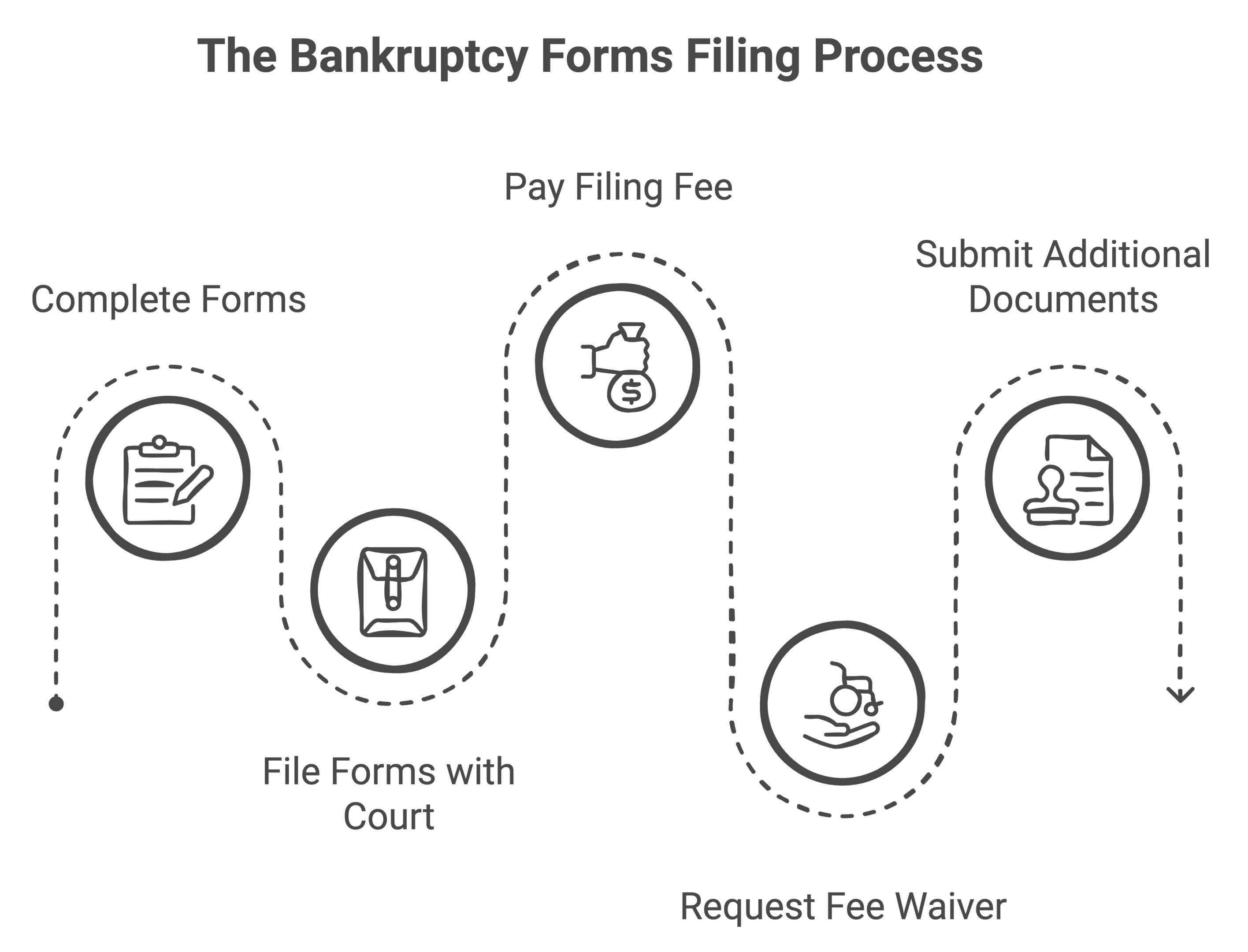
The actual filing process begins with a large packet of forms known as the Petition and Schedules. This documentation requires a comprehensive disclosure of your financial life.
- Schedule A/B: Lists all real estate and personal property.
- Schedule D: Lists secured creditors (e.g., mortgage and car loans).
- Schedules E/F: Lists unsecured creditors (e.g., medical bills, credit cards, taxes).
- Schedule I/J: Details your current monthly income and living expenses.
Accuracy is paramount. You are signing these documents under penalty of perjury. In Arkansas, the U.S. Bankruptcy Court requires that these forms be filed in the district where you have lived for the majority of the previous 180 days.
The Role of the Automatic Stay
Immediately upon filing your petition with the clerk of the court, an Automatic Stay goes into effect. This is a powerful legal injunction that halts most collection actions against you.
- Creditors cannot call or write to you.
- Wage garnishments must stop immediately.
- Foreclosure sales and vehicle repossessions are paused.
- Lawsuits related to debt collection are stayed.
If a creditor violates the automatic stay after being notified of your filing, they may be held in contempt of court and forced to pay damages.
The Meeting of Creditors (341 Meeting)
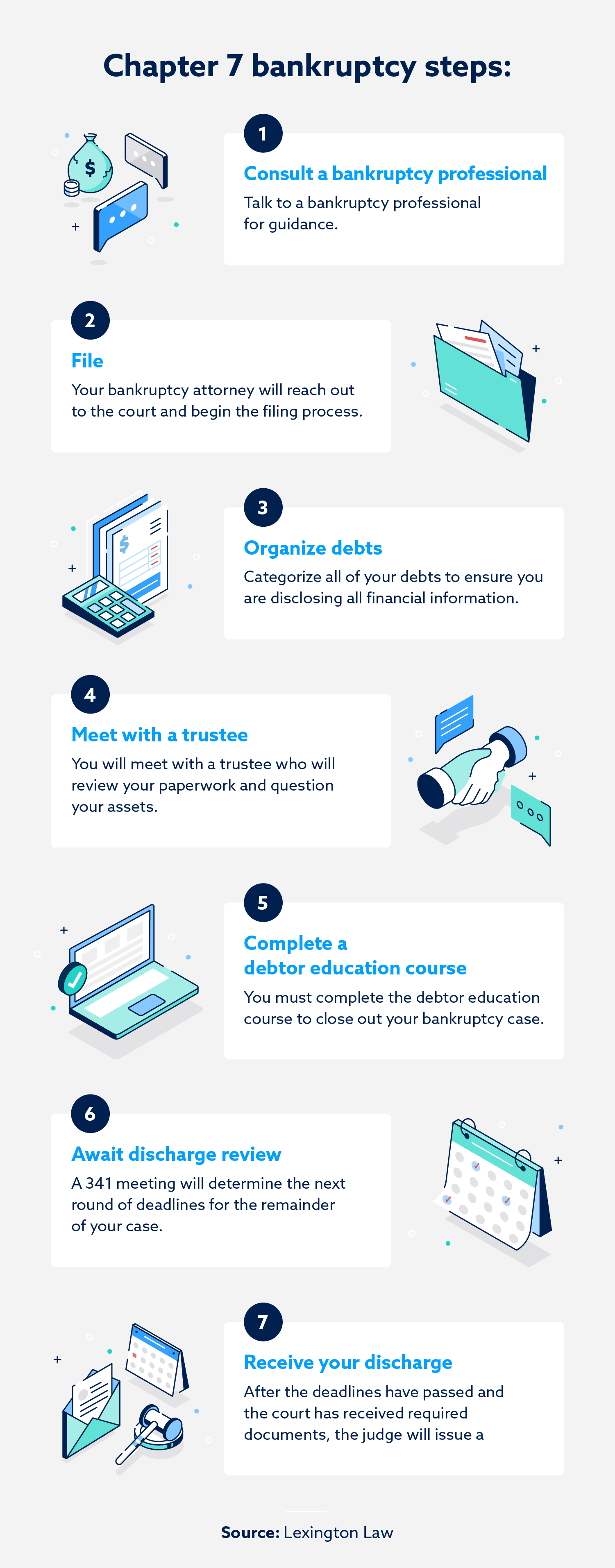
Approximately 21 to 40 days after filing, you will attend the Meeting of Creditors, also known as the "341 Meeting." Despite the name, creditors rarely attend these meetings in simple individual cases.
Instead, you will meet with the Bankruptcy Trustee assigned to your case. In 2026, many of these meetings in Arkansas are conducted via remote video or teleconference platforms, though some may still occur at federal courthouses in Little Rock, Fayetteville, or Fort Smith. The Trustee will place you under oath and ask questions about your schedules to ensure your information is accurate and that you are not hiding assets.
Post-Filing Debtor Education
Before you can receive a final discharge of your debts, you must complete a second educational course: the Financial Management Course. Like the pre-filing counseling, this must be through an approved provider. This course focuses on budgeting and the wise use of credit to help ensure you do not fall back into debt after your case is closed. You must file the certificate of completion with the court within 60 days of your 341 Meeting.
Receiving the Discharge Order
In a Chapter 7 case, the court typically issues the Discharge Order shortly after the deadline for creditors to object has passed (usually about 60-90 days after the 341 Meeting). The discharge is the legal document that permanently releases you from personal liability for the debts listed in your petition.
In a Chapter 13 case, the discharge is granted only after you have successfully completed all payments under your court-approved repayment plan.
Common Pitfalls and Troubleshooting
Filing for bankruptcy in Arkansas is a complex legal procedure. Small errors can lead to the loss of property or the dismissal of the case.
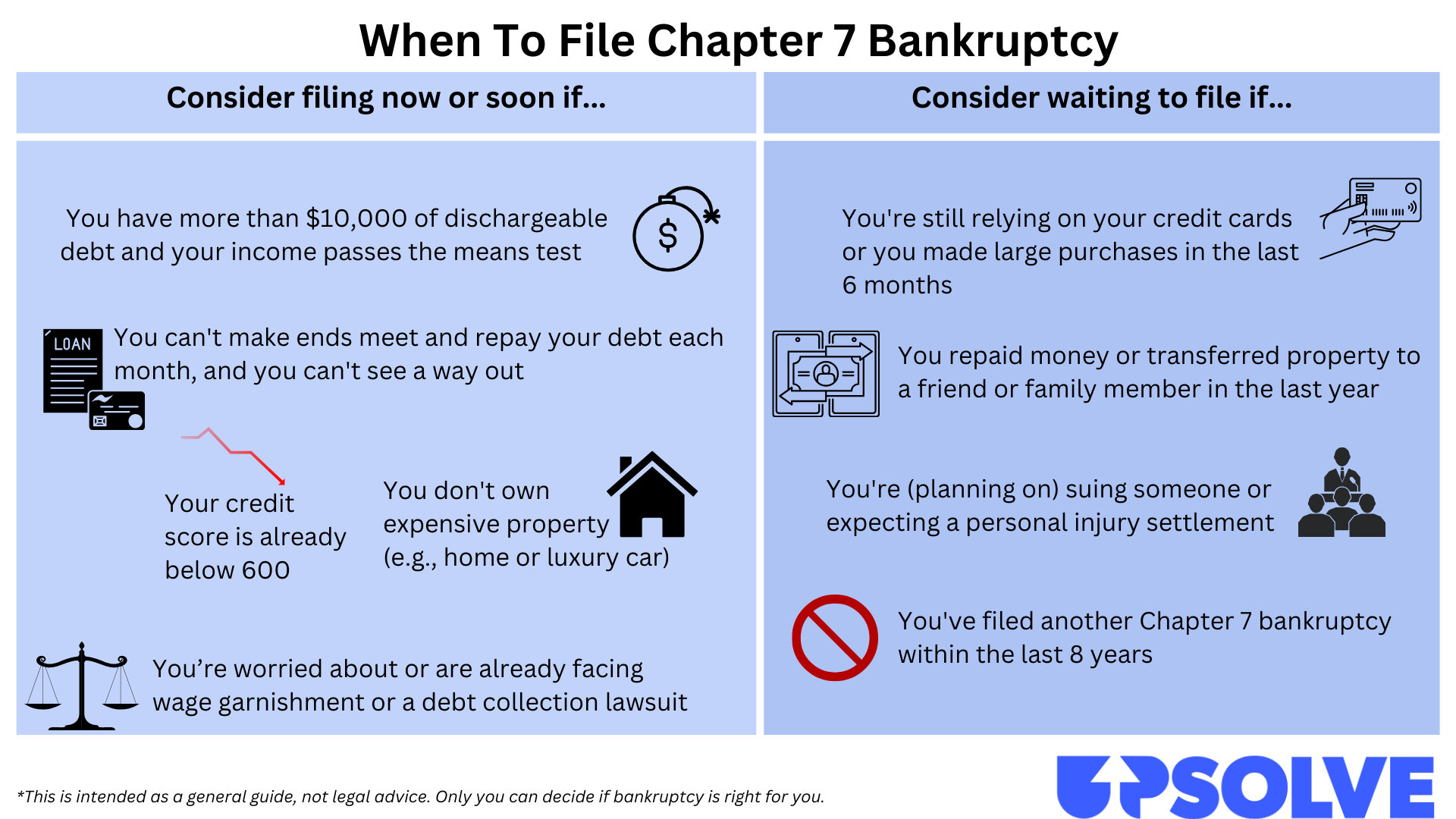
- Failure to Disclose Assets: If you omit property (like an inheritance you are entitled to or a pending personal injury lawsuit), the Trustee can seize the asset, and the court may deny your discharge.
- Preferential Transfers: If you paid back a loan to a family member shortly before filing, the Trustee may "claw back" those funds to distribute them fairly among all creditors.
- Improper Exemptions: Choosing the wrong exemption set (State vs. Federal) could leave your car or home unprotected.
Frequently Asked Questions
Can I keep my car if I file for bankruptcy in Arkansas?
Yes, in most cases. If you are current on your car payments and choose Chapter 7, you can usually "reaffirm" the debt and keep the vehicle. If you own the car outright, you must use your exemptions to protect its equity. In Chapter 13, you can often roll the remaining car balance into your repayment plan, sometimes at a lower interest rate.
How long does bankruptcy stay on my Arkansas credit report?
A Chapter 7 bankruptcy remains on your credit report for 10 years from the filing date. A Chapter 13 bankruptcy remains for seven years. However, you can begin rebuilding your credit almost immediately by practicing responsible financial habits.
Do I need a lawyer to file for bankruptcy in Arkansas?
While you are legally allowed to file "pro se" (on your own), the U.S. Courts strongly recommend hiring an attorney. Bankruptcy law involves intricate procedural rules and deadlines. Mistakes can be costly, potentially resulting in the loss of assets that could have been saved with professional guidance.
Which debts cannot be discharged in Arkansas?
Some debts are generally non-dischargeable under federal law, regardless of state. These include most student loans (unless you can prove "undue hardship"), recent tax debts, child support, alimony, and debts arising from fraud or certain criminal acts.
Where are the bankruptcy courts located in Arkansas?
Arkansas is split into two districts. The Eastern District has offices in Little Rock, while the Western District serves areas including Fayetteville, Fort Smith, Hot Springs, and Texarkana. Your filing location depends on which county you reside in.
Next Steps for Residents
If you are considering bankruptcy in 2026, start by gathering your last two years of tax returns, your pay stubs for the last six months, and a complete list of your debts. Consult with an Arkansas-based bankruptcy attorney to run a preliminary Means Test and determine whether the state or federal exemptions provide the best protection for your specific assets.
Image Gallery