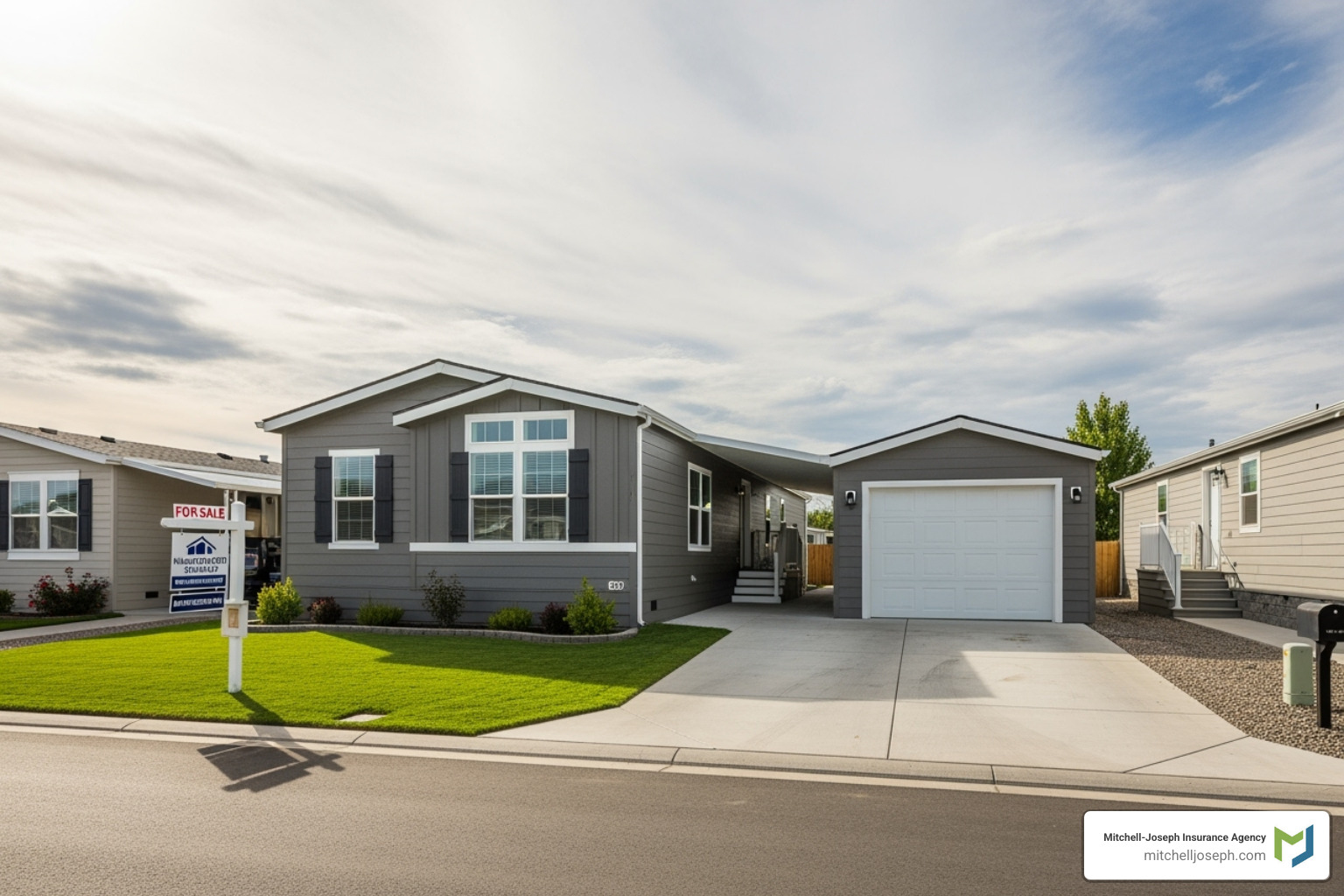
Finding the Cheapest Manufactured Home Insurance: Coverage, Costs, and Ways to Save
Securing the cheapest manufactured home insurance requires understanding how insurers evaluate risk for factory-built housing, which differs significantly from traditional stick-built properties. Because manufactured and mobile homes f...
Securing the cheapest manufactured home insurance requires understanding how insurers evaluate risk for factory-built housing, which differs significantly from traditional stick-built properties. Because manufactured and mobile homes face unique structural, placement, and wind-resistance vulnerabilities, finding affordable coverage involves comparing specialized policies, upgrading safety features, and selecting the right deductible levels.
Contents
Understanding Manufactured Home Insurance and Why It Differs
Manufactured home insurance—often referred to as an HO-7 policy or a specialized mobile home policy—is designed specifically for factory-built housing. Unlike standard homeowners insurance (HO-3 policies) built for site-constructed houses, manufactured home policies account for the unique construction materials, delivery methods, and foundation types common to modern manufactured housing.
Insurance carriers view manufactured homes through a distinct underwriting lens. Historically, older mobile homes built before the Department of Housing and Urban Development (HUD) established federal safety and construction standards in June 1976 faced higher risks of wind and fire damage. Consequently, finding coverage for pre-1976 models can be difficult and expensive. Modern manufactured homes built to HUD code feature robust steel chassis, engineered tie-down systems, and fire-resistant materials, making them much easier to insure at competitive rates.
When shopping for the cheapest manufactured home insurance, you must ensure the policy provides adequate protection without leaving dangerous coverage gaps. A cheap policy that excludes windstorm or liability protection can lead to catastrophic financial loss. The goal is to balance low premiums with comprehensive coverage that protects your physical dwelling, personal property, and liability exposure.
Key Factors That Influence Manufactured Home Insurance Costs
Insurance providers calculate manufactured home insurance premiums based on several distinct risk variables. Understanding these factors allows you to target the areas where you can make improvements to lower your overall costs.
Age and Construction Quality of the Home
The year your manufactured home was built is one of the primary pricing factors. Homes built under post-1976 HUD codes benefit from lower insurance rates because they must meet stringent federal standards for wind loads, thermal protection, and fire resistance. Double-wide and multi-section homes also tend to secure lower per-square-foot insurance rates than single-wide homes because they generally offer greater structural stability.
Location and Geographic Risk
Where your manufactured home is located heavily dictates your premium. Properties situated in regions prone to natural disasters—such as hurricane zones along the Gulf Coast, tornado alleys in the Midwest, or wildfire-risk areas in the West—will face significantly higher premiums. Furthermore, whether your home is located in a private rural setting or a managed land-lease community (mobile home park) can alter your rates. Communities often feature managed infrastructure, professional management, and safer proximity setups that some insurers view favorably.
Foundation and Anchoring Systems
How your manufactured home is secured to the ground directly impacts its vulnerability to high winds. Insurers look closely at your tie-downs, anchors, and permanent foundation systems. Homes resting on engineered perimeter foundations or upgraded permanent tie-down systems routinely qualify for cheaper insurance rates than those with basic, older anchoring setups.
Coverage Types: Actual Cash Value vs. Replacement Cost
The valuation method you choose for your policy drastically affects your monthly or annual premium:
- Actual Cash Value (ACV): This pays out the current market value of your home and belongings, factoring in depreciation. ACV policies are always cheaper upfront, but they may not provide enough funds to buy a new home if yours is destroyed.
- Replacement Cost Coverage (RCV): This pays the cost to repair or replace your home and possessions with new items of like kind and quality without deducting for depreciation. While RCV policies carry higher premiums, they offer true financial security.
Comparing Coverage Options for Manufactured Homes
To identify the most cost-effective policy, you need to understand the standard coverage components included in manufactured home insurance packages.
| Coverage Type | What It Protects | Why It Matters for Manufactured Homes |
|---|---|---|
| Dwelling Coverage (Coverage A) | The physical structure of your manufactured home, including built-in appliances and attached porches. | Must reflect the cost to rebuild or replace the structure at current local labor and material rates. |
| Other Structures (Coverage B) | Detached structures on your property, such as unattached garages, sheds, and fences. | Protects secondary buildings from storms, theft, or fire. |
| Personal Property (Coverage C) | Your personal belongings, including furniture, clothing, and electronics, whether on-premises or traveling with you. | Essential for replacing everyday items after a covered loss. |
| Loss of Use (Coverage D) | Additional living expenses (hotel bills, restaurant costs) if your home becomes uninhabitable due to a covered claim. | Keeps you housed while major repairs or total replacements take place. |
| Personal Liability (Coverage E) | Legal and medical expenses if someone is injured on your property or you accidentally cause damage to others. | Protects your personal assets from lawsuits and medical claims. |
Proven Strategies to Lower Your Manufactured Home Insurance Premiums
Securing the cheapest manufactured home insurance does not mean simply accepting the bare minimum coverage. You can actively reduce your premiums through strategic planning, risk mitigation, and policy structuring.
1. Shop Around and Compare Multiple Quotes
Insurance rates vary wildly between carriers. Specialized manufactured home insurers, regional mutual companies, and national household-name providers all use different underwriting algorithms. Obtain at least three independent quotes to establish a baseline for the cheapest rates available in your specific zip code.
2. Increase Your Deductible
Your deductible is the out-of-pocket amount you pay before insurance kicks in. Raising your deductible from $500 to $1,000 or $2,500 can dramatically lower your annual premium. Ensure you keep enough cash in an emergency fund to cover the higher deductible if you need to file a claim.
3. Upgrade Safety and Security Features
Insurers reward proactive loss prevention. You can often earn policy discounts by installing:
- Smoke detectors and monitored fire alarm systems.
- Deadbolt locks and professionally monitored burglar alarms.
- Storm shutters or impact-resistant windows in wind-prone regions.
- Upgraded tie-downs or engineered anchor systems that exceed local building codes.
4. Bundle Your Policies
Most major insurance companies offer multi-policy discounts. If you bundle your manufactured home insurance with auto insurance, RV insurance, or umbrella liability coverage through the same carrier, you can frequently secure a 10% to 25% discount on both policies.
5. Maintain a Good Credit Score
In many jurisdictions, insurance companies use credit-based insurance scores to help determine pricing. Statistics show a statistical correlation between high credit scores and lower claim frequencies. Maintaining clean credit reports and paying bills on time can directly contribute to lower insurance premiums.
Common Mistakes to Avoid When Buying Cheap Insurance
When searching for the cheapest policy, it is easy to fall into traps that leave you financially exposed when disaster strikes. Avoid these common errors:
- Underinsuring the Home: Setting your dwelling coverage amount too low just to lower your monthly premium means you may not have enough money to rebuild after a total loss. Always insure your home for its true replacement cost rather than its market value or purchase price.
- Overlooking Windstorm Exclusions: In coastal or high-wind regions, some cheap policies exclude wind and hail damage. Purchasing a policy without windstorm coverage can leave you entirely unprotected during severe storms. Read the exclusions section carefully.
- Failing to Update Policy Limits: The cost of building materials and labor fluctuates over time. If you do not periodically review your coverage limits, inflation may leave your policy dangerously outdated.
Frequently Asked Questions
Can I get standard homeowners insurance for a manufactured home?
Generally, standard HO-3 homeowners insurance is reserved for stick-built, permanent properties. Manufactured and mobile homes typically require specialized HO-7 or mobile home-specific policies because of their unique construction methods and financing structures.
Does manufactured home insurance cover transport?
Standard manufactured home insurance policies do not cover the home while it is being transported on the highway. If you are moving your manufactured home from one location to another, you must purchase a specialized transit insurance rider or policy from the moving company or your insurer.
Are older mobile homes more expensive to insure?
Yes. Mobile homes built before the implementation of HUD safety standards in June 1976 are often considered high risk by insurance carriers. They may lack modern fire-resistant materials and robust anchoring systems, making them harder to insure and significantly more expensive.
How can I lower my manufactured home insurance if I live in a hurricane zone?
You can lower your rates in high-wind zones by installing certified hurricane tie-downs, upgrading to impact-resistant windows, maintaining a higher windstorm deductible, and choosing a policy from an insurer that participates in state-backed wind pool programs if private market options are too expensive.
Does insurance cover skirting and awnings?
Yes, attached structures like standard skirting, carports, and awnings are typically covered under your dwelling (Coverage A) or other structures (Coverage B) limits, provided they are properly installed and maintained. Always verify how your specific policy defines attached structures.
Next Steps to Secure Affordable Coverage
Finding the cheapest manufactured home insurance requires balancing cost with comprehensive protection. Start by gathering details about your home's age, square footage, foundation type, and safety features. Next, contact at least three specialized insurance providers or independent insurance agents who have access to multiple carriers. Request quotes with identical coverage limits and deductibles so you can make an accurate, apples-to-apples comparison. Finally, review all available discounts for safety upgrades, bundling, and higher deductibles to lock in the most affordable rate possible for your property.
Image Gallery