What to Bring to a Potluck Without Cooking: The Ultimate Guide for 2026
To bring a successful dish to a potluck without cooking, focus on high-quality store-bought items or "assembly-only" platters that require zero heat. Excellent options include artisanal charcuterie boards, gourmet shrimp cocktails, pre...
To bring a successful dish to a potluck without cooking, focus on high-quality store-bought items or "assembly-only" platters that require zero heat. Excellent options include artisanal charcuterie boards, gourmet shrimp cocktails, premium bakery desserts, or fresh fruit medleys. Prioritizing elegant presentation and dietary variety ensures your contribution is both practical and highly appreciated.
Contents
Potluck gatherings in 2026 continue to be a staple of social and professional networking, but the demand on our time has never been higher. Whether you are facing a grueling work week or simply lack confidence in the kitchen, contributing to a communal meal does not have to involve ovens, stovetors, or complex recipes. The "no-cook" approach is a legitimate and often preferred strategy, provided it is executed with thoughtfulness and an eye for quality.
The Strategy of the Non-Cook Contributor
When you decide not to cook, your value as a guest shifts from culinary skill to curation and presentation. A common mistake is grabbing a plastic-wrapped container from a grocery store shelf and placing it directly on the buffet table. To succeed, you must think like an editor of flavors.
The goal is to provide something that adds variety to the table. Most potlucks are heavy on hot, starchy casseroles or grilled meats. By bringing something fresh, chilled, or crunchy, you provide a necessary balance to the meal. Furthermore, your contribution should be "table-ready." This means bringing your own serving platter or bowl, as hosts in 2026 often find themselves short on serving ware when twenty people arrive simultaneously.
High-Impact Store-Bought Options
The most straightforward way to participate without cooking is to leverage the expertise of professional kitchens. Many high-end grocers and specialty markets offer items that are far superior to what the average home cook can produce.
The Gourmet Charcuterie and Cheese Board
A well-assembled charcuterie board is often the first thing to disappear at a party. It requires no cooking, only strategic arrangement. To build a professional-grade board, aim for a variety of textures and flavors:
- Cheeses: Select one hard cheese (like an aged Manchego), one soft cheese (like a triple-cream Brie), and one "adventurous" cheese (like a Gorgonzola or a truffle-infused goat cheese).
- Meats: Prosciutto, Genoa salami, and bresaola offer a good range of saltiness and texture.
- Accompaniments: Fill the gaps with Marcona almonds, dried apricots, cornichons, and a small jar of fig jam or honeycomb.
Premium Deli Salads
Move away from the heavy, mayonnaise-based potato salads found in the refrigerated aisle. Instead, look for grain-based salads or vibrant vegetable medleys from the deli counter. A Mediterranean orzo salad with feta and olives, or a quinoa and roasted vegetable salad (technically cooked by the deli, not you), offers a refreshing and healthy alternative to standard potluck fare.
Artisanal Breads and Spreads
Never underestimate the power of high-quality bread. Visit a local bakery on the morning of the event and pick up two or three loaves of sourdough, focaccia, or ciabatta. Pair these with high-end spreads like roasted red pepper hummus, olive tapenade, or a whipped feta dip. This satisfies the "carb requirement" of the meal while feeling much more elevated than a bag of dinner rolls.
The "Assembly-Only" Approach
Assembly-only dishes are the middle ground between buying a pre-made platter and cooking from scratch. These items require a few minutes of "construction" but zero minutes of heat.
Caprese Skewers
This is a classic for a reason. Using toothpicks or small bamboo skewers, thread a cherry tomato, a small ball of fresh mozzarella (bocconcini), and a folded fresh basil leaf. Just before leaving for the potluck, drizzle the arrangement with a high-quality balsamic glaze and a sprinkle of sea salt. It is fresh, portable, and naturally vegetarian.
Shrimp Cocktail
Shrimp cocktail is a perennial favorite that feels luxury without the labor. Purchase high-quality, pre-cooked, peeled, and deveined frozen shrimp. Thaw them safely in the refrigerator overnight. Arrange them over a bowl of ice with a premium cocktail sauce in the center. Adding fresh lemon wedges and a sprig of parsley can make a store-bought ring of shrimp look like a catered appetizer.
The "Substantial" Fruit Salad
Avoid the "canned fruit" aesthetic. Buy whole, seasonal fruits—think berries, melon, kiwi, and grapes. Wash and cut them yourself to ensure freshness. To elevate it further, toss the fruit with a small amount of lime juice and chopped mint. This prevents browning and adds a sophisticated flavor profile that distinguishes it from standard grocery store fruit bowls.
Essential Non-Food Contributions
In many cases, the most helpful thing you can bring to a potluck isn't food at all. Hosts often focus so much on the main course that they overlook the logistical essentials.
The Beverage Station
Drinks are heavy, expensive, and often under-supplied. Offering to handle the beverages can be a huge relief for a host. In 2026, the trend has shifted toward artisanal non-alcoholic options. Consider bringing:
- Sparkling Mineral Waters: A variety of flavors in glass bottles.
- Craft Sodas: Local or small-batch ginger beers or root beers.
- Kombucha: A few large bottles of popular flavors.
- Ice: This is the most forgotten item at every potluck. Bringing a 10-pound bag of ice in a small cooler can make you the hero of the event.
Quality Paper Goods
If the potluck is casual or outdoors, high-quality disposable items are a major asset. Skip the flimsy white paper plates. Instead, bring "sustainable-luxe" options like bamboo plates, heavy-duty compostable cutlery, and thick, oversized napkins. This improves the dining experience for everyone and significantly reduces the host's cleanup time.
Comparing No-Cook Potluck Categories
The following table compares various no-cook options based on preparation time, cost, and typical popularity among guests to help you decide which fits your current situation.
| Category | Typical Prep Time | Relative Cost | Dietary Friendliness | Key Advantage |
|---|---|---|---|---|
| Charcuterie Board | 15–20 Mins | High | Moderate (Meat/Cheese) | High visual impact/Crowd favorite |
| Gourmet Breads | 5 Mins | Low | High (Vegan options) | Versatile side for any meal |
| Shrimp Cocktail | 10 Mins | Medium | Low (Shellfish/Allergy) | Feels "expensive" and celebratory |
| Fresh Fruit Medley | 15 Mins | Medium | Very High | Safe for almost all diets |
| Artisanal Beverages | 0 Mins | Medium | Very High | Often the most needed item |
| Deli Grain Salads | 5 Mins | Low | High (Vegetarian) | Provides healthy balance to heavy food |
Food Safety and Transportation in 2026
Bringing food that doesn't require cooking still requires a high level of responsibility regarding food safety. Because many no-cook items are served cold or at room temperature, they are susceptible to the "Danger Zone" (between 40°F and 140°F), where bacteria can multiply rapidly.
Temperature Control
If you are bringing seafood, dairy, or meat-based items, you must ensure they stay cold during transport. Use an insulated cooler bag with reusable ice packs. If the potluck is outdoors or the venue is more than 30 minutes away, this is not optional. Upon arrival, check with the host if there is refrigerator space or if you should keep the item in your cooler until serving time.
Allergen Transparency
Since you didn't prepare the food yourself, you must be diligent about ingredients. Keep the original packaging or a list of ingredients handy. With the rise of food sensitivities in 2026—particularly regarding gluten, nuts, and dairy—guests will appreciate being able to verify what is in a dish before they consume it. If you are buying from a deli, ask the clerk for an ingredient printout.
Common Mistakes to Avoid
Even a no-cook contribution can fail if not handled with care. To ensure your contribution is a success, avoid these common pitfalls:
- Bringing "Low-Effort" Brand Names: If you are bringing chips and salsa, don't bring the cheapest bag from the gas station. Seek out a local brand of stone-ground chips and a fresh-made salsa from the refrigerated produce section.
- Forgetting Serving Utensils: If you bring a salad or a dip, bring a serving spoon or spreader. Hosts often run out of these small items.
- Ignoring the Theme: If the potluck is a "Taco Night," bringing a shrimp cocktail might feel out of place. Always align your no-cook item with the general vibe of the event.
- Neglecting Presentation: We eat with our eyes first. Transferring store-bought hummus into a nice ceramic bowl and garnishing it with a swirl of olive oil and a dash of paprika takes 30 seconds but changes the entire perception of the dish.
FAQs
Is it considered "rude" to bring store-bought food to a potluck?
In 2026, it is generally not considered rude as long as the quality is high and the presentation is thoughtful. Most hosts would prefer a delicious, high-end store-bought platter over a poorly executed or rushed homemade dish. The key is to avoid looking like the purchase was an afterthought.
What is the best no-cook item for people with many dietary restrictions?
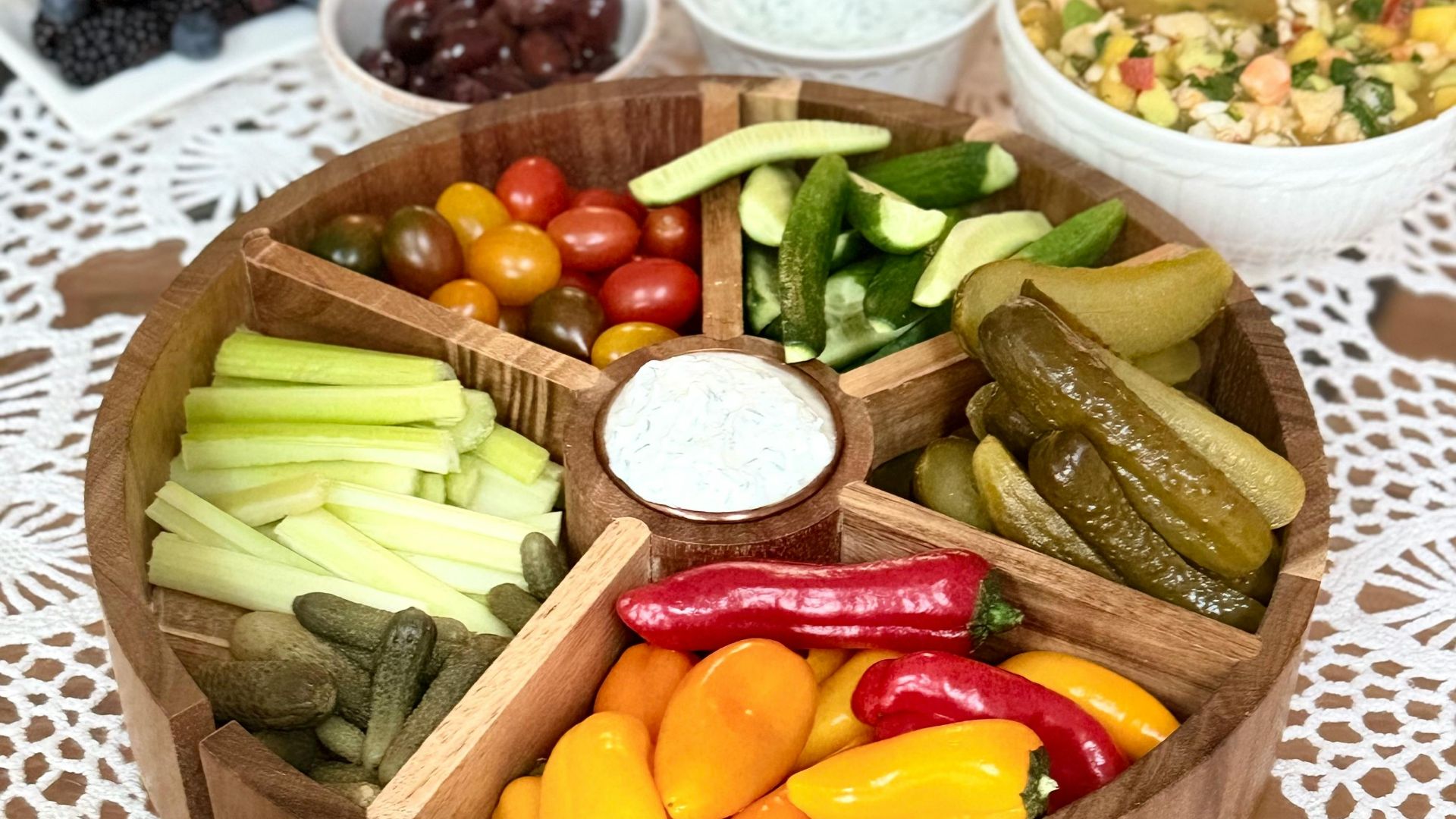
A large, beautifully arranged platter of fresh vegetables (crudités) with a variety of dips—such as hummus (vegan/GF) and a Greek yogurt dip (vegetarian)—is usually the safest and most inclusive option. Fresh fruit is also a reliable choice.
How much food should I bring for a potluck?
A good rule of thumb is to bring enough to serve about 8 to 10 people, regardless of the total guest count. Potlucks rely on the variety of many small portions rather than one person providing enough for the entire group.
Can I bring a rotisserie chicken?
Yes, but you should prepare it for the table first. Do not bring the chicken in its plastic dome. Shred the meat while it is warm, discard the skin and bones, and serve the meat in a bowl, perhaps tossed with a light vinaigrette or herbs. This turns a grocery staple into a "chicken salad" or a protein topping for other salads.
Should I tell the host I didn't cook the dish?
There is no need to make a grand announcement, but do not lie if asked. Honesty about where you sourced a particularly delicious item is often appreciated, as other guests may want to purchase it for their own events.
Final Recommendation
When bringing something to a potluck without cooking, the most successful approach is to prioritize freshness and quality. A tray of high-quality, seasonal fruit or a curated selection of cheeses from a local creamery will always be more popular than a complicated, lukewarm casserole. If you are in doubt, contact the host and ask, "What is one thing you're missing?" Often, they will be thrilled if you fill a gap by bringing a bag of ice, a case of sparkling water, or a fresh loaf of bread from a premium bakery. By focusing on these essential additions, you contribute significantly to the event's success without ever needing to turn on your stove.
Image Gallery