Navigating the Intersection of Khloe, Jordyn, and Detroit Mobility Initiatives
Urban transportation ecosystems require innovative approaches, and discussions surrounding "khloe jordyn in detroit mobility" often intersect pop culture visibility with actual municipal and regional transit advancements. While viral m...
Urban transportation ecosystems require innovative approaches, and discussions surrounding "khloe jordyn in detroit mobility" often intersect pop culture visibility with actual municipal and regional transit advancements. While viral moments and high-profile partnerships capture public attention, Detroit’s broader mobility sector focuses on equitable access, autonomous vehicle testing, public-private partnerships, and sustainable infrastructure upgrades designed to serve diverse populations across Wayne County and beyond.
Contents
Understanding the Detroit Mobility Landscape
Detroit has long served as the historical heart of the American automotive industry. In recent decades, the city and its surrounding region have transitioned from traditional manufacturing hubs into test beds for modern transportation technologies. This evolution involves a mix of municipal agencies, private startups, academic institutions, and community organizations working to reshape how people move.
The primary objective of modern mobility initiatives in Detroit is to address historical transit deserts, connect neighborhoods to employment centers, and integrate smart infrastructure. Projects range from dedicated bus rapid transit lanes to electric vehicle (EV) charging corridors and micro-mobility solutions like dockless scooters and shared bikes. When public figures or media narratives touch upon these urban frameworks, it frequently highlights the contrast between localized lifestyle branding and the gritty, ground-level realities of municipal planning.
Key Drivers of Regional Transit Evolution
The modernization of Detroit's transit grid relies on several core pillars. Understanding these components helps contextualize how urban planning decisions affect daily commuters:
- Equitable Access: Ensuring that low-income neighborhoods and historically underserved areas have reliable connections to job opportunities, healthcare facilities, and educational institutions.
- Public-Private Partnerships (P3s): Collaborations between city government bodies, major automotive corporations (such as General Motors and Ford), and tech startups to fund and deploy infrastructure.
- Smart Infrastructure: Implementation of sensor-equipped intersections, connected vehicle (V2X) communication networks, and real-time transit tracking systems.
- Sustainability Goals: Reducing carbon emissions through fleet electrification, expanding bike lane networks, and encouraging multi-modal commuting options.
The Role of Public Figures and Brand Partnerships in Urban Initiatives
When cultural touchstones or media personalities associate with municipal projects, it often serves a dual purpose: raising public awareness and driving engagement for initiatives that might otherwise struggle to capture mainstream attention. In the context of urban mobility, marketing campaigns and high-profile events can draw foot traffic to revitalized downtown areas, test new transit corridors under high-volume conditions, or highlight specific vehicle launches.
However, a clear distinction must be maintained between promotional visibility and structural urban planning. While entertainment partnerships can spotlight a city's revitalization efforts—such as downtown Detroit's architectural and commercial renewal—long-term mobility solutions depend on consistent civic policy, federal funding grants, and rigorous engineering standards.
Evaluating Media Impact Versus Civic Reality
| Dimension | Promotional/Media Campaigns | Municipal Mobility Projects |
|---|---|---|
| Primary Goal | Brand visibility, audience engagement, lifestyle marketing | Long-term transit efficiency, equity, and safety |
| Stakeholders | Media agencies, public relations teams, corporate sponsors | City councils, regional transit authorities, urban planners |
| Duration | Short-term campaigns, product launches, event-based | Multi-year infrastructure rollouts, permanent policy shifts |
| Funding Source | Private corporate marketing budgets | Municipal bonds, state grants, federal transportation funds |
Infrastructure Challenges and Solutions in Motor City
Revamping a legacy industrial city presents unique engineering and logistical hurdles. Detroit's expansive grid system, designed primarily for high-volume automotive traffic during the mid-20th century, requires retrofitting to accommodate pedestrians, cyclists, and modern public transit vehicles safely.
Addressing Transit Deserts
One of the most persistent criticisms of Detroit's historical transit infrastructure has been the presence of transit deserts—areas where residents lack access to frequent, reliable public transportation. Modern mobility initiatives attempt to solve this through:
- On-Demand Micro-Transit: Utilizing app-based shuttle services to bridge the gap between residential neighborhoods and fixed bus lines.
- Expanded Regional Authority: Coordinating transit services across Wayne, Oakland, and Macomb counties to create a unified fare and scheduling system.
- Active Transportation Networks: Investing in protected bike lanes and pedestrian-friendly streetscapes to make non-motorized travel viable and safe.
Technological Integration and Autonomous Testing
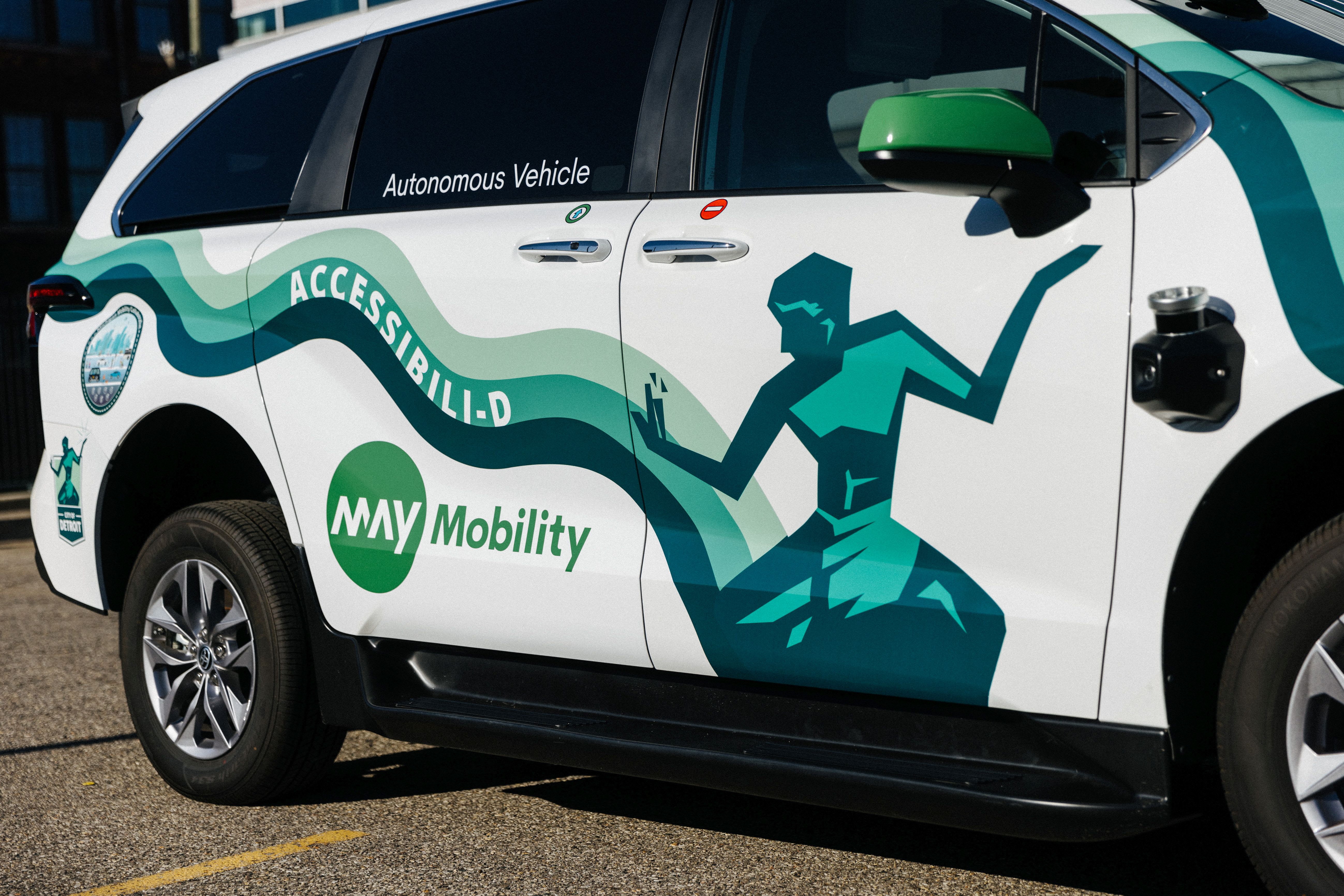
Detroit and its surrounding suburbs have established themselves as regulatory laboratories for autonomous vehicles (AVs) and connected vehicle infrastructure. State legislation permits testing of driverless cars on public roads, attracting tech developers and automotive engineers. Integrating these technologies requires robust digital infrastructure, including high-definition mapping, reliable cellular connectivity, and weather-resilient road markings capable of withstanding Michigan's harsh winter conditions.
Practical Guidance for Commuters and Visitors in Detroit
For individuals navigating Detroit's transportation network—whether residents commuting daily or visitors exploring the city—understanding available resources ensures a smoother experience.
- Utilize Multi-Modal Apps: Combine the Detroit Department of Transportation (DDOT) schedules with regional SMART bus tracking and rideshare options to plan seamless trips across municipal boundaries.
- Stay Informed on Construction: Regional infrastructure upgrades often cause temporary street closures; checking real-time traffic portals maintained by the Michigan Department of Transportation (MDOT) prevents unnecessary delays.
- Explore Micro-Mobility Zones: Downtown and Midtown areas feature designated parking zones for shared scooters and bikes, offering efficient transit for short trips between cultural attractions.
Frequently Asked Questions
What is the main objective of Detroit's modern mobility initiatives?
The primary goal is to create an integrated, equitable, and sustainable transit network that connects residents to jobs and services while modernizing infrastructure for autonomous and electric vehicles.
How do public-private partnerships affect Detroit transit?
These partnerships allow the city to leverage private capital and technological expertise from the automotive and tech sectors to accelerate infrastructure upgrades, such as smart traffic signals and EV charging stations, without relying solely on public funds.
Are autonomous vehicles operating on public roads in Detroit?
Yes. Michigan law permits the testing and deployment of autonomous vehicles under specific regulatory frameworks, making the Detroit metro area a primary hub for AV development and winter-weather testing.
How can commuters access real-time transit information in Detroit?
Commuters can use municipal transit applications, digital signage at major transit hubs, and regional trip-planning tools to monitor bus schedules, track arrivals, and manage regional fares.
What measures are being taken to address transit equity in Detroit?
City and regional planners are deploying on-demand micro-transit zones, expanding fixed-route bus service frequencies, and improving pedestrian infrastructure in neighborhoods historically underserved by traditional transit lines.
Next Actions for Stakeholders and Commuters
For residents, urban planners, and businesses engaging with Detroit's evolving landscape, staying informed through official municipal channels is essential. Reviewing updates from the City of Detroit's transportation division and regional planning authorities provides accurate insight into active projects, public comment periods, and upcoming infrastructure expansions. Prioritizing verified civic data ensures a realistic understanding of how mobility initiatives continue to transform the region.
Image Gallery