How to Get Power of Attorney in Illinois: A Complete Legal Guide
To get a Power of Attorney (POA) in Illinois, you must select a trusted agent, determine the scope of authority (Health Care or Property), and complete the Illinois Statutory Short Form. The document must be signed by a principal with...
To get a Power of Attorney (POA) in Illinois, you must select a trusted agent, determine the scope of authority (Health Care or Property), and complete the Illinois Statutory Short Form. The document must be signed by a principal with legal capacity, witnessed, and—for property POA—notarized to ensure compliance with the Illinois Power of Attorney Act.
Contents
Establishing a Power of Attorney is a critical component of estate planning and disability preparedness. In Illinois, the process is governed strictly by the Illinois Power of Attorney Act (755 ILCS 45/). This statute provides a framework that ensures an individual’s (the "Principal") wishes are honored regarding their finances and medical care if they become unable to manage these affairs themselves. As of 2026, while digital signatures and remote notarization have become more integrated into legal practice, the core requirements for validity remain rooted in specific witnessing and notarization protocols designed to prevent fraud and elder abuse.
Understanding the Types of Power of Attorney in Illinois
In Illinois, Power of Attorney is generally divided into two distinct categories. It is common for individuals to execute both documents simultaneously to ensure comprehensive coverage, but they are separate legal instruments with different requirements.
Illinois Power of Attorney for Health Care
This document allows an agent to make medical decisions on your behalf. These decisions can range from routine dental work to life-sustaining treatments and end-of-life care. The Illinois statutory form for health care is designed to be "durable," meaning it remains in effect even if the principal becomes mentally incapacitated. Under the current law, your agent is required to follow your known desires or, if unknown, act in your best interest.
Illinois Power of Attorney for Property
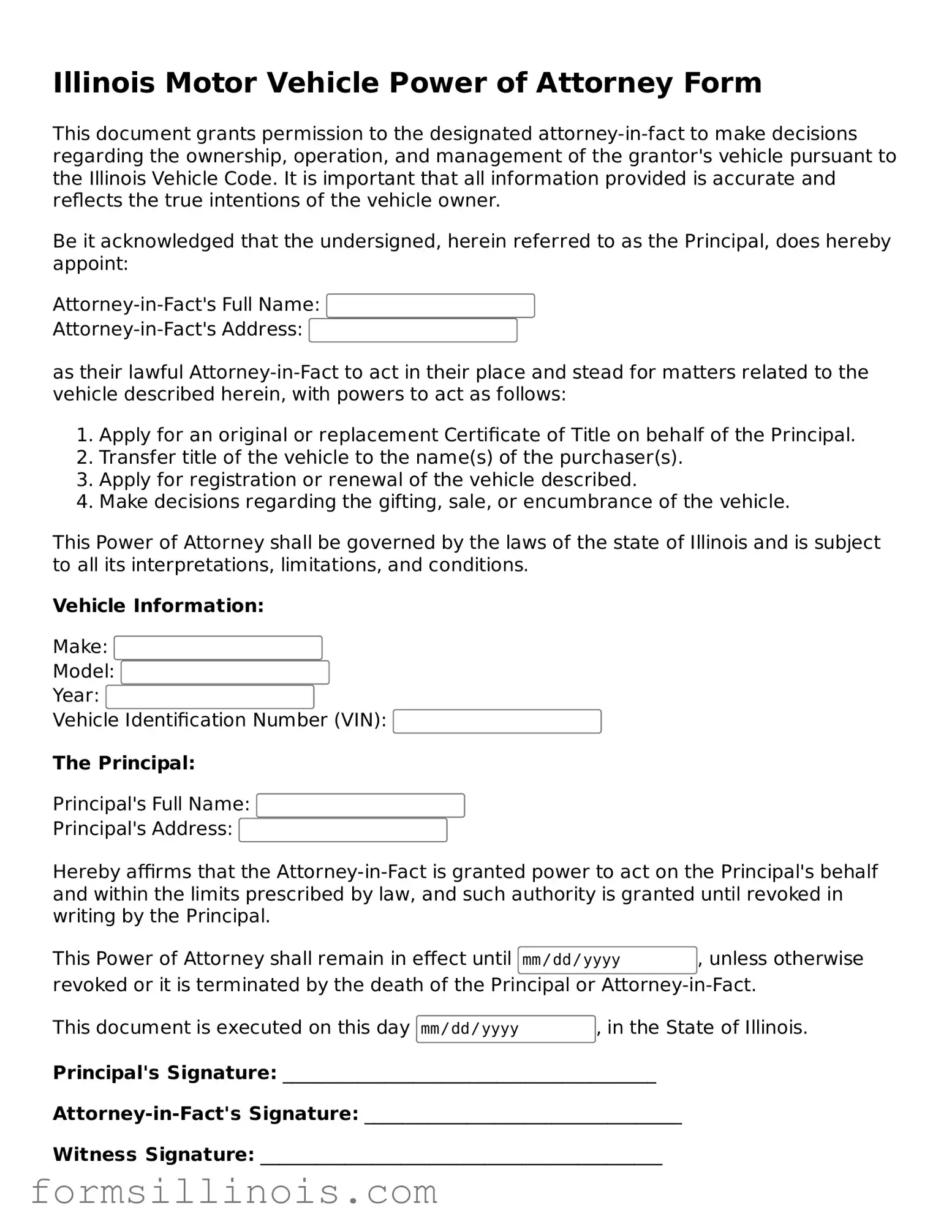
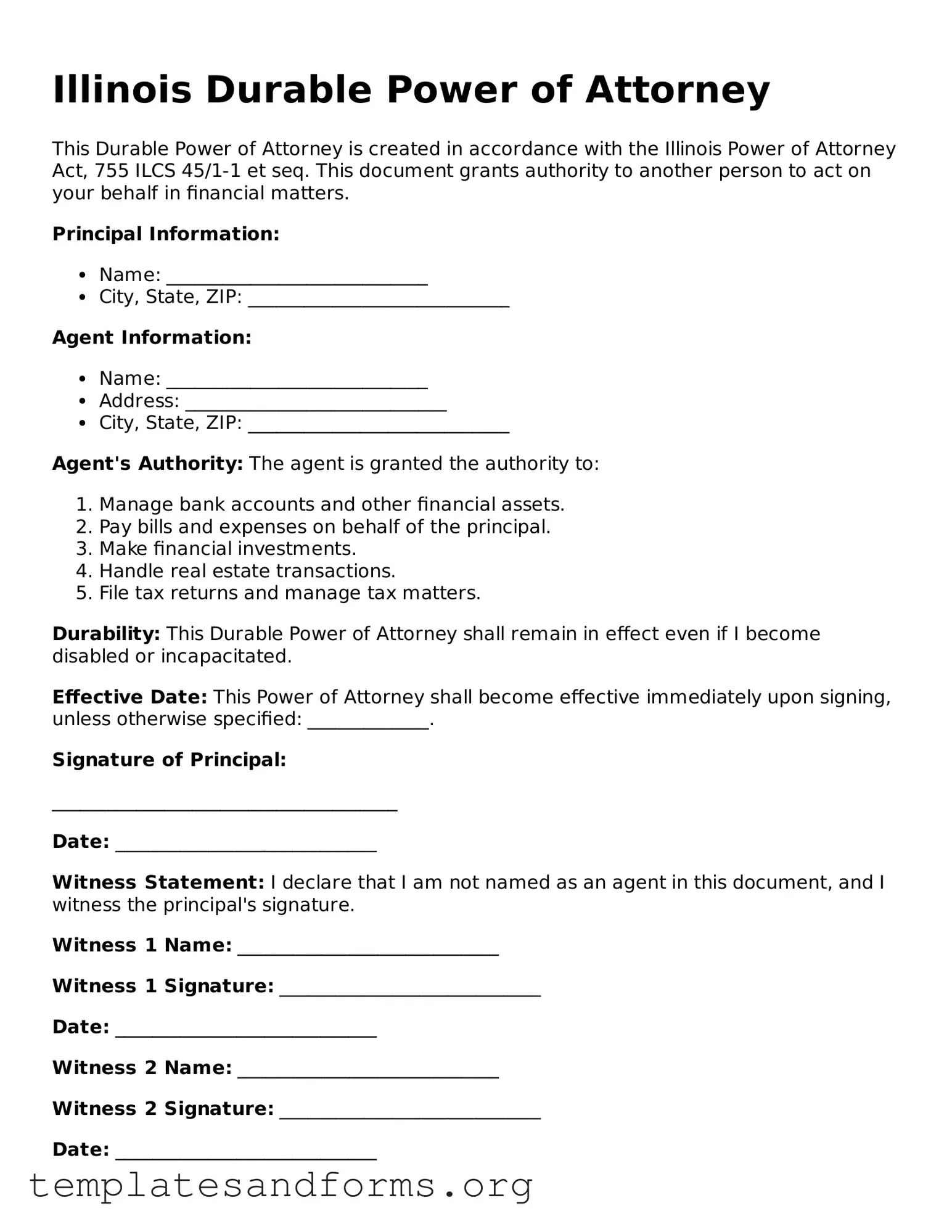
The POA for Property grants an agent the authority to manage financial affairs. This includes paying bills, managing investment accounts, selling real estate, and handling taxes. Because the potential for financial exploitation is higher with property POAs, the Illinois legislature requires more stringent execution formalities, including notarization and a specific "Notice to Agent" section that the agent must acknowledge.
Eligibility and Capacity Requirements
Before drafting any documents, the parties involved must meet specific legal criteria. If these requirements are not met, the Power of Attorney can be challenged in court and potentially declared void.
- Capacity of the Principal: The person creating the POA must be of "sound mind." In legal terms, this means they understand the nature of the document they are signing and the extent of the power they are granting. If a person already suffers from advanced dementia or another cognitive impairment, they may lack the capacity to sign, necessitating a court-ordered guardianship instead.
- Age of the Agent: An agent must be at least 18 years old. While Illinois law does not require the agent to be a resident of the state, practical considerations often make a local agent more effective, especially for property management.
- Prohibited Agents: For a Health Care POA, your attending physician or any other healthcare provider directly involved in your care cannot serve as your agent unless they are also a relative. This prevent conflicts of interest in medical decision-making.
Step-by-Step Process to Establish POA in Illinois
Step 1: Selecting Your Agent and Successors
The most important decision is choosing who will hold this power. This person (the "Agent" or "Attorney-in-Fact") has a fiduciary duty to act in your best interest. You should also name at least one Successor Agent. If your primary agent is unavailable, incapacitated, or deceased, the successor steps in automatically. Without a successor, the document may become useless just when it is needed most.
Step 2: Defining the Scope of Powers
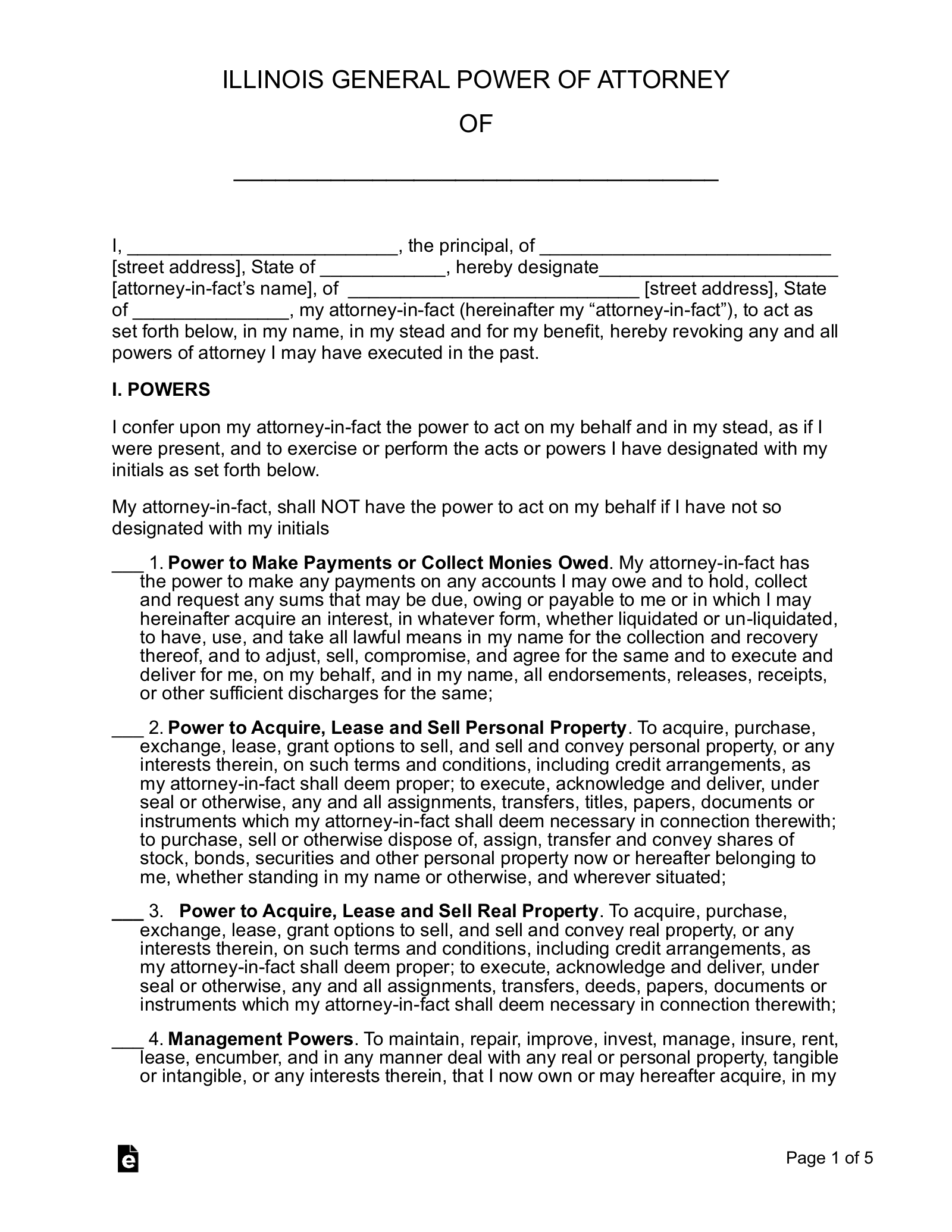
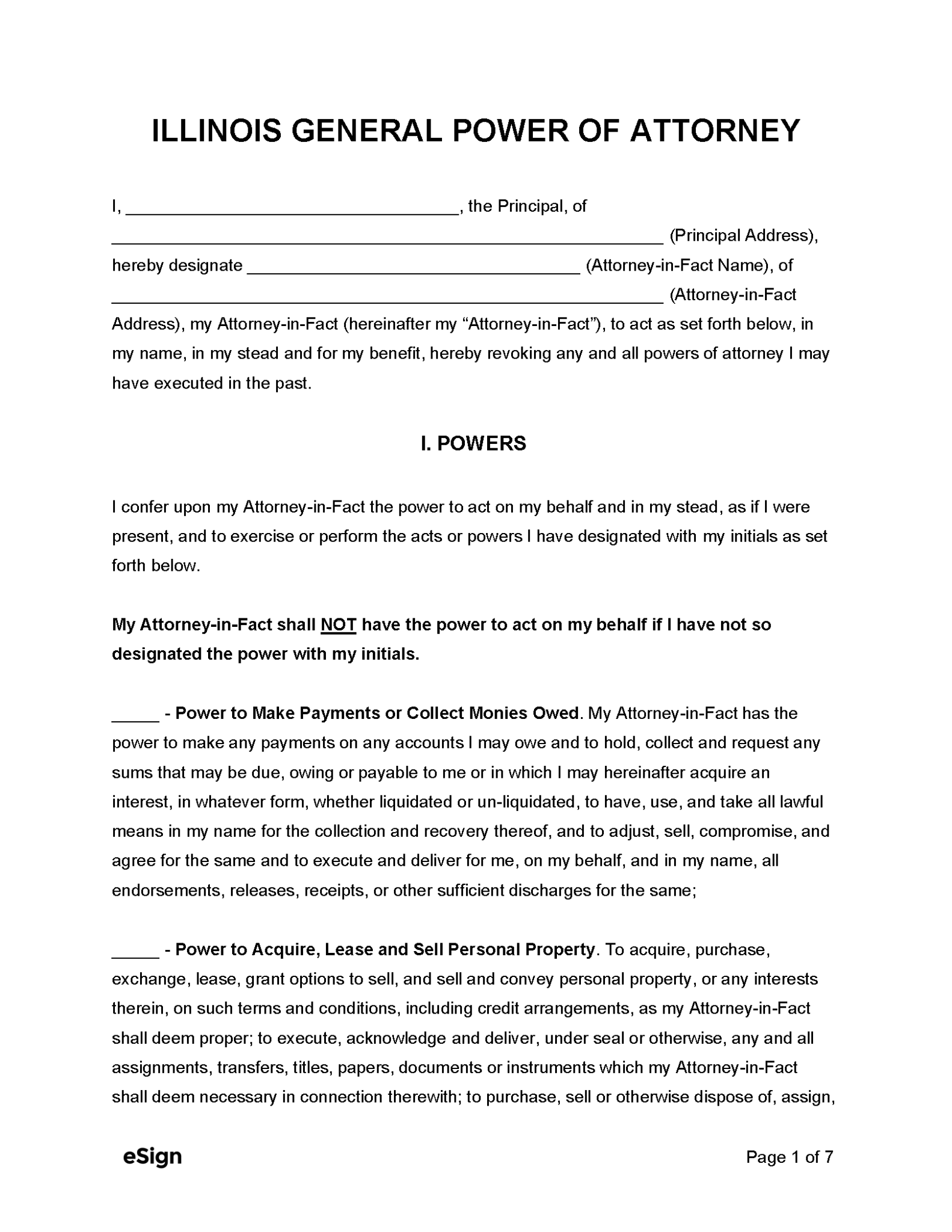
In Illinois, you can grant "General" powers (giving the agent authority to do almost anything you could do) or "Limited" powers (restricting them to a specific task, like closing a single real estate transaction). For long-term planning, most residents use the Statutory Short Form, which lists broad categories of powers that the principal can initial or strike out based on their preferences.
Step 3: Completing the Illinois Statutory Forms
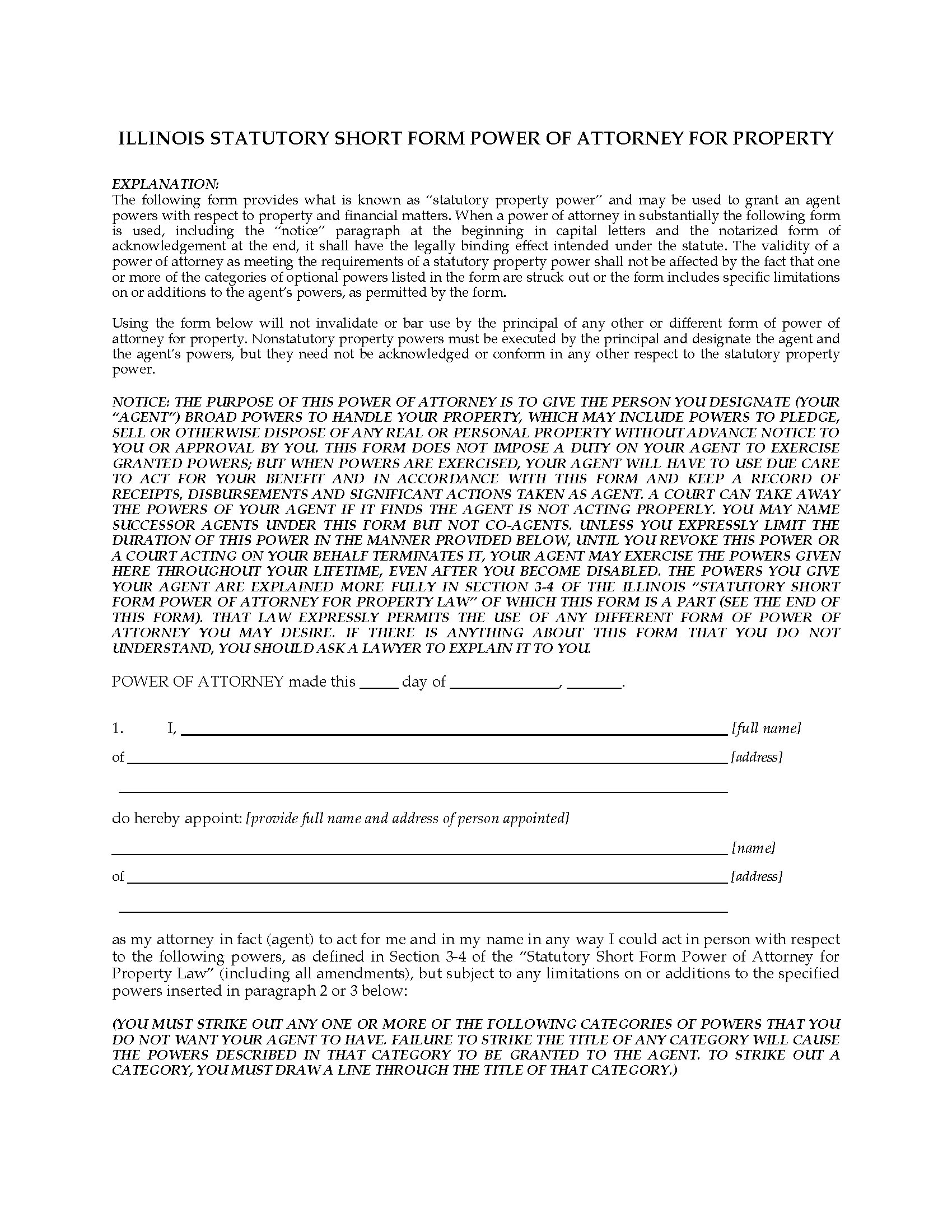
While you can draft a custom POA, using the Illinois Statutory Short Forms is highly recommended. These forms are recognized by banks, hospitals, and land title companies throughout the state.
- Health Care Form: Focuses on treatment preferences and organ donation.
- Property Form: Includes a mandatory "Notice to Agent" that explains the agent's legal duties and the penalties for misconduct.
Step 4: Formal Execution (Signing, Witnessing, and Notarizing)
To be legally binding in 2026, the signing process must follow these specific Illinois rules:
- Health Care POA: Must be signed by the principal and at least one witness. The witness cannot be the agent, your attending physician, or certain relatives.
- Property POA: Must be signed by the principal and at least one witness, and it must be notarized. The notary public can also serve as the witness, but it is often cleaner to have a separate individual act as the witness.
Step 5: Distribution and Filing
In Illinois, you do not typically "file" a POA with a court or the Secretary of State. Instead, you provide copies to your agent, your doctor (for health care), and your financial institutions (for property). If the POA is being used to transfer real estate, the original (or a certified copy) must be recorded with the County Recorder of Deeds in the county where the property is located.
Comparing Health Care and Property POA Requirements
The following table outlines the primary differences in how these two documents are handled under Illinois law.
| Feature | Health Care POA | Property (Financial) POA |
|---|---|---|
| Governing Statute | 755 ILCS 45/Art. IV | 755 ILCS 45/Art. III |
| Witnesses Required | 1 Witness (minimum) | 1 Witness (minimum) |
| Notarization | Recommended, not required | Mandatory |
| Agent Duty | Fiduciary; Best Interest | Fiduciary; Principal's Instructions |
| Common Use | Surgery, End-of-Life, Records | Banking, Real Estate, Taxes |
| Notice to Agent | Not mandatory in form | Mandatory Statutory Notice |
| Recording Requirement | None | Required for Real Estate transfers |
The Role of the Illinois Statutory Short Form
The Illinois legislature created the "Statutory Short Form" to simplify the process and provide a "safe harbor" for third parties. When a bank or hospital is presented with a statutory form, the law protects them from liability if they rely on the document in good faith.
If you choose to use a non-statutory form—such as one downloaded from a generic legal site—you may find that Illinois financial institutions are more hesitant to honor it. They may require their own internal forms or a legal opinion from an attorney, which can cause delays during an emergency. The statutory form for property also includes specific language regarding compensation for the agent, which must be clearly defined to avoid family disputes later.
Common Pitfalls and How to Avoid Them
Failure to Update
A Power of Attorney drafted in 2010 might still be legally valid in 2026, but the laws regarding agent duties and electronic access to accounts have evolved. Furthermore, your relationship with your chosen agent may have changed. It is advisable to review these documents every 3 to 5 years.
Ambiguity in "Springing" vs. "Immediate" Powers
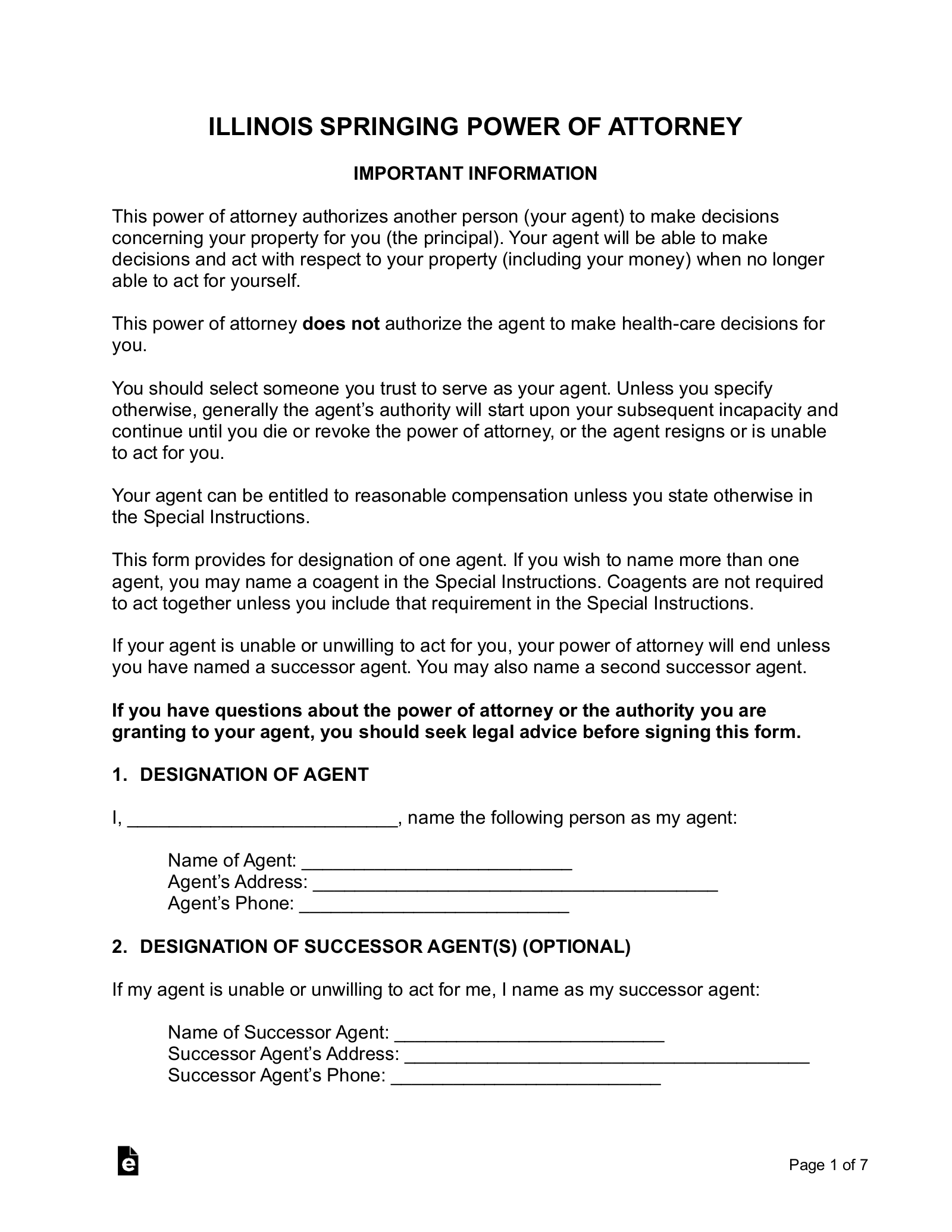
You must decide if the power starts immediately upon signing or "springs" into action only when a doctor certifies you are incapacitated. While "Springing POAs" seem safer, they often cause significant delays because banks may require multiple doctor letters before allowing the agent to pay a single bill. Many practitioners in Illinois now recommend Immediate POAs but advise only giving the original document to a person you trust implicitly.
Improper Witnessing
Illinois has very specific rules about who cannot witness a POA. For example, a person who works for your healthcare provider cannot witness your Health Care POA. If the witnessing is flawed, the entire document may be thrown out by a court, leaving your family forced to seek a Guardianship through the Illinois Courts.
Frequently Asked Questions
Does an Illinois Power of Attorney need to be recorded?
Generally, no. For most daily financial and medical needs, providing a copy to the relevant institution is sufficient. However, if your agent needs to sell or mortgage Illinois real estate on your behalf, the Power of Attorney must be recorded with the County Recorder of Deeds where the property is located to maintain a clear chain of title.
Can I use an out-of-state Power of Attorney in Illinois?
Yes, Illinois law generally recognizes a Power of Attorney that was validly executed in another state according to that state's laws at the time of execution. However, using the Illinois Statutory Forms is often smoother, as Illinois-based banks and medical providers are familiar with them and can process them more quickly.
What is the difference between a Power of Attorney and a Living Will?
In Illinois, a Living Will is a much narrower document than a Health Care POA. A Living Will only applies if you have a terminal condition and provides instructions regarding death-delaying procedures. A Health Care POA is much broader, allowing an agent to make decisions about all types of medical care, regardless of whether the condition is terminal.
Can I revoke a Power of Attorney in Illinois?
Yes, as long as you have the mental capacity to do so, you can revoke a POA at any time. To revoke a Property POA, you should sign a written "Revocation of Power of Attorney," have it notarized, and send it to your agent and all institutions where the POA was on file. For Health Care POA, you can revoke it by communicating your intent to your doctor or by executing a new POA.
How much does it cost to get a Power of Attorney in Illinois?
The cost varies based on the approach. Using the statutory forms for a "do-it-yourself" approach may only cost the fee for a notary public (often $5–$20). However, most estate planning attorneys recommend a comprehensive plan. Attorney fees for a standard POA package usually range from $250 to $750, depending on the complexity of your estate and whether it is part of a larger will or trust package.
Final Recommendation
Securing a Power of Attorney is an act of foresight that protects your autonomy and eases the burden on your family. To ensure your documents are bulletproof, download the current Illinois Statutory Short Forms or consult with an Illinois-licensed estate planning attorney. Once executed, keep the originals in a safe but accessible place, and ensure your designated agents know exactly where they are located.
Image Gallery