Significant Events in Colonial America: A Comprehensive Historical Timeline
The most significant events in colonial America include the founding of Jamestown in 1607, the drafting of the Mayflower Compact in 1620, the Great Awakening of the 1730s, and the French and Indian War (1754–1763). These occurrences sh...
The most significant events in colonial America include the founding of Jamestown in 1607, the drafting of the Mayflower Compact in 1620, the Great Awakening of the 1730s, and the French and Indian War (1754–1763). These occurrences shaped the social, political, and economic foundations that eventually led to the American Revolution.
Contents
The Foundation of English North America (1607–1630)
The colonial era began in earnest with the establishment of permanent English settlements along the Atlantic coast. Unlike earlier failed attempts like Roanoke, these colonies were backed by joint-stock companies or religious dissenters, creating a dual legacy of commercial interest and ideological conviction.
The Settlement of Jamestown (1607)
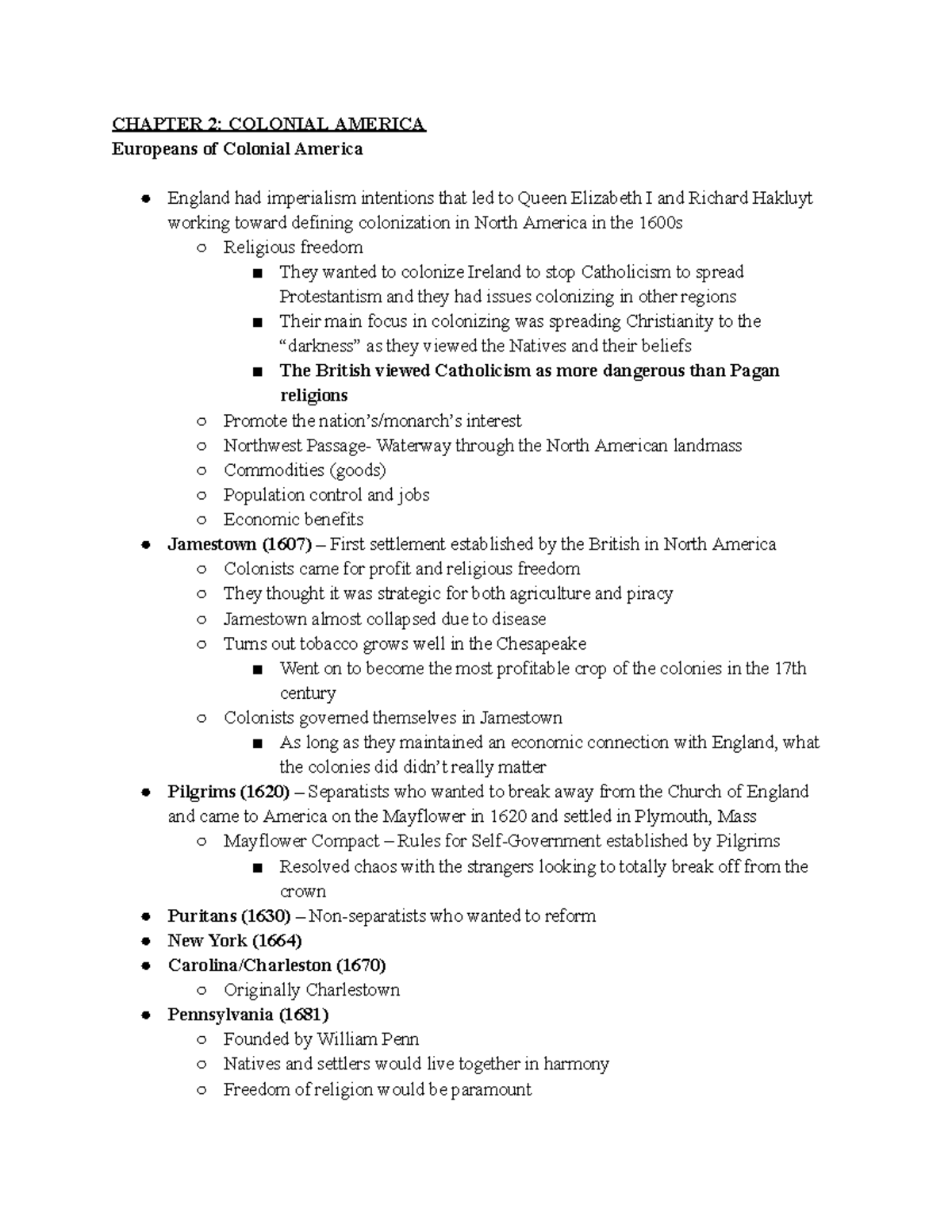
In May 1607, the Virginia Company of London dispatched three ships—the Discovery, the Godspeed, and the Susan Constant—to the Chesapeake Bay. The establishment of Jamestown was a perilous venture; the settlers faced famine, disease, and conflict with the Powhatan Confederacy. However, two pivotal developments ensured its survival. First, the introduction of tobacco as a cash crop by John Rolfe in 1612 provided a viable economic engine. Second, the 1619 establishment of the House of Burgesses marked the first representative legislative assembly in the New World, setting a precedent for self-governance.
The Arrival of the Pilgrims and the Mayflower Compact (1620)
Further north, a group of Separatists known as Pilgrims landed at Plymouth. Because they had landed outside the jurisdiction of their patent, they drafted the Mayflower Compact. This document was a "social contract" in which the signers agreed to submit to "just and equal laws" for the general good of the colony. This act of self-determination is often cited by historians in 2026 as the germinal moment for American constitutionalism.
The Great Migration and Massachusetts Bay (1630)
In 1630, a much larger group of Puritans led by John Winthrop established the Massachusetts Bay Colony. Winthrop’s "City upon a Hill" sermon articulated a vision of a communal, religiously disciplined society. This "Great Migration" brought thousands of families to New England, leading to the rapid expansion of towns, schools (including Harvard College in 1636), and a highly literate, though often intolerant, populace.
Conflict and Transformation in the Mid-Colonial Period (1650–1700)
As colonies expanded, they inevitably collided with Indigenous populations and internal social tensions. This period was characterized by violent upheaval and the tightening of imperial control from London.
The Navigation Acts (1651–1696)
To ensure that the colonies contributed to the wealth of the mother country, the English Parliament passed a series of Navigation Acts. These laws required that colonial goods be transported on English ships and sold only to England or its colonies. While these acts promoted mercantilism, they also sowed early seeds of resentment regarding trade restrictions and "salutary neglect," a term used by historians to describe the period when Britain loosely enforced these rules.
King Philip’s War (1675–1676)
Metacom, a Wampanoag leader known to the English as King Philip, led a massive uprising against New England expansion. It remains one of the deadliest conflicts in American history relative to population size. The war resulted in the destruction of dozens of English towns and the near-decimation of Indigenous power in southern New England. It solidified a distinct "frontier" identity among colonists and hardened racial attitudes.
Bacon’s Rebellion (1676)
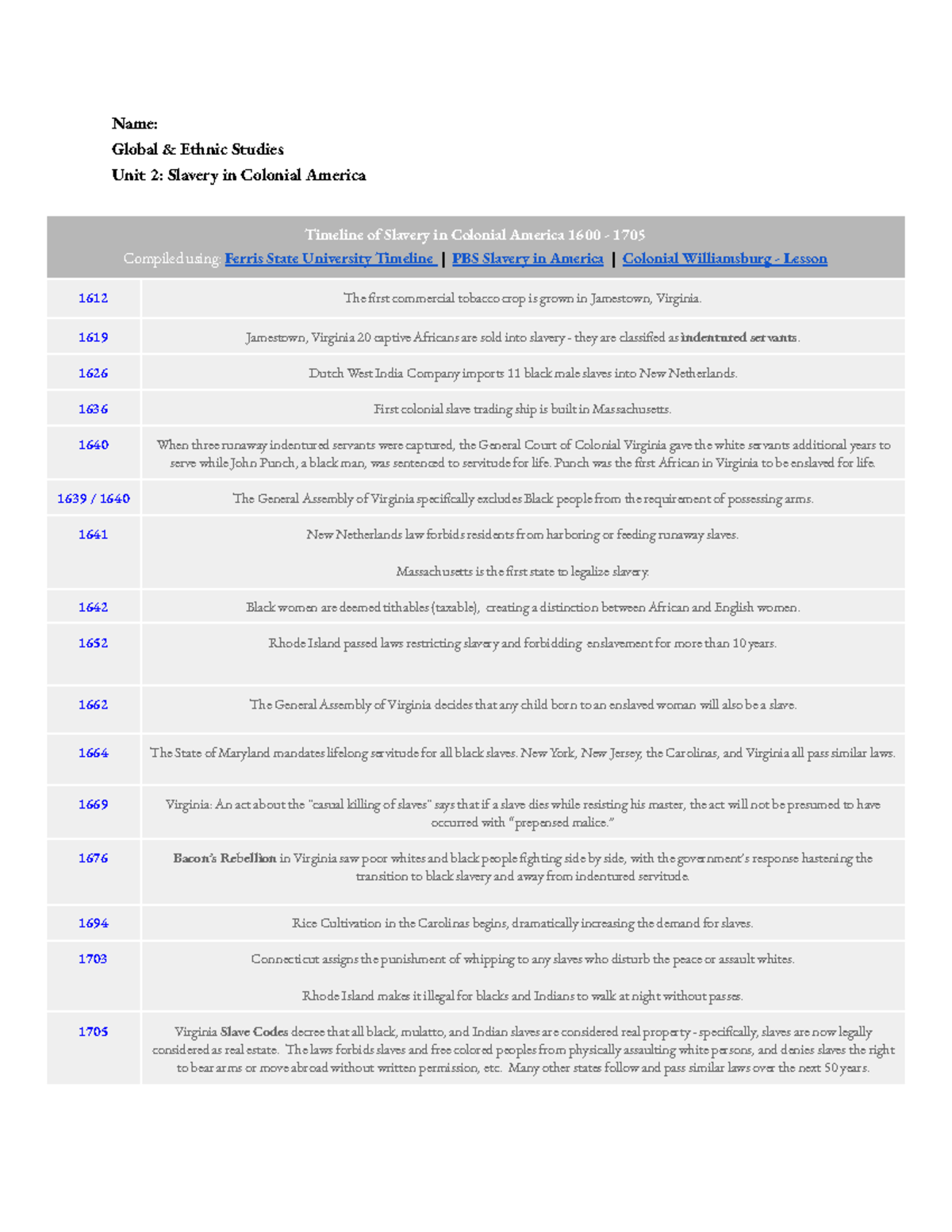
In Virginia, Nathaniel Bacon led a diverse group of frontiersmen, including indentured servants and enslaved Africans, against Governor William Berkeley. While the rebellion was sparked by grievances over Indigenous policy and land access, its aftermath had profound structural consequences. Fearing future uprisings from a united lower class, the Virginian elite began to transition away from white indentured servitude toward a system of permanent, race-based chattel slavery, fundamentally altering the social fabric of the South.
The Cultural and Intellectual Awakening (1730–1750)
By the mid-18th century, the colonies were no longer isolated outposts. They were integrated into a broader Atlantic world of ideas, commerce, and religious fervor.
The First Great Awakening
The Great Awakening was a religious revival that swept through the colonies in the 1730s and 1740s. Preachers like Jonathan Edwards and George Whitefield emphasized personal piety and "new birth" over traditional church hierarchy. This movement was significant because it was the first truly "national" event that crossed colonial borders. It encouraged individuals to question religious authority, which later translated into a willingness to question political authority.
The American Enlightenment
Simultaneously, the Enlightenment brought a focus on reason, science, and natural rights. Figures like Benjamin Franklin embodied this era. Through his experiments with electricity and his publication of Poor Richard’s Almanack, Franklin connected colonial thought to European intellectual trends. The concepts of "natural law" and "consent of the governed" began to circulate among the colonial elite, providing the philosophical framework for future independence.
Imperial War and the Road to Revolution (1754–1774)
The final decades of the colonial period were defined by the struggle between the British and French empires, which ultimately forced a realignment of the relationship between Britain and its American subjects.
The French and Indian War (1754–1763)
Known globally as the Seven Years' War, this conflict began in the Ohio River Valley. The British victory, formalized by the Treaty of Paris (1763), removed the French threat from North America but left Britain with a massive national debt. To manage this debt and the newly acquired territory, Parliament ended the era of salutary neglect.
The Proclamation of 1763
To prevent further conflict with Indigenous tribes, King George III issued the Proclamation of 1763, which prohibited colonial settlement west of the Appalachian Mountains. This infuriated colonists who had fought in the war specifically to gain access to that land, marking the first major post-war rift between the crown and the colonies.
The Stamp Act and Organized Resistance (1765)
The Stamp Act was the first direct tax levied by Parliament on the colonies, affecting legal documents, newspapers, and playing cards. It triggered the formation of the Sons of Liberty and the Stamp Act Congress. The cry of "no taxation without representation" became a unifying slogan. Although the act was repealed in 1766, it established a pattern of colonial protest and British retaliation.
| Event | Year | Primary Cause | Long-term Impact |
|---|---|---|---|
| Founding of Jamestown | 1607 | Economic Profit (Gold/Tobacco) | Established representative government (House of Burgesses). |
| Mayflower Compact | 1620 | Religious Freedom/Governance | First framework for self-rule in New England. |
| Bacon’s Rebellion | 1676 | Land disputes/Class tension | Accelerated the transition to race-based slavery. |
| Great Awakening | 1730s | Religious Stagnation | Unified colonies and challenged traditional authority. |
| French & Indian War | 1754 | Territorial expansion (Ohio Valley) | Ended French presence; led to British taxation of colonies. |
| Boston Tea Party | 1773 | Tea Act/Taxation grievances | Led to the Coercive (Intolerable) Acts and the First Continental Congress. |
The Crisis Escalates: 1770–1775
The 1770s saw a rapid descent into open rebellion as diplomatic solutions failed and tensions turned violent in the streets of Boston and the fields of Massachusetts.
The Boston Massacre (1770)
On March 5, 1770, a confrontation between British soldiers and a Boston mob resulted in the deaths of five colonists. Though the soldiers were largely provoked, colonial agitators like Paul Revere used the event as powerful propaganda, painting the British as murderous tyrants.
The Boston Tea Party and Coercive Acts (1773–1774)
In protest of the Tea Act, which granted the East India Company a monopoly, colonists disguised as Mohawks dumped 342 chests of tea into Boston Harbor. Parliament responded with the Coercive Acts (known in the colonies as the Intolerable Acts), which closed the port of Boston and suspended the Massachusetts charter. These acts backfired by uniting the colonies in support of Massachusetts.
The First Continental Congress (1774)
In response to the Intolerable Acts, delegates from twelve of the thirteen colonies met in Philadelphia. This was a critical step toward formal unity. They drafted a Declaration of Rights and Grievances and organized a colony-wide boycott of British goods. Crucially, they also advised colonies to begin mobilizing their militias for self-defense.
FAQs: Understanding Colonial Events
What were the "Three Colonial Regions" and how did they differ?
The colonies were divided into New England, the Middle Colonies, and the Southern Colonies. New England (Massachusetts, NH, RI, CT) focused on fishing, shipbuilding, and trade with a strong Puritan influence. The Middle Colonies (NY, NJ, PA, DE) were known as the "breadbasket" for their grain production and were the most ethnically and religiously diverse. The Southern Colonies (MD, VA, NC, SC, GA) relied on plantation agriculture, specifically tobacco, rice, and indigo, which led to a heavy reliance on enslaved labor.
Why was 1619 such a significant year in colonial history?
The year 1619 is considered a foundational turning point for two contradictory reasons. It saw the assembly of the first representative body (the House of Burgesses), representing the birth of American democracy. Simultaneously, it marked the arrival of the first recorded "twenty and odd" Africans in Virginia, marking the beginning of the institutionalized system of slavery that would persist for nearly 250 years.
What caused the end of "Salutary Neglect"?
The primary catalyst was the debt incurred by Great Britain during the French and Indian War. To pay for the 10,000 British troops stationed in America and to service the interest on national loans, the British government determined that the colonies should bear a larger share of the financial burden. This shift from trade regulation to direct revenue generation was the core grievance of the colonial era.
Was the Boston Massacre actually a massacre?
Technically, the event was a riot that ended in a tragic shooting. While the term "massacre" was used for propaganda purposes to incite anti-British sentiment, the subsequent trial (where John Adams defended the British soldiers) revealed that the soldiers were being harassed and feared for their safety. However, the emotional impact of the event was far more important than the legal reality in driving the colonies toward revolution.
How did the Great Awakening influence the American Revolution?
The Great Awakening broke down sectional barriers and created a shared American experience. By teaching that all people were equal before God and that individuals could choose their own religious path, it laid the psychological groundwork for the idea that people could also choose their own political path and hold their leaders accountable.
Final Recommendations for Further Study
For those seeking to understand the complexities of events in colonial America in 2026, a multi-disciplinary approach is essential. Researchers should consult the digital archives of the National Archives to view original charters and legislative records. Furthermore, visiting living history sites such as Colonial Williamsburg or the Jamestown Settlement provides a tangible sense of the material culture and daily hardships of the era. Understanding these events requires looking beyond simple dates and recognizing the conflicting narratives of European expansion, Indigenous resistance, and the tragic growth of the Atlantic slave trade.
Image Gallery