A Comprehensive Guide on How to Sell Intellectual Property Rights
Selling intellectual property (IP) rights involves the legal transfer of ownership—or the granting of specific usage permissions—from a rights holder to a third party. This process requires a formal valuation, the identification of a q...
Selling intellectual property (IP) rights involves the legal transfer of ownership—or the granting of specific usage permissions—from a rights holder to a third party. This process requires a formal valuation, the identification of a qualified buyer, and the execution of a legally binding assignment or licensing agreement to ensure the transfer is enforceable and tax-compliant.
Contents
Understanding Intellectual Property Assets
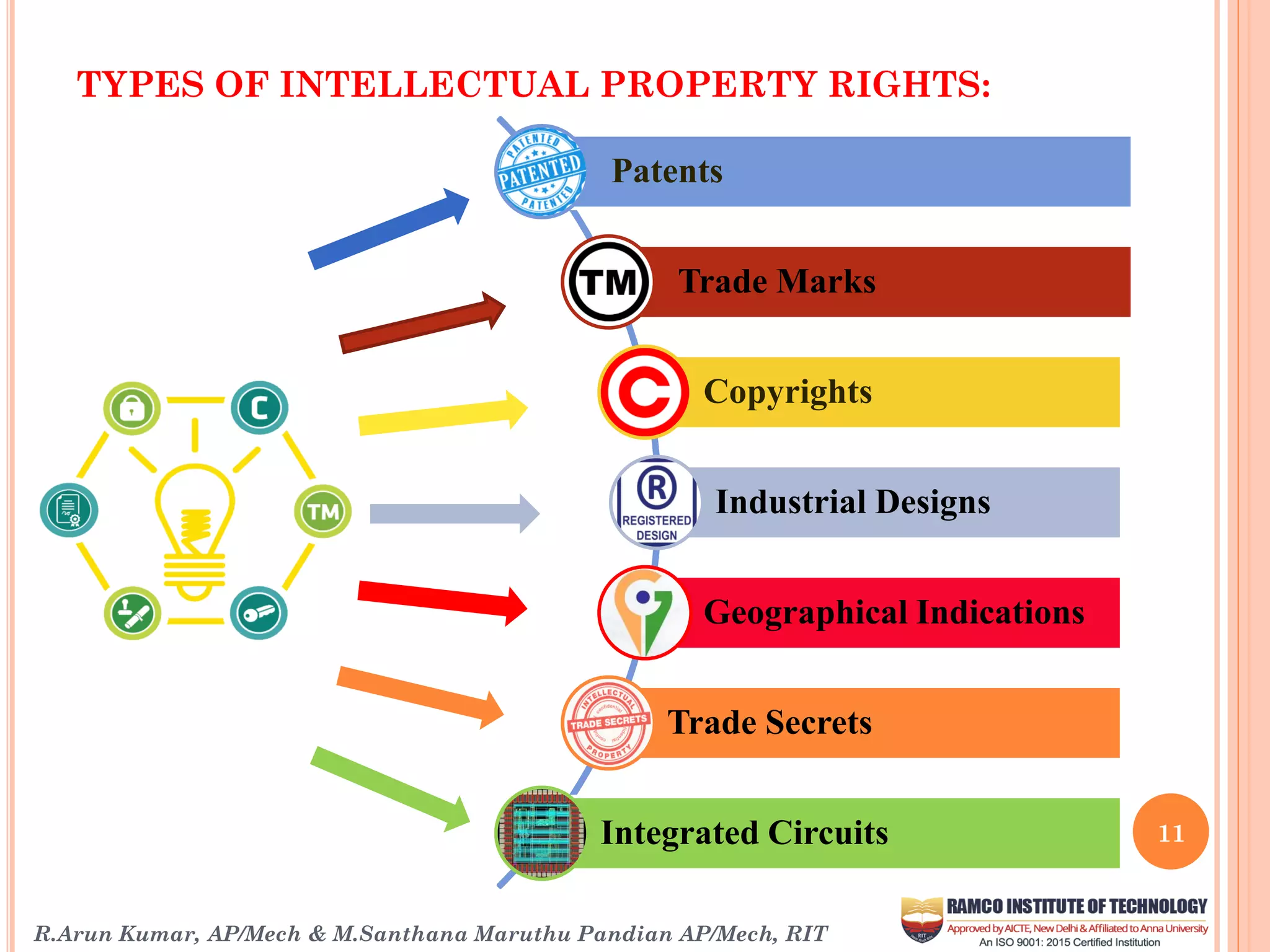
Before initiating a sale, you must distinguish between the types of intellectual property you hold. IP is generally categorized into four primary buckets, each governed by different legal frameworks and valuation methodologies.
- Patents: These protect inventions or technical processes. Selling a patent requires proof of valid registration with a national office, such as the United States Patent and Trademark Office (USPTO).
- Trademarks: These protect symbols, names, and slogans used to distinguish goods or services. You can sell a trademark, but it is often tied to the goodwill of the business that uses it.
- Copyrights: These cover original works of authorship, such as literature, software code, music, or film.
- Trade Secrets: These are proprietary business processes or formulas that provide a competitive advantage. Because they are not registered, they are sold through strict non-disclosure agreements and contractual confidentiality covenants.
Valuation: Determining the Fair Market Value
Pricing IP is significantly more complex than pricing physical assets because there is rarely a direct "market rate." As of 2026, professionals typically utilize three standard valuation approaches:
- Cost Approach: This calculates the amount required to recreate the IP from scratch, including R&D costs, labor, and legal filing fees. It is the most conservative estimate and often the floor price.
- Market Approach: This compares your asset to similar IP that has recently sold. While databases like those managed by specialized IP brokers can provide benchmarks, the unique nature of most IP makes this method difficult for niche innovations.
- Income Approach: This estimates the future cash flows the IP is expected to generate, discounted to present value. This is the preferred method for investors who are looking at the IP as a revenue-producing stream.
Preparing Your IP for Market
Selling an asset requires more than just a patent number; it requires a "clean" IP package. Buyers will conduct rigorous due diligence to ensure they are not buying a lawsuit.
- Ownership Verification: Ensure that you have clear title to the IP. If you are an employee, your employment contract likely assigned the rights to your employer automatically. If you collaborated with others, you must have written assignments from all co-creators.
- Maintenance Fees: Confirm that all government maintenance fees are paid and up to date. An expired patent has no value.
- Freedom to Operate: Be prepared to provide evidence that your IP does not infringe on existing patents. A "freedom-to-operate" search conducted by a patent attorney is a standard requirement for high-value sales.
Methods of Transfer: Assignment vs. Licensing
The way you transfer rights significantly alters the long-term value and your ongoing involvement.
Assignment (Outright Sale)
An assignment is a permanent transfer of all rights. Once the document is signed and recorded with the relevant authority (e.g., the Copyright Office), you no longer have control over how the asset is used. This is generally a "clean break" that yields a lump sum.
Licensing (Conditional Transfer)
In a license agreement, you retain ownership but grant the buyer the right to use the IP under specific conditions. You can license an asset to multiple parties, geographically, or for specific industries. This allows for recurring revenue through royalties.
| Feature | Assignment | Licensing |
|---|---|---|
| Ownership | Transferred to buyer | Retained by seller |
| Control | Permanent loss of control | Retained (per contract) |
| Payment | Typically a lump sum | Often ongoing royalties |
| Duration | Unlimited (Life of asset) | Fixed-term or conditional |
| Complexity | High (Due diligence intensive) | Moderate (Contract intensive) |
Finding the Right Buyer
Finding a buyer for IP requires targeted outreach rather than general advertising. Consider these channels:
- Direct Competitors: Companies already in your space are the most logical buyers, as they can immediately integrate your IP to improve their products or eliminate competition.
- IP Brokers/Marketplaces: There are specialized firms that act as intermediaries for patent sales. These brokers handle the "pitch" to their network of venture capital firms and corporate acquirers.
- Industry Conferences: Networking at specialized trade shows allows you to present your technology to decision-makers in R&D or corporate development.
Legal Documentation and Closing
The sale must be codified in an Intellectual Property Purchase Agreement (IPPA). This contract must clearly define the scope of the transfer, the territory, the duration, and the specific rights being conveyed.
- Warranties and Representations: The seller must guarantee that they are the legal owner and that no third-party claims exist against the asset.
- Indemnification: This clause protects the buyer if it is discovered post-sale that the IP infringes on another party’s rights.
- Recordation: In most jurisdictions, you must record the transfer with the relevant government body (e.g., the USPTO) to make the change of ownership effective against third parties.
Frequently Asked Questions
Can I sell IP that is still in the "pending" stage? Yes, you can sell a patent application. However, the value is significantly lower than a granted patent because there is no guarantee the patent will be issued. The buyer takes on the risk of the application being rejected by the examiner.
Do I need a patent attorney to sell my IP? While you are not legally required to have an attorney, it is strongly advised. Because IP law involves complex statutes regarding ownership, liability, and contract enforcement, using an attorney minimizes the risk of the sale being invalidated or resulting in future litigation.
What is the tax implication of selling IP? In many jurisdictions, the proceeds from the sale of IP are treated as capital gains rather than ordinary income, provided the asset was held for a specific period. However, tax laws vary by country and region. Always consult a tax professional to understand your specific liabilities as of 2026.
Can I sell rights to an idea that is not yet registered? You cannot sell an "idea" in the legal sense. You can only sell property that is protected, such as a filed patent application, a registered copyright, or a proprietary trade secret. If the IP is not documented or registered, you have no legal "property" to transfer.
How do I prevent my IP from being stolen during the pitch? Always require potential buyers to sign a Non-Disclosure Agreement (NDA) before you disclose the core technical details of your IP. Never provide full specifications until a letter of intent or an NDA is in place.
Final Recommendation
Start by performing an internal audit of your intellectual property to ensure all paperwork is current and ownership is undisputed. If you are selling a high-value asset, retain an IP valuation expert to establish a defensible price range before approaching potential buyers. Do not attempt to draft the purchase agreement without specialized legal counsel, as the terminology used in IP assignments is highly specific and carries long-term legal consequences.
Image Gallery