Mastering Newark Liberty: A Guide to Navigating EWR International Departures in 2026
Navigating EWR international departures requires identifying your specific terminal—typically Terminal B for foreign carriers or Terminal C for United Airlines—at least three hours before your scheduled takeoff. Travelers should utiliz...
Navigating EWR international departures requires identifying your specific terminal—typically Terminal B for foreign carriers or Terminal C for United Airlines—at least three hours before your scheduled takeoff. Travelers should utilize the AirTrain for seamless inter-terminal transfers and leverage digital tools like Mobile Passport Control or TSA PreCheck to mitigate wait times during peak transatlantic departure windows.
Contents
Newark Liberty International Airport (EWR) remains one of the busiest gateways in the United States, serving as a primary hub for global travel. As we move through 2026, the airport has undergone significant infrastructure shifts, most notably the maturation of the new Terminal A and ongoing modernization efforts in the international powerhouse, Terminal B. For travelers heading abroad, the experience is dictated by a combination of terminal geography, security protocols, and logistical timing. Understanding the specific nuances of Newark’s layout is the difference between a stressful sprint and a composed departure.
Identifying Your International Terminal
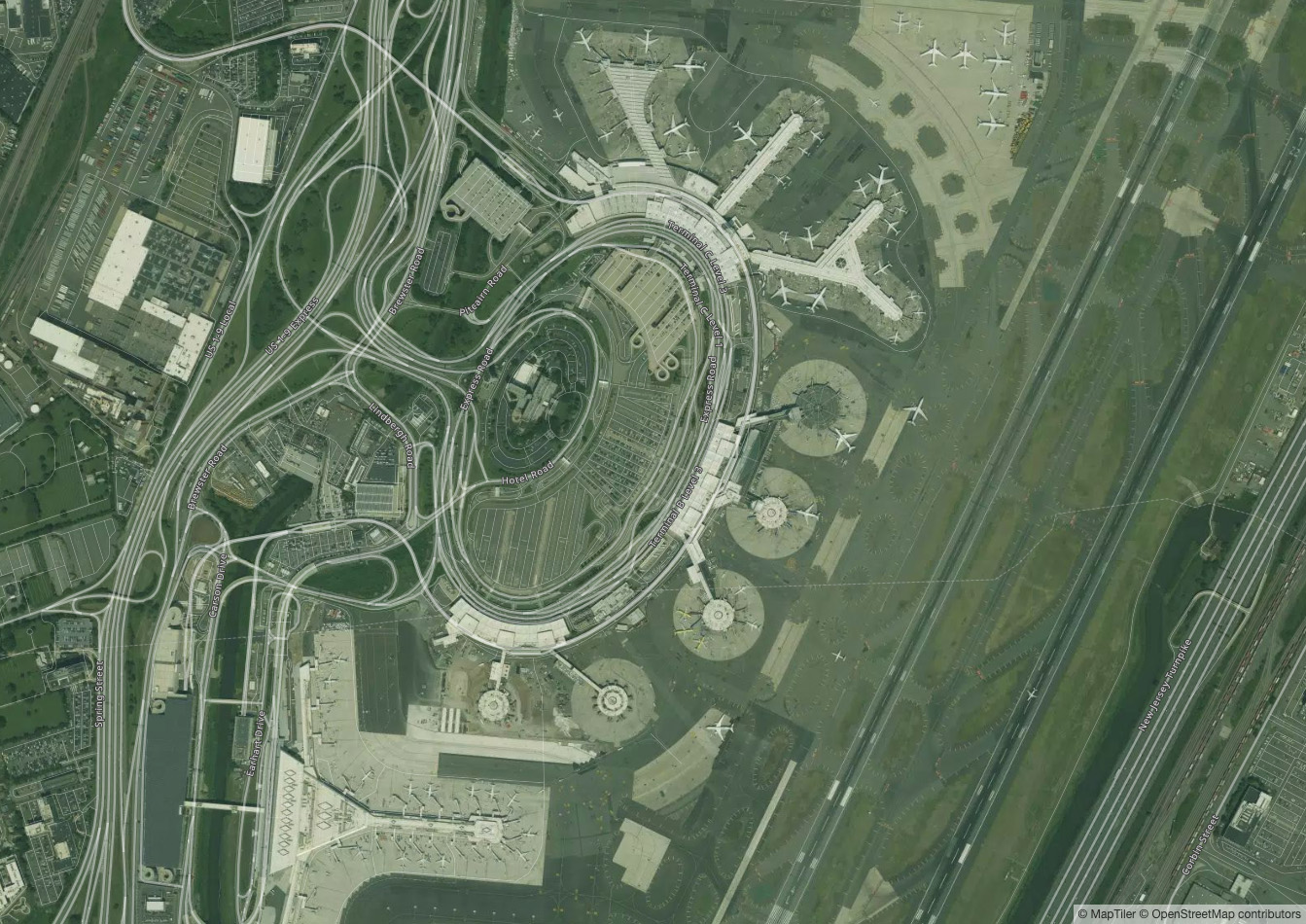
Unlike some airports where all international flights are consolidated into a single building, Newark distributes its international departures across three main terminals based on the airline and destination. Selecting the correct entry point is the first critical step in your journey.
Terminal B: The Foreign Flag Carrier Hub
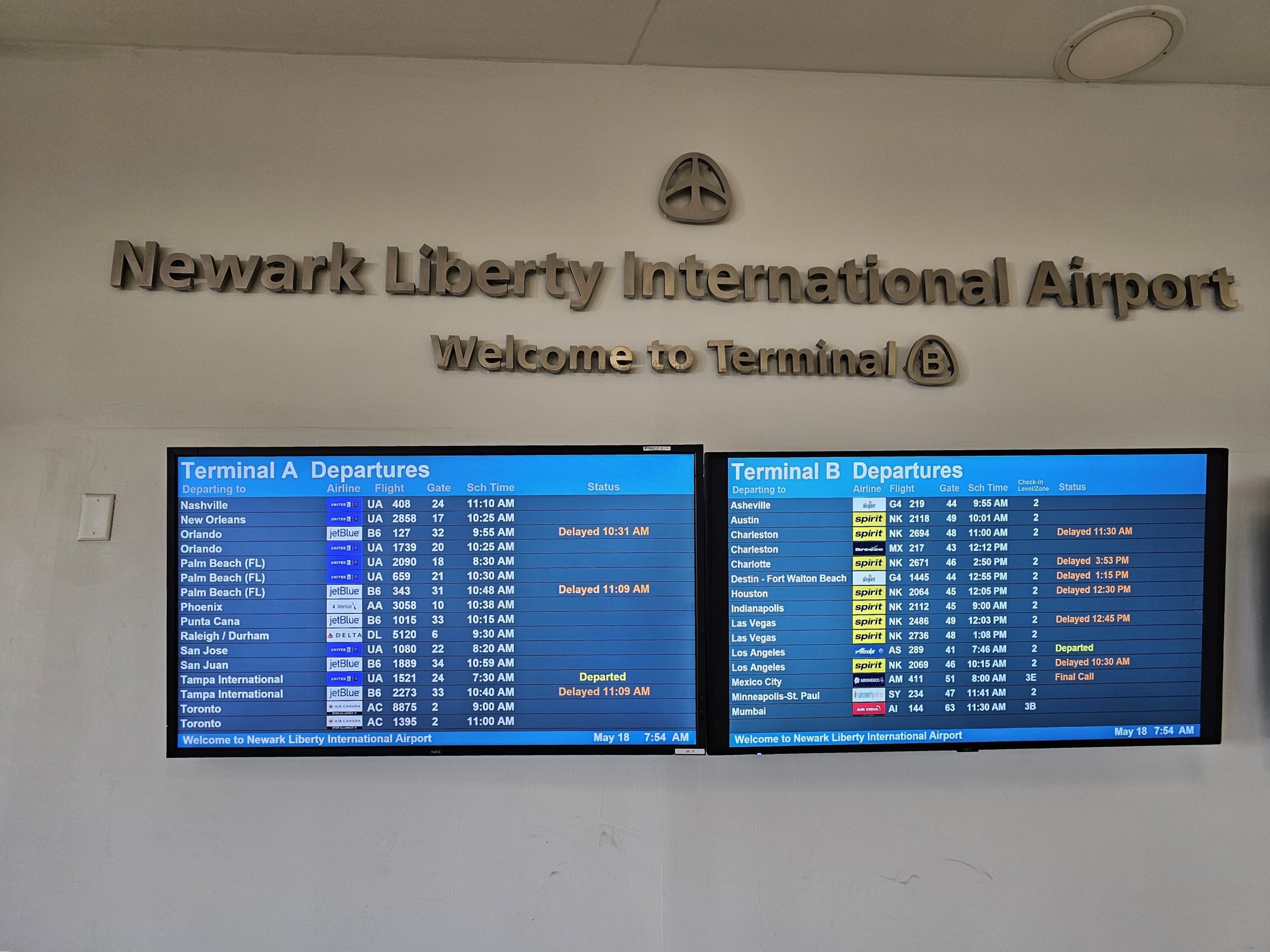
Terminal B is the primary facility for the majority of non-U.S. airlines. If you are flying with carriers such as Lufthansa, British Airways, Emirates, Singapore Airlines, or El Al, your journey begins here. Terminal B is unique because it is divided into three distinct satellite concourses (B1, B2, and B3).
Each satellite has its own security checkpoint. This is a crucial detail: if you clear security at Concourse B1 but your gate is in B3, you generally cannot move between them airside without exiting and re-screening. Always verify your gate number on the flight boards before entering a security line.
Terminal C: The United Airlines Global Gateway
Terminal C is almost exclusively dedicated to United Airlines. As United’s premier international hub on the East Coast, this terminal handles a massive volume of flights to Europe, Asia, and South America. Terminal C is divided into three levels: Level 1 for arrivals, Level 2 for economy check-in, and Level 3 for premier/business class check-in. The terminal is designed for high-capacity throughput, featuring an extensive array of automated kiosks and biometric bag drop stations that have become standard by 2026.
Terminal A: The New Standard
While Terminal A primarily handles domestic and regional flights (Air Canada and JetBlue being notable exceptions), it does occasionally handle international departures for specific partner airlines. If your flight departs from Terminal A, you will experience the most modern amenities Newark has to offer, including a state-of-the-art security screening process that utilizes computed tomography (CT) scanners, allowing you to keep electronics in your bags.
Ground Transportation and Terminal Access
Getting to the correct terminal at EWR is a logistical exercise that depends on your mode of arrival. The Port Authority of New York and New Jersey (PANYNJ) has optimized transit flows, but congestion remains a factor during peak periods.
The AirTrain System
The AirTrain EWR is the circulatory system of the airport. It connects all passenger terminals with the Newark Liberty International Airport Station (serving NJ Transit and Amtrak), the rental car center, and the long-term parking lots (P4).
By 2026, the AirTrain operates on a frequent schedule, typically every 3–5 minutes during peak hours. If you are arriving via rail from New York Penn Station or Philadelphia, the AirTrain transfer is mandatory. It is free to use between terminals but requires a paid ticket to enter or exit the NJ Transit/Amtrak station.
Parking and Drop-Off Logistics
For those driving or using ride-share services, Newark offers several parking tiers:
- Short-Term Parking: Located directly across from Terminals B and C. This is the most expensive option but offers the fastest access for those being dropped off with heavy luggage.
- Daily Parking (P4): Accessible via the AirTrain, this is a balanced option for multi-day international trips.
- Economy Parking: Usually located further out, requiring a longer AirTrain or shuttle ride.
Pro Tip: In 2026, pre-booking your parking via the official EWR website is highly recommended, as drive-up rates are significantly higher and lots frequently reach capacity during summer and holiday travel peaks.
Security, Documentation, and Biometric Integration
International travel from EWR involves more rigorous documentation checks than domestic flights. As of 2026, the integration of biometric technology has streamlined much of this process, but travelers must still be prepared for manual verifications.
Document Verification and Check-in
Most international airlines at EWR require a physical or digital document check before a boarding pass is issued. Even if you have checked in on a mobile app, you may be flagged to visit a kiosk or desk to have your passport scanned. United Airlines passengers in Terminal C can often use the "Travel-Ready Center" in the United app to upload visas and health documents in advance, bypassing the desk entirely.
TSA PreCheck and CLEAR
Both TSA PreCheck and CLEAR are widely available at EWR.
- Terminal C: Offers multiple CLEAR lanes and a dedicated TSA PreCheck area.
- Terminal B: Because Terminal B is split into satellites, CLEAR and PreCheck availability can vary by concourse. Generally, the B2 concourse (the main international satellite) is well-equipped.
- Biometric Boarding: Many international flights at EWR now utilize facial recognition for boarding. Instead of scanning a boarding pass at the gate, you simply look into a camera. This system is linked to the U.S. Customs and Border Protection (CBP) database to verify your departure.
| Service | Best For | Location at EWR |
|---|---|---|
| TSA PreCheck | Expedited screening (shoes on, laptops in bag) | All Terminals |
| CLEAR | Bypassing the initial ID check line | Terminals A, B, and C |
| Mobile Passport | Expedited re-entry (for arrivals) | All International Arrivals |
| United Polaris | Business class luxury and dining | Terminal C (near Gate C120) |
Lounges and Amenities for International Travelers
International flights often involve long layovers or early arrivals. Newark’s lounge ecosystem has expanded significantly to accommodate the needs of global travelers.
The United Polaris Lounge (Terminal C)
For those flying in United Polaris business class, the Polaris Lounge near Gate C120 is the gold standard. It offers sit-down dining, shower suites, and quiet daybeds. This is a dedicated space for long-haul travelers and is distinct from the standard United Clubs found elsewhere in the terminal.
Terminal B Lounges
Terminal B hosts a variety of "contract" lounges and airline-specific clubs:
- Lufthansa Senator Lounge: A high-end option for Star Alliance Gold members and premium passengers.
- British Airways Galleries Club: Located in the B3 satellite.
- SAS Lounge: Known for its minimalist Scandinavian design and excellent buffet.
- Delta Sky Club: Though Delta has a larger presence at LGA and JFK, its Terminal B lounge at EWR remains a robust option for SkyTeam travelers.
Terminal A: The New Centurion and More
Terminal A features a massive American Express Centurion Lounge, which opened to provide a premium experience for cardholders regardless of their airline. This terminal also boasts a curated selection of New Jersey-centric dining and retail, making it a more pleasant place to wait than the older sections of Terminal B.
A Step-by-Step International Departure Timeline
To ensure a smooth departure from EWR, follow this recommended timeline, adjusted for 2026 traffic and security patterns:
- T-Minus 4 Hours: Depart for the airport. Whether taking the train or driving, Newark traffic (especially on the I-95/New Jersey Turnpike) is notoriously unpredictable.
- T-Minus 3 Hours: Arrive at your terminal. This allows one hour for bag drop and document verification, which can be slow for international flights.
- T-Minus 2 Hours: Complete security screening. Even with PreCheck, peak international windows (5:00 PM – 9:00 PM) can see significant volume.
- T-Minus 90 Minutes: Navigate to your gate. In Terminal B, this might involve a walk between concourses if you used a different security entrance. In Terminal C, the walk from the security hub to the C120+ gates can take 15 minutes.
- T-Minus 60 Minutes: International boarding typically begins. Many wide-body aircraft (like the Boeing 777 or Airbus A350) require a full hour to board.
Common Mistakes to Avoid
- Wrong Terminal for United: United operates out of both Terminal C and Terminal A. While most international flights are in C, check your app. If you end up in the wrong one, the AirTrain or the "United Terminal Transfer" bus (airside) can save you.
- Ignoring Concourse Splits in Terminal B: Do not enter the security line for B1 if your flight is at B3. You will have to exit and re-screen.
- Underestimating the Walk to Gate C120: Terminal C is deceptively long. If your gate is at the far end of the "fingers," allow extra time.
- Wait Times for Biometrics: While biometric boarding is faster, it can occasionally glitch. Keep your physical passport handy at all times; do not pack it in your carry-on once you reach the gate.
Frequently Asked Questions
Which terminal at EWR is for international flights?
International flights depart from both Terminal B and Terminal C. Terminal B handles most foreign carriers (e.g., Emirates, Lufthansa, Aer Lingus), while Terminal C is the primary hub for United Airlines' international network. Occasionally, Terminal A handles international flights for carriers like Air Canada.
How early should I arrive at Newark for an international flight?
It is standard practice to arrive at least three hours before your scheduled departure. This accounts for potential delays in the AirTrain system, document verification at the check-in desk, and the thorough security screenings required for overseas travel.
Can I move between terminals at EWR without leaving the secure area?
Only United Airlines passengers can move between Terminals A and C airside using the complimentary shuttle bus. For all other terminals and airlines, you must exit the secure area, take the AirTrain to your new terminal, and pass through security again.
Does Newark Airport have a dedicated international terminal?
No, Newark does not have a single "International Terminal." While Terminal B was originally designed for this purpose, the growth of United Airlines means Terminal C also handles a massive volume of international traffic. Always check your boarding pass for the correct terminal letter.
Is there a place to sleep or rest during a long international layover?
Terminal C offers the most amenities, but for dedicated rest, you should look into lounge access. If you are not eligible for a lounge, Terminal A has the most modern seating areas with integrated charging stations. For overnight stays, the Newark Liberty International Airport Marriott is located on-site and accessible via a shuttle.
What is the best way to get from Terminal B to Terminal C?
The most efficient way is the AirTrain EWR. It runs 24/7 and the journey between B and C takes approximately 3 minutes. Ensure you follow the signs for "All Terminals" when boarding the AirTrain.
Practical Recommendation
For the most seamless experience navigating EWR international departures in 2026, download the official United Airlines app or the PANYNJ "Ride Safe" app. These tools provide real-time updates on security wait times and AirTrain status. If you are flying with a foreign carrier from Terminal B, double-check your concourse (B1, B2, or B3) before you arrive, as the terminal's split-concourse design is the most common cause of traveler confusion. Finally, always utilize Mobile Passport Control (MPC) for your return journey to Newark to significantly bypass the standard customs lines.
Image Gallery