Understanding Exercise Motivation and Its Complex Drivers
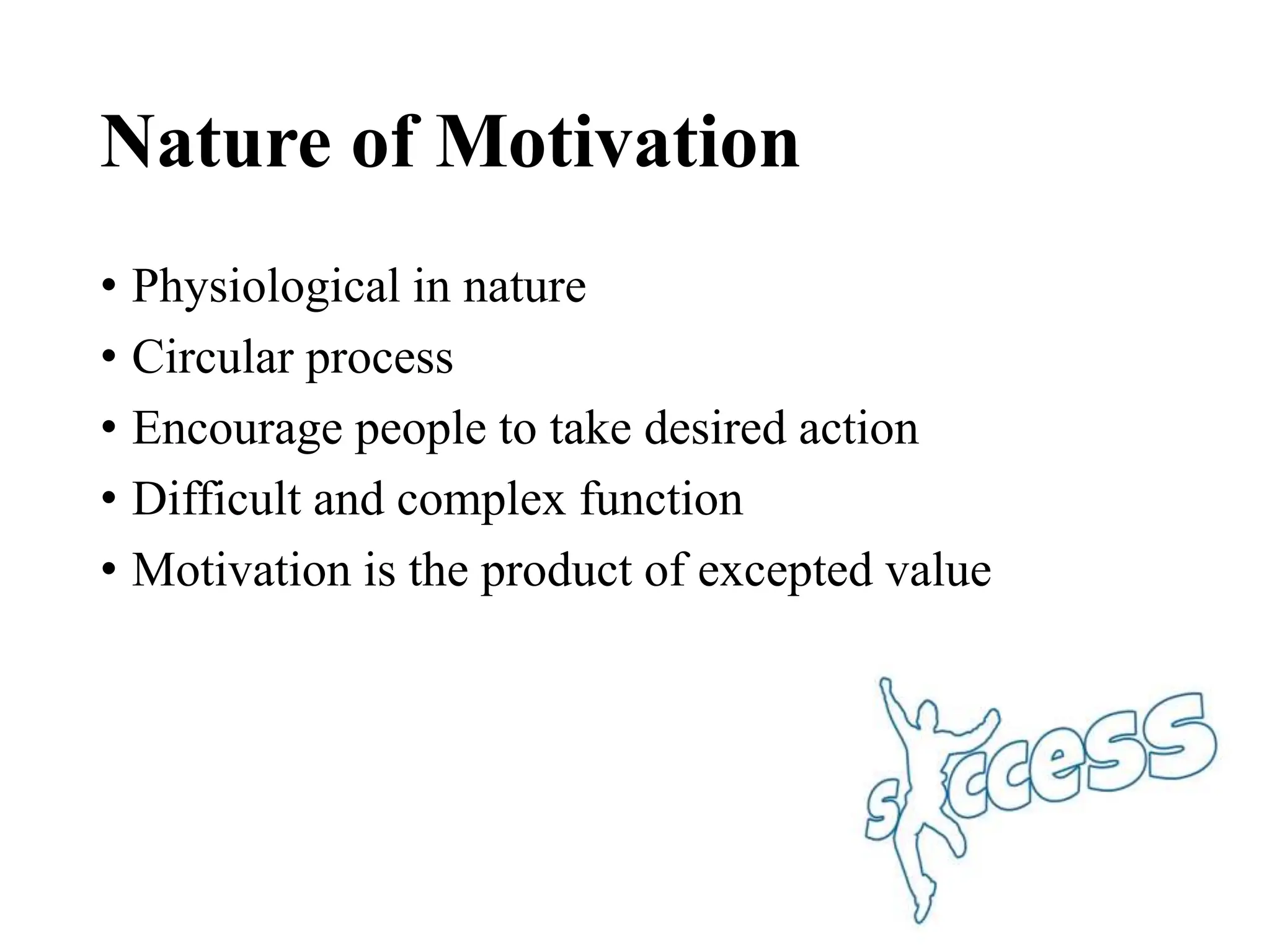
Exercise motivation is a multifaceted psychological and biological construct driven by the synergy of neurobiological rewards, psychological needs for autonomy and competence, and environmental facilitators. Unlike the common perceptio...
Exercise motivation is a multifaceted psychological and biological construct driven by the synergy of neurobiological rewards, psychological needs for autonomy and competence, and environmental facilitators. Unlike the common perception of willpower as a finite resource, sustainable motivation relies on transitioning from extrinsic pressures—such as social approval—to intrinsic satisfaction through structured habit formation and the fulfillment of basic psychological needs.
Contents
The Psychological Spectrum: Self-Determination Theory
To understand why some individuals maintain a lifelong commitment to physical activity while others struggle to start, we must look at Self-Determination Theory (SDT). Developed by psychologists Edward Deci and Richard Ryan, SDT remains the gold standard for explaining human motivation in 2026. It suggests that humans have three innate psychological needs: autonomy, competence, and relatedness.
Autonomy refers to the feeling of being the origin of one’s own behavior. When an individual chooses an exercise because they enjoy the movement, rather than because a doctor or a fitness app "ordered" them to do it, their motivation is more resilient. Competence involves the need to feel effective in one’s environment. As individuals master a new yoga pose or hit a personal best in weightlifting, the sense of mastery fuels the desire to continue. Relatedness is the need to feel connected to others. This explains the massive success of community-based fitness models and digital social fitness platforms that have dominated the market through 2026.
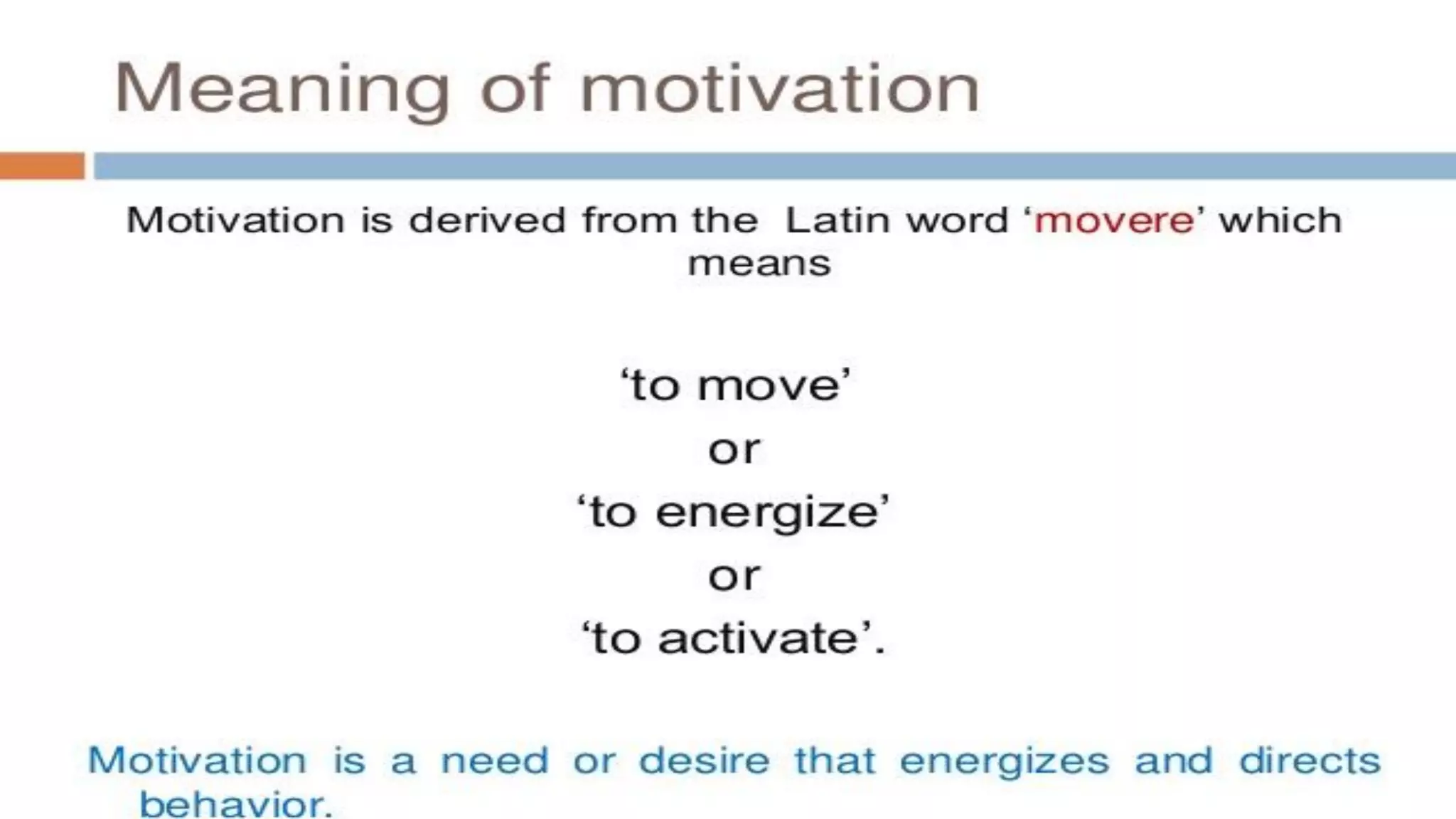
According to Self-Determination Theory, motivation exists on a continuum rather than being a simple "on/off" switch. At one end is amotivation (lack of intent), moving through extrinsic motivation (driven by external rewards or guilt), and ending at intrinsic motivation (driven by the inherent enjoyment of the activity).
The Neurobiology of Movement: Why the Brain Craves (or Resists) Exercise
The "complex drivers" of exercise are not purely mental; they are deeply rooted in our neurobiology. The brain’s reward system, primarily the mesolimbic dopamine pathway, plays a critical role in how we perceive the effort of exercise versus its rewards.
The Role of Dopamine and Endocannabinoids
Dopamine is often misunderstood as a "pleasure" chemical, but in the context of exercise, it acts as a molecule of "anticipation" and "wanting." When we exercise, the brain eventually releases neurotransmitters that mitigate pain and induce euphoria. While "endorphins" are the most famous, research has increasingly highlighted the role of endocannabinoids—the body’s self-produced cannabis-like compounds. These lipids are small enough to cross the blood-brain barrier, contributing significantly to the "runner's high" and the reduction of post-workout anxiety.
The Evolutionary "Lazy" Brain
Evolutionary biology presents a significant hurdle: the "energy conservation" instinct. For most of human history, calories were scarce, and unnecessary movement was a survival risk. In 2026, our biological hardware still nudges us toward sedentary behavior to conserve energy. Overcoming this requires more than just "motivation"; it requires lowering the "activation energy" of the task through environmental design.
Extrinsic vs. Intrinsic Drivers: A Comparison
The effectiveness of motivation often depends on its source. While extrinsic drivers can jumpstart a routine, they rarely sustain it for decades.
| Feature | Extrinsic Motivation | Intrinsic Motivation |
|---|---|---|
| Primary Source | External rewards, weight loss, social praise. | Enjoyment, challenge, personal growth. |
| Sustainability | Low; often fails once the goal is reached. | High; the activity is its own reward. |
| Psychological Impact | Can feel like a "chore" or "obligation." | Promotes flow states and mental well-being. |
| 2026 Trend | Gamification via tokens and digital badges. | Mindful movement and "exercise as medicine." |
| Example | Exercising to fit into a specific outfit. | Running because it provides clarity of thought. |
Environmental and Socioeconomic Determinants
Motivation does not exist in a vacuum. A person’s ability to "feel motivated" is heavily influenced by their environment—a concept known as Social Determinants of Health. Access to safe parks, the cost of gym memberships, and even urban walkability are structural drivers of physical activity.
For many, the lack of exercise is not a "willpower failure" but a "time and resource deficit." High-stress levels and sleep deprivation—common in modern professional life—deplete the prefrontal cortex's capacity for executive function, making it harder to choose a workout over sedentary rest. By 2026, many corporate wellness programs have shifted focus from "encouraging" exercise to providing the structural time and facilities to make it a friction-less choice.
The Role of Habit Formation and Identity
One of the most powerful drivers of long-term exercise is the transition from intentional behavior to automatic habit. Habits are stored in the basal ganglia, a different part of the brain than the conscious decision-making centers.
The Habit Loop
The habit loop consists of a cue, a routine, and a reward.
- Cue: A specific time of day or placing running shoes by the door.
- Routine: The actual workout.
- Reward: The post-exercise dopamine hit or a specific healthy treat.
Over time, the brain begins to anticipate the reward as soon as the cue is perceived, making the "decision" to exercise unnecessary. Furthermore, when exercise becomes part of an individual's identity—moving from "I am trying to run" to "I am a runner"—the psychological cost of maintaining the habit drops significantly.
Cognitive Benefits as a Modern Driver
By 2026, the primary driver for exercise has shifted significantly from aesthetic goals to cognitive longevity. With an aging global population and rising awareness of neurodegenerative diseases, the role of exercise in producing Brain-Derived Neurotrophic Factor (BDNF) has become a major motivational hook. BDNF acts like "Miracle-Gro" for the brain, supporting the survival of existing neurons and encouraging the growth of new ones. This shift toward "brain health" has engaged a demographic that was previously unmoved by traditional fitness marketing.
Practical Strategies for Enhancing Motivation
To leverage these complex drivers, individuals and practitioners can adopt specific, evidence-based strategies:
- Implementation Intentions: Use "if-then" planning. "If it is 5:00 PM on Tuesday, then I will go to the swimming pool." This offloads the cognitive burden of decision-making.
- Temptation Bundling: Only allow yourself to enjoy a favorite podcast or audiobook while exercising. This pairs an immediate extrinsic reward with the exercise routine.
- Micro-Goals: Focus on the "minimum effective dose." On low-motivation days, commit to just five minutes of movement. Often, the hardest part of the driver is the initiation; once started, the biological systems take over.
- Social Accountability: Utilize the "relatedness" driver by joining groups. According to the World Health Organization, social support is a primary indicator of physical activity adherence across all age groups.
Frequently Asked Questions
Why do I lose motivation after the first few weeks of a new routine?
This is often due to the "novelty effect" wearing off. Initially, the brain is stimulated by the newness of the routine, providing a temporary dopamine spike. As the routine becomes familiar, the extrinsic "spark" fades. To counter this, you must transition to habit-based cues or find intrinsic value in the movement itself.
Can wearable technology actually increase long-term motivation?
Wearables can be highly effective for "competence" by providing clear data on progress. However, they can also backfire if they make exercise feel like a job. The key is to use the data as a tool for self-discovery rather than a strict judge of performance.
Is "willpower" a real thing in exercise?
Willpower is better thought of as executive function. It is a limited cognitive resource that can be exhausted by stress and decision fatigue. Successful exercisers don't have "more" willpower; they design their lives to require less of it by building habits and environment-based cues.
How does sleep affect exercise motivation?
Sleep is perhaps the most underrated biological driver. Lack of sleep increases levels of adenosine and cortisol while decreasing the sensitivity of dopamine receptors. This makes the effort of exercise feel much higher and the reward feel much lower, effectively "braking" your motivational drive.
Does the type of exercise matter for motivation?
Yes. Adherence is highest when the exercise aligns with an individual's psychological needs. Someone who craves social interaction will find more motivation in team sports or CrossFit, while someone seeking mental clarity may be more driven by solo swimming or trail running.
Recommendation for Next Actions
To cultivate sustainable exercise motivation, move away from the "all-or-nothing" mindset. Start by identifying your primary "why"—ideally one rooted in how you feel (mental clarity, energy levels) rather than how you look. Audit your environment to remove friction: set out your clothes the night before and choose a facility that is on your existing commute. Finally, prioritize consistency over intensity; building the neural pathways for a daily habit is more valuable for long-term health than an occasional high-intensity workout that leads to burnout.
Image Gallery