Major Art Heists: What Has Been Stolen From the Louvre?
The most famous item ever stolen from the Louvre is Leonardo da Vinci’s Mona Lisa, taken in 1911 by Vincenzo Peruggia. Other notable thefts include Jean-Baptiste-Camille Corot’s Chemin de Sèvres in 1998 and Antoine Watteau’s L’Indiffér...
The most famous item ever stolen from the Louvre is Leonardo da Vinci’s Mona Lisa, taken in 1911 by Vincenzo Peruggia. Other notable thefts include Jean-Baptiste-Camille Corot’s Chemin de Sèvres in 1998 and Antoine Watteau’s L’Indifférent in 1939. While security is now state-of-the-art in 2026, the museum has lost dozens of smaller antiquities over the centuries.
Contents
The Musée du Louvre in Paris is the world's largest art museum, housing over 35,000 objects on display and hundreds of thousands more in storage. Because of its prestige and the astronomical value of its collection, it has been a target for thieves ranging from political activists to professional art traffickers and eccentric loners. To understand what has been stolen from the Louvre, one must look past the famous 1911 heist and examine a history of daring daytime thefts, "gentleman" burglars, and the ongoing struggle to protect small, portable antiquities.
The 1911 Theft of the Mona Lisa
The theft of the Mona Lisa (La Gioconda) remains the most significant event in the history of museum security. On August 21, 1911, the painting was taken from the Salon Carré. At the time, the theft was so unthinkable that the museum staff initially assumed the painting had been moved by the house photographers.
How the Heist Occurred
The thief was Vincenzo Peruggia, an Italian handyman who had been hired by the Louvre to build glass cases for some of its most famous works. Peruggia’s method was deceptively simple. He entered the museum during normal hours, hid in a broom closet overnight, and emerged the next morning when the museum was closed for maintenance.
Wearing a white worker’s smock—the standard uniform for museum employees—he unhooked the Mona Lisa from the wall. In a nearby staircase, he removed the frame and hid the wooden panel under his smock. He famously struggled with a locked door on his way out, but was helped by a passing plumber who opened it for him, unaware of what was hidden under Peruggia’s clothes.
The Motive and Recovery
Peruggia was a nationalist who believed the Mona Lisa had been stolen from Italy by Napoleon Bonaparte and belonged in an Italian museum. In reality, Leonardo da Vinci had brought the painting to France himself when he moved there under the patronage of King Francis I.
The painting remained missing for over two years, during which time its fame skyrocketed due to global media coverage. Peruggia was finally caught in 1913 when he attempted to sell the painting to Alfredo Geri, an art dealer in Florence. The Mona Lisa was returned to the Louvre in 1914 after a brief exhibition tour in Italy. This event transformed the painting from a respected masterpiece into a global icon.
The 1998 Daytime Theft: Corot’s "Chemin de Sèvres"
On May 3, 1998, the Louvre suffered one of its most embarrassing modern security breaches. During regular visiting hours, a thief managed to cut Jean-Baptiste-Camille Corot’s Chemin de Sèvres (The Road to Sèvres) directly from its frame.
The Audacity of the Act
The painting, a relatively small landscape measuring about 13 by 18 inches, was located in a room on the second floor of the Richelieu wing. Despite the presence of hundreds of visitors and security guards, the thief used a sharp blade to excise the canvas, leaving the gilded frame hanging on the wall.
The theft highlighted a critical vulnerability: the museum’s reliance on "zone" guarding, where a single guard might be responsible for several interconnected rooms. The thief likely timed the move for a moment when the guard was in an adjacent gallery.
Current Status in 2026
As of 2026, Chemin de Sèvres remains unrecovered. It is listed on the Interpol Stolen Works of Art Database. Because the painting is so well-known in the art world, it is virtually impossible to sell on the open market, leading investigators to believe it may be in a private collection or used as "underground currency" in the criminal world.
The 1939 Case of the "Restorer" Thief
In June 1939, just months before the outbreak of World War II, Antoine Watteau’s L’Indifférent was stolen from the Louvre. This case was unique because of the thief's motivation.
Serge Bogousslavsky, a young art student and self-proclaimed "restorer," took the painting because he believed it had been poorly restored by the museum's official conservators. He wanted to "fix" the colors and the varnish himself to bring it back to its original 18th-century glory.
Unlike professional thieves, Bogousslavsky eventually turned himself in and returned the painting. While the work was recovered quickly, the incident led to a massive overhaul of the Louvre’s internal security protocols and a heated debate in Paris regarding the ethics of art restoration.
Small-Scale Thefts and Stéphane Breitwieser
Not all thefts from the Louvre involve famous paintings. The museum has a long history of losing smaller, highly portable items like statuettes, jewelry, and ivory carvings.
One of the most prolific art thieves in history, Stéphane Breitwieser, claimed to have stolen multiple items from museums across Europe, including the Louvre, during the late 1990s. Breitwieser did not steal for profit; he stole for "aesthetic pleasure," keeping the items in his bedroom at his mother’s house.
While his most famous thefts occurred in smaller regional museums, his ability to lift items from major institutions underscored the difficulty of protecting 35,000 objects simultaneously. His mother eventually destroyed or threw away many of the stolen artworks to hide evidence, though some were recovered from the Rhine River.
Comparison of Notable Louvre Thefts
| Year | Artwork/Object | Artist/Origin | Status | Recovery Date |
|---|---|---|---|---|
| 1911 | Mona Lisa | Leonardo da Vinci | Recovered | 1913 |
| 1939 | L'Indifférent | Antoine Watteau | Recovered | 1939 |
| 1976 | 15 Minor Paintings | Various | Partially Recovered | 1976-1977 |
| 1998 | Chemin de Sèvres | Jean-Baptiste-Camille Corot | Missing | N/A |
| 1998 | The Seated Scribe (Attempt) | Ancient Egypt | Prevented | N/A |
| 2000s | Various Antiquities | Ancient civilizations | Ongoing Audits | Varies |
The "Internal" Theft: Looting and Repatriation
In the modern era, the conversation around what was "stolen" from the Louvre has shifted. Many of the museum's most prized possessions—such as the Rosetta Stone (briefly held before being taken by the British) or various Egyptian and Italian antiquities—were acquired during the Napoleonic Wars or the colonial era.
While these items were not "stolen" by burglars in the traditional sense, many nations have filed formal claims for their return, arguing they were taken under duress or through illicit colonial channels.
- The Code of Hammurabi: Claimed by modern-day Iraq.
- Egyptian Antiquities: Periodic requests from the Egyptian government for the return of various sarcophagi and statues.
- The Benin Bronzes: Ongoing discussions regarding West African artifacts.
In 2026, the Louvre continues to work with UNESCO to navigate these restitution claims, which many activists categorize as a form of historical theft that must be rectified.
Modern Security Measures at the Louvre
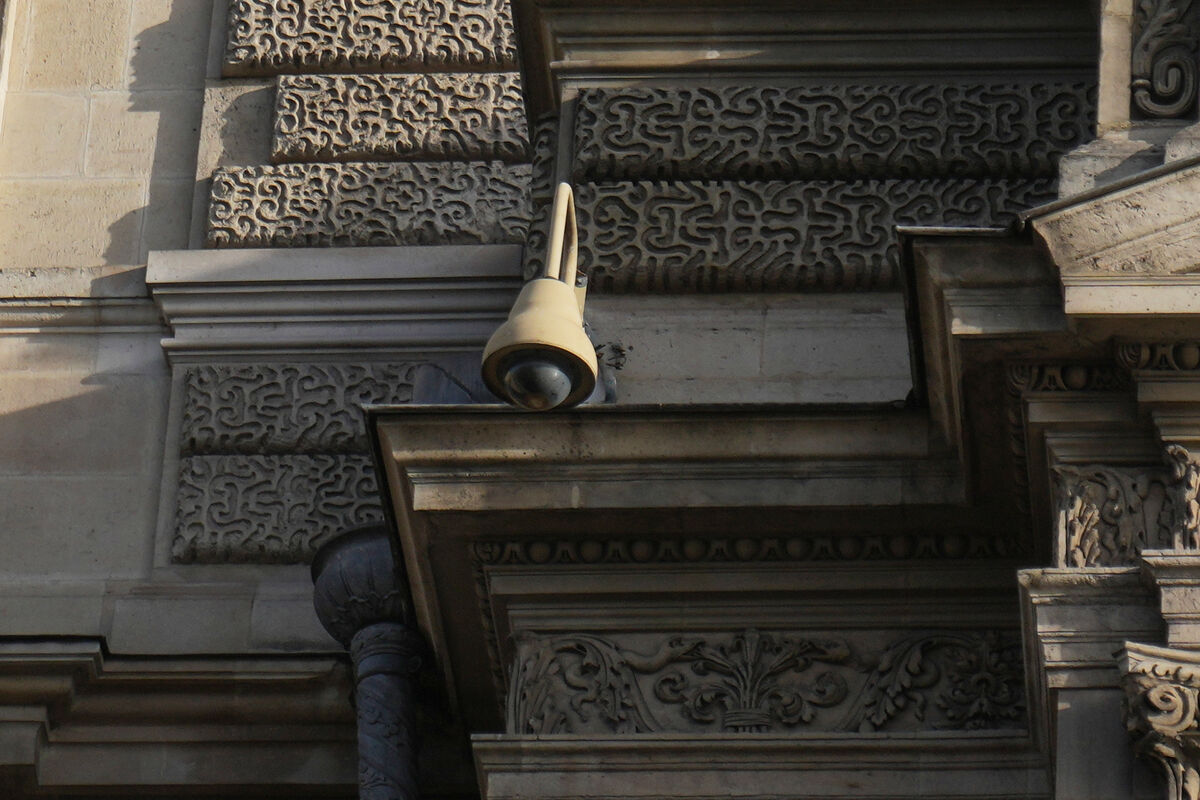
By 2026, the Louvre has implemented some of the most advanced security systems in the world to prevent a recurrence of the 1998 Corot theft.
- Laser Grids and Pressure Sensors: Most high-value paintings are protected by invisible laser curtains. If a hand crosses the plane of the laser, an alarm sounds instantly.
- AI-Enhanced Surveillance: The museum uses computer vision software that can detect "unusual behavior," such as a visitor lingering too long near a frame or making sudden movements toward an artwork.
- Vibration Monitoring: Sensors attached to the backs of frames can detect the micro-vibrations of a blade cutting through canvas or a frame being unhooked.
- The "Glass Box" Strategy: Following the 2022 and 2024 vandalism attempts where soup and cake were thrown at the Mona Lisa, almost all Tier-1 masterpieces are now behind non-reflective, bulletproof glass.
Frequently Asked Questions
Has the Mona Lisa ever been stolen more than once?
No, the Mona Lisa has only been successfully stolen once, in 1911. However, it has been the target of several vandalism attempts, including being splashed with acid in the 1950s and having soup thrown at its protective glass in 2024.
What is the most valuable item currently missing from the Louvre?
The Chemin de Sèvres by Corot is widely considered the most valuable painting currently missing from the museum's collection due to a theft. While its market value is hard to pinpoint, it is worth several million dollars.
Is it possible to buy stolen art from the Louvre?
No. Any item stolen from a major national museum like the Louvre is registered with the Art Loss Register and Interpol. No legitimate auction house or gallery will touch these items, and they are effectively unsellable on the legal market.
How do thieves get past the guards?
Historically, thieves exploited the "blind spots" in the museum's layout and the predictable routines of the guards. In the 1911 and 1998 cases, the thieves succeeded by blending in—one as a worker and the other as a standard visitor—and acting with extreme confidence.
Are there secret tunnels under the Louvre used by thieves?
While the Louvre has an extensive network of underground service tunnels and the "Grand Louvre" project expanded the subterranean areas, there are no documented cases of thieves using secret tunnels to enter or exit. Security at all entry and exit points, including service vents, is strictly monitored.
Final Recommendations for Art Enthusiasts
If you are interested in the history of art theft or want to track the recovery status of missing works, the best resource is the Musée du Louvre’s official database (Collections) and the Interpol Stolen Works of Art mobile app. These platforms provide updated lists of cultural property that has been illicitly removed from their original contexts. For those visiting the Louvre, remember that security is now comprehensive; even minor infractions can lead to permanent bans and legal prosecution under French cultural heritage laws.
Image Gallery