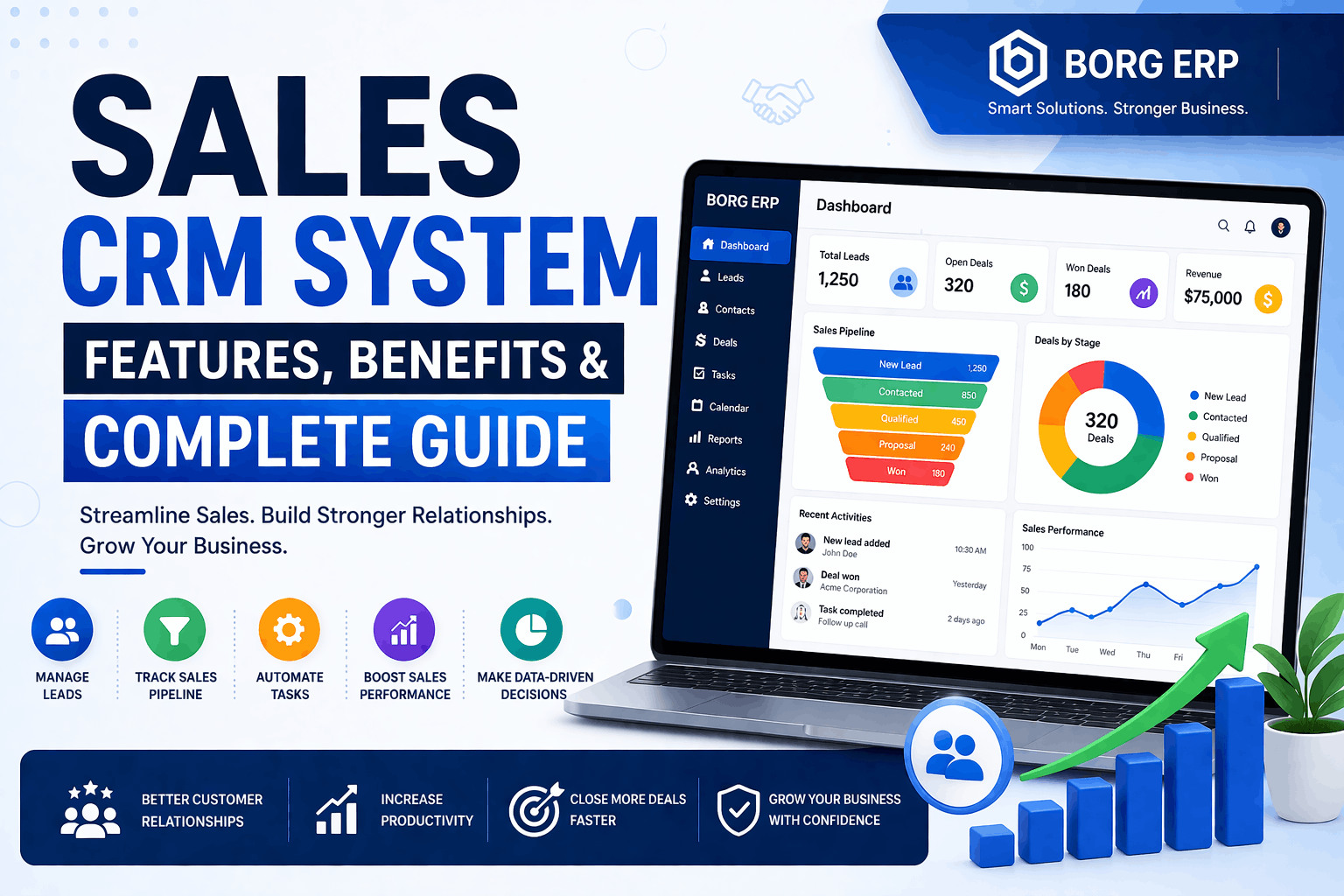
Key Benefits of CRM Software: Transforming Modern Business Operations
CRM software centralizes customer data, automates repetitive sales tasks, and provides actionable insights through advanced predictive analytics. By streamlining cross-departmental communication and personalizing customer interactions...
CRM software centralizes customer data, automates repetitive sales tasks, and provides actionable insights through advanced predictive analytics. By streamlining cross-departmental communication and personalizing customer interactions at scale, organizations can significantly improve retention rates, optimize marketing spend, and drive sustainable revenue growth in the competitive landscape of 2026.
Contents
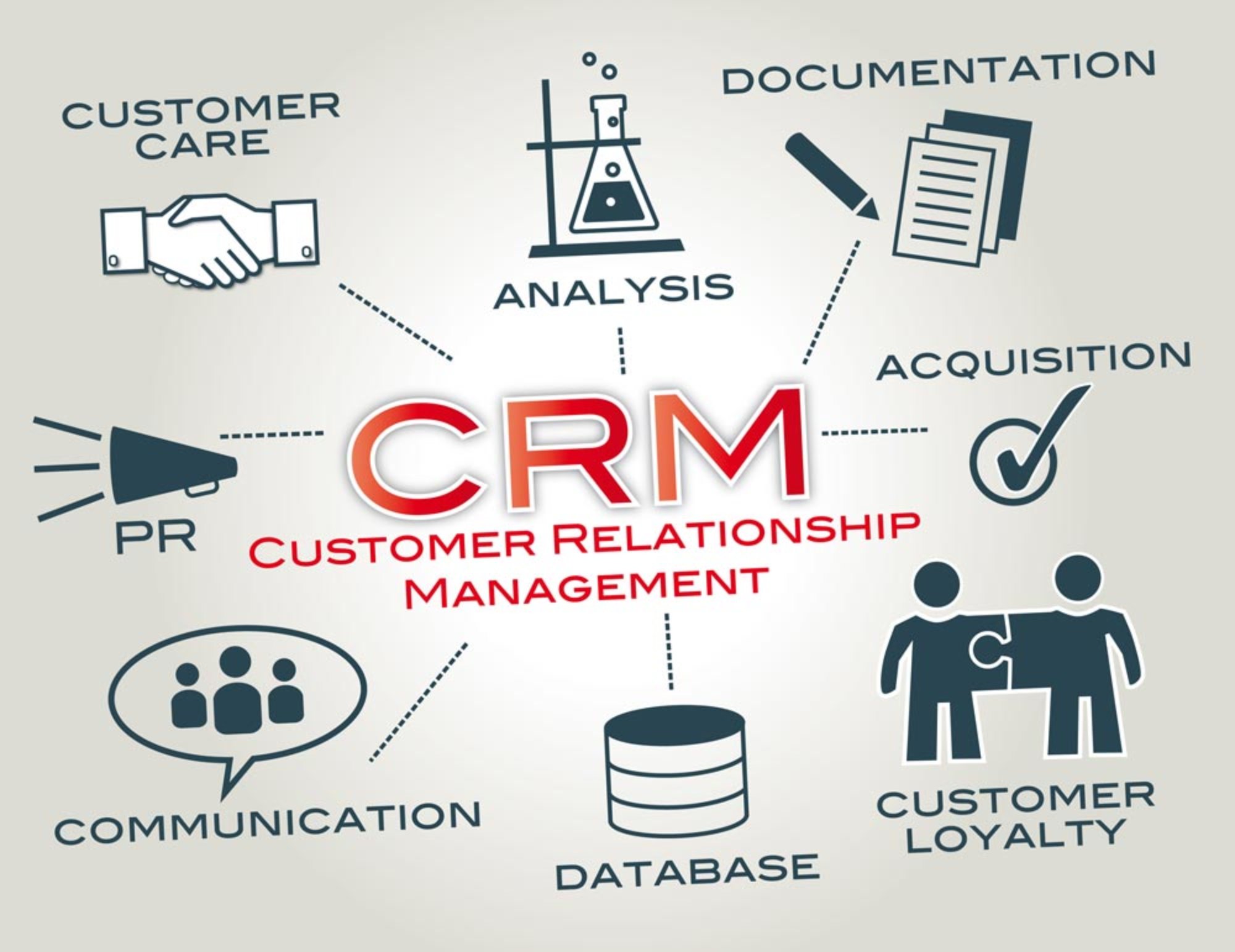
Customer Relationship Management (CRM) software has evolved from a simple digital Rolodex into the central nervous system of the modern enterprise. As businesses navigate 2026, the reliance on fragmented spreadsheets and manual data entry has become a primary bottleneck for growth. A robust CRM system acts as a unified platform where sales, marketing, and customer service teams converge to manage every touchpoint of the buyer’s journey. The following sections detail the multi-faceted benefits of implementing a CRM, ranging from operational efficiency to long-term strategic advantages.
1. Centralized Data Management and the "Single Source of Truth"
One of the most immediate benefits of CRM software is the elimination of data silos. In many organizations, customer information is scattered across email inboxes, local spreadsheets, and disparate messaging apps. This fragmentation leads to "dirty data," where different departments have conflicting information about the same client.
By centralizing all information into a single database, a CRM creates a "single source of truth." This ensures that whether a customer speaks to a support agent or a sales representative, the employee has instant access to their entire history, including previous purchases, support tickets, and communication preferences. This structural organization is a prerequisite for any business looking to scale without losing the quality of their customer interactions.
Technical Integrity and Accessibility
Modern CRM platforms utilize cloud-based architectures to ensure that data is accessible in real-time across global offices. The technical benefit here is twofold: synchronization and security. When a field is updated in the CRM, it reflects instantly for all users. Furthermore, centralized storage allows for more robust security protocols, such as multi-factor authentication and role-based access control (RBAC), which are harder to enforce when data is decentralized.
2. Enhanced Sales Productivity and Pipeline Visibility
For sales teams, a CRM is less about record-keeping and more about velocity. By automating the administrative burden associated with sales, representatives can spend more time on high-value activities like prospecting and closing deals.
Automated Lead Management
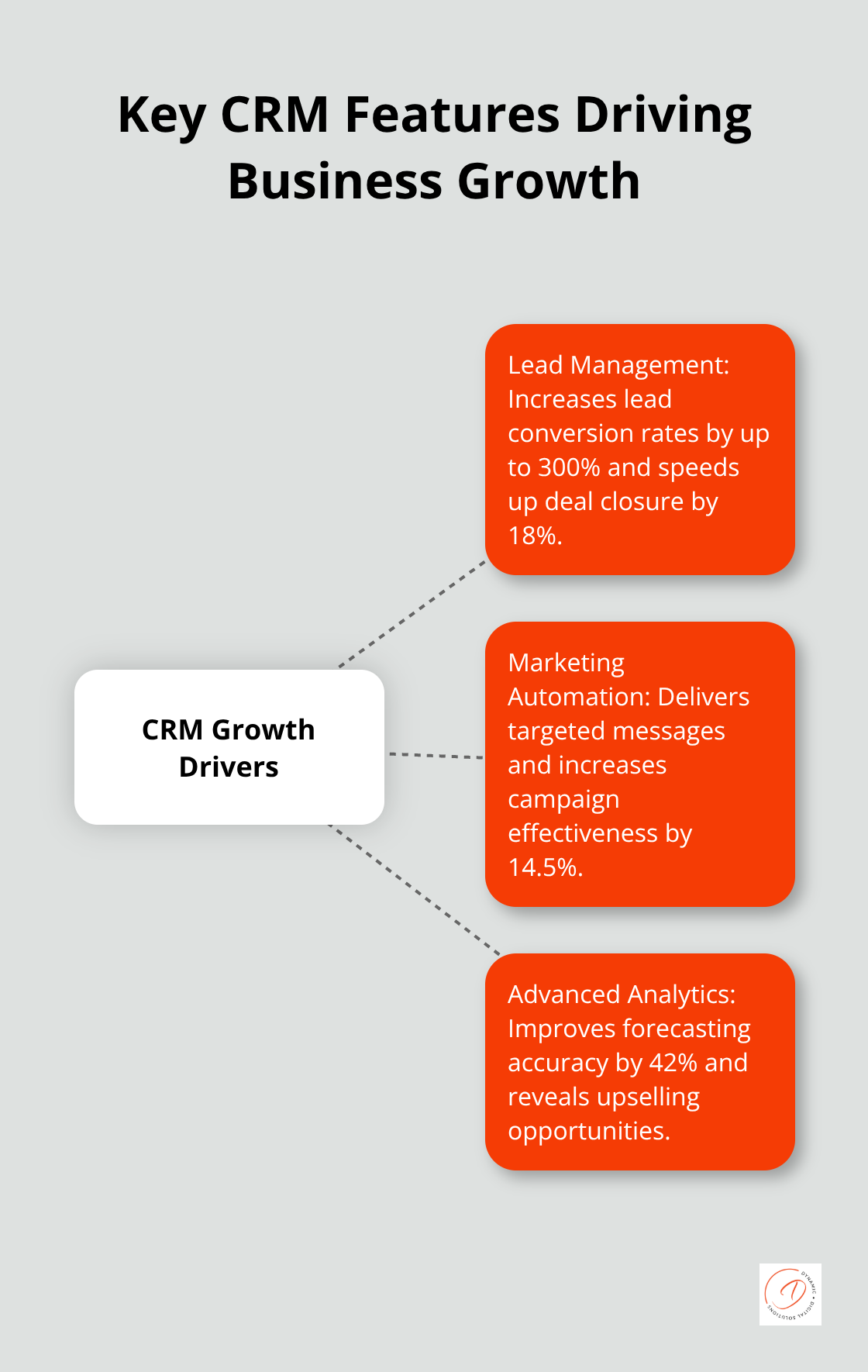
A CRM automatically captures leads from various sources—such as web forms, social media, and third-party integrations—and assigns them to the appropriate representative based on pre-defined logic. This reduces the "time-to-first-touch," a critical metric in lead conversion. According to research from Harvard Business Review, businesses that contact prospects within an hour are nearly seven times more likely to have meaningful conversations than those who wait even 24 hours.
Visualizing the Sales Funnel
The software provides a visual representation of the sales pipeline, allowing managers to see exactly where deals are stalling. In 2026, these pipelines are often enhanced with AI-driven "health scores" that flag deals at risk of falling through. This visibility allows for more accurate revenue forecasting and helps leadership make informed decisions about resource allocation.
3. Improved Customer Retention and Personalization
Acquiring a new customer is significantly more expensive than retaining an existing one. CRM software facilitates long-term loyalty by enabling a level of personalization that is impossible to achieve manually at scale.
Anticipating Customer Needs
With comprehensive historical data, businesses can transition from reactive support to proactive engagement. For example, if a CRM shows that a client typically reorders a specific product every six months, the system can trigger an automated reminder for the account manager to reach out in month five. This "proactive service model" demonstrates a deep understanding of the client’s business, fostering trust and reducing churn.
Segmentation and Targeted Communication
CRM tools allow users to segment their database into granular lists based on demographics, purchase history, or engagement levels. This means marketing teams can send highly relevant content rather than generic "blast" emails. Personalized communication has been shown to increase open rates and click-through rates, as the content resonates more closely with the recipient's current pain points or interests.
4. Data-Driven Decision Making and Advanced Analytics
In 2026, the competitive advantage lies not just in having data, but in the ability to interpret it. CRM software transforms raw customer interactions into sophisticated reports and dashboards.
Predictive Analytics
Modern CRM systems leverage machine learning to analyze historical patterns and predict future outcomes. This includes identifying which marketing channels yield the highest ROI, predicting when a customer is likely to churn, and identifying "lookalike" prospects who share characteristics with the company’s most profitable clients.
Operational KPIs
Managers can track key performance indicators (KPIs) such as:
- Customer Acquisition Cost (CAC): The total spend required to gain a new customer.
- Customer Lifetime Value (CLV): The total revenue expected from a single client over the duration of the relationship.
- Conversion Rates: The percentage of leads that progress through each stage of the funnel.
Access to these metrics in real-time allows for "course correction" during a quarter, rather than waiting for end-of-month reviews to realize a strategy isn't working.
5. Seamless Cross-Departmental Collaboration
A CRM serves as a bridge between departments that historically operate in isolation. When marketing, sales, and service teams share the same platform, the "hand-off" between them becomes frictionless.
Alignment Between Marketing and Sales
A common friction point in business is the "quality" of leads passed from marketing to sales. A CRM allows these teams to agree on "Lead Scoring" criteria. Marketing can see which leads the sales team successfully closed, allowing them to refine their targeting. Conversely, sales can see which marketing materials a prospect engaged with, giving them context for their first sales call.
Shared Notes and Task Management
The ability to "tag" colleagues or assign tasks within a specific customer record ensures that nothing falls through the cracks. If a customer mentions a technical issue during a sales call, the salesperson can immediately create a task for the engineering team within the CRM record, ensuring the feedback is documented and actionable.
CRM Software Comparison: Choosing the Right Model
Not all CRM systems are built for the same purpose. Understanding the primary focus of different software types is essential for maximizing ROI.
| CRM Type | Primary Focus | Key Benefit | Ideal For |
|---|---|---|---|
| Operational | Process Automation | Streamlines sales, marketing, and service workflows. | Businesses with high volumes of repetitive tasks. |
| Analytical | Data Analysis | Processes large data sets to identify trends and patterns. | Companies with massive data amounts needing deep insights. |
| Collaborative | Information Sharing | Enhances communication across departments and external partners. | Organizations with complex, long-term B2B sales cycles. |
| Strategic | Customer Centricity | Focuses on long-term relationship building and value. | Service-based businesses focused on high-retention. |
6. Scalability and Remote Accessibility
In the 2026 professional environment, the "work from anywhere" model is standard. Cloud-based CRM software ensures that a salesperson in London, a developer in Bangalore, and a manager in New York all see the same data at the same time.
Growing with the Business
A significant benefit of modern SaaS (Software as a Service) CRM platforms is their ability to scale. Small businesses can start with basic contact management features and gradually unlock more advanced modules—such as multi-currency support, AI forecasting, and custom API integrations—as their complexity grows. This modular approach prevents the need for a total system overhaul every few years.
Integration Ecosystems
CRMs do not exist in a vacuum. They are designed to integrate with the other tools a business uses, such as Slack for communication, QuickBooks for accounting, and Mailchimp for email marketing. These integrations ensure that data flows automatically between systems, further reducing manual entry and the risk of human error.
Common Pitfalls and Implementation Requirements
While the benefits are substantial, achieving them requires more than just buying a license. Success depends on strategic implementation and organizational buy-in.
- Data Quality at Entry: A CRM is only as good as the data entered into it. Organizations must establish clear data-entry standards to prevent the system from becoming cluttered with incomplete or duplicate records.
- User Adoption: If the sales team finds the CRM too cumbersome, they will revert to their own spreadsheets. Choosing a system with an intuitive User Interface (UI) and providing comprehensive training is vital.
- Over-Engineering: It is a common mistake to try and use every feature on day one. It is often more effective to master the core functionalities—contact management and pipeline tracking—before moving on to complex automations.
FAQs
What is the typical ROI of a CRM system?
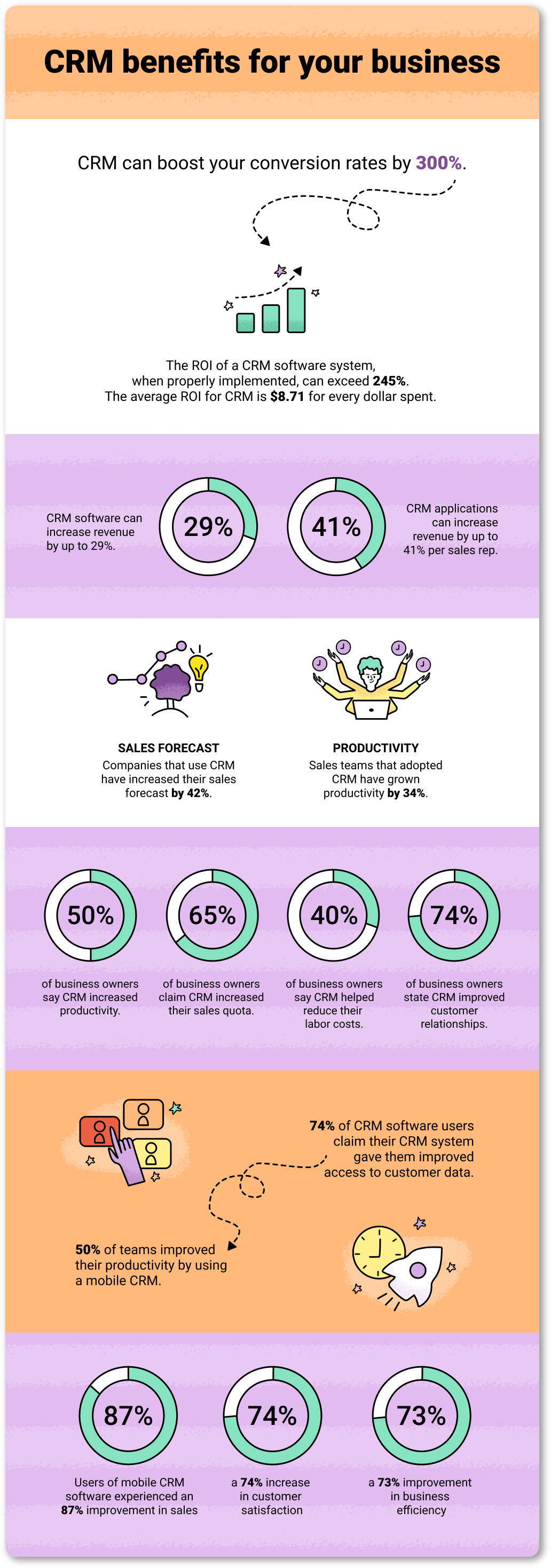
While ROI varies by industry, studies by organizations like Nucleus Research have historically shown that for every dollar spent on CRM, the average return can exceed $8.00. This is achieved through increased sales productivity, reduced administrative overhead, and improved customer retention rates. In 2026, with deeper AI integration, this ROI is often realized faster through automated lead qualification and churn reduction.
Is a CRM necessary for a small business?
Yes. Even for a small business, a CRM is essential to prevent the loss of institutional knowledge. If a key employee leaves, their relationship history with clients remains documented within the CRM rather than disappearing with them. It also allows small teams to "punch above their weight" by using automation to handle tasks that would otherwise require additional headcount.
How does a CRM help with data privacy compliance (GDPR/CCPA)?
Modern CRM systems are built with "Privacy by Design." They include features to help businesses comply with regulations like the GDPR or CCPA, such as automated tools to process "Right to be Forgotten" requests, tracking marketing consent, and providing audit trails for data access. This significantly reduces the legal risk associated with handling personal customer information.
What role does AI play in CRM software in 2026?
AI has shifted from a "bonus feature" to a core component. In 2026, AI within a CRM handles predictive lead scoring, sentiment analysis on customer emails, automated transcription of sales calls, and the generation of personalized email drafts. These features allow humans to focus on the emotional and strategic aspects of selling rather than the logistical ones.
How long does it take to see benefits from a CRM?
Operational benefits, such as better organization and communication, are usually felt within the first 30 days. Strategic benefits, like improved conversion rates and data-driven insights, typically require 3 to 6 months of consistent data entry to generate meaningful patterns and ROI.
Practical Recommendation
To maximize the key benefits of CRM software, start by auditing your current customer journey to identify where data is currently being lost. Select a platform that offers an integration with your existing tech stack to minimize friction. Focus the first phase of implementation on data migration and user training to ensure the foundation is secure before exploring advanced AI or automation features. Consistent use by the sales and service teams is the single most important factor in the success of the system.
Image Gallery