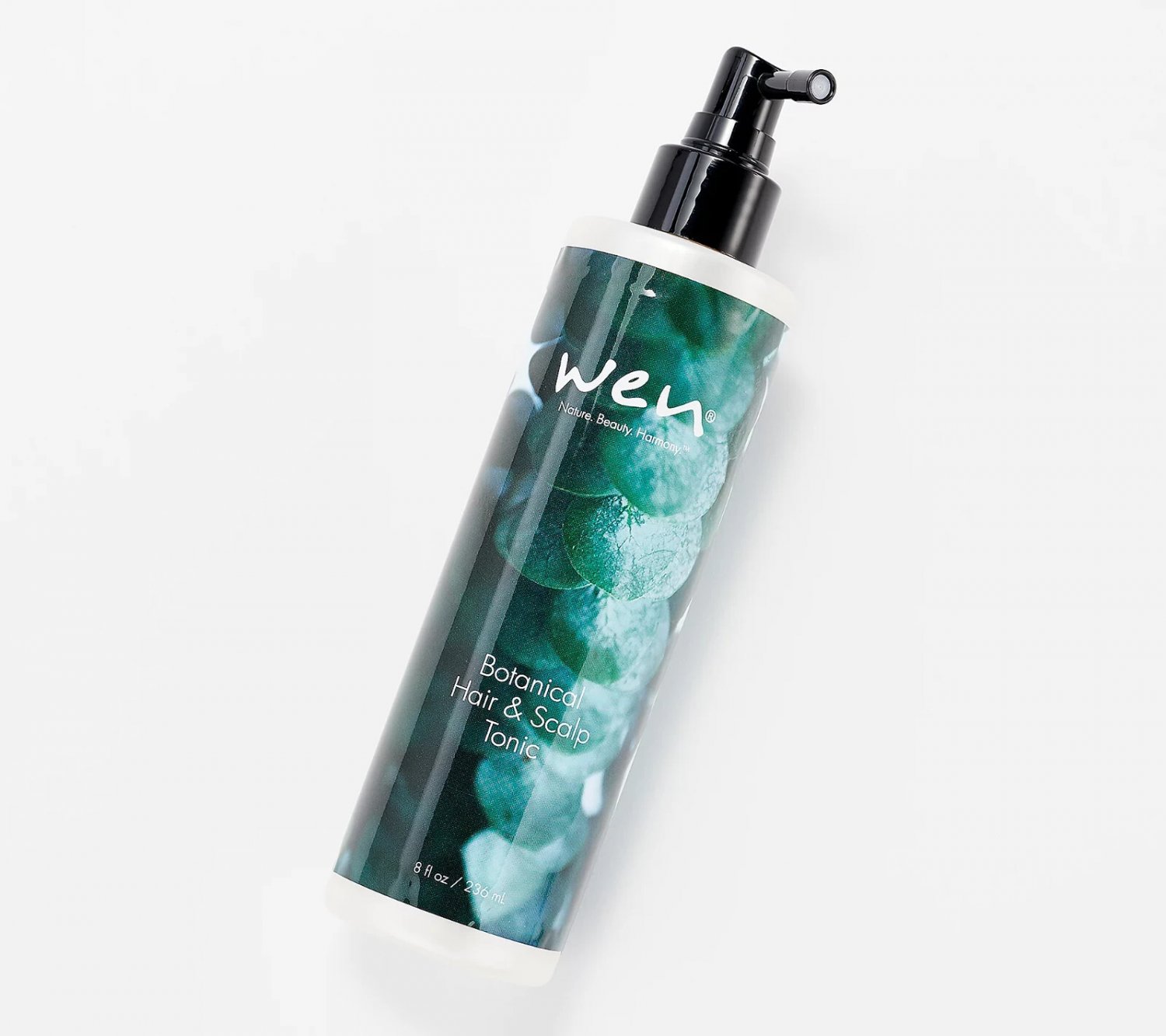
Understanding WEN Beauty Products: Hair Care Principles and Usage Guidelines
WEN beauty products, most notably the WEN by Chaz Dean Cleansing Conditioner line, function as a multi-purpose hair care system designed to replace traditional shampoo, conditioner, detangler, and leave-in products with a single formul...
WEN beauty products, most notably the WEN by Chaz Dean Cleansing Conditioner line, function as a multi-purpose hair care system designed to replace traditional shampoo, conditioner, detangler, and leave-in products with a single formula. The brand emphasizes a "no-lather" approach, utilizing botanical extracts and oils to cleanse the hair and scalp without stripping natural moisture, making it a distinct alternative to detergent-based hair care.
Contents
The Philosophy of Non-Lather Cleansing
The core concept behind WEN beauty products is the transition away from traditional surfactants found in standard shampoos, such as sodium lauryl sulfate (SLS) and sodium laureth sulfate (SLES). These common foaming agents are designed to strip oil and dirt from the hair shaft, but in the process, they can also remove the natural sebum necessary for maintaining hair health and scalp balance.
Chaz Dean, the creator of the WEN line, posits that by eliminating these harsh sulfates, users can maintain the integrity of the hair cuticle. The cleansing conditioners in the collection rely on emulsification—the process of using oils and botanicals to lift impurities from the scalp and hair surface—rather than the chemical action of foam. Because the product does not lather, the application process requires more mechanical effort from the user, specifically regarding the amount of product used and the duration of massage on the scalp.
Key Components of the WEN System
While the Cleansing Conditioner is the flagship product, the ecosystem is built around a specific routine intended to improve hair manageability and texture.
The Cleansing Conditioner
This is the primary unit of the WEN range. It is formulated with various botanical ingredients, including aloe vera, chamomile, wild cherry bark, and various seed oils. Users are instructed to apply a generous amount to the scalp and hair, distribute it thoroughly, and then rinse. Unlike traditional shampoo, which is often focused solely on the scalp, this product is intended to be worked through the entire length of the hair to provide conditioning benefits simultaneously.
Styling and Maintenance Products
The brand expanded to include secondary products that complement the cleansing step. These include:
- Re-Moist Hydrating Mask: A deep conditioning treatment designed for weekly use to provide intensive moisture.
- Treatment Mist: A spray-on product intended to refresh the hair between washes or to add moisture to dry ends.
- Styling Creams: Lightweight formulas designed to provide hold and definition without the sticky residue or stiffness often associated with traditional hair gels or mousses.
Proper Application Procedures
The efficacy of WEN beauty products is largely dependent on following the manufacturer's prescribed application technique. Because the product lacks sulfates, the user must act as the mechanical agent for cleaning.
- Saturation: The hair must be thoroughly soaked with water before application.
- First Application: Apply the cleansing conditioner to the scalp. Add a splash of water and massage it into the scalp vigorously for 2–3 minutes. This step is intended to break down product buildup and dirt.
- Second Application: Apply the product through the mid-lengths and ends of the hair. Distribute it evenly using a wide-tooth comb.
- Duration: Allow the product to sit on the hair for several minutes before rinsing. This allows the botanical ingredients to penetrate the cuticle.
- Rinsing: Rinse thoroughly. It is a common error to leave residue in the hair, which can lead to a heavy or "greasy" feeling. Ensure that the water runs clear.
Comparison of Hair Care Philosophies
The following table compares the approach of WEN beauty products with traditional detergent-based shampoos to help identify if this system aligns with your specific hair needs.
| Feature | Traditional Shampoo | WEN Cleansing System |
|---|---|---|
| Cleansing Agent | Sulfates (SLS/SLES) | Botanical Oils and Emulsifiers |
| Mechanical Action | Foam/Lather generation | Manual massage and distribution |
| Primary Goal | Stripping oil and residue | Moisturizing and gentle lifting |
| Hair Type Suitability | Oily to Normal | Dry, Color-treated, or Curly |
| Post-Wash Needs | Requires separate conditioner | All-in-one process |
Addressing Common Limitations and Challenges
Transitioning to a non-lathering hair care system can present challenges for some users. The most frequently reported issue is a "transition period" where the scalp may feel oily or the hair may feel coated. This is often the result of the scalp adjusting to a lack of aggressive surfactants, or the result of insufficient rinsing during the application phase.
Furthermore, individuals with extremely fine, thin hair may find that the heavy oils used in some of the WEN formulas weigh their hair down. In such cases, switching to lighter variants within the brand’s catalog or reducing the frequency of deep conditioning treatments is generally advised.
It is also important to note that the product requires significantly more volume per wash than a traditional foaming shampoo to achieve adequate coverage. Users should account for the cost-per-ounce difference when comparing WEN to standard drugstore alternatives, as the application method necessitates using a larger quantity of product per session.
Professional Considerations and Safety
As with any beauty product, consumers should monitor their hair and scalp for adverse reactions. While the ingredients are generally considered cosmetic grade and safe for topical use, individual sensitivities to botanical extracts, essential oils, or specific proteins can occur. If you experience scalp irritation, excessive shedding, or persistent itching, discontinue use immediately.
The product line is not a medical treatment for scalp conditions such as seborrheic dermatitis, psoriasis, or fungal infections. If you have a diagnosed scalp condition, consult a dermatologist before incorporating non-lathering cleansing conditioners into your routine, as these conditions often require specific medicated interventions that a cosmetic cleanser cannot provide.
Frequently Asked Questions
Can I use WEN products every day?
Yes, the formulas are designed to be gentle enough for daily use. Because they lack harsh detergents, they do not strip the hair of its natural protective barrier, allowing for frequent cleansing without drying out the scalp.
Will my hair feel greasy after using these products?
If your hair feels greasy, it is likely due to either under-rinsing or using too much product. Ensure you are spending sufficient time rinsing with warm water after your massage. If the heaviness persists, try applying the product only to the scalp and avoiding the roots on alternate washes.
Is WEN suitable for color-treated hair?
Yes, the lack of sulfates makes this system a popular choice for color-treated hair. Sulfates are known to accelerate the fading of hair color, whereas gentle emulsifiers help keep the cuticle smooth, which can assist in retaining color pigments longer.
What should I do if I have a scalp condition?
If you have an existing scalp condition, you should prioritize medical advice over commercial hair care products. Do not replace prescribed medicated shampoos with cosmetic alternatives without speaking to your doctor, as this could lead to the worsening of your condition.
How much product should I use per wash?
The amount varies based on hair length and thickness. A common starting point is 10 to 16 pumps for medium-length hair. You should use enough to ensure that every strand is coated and the scalp is fully massaged.
Next Steps for Users
To determine if WEN beauty products are right for you, begin by assessing your current hair texture and moisture requirements. If your hair is prone to dryness or is chemically processed, consider purchasing a travel or trial-sized kit to test the product’s performance for 14 days. This timeframe is generally sufficient for your hair to move past the initial transition period. Keep a log of your application quantity and the consistency of your rinse to ensure you are utilizing the system effectively.
Image Gallery