Traveling the Amsterdam to Venice by Train: A Complete Planning Guide
Traveling from Amsterdam to Venice by train is a quintessential European rail journey that takes passengers from the canals of the North to the floating city of the Adriatic. This route spans approximately 1,100 to 1,300 kilometers dep...
Traveling from Amsterdam to Venice by train is a quintessential European rail journey that takes passengers from the canals of the North to the floating city of the Adriatic. This route spans approximately 1,100 to 1,300 kilometers depending on your chosen path, requiring at least one major transfer, typically in cities like Frankfurt, Basel, or Milan. The experience balances high-speed efficiency with the scenic beauty of the Rhine Valley and the Alpine crossings of the Brenner Pass or the Gotthard Base Tunnel.
Contents
Understanding the Route and Connectivity
There is no single direct train connecting Amsterdam Centraal to Venezia Santa Lucia. Instead, the journey is composed of segments operated by national rail carriers, including NS (Dutch Railways), Deutsche Bahn (DB), SBB (Swiss Federal Railways), and Trenitalia or ÖBB (Austrian Federal Railways).
The primary challenge in planning this trip is managing transfers. Because the route traverses several national borders, your itinerary will be dictated by how you combine high-speed services like the ICE (Intercity-Express), EuroCity (EC), or the Frecciarossa. In 2026, the most reliable strategy involves utilizing major German hubs like Frankfurt or Munich, or crossing through Switzerland via Basel.
The Most Common Itinerary Paths
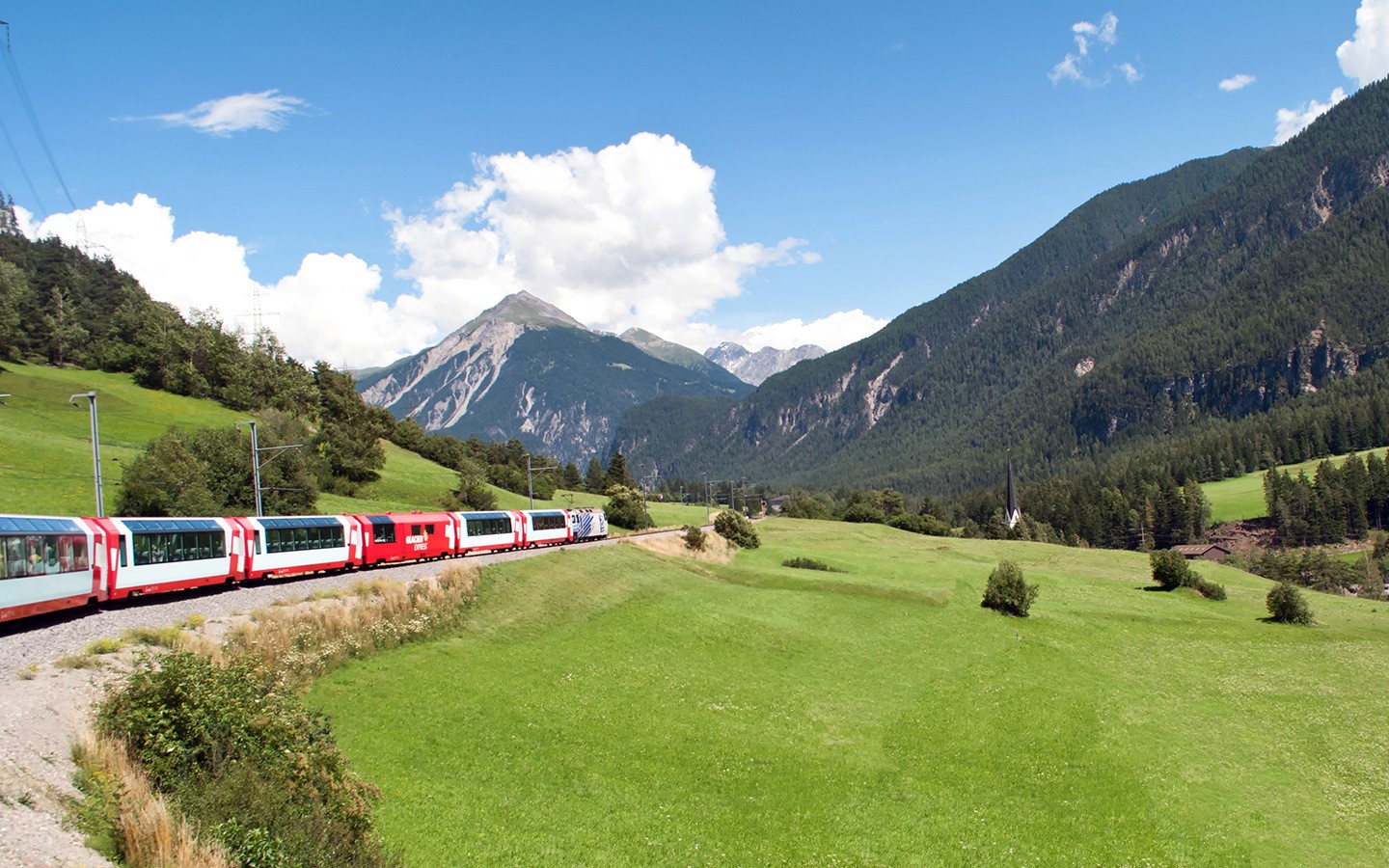
- The German/Austrian Route: Amsterdam to Munich (via ICE), then Munich to Venice (via EuroCity/ÖBB). This route is favored for its transit through the scenic Brenner Pass, which offers spectacular mountain vistas.
- The Swiss Route: Amsterdam to Basel (via ICE), then Basel to Milan (via EuroCity), and finally Milan to Venice (via Frecciarossa). This is often the fastest option, leveraging the heavy investment in Swiss rail infrastructure and high-speed Italian connections.
Strategic Planning and Booking Requirements
To ensure a smooth journey, you must approach booking with a clear understanding of rail operator policies. Unlike airlines, train operators in Europe often release schedules and tickets approximately 90 to 180 days in advance.
Ticket Strategies
- Book Segment-by-Segment vs. Point-to-Point: While third-party aggregators offer "through-tickets," booking segments directly through the national rail websites (e.g., Bahn.de for German legs or Trenitalia.com for Italian legs) can be more cost-effective and provides better support if a connection is missed due to a delay.
- Dynamic Pricing: Similar to air travel, prices for high-speed trains increase as the departure date nears. Budget travelers should target "Supersparpreis" (Super Saver) fares, which are non-refundable but significantly cheaper than standard flexible tickets.
- Seat Reservations: On many cross-border trains, a seat reservation is mandatory or highly recommended, especially during peak summer travel periods in 2026. Do not assume your ticket includes a specific seat; check your booking confirmation for a "Seat Reservation" (Sitzplatzreservierung) line item.
Comparison of Primary Travel Methods
| Feature | High-Speed ICE/EC | Night Train (ÖBB Nightjet) |
|---|---|---|
| Duration | 12–15 Hours | 14–16 Hours |
| Comfort | High (Workspaces/Dining) | Varied (Couchette to Sleeper) |
| Cost | Mid-Range | Often Higher (includes accommodation) |
| Schedule | Daytime connections | Departs evening, arrives morning |
| Transfers | Usually 2–3 | Usually 0–1 |
Navigating Major Rail Hubs
When traveling from Amsterdam to Venice, you will likely spend time in transit hubs. Understanding these locations is essential to avoiding stress during transfers.
Amsterdam Centraal
As the origin point, Amsterdam Centraal is highly accessible. Ensure you arrive at least 30 minutes before your departure. If you are traveling with significant luggage, remember that platform access may require navigating stairs or elevators, which can be congested during rush hour.
Milan Centrale
If your route takes you through Switzerland, you will likely arrive at Milano Centrale. This station is massive and architecturally imposing. It is critical to stay vigilant regarding your belongings. The platforms for high-speed trains to Venice are usually located on the main concourse level, but check the digital boards immediately upon arrival, as platform numbers can change at short notice.
Venezia Santa Lucia
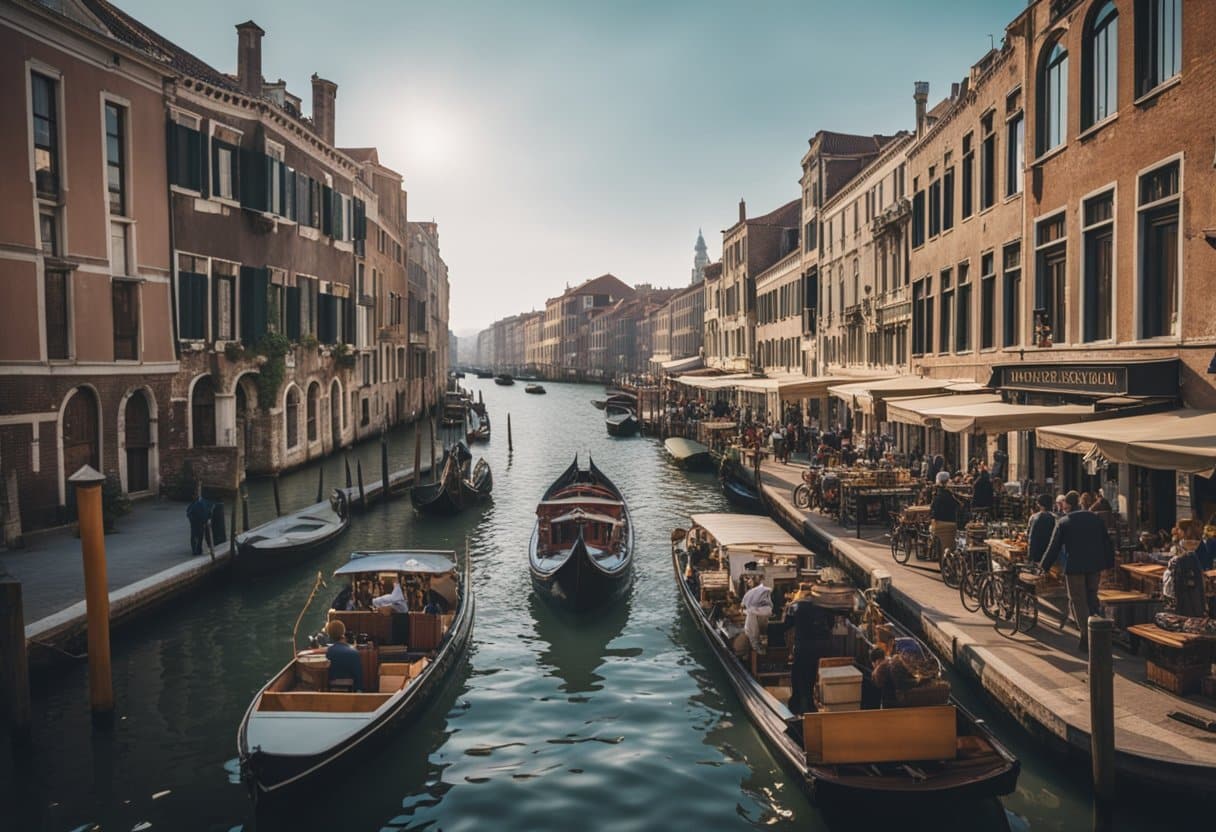
Be careful not to mistake Venezia Mestre for your final destination. Venezia Mestre is on the mainland. You must remain on the train for the final transit across the Liberty Bridge (Ponte della Libertà) to reach the island station, Venezia Santa Lucia. Once you arrive at Santa Lucia, you are immediately at the edge of the Grand Canal, where you can access Vaporetto (water bus) stops or water taxis.
Practical Considerations and Troubleshooting
Managing Delays
European rail networks are generally efficient, but cross-border delays occur. If your ticket is a "through-ticket" purchased from a single operator, you are protected by the EU Passenger Rights Regulation. If you booked segments separately, you are responsible for any missed connections. Expert Tip: Always build in a buffer of at least 60–90 minutes for transfers to account for minor delays in the preceding leg.
Amenities and Digital Connectivity
Most high-speed trains in 2026 offer free Wi-Fi, though quality varies significantly by country and signal strength in tunnels. Do not rely on streaming services for entertainment; download maps and media offline. Dining cars (Bordbistro) are available on most ICE and long-distance EuroCity trains, providing hot meals and beverages.
Luggage Limitations
Unlike airlines, there are generally no strict weight limits for luggage on European trains. However, you are expected to carry what you can manage. You must be able to lift your suitcase onto the luggage racks above your seat or into the larger storage areas found at the end of each carriage.
Frequently Asked Questions
1. Do I need a rail pass like Eurail for this trip? A rail pass can be cost-effective if you plan to make multiple stops between Amsterdam and Venice. If you are traveling directly, point-to-point tickets booked in advance are almost always cheaper.
2. Can I bring my bicycle on the train? Most international high-speed trains require a separate bike reservation and have limited capacity. You may need to disassemble and bag your bike to treat it as "standard luggage" on some services. Check the specific carrier's bicycle policy before booking.
3. Is there a direct sleeper train between these cities? There is no direct year-round sleeper train from Amsterdam to Venice. The ÖBB Nightjet network does connect various European cities, but passengers usually need to switch or utilize a combination of daytime and night trains to complete this specific route.
4. What happens if I miss my train connection? If you have a "through-ticket," visit the station's Service Center immediately to be rebooked on the next available train. If you have separate tickets, you will likely need to purchase a new ticket at the current price, though some operators may offer a partial refund for unused portions if communicated early.
5. Which time of year is best for this train journey? Late spring (May/June) and early autumn (September/October) offer the best balance of comfortable onboard temperatures and fewer crowds in the major transit hubs compared to the peak summer months.
Final Recommendation
To ensure the most comfortable journey, prioritize the Swiss route (via Basel and Milan) for its speed and reliable connectivity. Aim to book your tickets 3 to 4 months in advance to secure the best pricing. Always verify your station arrivals—specifically the distinction between Mestre and Santa Lucia in Venice—and keep your digital tickets easily accessible on a mobile device, while also carrying a printed backup in case of battery failure.
Image Gallery