The Impact and Legacy of the Revelation That Aaliyah Was 12 When She Met R. Kelly
When reports and subsequent investigations revealed that Aaliyah was 12 years old when she first met R. Kelly, it exposed a deeply troubling dynamic of abuse, statutory exploitation, and industry complicity within the 1990s R&B music s...
When reports and subsequent investigations revealed that Aaliyah was 12 years old when she first met R. Kelly, it exposed a deeply troubling dynamic of abuse, statutory exploitation, and industry complicity within the 1990s R&B music scene. This critical timeline and its profound industry implications remain a landmark moment in the public reckoning surrounding the safeguarding of minors in entertainment.
Contents
Introduction to the Case and Historical Context
The disclosure that Aaliyah Haughton was just 12 years old when her path crossed with singer and producer Robert Sylvester Kelly (R. Kelly) has served as a foundational focal point in discussions regarding predatory behavior within the American music industry. In the early 1990s, the entertainment business operated with minimal regulatory oversight concerning the protection of underage performers working in professional recording studios and touring environments.
When Aaliyah was introduced to Kelly—who was already an established songwriter and emerging solo artist in his mid-twenties—she was a budding vocalist possessing extraordinary talent. Kelly was brought in to write and produce her debut studio album, Age Ain't Nothin' But a Number, released in 1994. The vast age disparity, combined with Kelly's position of authority as a primary producer and mentor, created an inherently unbalanced power dynamic.
Understanding this history requires examining the cultural normalization of youth exploitation during that era. Media outlets, record executives, and management teams frequently minimized or romanticized relationships involving underage girls and older adult men. The subsequent public unravelling of these events, catalyzed by investigative journalism, documentary series like Surviving R. Kelly, and legal proceedings, forced a retrospective examination of how industry gatekeepers failed to protect a minor.
The Chronology of the Relationship and Production
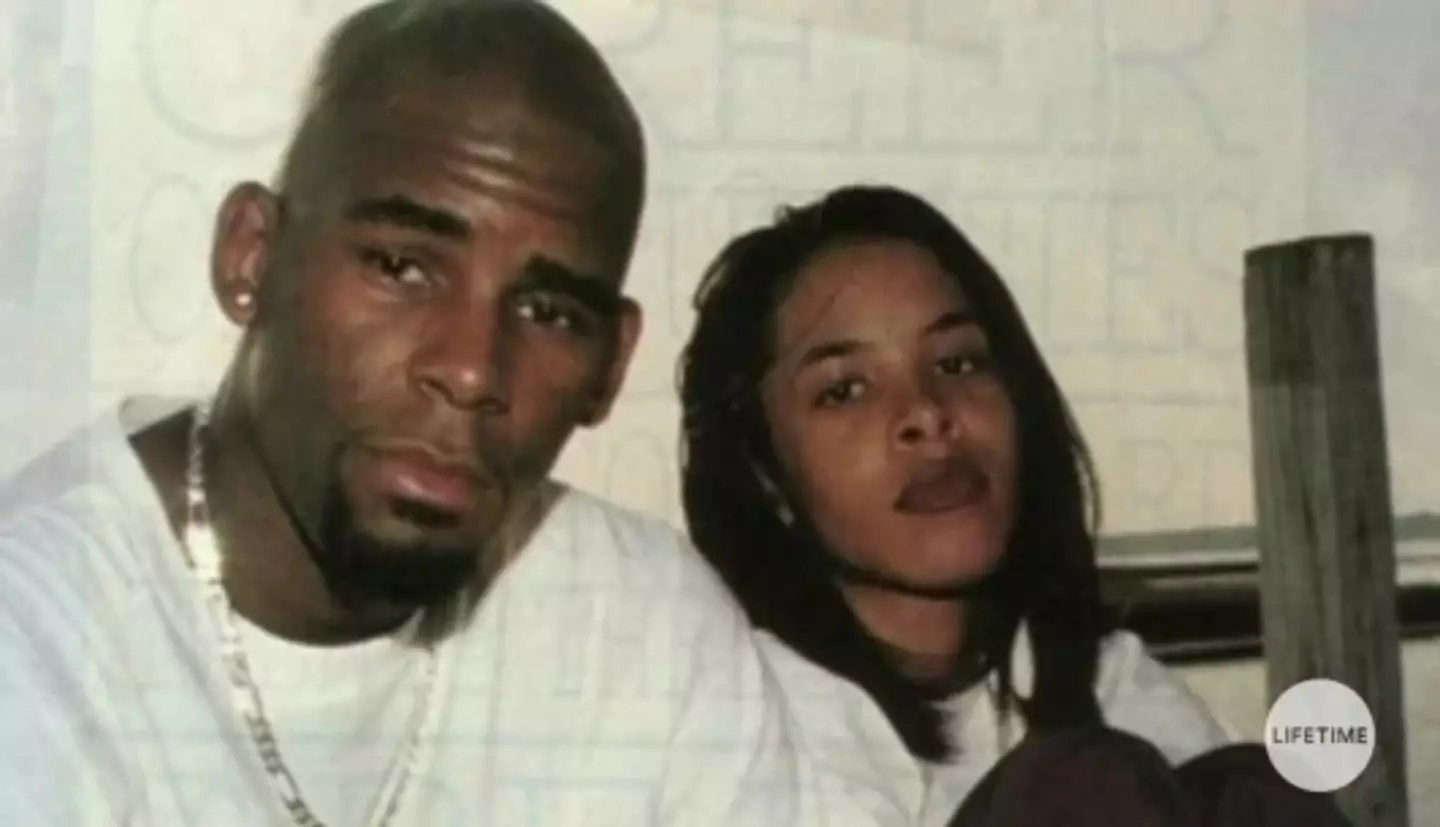
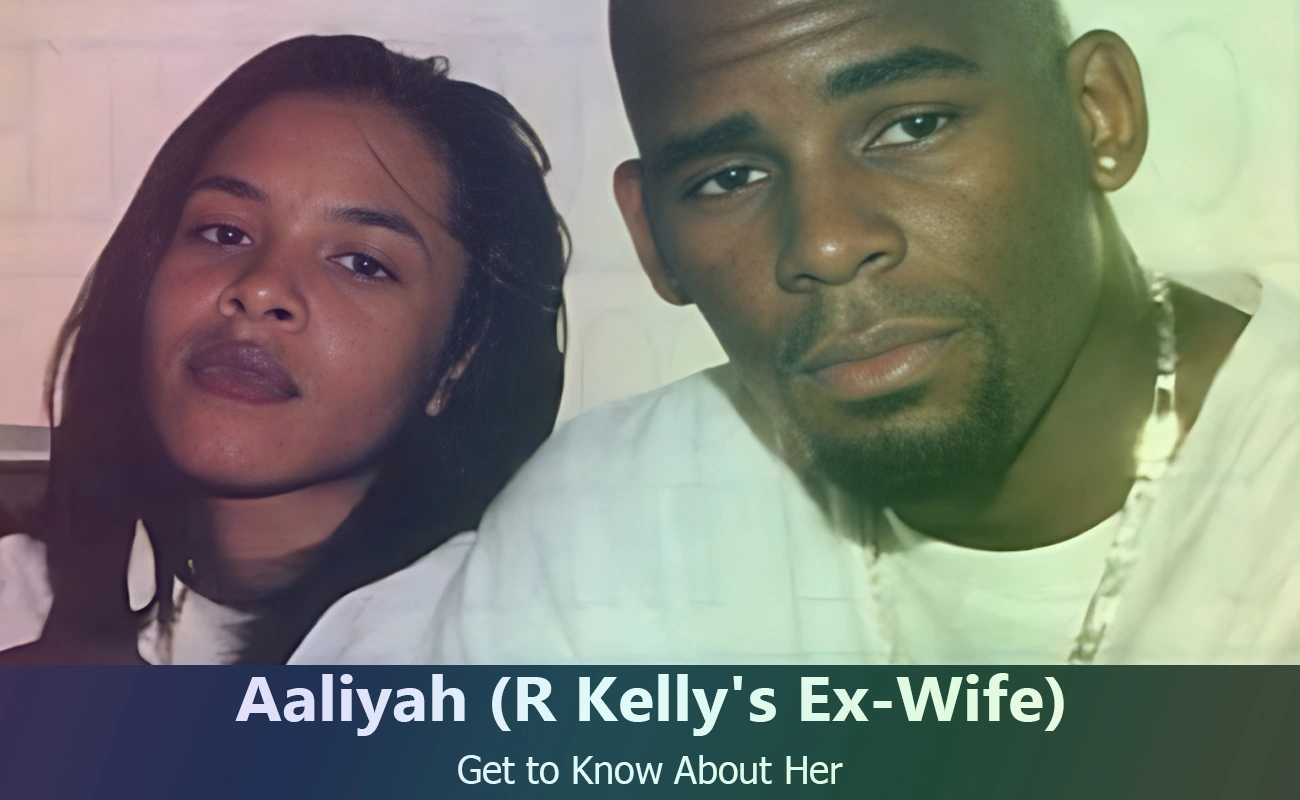
The professional and personal intersection between Aaliyah and R. Kelly began in Chicago recording studios where her debut album took shape. At the time of their initial recording sessions, Aaliyah was 12 turning 13, while Kelly was approximately 24 years old.
As production on Age Ain't Nothin' But a Number progressed throughout 1992 and 1993, Kelly assumed total creative control over the project. This tight control isolated the young artist from objective oversight. The album’s title itself—Age Ain't Nothin' But a Number—subsequently took on a grim significance as public scrutiny intensified regarding the nature of their off-record interactions.
| Event / Milestone | Approximate Timeline | Context and Significance |
|---|---|---|
| Initial Introduction | 1991 – 1992 | Aaliyah is introduced to R. Kelly in Chicago through her uncle, Barry Hankerson, leading to recording sessions. |
| Album Production | 1992 – 1993 | Kelly writes and produces the entirety of Aaliyah's debut album while she is 12 and 13 years old. |
| Album Release | June 1994 | Age Ain't Nothin' But a Number is released by Jive Records, achieving commercial success. |
| Marriage Certificate | August 1994 | An illicit marriage ceremony takes place in Illinois, utilizing a fraudulently altered document stating Aaliyah was 18. |
| Annulment | February 1995 | The marriage is legally annulled by Aaliyah's parents due to her being a minor. |
Legal Ramifications and Fraudulent Documentation
The most legally consequential development from this period occurred in August 1994, when Aaliyah and R. Kelly were legally married in Chicago, Illinois. Because Aaliyah was only 15 years old at the time of the ceremony, the marriage required parental consent and a valid age verification, both of which were bypassed.
Investigative reports and court documents later revealed that fraudulent paperwork was submitted to state authorities, falsifying Aaliyah's age as 18 to circumvent statutory rape and child marriage laws. This falsification represented a clear violation of Illinois law regarding the marriage of minors.
When Aaliyah’s parents discovered the union, they immediately intervened. By February 1995, the marriage was officially annulled. For years, representatives for both parties maintained a shroud of silence surrounding the marriage, with Aaliyah consistently deflecting questions in interviews during the mid-1990s. It was only decades later, as broader legal investigations into R. Kelly's systematic pattern of abuse mounted, that the full scope of coercion, grooming, and document fraud was formally brought to light in public forums and federal courtrooms.
Industry Complicity and the Evolution of Minor Safeguards
The revelation that an underage artist could be subjected to such predatory control inside professional recording studios cast a harsh light on the music industry's accountability framework. Record labels, talent agencies, and legal representatives of that era routinely prioritized commercial output and legal insulation over the physical and psychological welfare of minor performers.
In the wake of these revelations, industry standards have undergone substantial, albeit overdue, revisions. Modern entertainment labor laws, union guidelines, and corporate compliance protocols now mandate strict oversight for minor performers. These protocols include:
- Mandatory Tutoring and On-Set Welfare: Requiring certified studio teachers and independent welfare workers to monitor working hours and educational continuity.
- Independent Legal Representation: Ensuring that underage talent and their families retain legal counsel entirely independent of the recording label or primary producers.
- Background Screening: Enforcing rigorous compliance checks and vetting procedures for adults granted unsupervised access to minor artists in professional environments.
- Whistleblower and Reporting Frameworks: Establishing direct channels for staff members to report suspected grooming, exploitation, or labor violations without fear of career retaliation.
Cultural Legacy and the Memory of Aaliyah
Aaliyah’s life was tragically cut short in a 2001 plane crash at the age of 22, just as her career as a global music and fashion icon was reaching its peak. Because of her untimely passing, her voice was permanently silenced in the public discourse surrounding her early experiences, leaving biographers, legal analysts, and cultural historians to reconstruct the timeline through public records, witness testimony, and investigative journalism.
Today, cultural evaluations of Aaliyah strive to separate her immense artistic contributions from the predatory circumstances she endured as a child. While her influence on contemporary R&B, pop, and hip-hop remains indelible, the historical reality that she was 12 years old when she met R. Kelly serves as an enduring reminder of the systemic vulnerabilities young artists face in the entertainment spotlight.
Frequently Asked Questions
How old was Aaliyah when she met R. Kelly?
Aaliyah was 12 years old when she was first introduced to R. Kelly, who was in his mid-twenties. The introduction took place in Chicago as preparations began for her debut commercial recording projects.
When did Aaliyah and R. Kelly get married?
They were married in August 1994 when Aaliyah was 15 years old. The marriage was conducted using fraudulent paperwork that falsely stated she was 18 years of age to bypass legal restrictions.
How was the marriage resolved?
Aaliyah's parents discovered the marriage and took immediate legal action to dissolve it. The union was officially annulled in February 1995, and Aaliyah subsequently severed all professional and personal ties with R. Kelly.
What impact did this case have on the music industry?
The revelations exposed systemic failures in how record labels and management teams protected underage talent. It has contributed to tighter regulatory oversight, stricter minor labor laws, and increased institutional accountability regarding professional workspace safety.
Where can readers find reliable historical reporting on this case?
Verified details regarding this period are documented in federal court records from R. Kelly's subsequent trials, investigative journalism reports from major news organizations, and documentary projects that cross-referenced public records and firsthand accounts.
Image Gallery