What Makes a Great CNA in Home Care
A great Certified Nursing Assistant (CNA) in home care combines strong clinical competence and acute observational skills with exceptional empathy, reliability, and independent problem-solving. Unlike facility-based roles, in-home CNAs...
A great Certified Nursing Assistant (CNA) in home care combines strong clinical competence and acute observational skills with exceptional empathy, reliability, and independent problem-solving. Unlike facility-based roles, in-home CNAs work autonomously in private residences, delivering personalized personal care, monitoring vital signs, facilitating activities of daily living (ADLs), and maintaining clear communication with supervising registered nurses (RNs) and family members.
Contents
The Evolving Role of the Certified Nursing Assistant in Home Care
In home healthcare, a Certified Nursing Assistant serves as the primary direct-care liaison between a patient, their family, and the clinical oversight team. Working inside a client's personal living space requires a delicate balance between technical healthcare execution and interpersonal diplomacy. A home care CNA is not merely performing task-based assistance; they are responsible for preserving client dignity, ensuring physical safety, and detecting subtle changes in health status before they escalate into acute medical emergencies.
While nursing homes and hospitals feature immediate on-site supervisory teams, home care environments demand high operational autonomy. CNAs operating in home settings must apply standardized medical protocols within unpredictable, non-institutional spaces. Understanding what elevates an average nursing assistant to an extraordinary home care provider requires examining both core clinical competencies and refined personal attributes.
Key Qualities of an Exceptional Home Care CNA
1. High Emotional Intelligence and Empathy
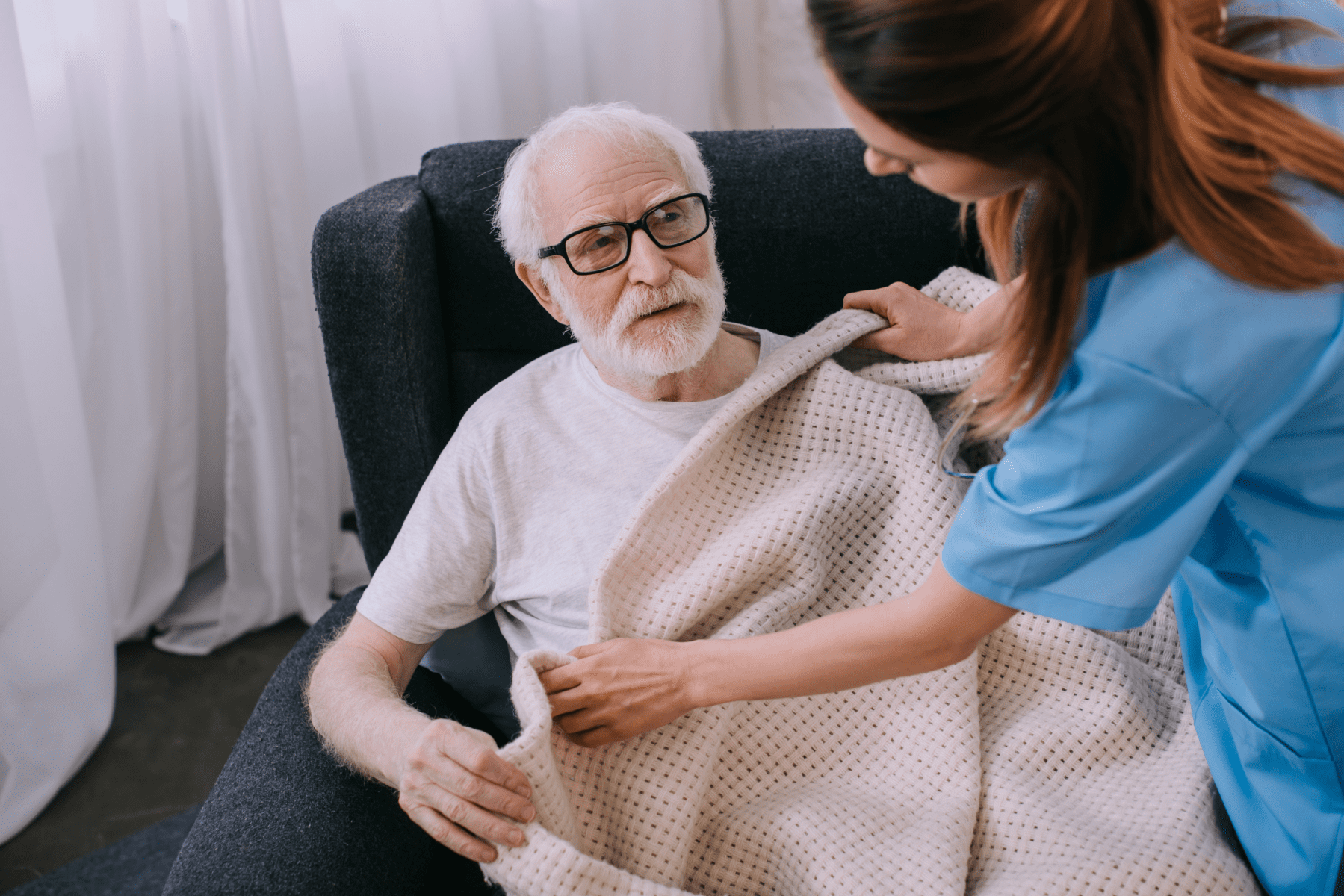
Home care is inherently intimate. CNAs enter clients' homes during periods of physical vulnerability, cognitive decline, or end-of-life care. A great CNA demonstrates high emotional intelligence by recognizing emotional distress, respecting cultural and personal lifestyle preferences, and approaching personal care—such as bathing, incontinence care, and grooming—with patience and utmost respect for the individual's dignity.
2. Acute Observational and Reporting Skills
Because a registered nurse or primary physician is not physically present in the home during routine shifts, the CNA acts as the eyes and ears of the healthcare team. Exceptional CNAs possess keen observational skills, noting minor physical or behavioral shifts, such as:
- Early signs of skin breakdown or pressure ulcers.
- Subtle changes in cognitive function, confusion, or speech clarity.
- Variations in mobility, balance, or weight-bearing capacity.
- Changes in fluid intake, appetite, or elimination habits.
- Signs of pain, discomfort, or medication side effects.
Promptly reporting these observations to the supervising RN or agency case manager prevents avoidable hospital readmissions and allows for timely interventions.
3. Autonomy and Critical Thinking
In a home setting, equipment, room layouts, and resources vary widely. Exceptional CNAs demonstrate strong critical thinking by adapting care plans safely within non-standard environments. Whether modifying a transfer technique due to tight doorway clearance or recognizing home safety hazards like throw rugs and poor lighting, a great CNA anticipates risks and implements preventive measures proactively.
4. Professional Reliability and Punctuality
For homebound clients and working family caregivers, consistency is paramount. A reliable CNA adheres strictly to assigned schedules, maintains transparent communication regarding arrival times, and follows care plans without shortcutting procedures. Dependability builds profound trust between the care agency, the client, and the family.
5. Strong Personal and Professional Boundaries
Working in a private home can blur the line between professional caregiver and family friend. A great CNA maintains professional boundaries while displaying warmth and compassion. They respect family dynamics, protect patient privacy under the Health Insurance Portability and Accountability Act (HIPAA), and decline non-care-related requests that fall outside their scope of practice or safety guidelines.
Clinical Scope of Practice and Core Responsibilities
The exact scope of practice for a CNA is regulated by state nursing boards, but in-home duties generally center on supportive, non-invasive clinical care and functional living assistance.
- Core Home Care CNA Responsibilities
- Direct Personal Care
- Bathing & Hygiene
- Dressing & Grooming
- Feeding & Hydration
- Incontinence Management
- Clinical & Safety Ops
- Vital Sign Tracking
- Mobility/Transfers
- Condition Reporting
- Environmental Safety
- Direct Personal Care
Activities of Daily Living (ADLs)
Assisting clients with ADLs forms the core of daily operations. Great CNAs excel at guiding clients through:
- Personal Hygiene: Assisting with bed baths, shower safety, oral hygiene, and skin moisturizing while preserving self-reliance whenever safe.
- Dressing and Grooming: Promoting independence by allowing clients to make choices while assisting with buttons, footwear, and compression garments.
- Nutritional Support: Preparing meals tailored to dietary restrictions (e.g., low-sodium, diabetic, mechanical soft diets) and monitoring adequate fluid intake.
- Toileting and Incontinence Care: Managing bowel and bladder hygiene meticulously to prevent urinary tract infections (UTIs) and skin breakdown.
Vital Signs and Health Monitoring
Accurate data collection is vital for ongoing clinical assessment. Great CNAs accurately record and document:
- Blood pressure, pulse rate, respiration rate, and body temperature.
- Pulse oximetry (blood oxygen saturation levels).
- Pain levels using validated rating scales.
- Body weight tracking to monitor fluid retention in heart failure or involuntary weight loss in chronic illnesses.
Safe Transfer and Mobility Assistance
Preventing falls and caregiver injury requires proper body mechanics and equipment operation. Outstanding home care CNAs are thoroughly trained in operating:
- Mechanical lifts (e.g., Hoyer lifts) and sit-to-stand devices.
- Gait belts for safe ambulation support.
- Slide sheets and transfer boards for bed repositioning.
Home Care vs. Facility-Based Care: Key Operational Differences
While the fundamental training for a CNA is standardized through state-approved programs, applying those skills in a private home differs significantly from working in a skilled nursing facility (SNF) or hospital.
| Operational Domain | Facility-Based CNA (SNF / Hospital) | In-Home Care CNA |
|---|---|---|
| Work Environment | Regulated, standardized institutional facility | Non-standardized, private home environments |
| Direct Supervision | Immediate, on-site charge nurse availability | Remote oversight by RN Care Manager via phone/telehealth |
| Client-to-CNA Ratio | High ratio (typically 1:8 to 1:15+ per shift) | One-on-one focused attention (1:1 ratio) |
| Care Plan Flexibility | Rigid facility routines and scheduled floor rounds | Customized daily routine centered on individual client preference |
| Environmental Control | Specialized beds, built-in oxygen, clinical lifts standard | Requires adapting home furnishings and utilizing portable devices safely |
| Family Interaction | Intermittent during visiting hours | Continuous, direct interaction with family members living on-site |
Navigating Complex In-Home Challenges
Dementia and Cognitive Decline
Caring for clients with Alzheimer's disease or other dementias in their home environment requires specialized communication techniques. Great CNAs utilize validation therapy, avoid confrontation, maintain structured routines, and use redirective strategies when dealing with agitation, wandering, or sundowning behaviors.
Family Dynamics and Communication
Home care CNAs often operate in emotionally charged home environments where family caregivers experience burnout, grief, or stress. An exceptional CNA acts as a calming presence, communicates clearly without offering unauthorized medical diagnoses, and directs administrative or complex clinical queries to the supervising nurse.
Ergonomics and Infection Control in Non-Clinical Settings
Maintaining infection control standards outside a hospital requires discipline. Exceptional CNAs carry appropriate Personal Protective Equipment (PPE), execute hand hygiene scrupulously, sanitize care tools, and establish designated clean zones within the home. They also practice personal ergonomic safety, avoiding improper lifting techniques when assisting clients in standard home beds or soft couches.
Training, Certification, and Regulatory Frameworks
To practice as a Certified Nursing Assistant in home care, individuals must meet state regulatory standards overseen by state departments of health or boards of nursing, alongside federal standards established by the Centers for Medicare & Medicaid Services (CMS).
Core Prerequisites
- State-Approved CNA Training: Completion of state-mandated classroom and clinical training hours (typically 75 to 150+ hours depending on state regulations).
- Competency Examination: Passing the state certification exam consisting of written evaluation and practical skills demonstrations (often administered by Prometric or Pearson VUE).
- Registry Listing: Active status on the state's Nurse Aide Registry without substantiated findings of abuse, neglect, or misappropriation of property.
- Basic Life Support (BLS): Active CPR/AED certification from accredited providers such as the American Heart Association or American Red Cross.
- Background & Health Screenings: Comprehensive criminal history checks, drug screens, and tuberculosis (TB) clearance.
Career Advancement Opportunities
Top-performing home care CNAs frequently pursue continuing education credits (CEUs) to earn specialized certifications, such as:
- Certified Hospice and Palliative Nursing Assistant (CHPNA).
- Specialized Dementia and Memory Care Training.
- Home Health Aide (HHA) dual qualification, expanding scope for Medicare-certified home health agencies.
- Advancement into licensed practical nursing (LPN/LVN) or registered nursing (RN) degree programs.
Comparison: Average vs. Great CNA in Home Care
To illustrate how exceptional performance impacts client outcomes, consider the operational approach across common scenarios:
| CNA Performance Spectrum |
|---|
| Average CNA: Executes assigned tasks passively within basic scope boundaries. |
| Great CNA: Anticipates needs, identifies subtle clinical shifts, and communicates proactively to optimize long-term health outcomes. |
Scenario Performance Analysis
Task Execution:
- Average CNA: Completes physical tasks on the care plan checklist and leaves promptly when tasks are done.
- Great CNA: Completes tasks efficiently while engaging the client, promoting functional independence, and enriching the client's emotional well-being.
Documentation and Reporting:
- Average CNA: Records vital signs at the end of the shift with basic numerical entries.
- Great CNA: Logs vitals immediately, compares trends against baseline data, and reports minor deviations or behavioral changes to the supervising RN right away.
Home Safety and Environment:
- Average CNA: Avoids obvious hazards directly in their immediate path during tasks.
- Great CNA: Performs ongoing safety sweeps of high-risk areas (bathrooms, hallways), identifies fall risks, ensures emergency numbers are accessible, and maintains clean working areas.
Client and Family Rapport:
- Average CNA: Interacts politely but maintains a transactional presence during care delivery.
- Great CNA: Builds deep therapeutic trust, practices active listening, respects home rules, and acts as an empathetic bridge between family and clinical staff.
Frequently Asked Questions
What is the primary difference between a CNA and a Home Health Aide (HHA)?
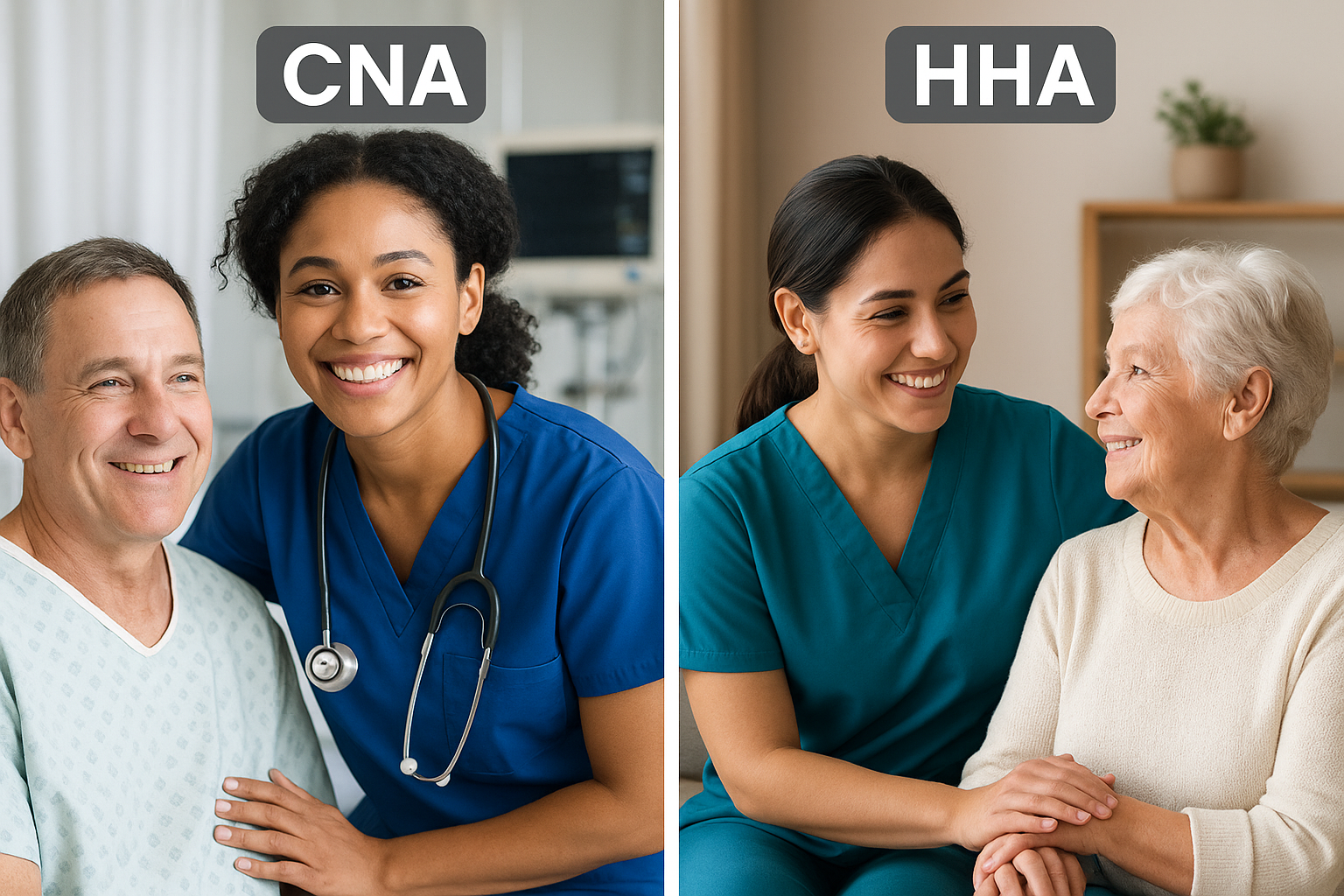
While both provide personal care assistance in home settings, a Certified Nursing Assistant (CNA) undergoes standardized clinical training governed by state nursing boards and can perform specific nursing-related tasks under RN supervision. A Home Health Aide (HHA) focuses primarily on personal care and basic health-related tasks, though training requirements vary depending on state regulations and whether the hiring agency receives federal Medicare reimbursement.
Can a home care CNA administer medications?
In most states, standard CNA regulation restricts nursing assistants from administering prescription medications. However, CNAs can provide medication assistance or reminders (e.g., handing a pre-filled pillbox to the client or opening a bottle). Some states offer specialized Medication Aide Certification programs that permit qualified CNAs to administer certain medications under delegated nursing supervision.
How does a home care agency evaluate a CNA's performance?
Agencies evaluate CNAs using supervisory visits conducted by an RN, client and family feedback, adherence to care plans, punctuality, thoroughness of clinical documentation, and compliance with infection control and safety standards.
What should family members look for when interviewing a home care CNA?
Families should look for verified state certification credentials, background check clearances, strong communication skills, active listening, experience with the client's specific health condition (such as mobility challenges or dementia), and a compassionate, professional demeanor.
How can a CNA transition into specialized private-duty nursing care?
CNAs can specialize by taking accredited continuing education courses in memory care, palliative and end-of-life care, or complex physical therapy transfers. Building a track record of reliability, positive supervisory reviews, and specialized skill certifications allows CNAs to take on higher-acuity private care cases.
Actionable Steps for Aspiring Home Care CNAs and Agencies
To achieve excellence as a home care CNA or build a high-performing home care workforce, focus on continuous clinical development and structured support systems:
- Prioritize Ongoing Clinical Skill Refinement: Continuously update training on transfer safety, infection control, and specialized chronic condition management (e.g., Parkinson's, stroke recovery, and dementia care).
- Master Communication Tools: Utilize standardized communication protocols like SBAR (Situation, Background, Assessment, Recommendation) when reporting client condition changes to supervising RNs.
- Implement Robust Safety Reviews: Conduct home safety assessments during every shift to minimize fall hazards, inspect mobility equipment, and ensure adequate emergency supplies are present.
- Foster Professional Self-Care: Recognize the physical and emotional demands of direct caregiving. Engaging in injury-prevention techniques and seeking support for caregiver stress ensures long-term professional sustainability.
Image Gallery