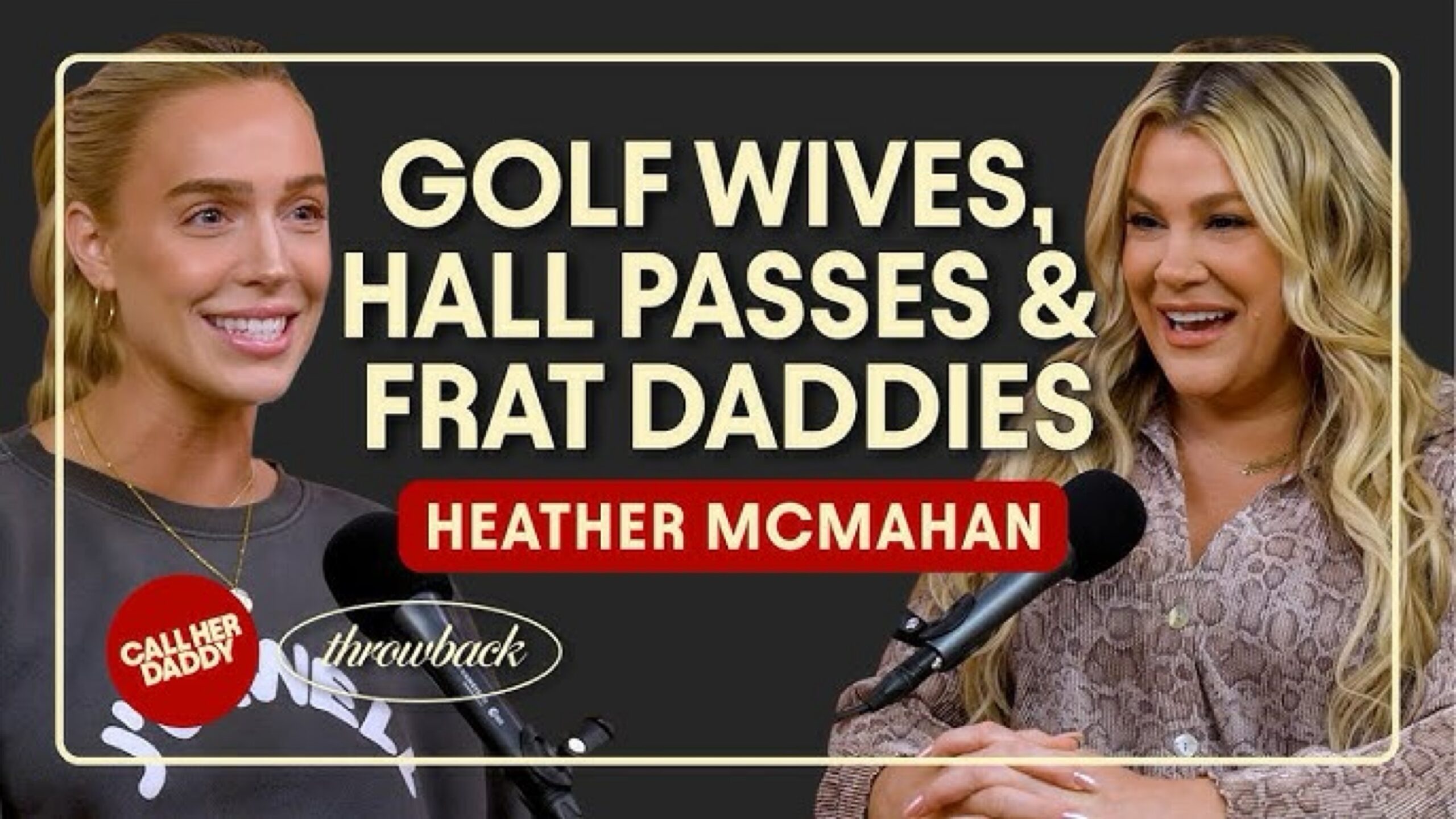
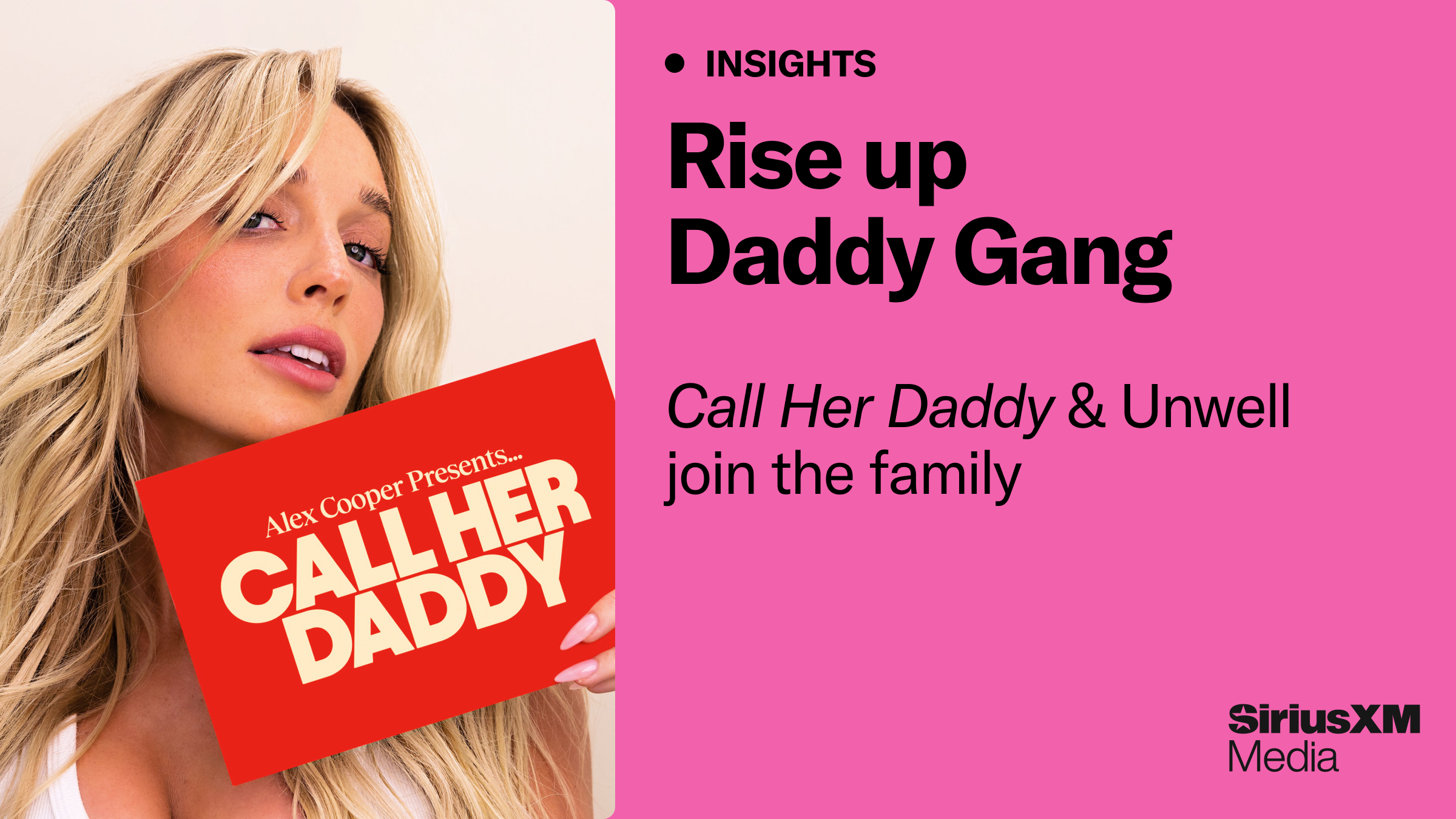
Understanding the Call Her Daddy Genre: Deconstructing Modern Candid Podcasting
The Call Her Daddy genre refers to a style of female-led conversational podcasting characterized by hyper-candid discussions of relationships, sexuality, mental health, and celebrity culture. Originating from Alex Cooper’s show Call He...
The Call Her Daddy genre refers to a style of female-led conversational podcasting characterized by hyper-candid discussions of relationships, sexuality, mental health, and celebrity culture. Originating from Alex Cooper’s show Call Her Daddy, the genre blends bedroom-style vulnerability with sharp interview techniques, high-volume social clip distribution, and deep audience intimacy.
Contents
The Evolution of the Call Her Daddy Format
When Call Her Daddy launched under Barstool Sports in 2018, hosted by Alex Cooper and Sofia Franklyn, it gained immediate traction as a raw, unfiltered comedic show focused on modern dating, college lifestyle, and explicit sex advice. The show challenged traditional broadcast norms by presenting discussions on female pleasure, hookup culture, and relationship strategies without moralizing or sanitized language.
Following a public contract negotiation and co-host departure in 2020, Cooper assumed full creative control as sole host. This shift marked a critical structural transition for the podcast and established the blueprint for an entire media subgenre. Cooper broadened the show's scope from comedic, transactional dating advice into high-profile, emotionally vulnerable long-form interviews.
- Barstool Era (2018–2020)
- Raw comedic dating advice
- College & hookup focus
- Solo Transition (2020–2021)
- Vulnerable solo commentary
- Focus on emotional processing
- Spotify Exclusivity (2021–2024)
- High-profile celebrity interviews
- Mental health & deep-dive format
- SiriusXM & Unwell Era (2024–Present)
- Multi-platform distribution
- Network incubation (Unwell Network)
The commercial trajectory of the show confirmed the genre's massive economic value. In 2021, Spotify secured exclusive licensing for Call Her Daddy in a deal valued at approximately $60 million. By 2024, Cooper signed a comprehensive multi-year distribution and advertising deal with SiriusXM reported at over $125 million, expanding distribution back across open RSS feeds while retaining visual video components.
This financial evolution demonstrated that candid, female-focused audio media could generate mainstream enterprise valuation, paving the way for network models like Cooper’s Unwell Network.
Core Pillars of the Call Her Daddy Genre
The Call Her Daddy genre is not defined merely by its choice of subjects, but by its structural, psychological, and technical approach to media production. Shows operating within this genre consistently rely on four primary pillars.
1. Radical Vulnerability and Taboo De-Stigmatization
Traditional talk shows often approach personal subjects through an external, observational lens. In contrast, the Call Her Daddy genre operates on peer-to-peer transparency. Hosts share unvarnished personal experiences—ranging from relationship missteps and sexual encounters to anxiety, body image, and career setbacks. By framing these subjects as normal topics of conversation among friends, the genre strips away social stigma and builds intense listener trust.
2. The "Bedside Manner" Interview Technique
The interview style within this genre intentionally rejects formal, press-junket Q&A formats. Instead, hosts adopt a conversational, empathetic tone designed to lower the guest’s defensiveness. Key tactical elements include:
- Pre-Interview Rapport Building: Long informal conversations prior to recording to set emotional boundaries.
- Reciprocal Disclosure: The host shares personal stories first, prompting the guest to match their level of openness.
- Pacing and Silence: Allowing long pauses so guests can elaborate on emotional topics without rapid interruption.
This environment has enabled high-profile figures—including pop stars, actors, and public figures—to make major disclosures on topics like trauma, mental health battles, and media scrutiny that they historically avoided on standard late-night television.
3. Gen-Z and Millennial Female Centricity
The target demographic for this genre primarily spans Gen-Z and Millennial listeners, particularly women and non-binary audiences looking for authentic connection. The vocabulary, humor, and cultural references reflect internet-native communication styles. Rather than talking down to the audience, the host speaks as an equal within the collective cultural zeitgeist, creating a tight-knit community often referred to as "the Daddy Gang" or similar collective identities.
4. Clip-First Editing and Visual Content Architecture
Audio quality remains critical, but visual architecture drives audience acquisition in this genre. Episodes are recorded with cinematic multi-camera setups, capturing tight facial expressions and intimate body language. Editing teams craft short-form clips optimized for TikTok, Instagram Reels, and YouTube Shorts, using engaging hooks, dynamic captions, and emotionally resonant sound bites to convert casual scrollers into full-episode listeners.
Traditional Broadcast vs. The Call Her Daddy Podcast Genre
Understanding how this genre differs from conventional media formats highlights why it has captured significant market share from legacy television and legacy interviewing formats.
| Structural Element | Traditional Late-Night / Radio Talk Shows | Call Her Daddy Podcast Genre |
|---|---|---|
| Primary Atmosphere | Structured stage, live audience, formal distance | Studio styled like a living room or bedroom, highly intimate |
| Interview Goal | Promotional soundbites for upcoming releases | Emotional unpacks, personal history, candid reflection |
| Host Persona | Distant facilitator, comedic anchor | Vulnerable peer, active participant in the conversation |
| Content Boundaries | FCC/Network sanitized, avoided explicit taboos | Unfiltered discussions of sex, mental health, and relationships |
| Distribution Strategy | Linear broadcast scheduled around TV slates | Open podcast networks, video-on-demand, vertical clip funnels |
| Monetization Model | Standard commercial breaks, spot ads | Host-read integrated endorsements, platform deals, brand ecosystems |
The Business Model: The "Unwell" Media Ecosystem
The commercial success of the Call Her Daddy genre rests on turning audience intimacy into multi-tiered monetization. The monetization strategy extends far beyond standard programmatic podcast advertising.
- AUDIENCE FUNNEL
- Short-Form Video Clips (TikTok, Reels, Shorts)
- Full-Length Audio/Video Episodes (Open RSS/App)
- Direct Monetization
- Host-Read Ads
- Enterprise Distribution
- Exclusive Licensing
- Ecosystem Expansion
- Unwell Network Talent
- Live Tour Operations
- Direct Merchandising
Creator Networks and Talent Incubation
Recognizing that the demand for candid, female-led audio content exceeded a single show's output, Alex Cooper co-founded Trending Media and launched the Unwell Network. The network signed prominent digital creators—such as Alix Earle (Hot Mess) and Madeline Argy (Pretty Lonesome)—to incubate shows built on the same structural principles: raw authenticity, visual-first audio, and youth-culture hyper-engagement.
Host-Read Endorsements and Brand Alignment
Advertisers pay premium CPMs (cost per thousand impressions) within this genre because host-read endorsements operate as personal recommendations rather than scripted ads. When a host smoothly transitions from discussing personal relationship challenges to recommending a wellness service or direct-to-consumer product, listener conversion rates consistently outpace generic radio spots.
Notable Creators and Key Shows in the Space
While Alex Cooper pioneered the specific commercial blueprint, several creators and shows form the broader landscape of candid, vulnerability-driven podcasting:
- Call Her Daddy (Alex Cooper): The foundational show of the modern genre, featuring high-profile celebrity deep-dives, emotional interviews, and cultural commentary.
- Hot Mess (Alix Earle): Produced under the Unwell Network, focusing on college life, sudden fame, beauty, and messy life experiences delivered with rapid-fire openness.
- Pretty Lonesome (Madeline Argy): Focuses on internal monologues, mental health hyper-fixations, anxiety, and neurodivergent perspectives in an intimate solo format.
- Sofia with an F (Sofia Franklyn): Hosted by original Call Her Daddy co-host Sofia Franklyn, maintaining a comedic, unfiltered look at dating, relationships, and pop culture.
- Anything Goes (Emma Chamberlain): While visually distinct, Chamberlain’s show shares the genre's core ethos of extreme personal vulnerability, existential reflection, and conversational intimacy recorded in a relaxed setting.
How to Structure a Show in the Call Her Daddy Style
Creators looking to develop audio and video content within this genre must focus on production values, interview preparation, and editorial discipline.
- PRE-PRODUCTION
- Detailed Guest Research & Personal History Mapping
- Pre-Interview Rapport Building (Boundaries & Tone)
- PRODUCTION
- Intimate Studio Lighting & Multi-Cam Audio Setup
- Reciprocal Storytelling & Empathetic Pacing
- POST-PRODUCTION
- Full Narrative Assembly & Audio Levelling
- High-Impact Short-Form Clip Extraction (Hooks & Captions)
Step 1: Design an Intimate Production Environment
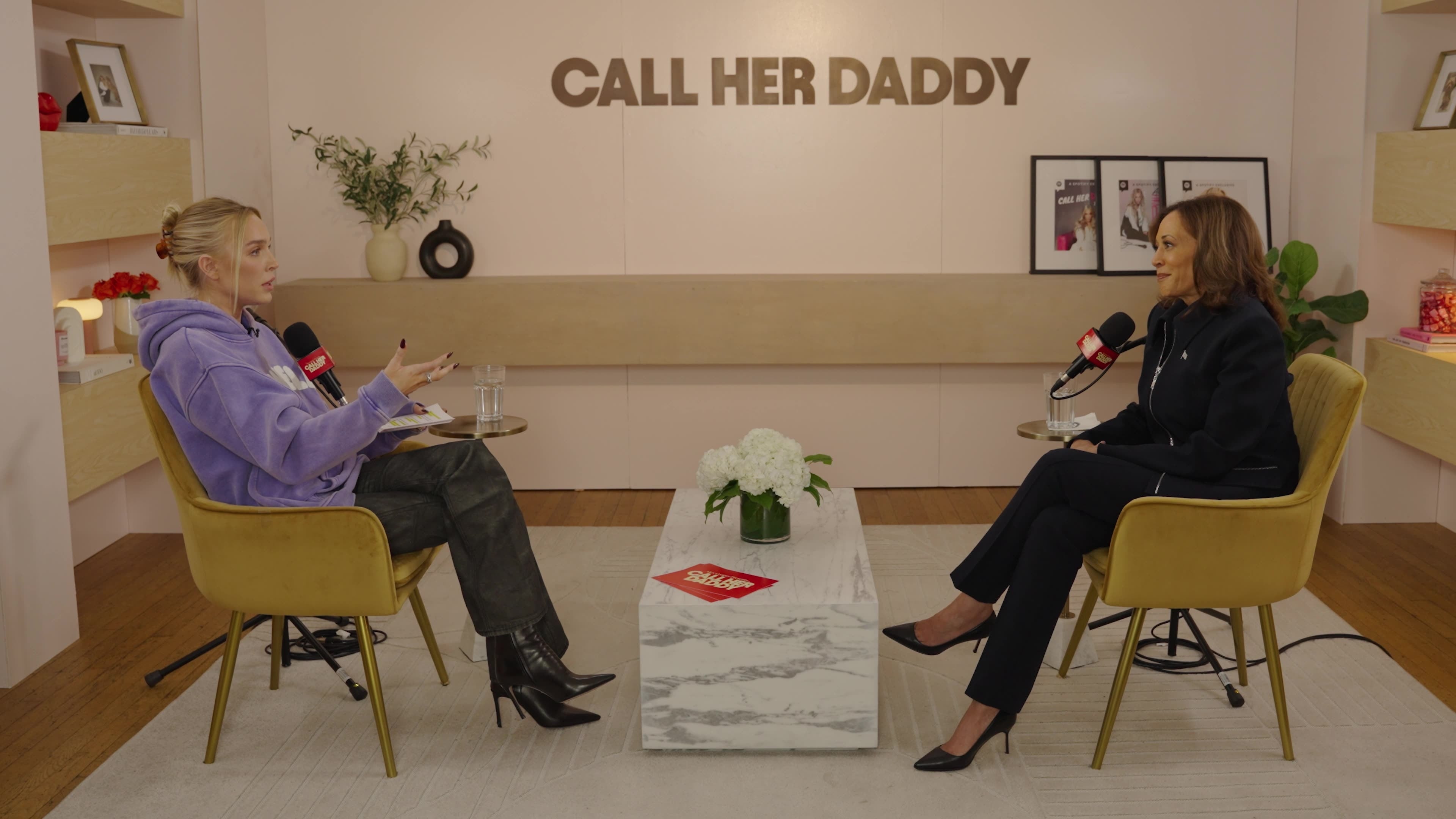
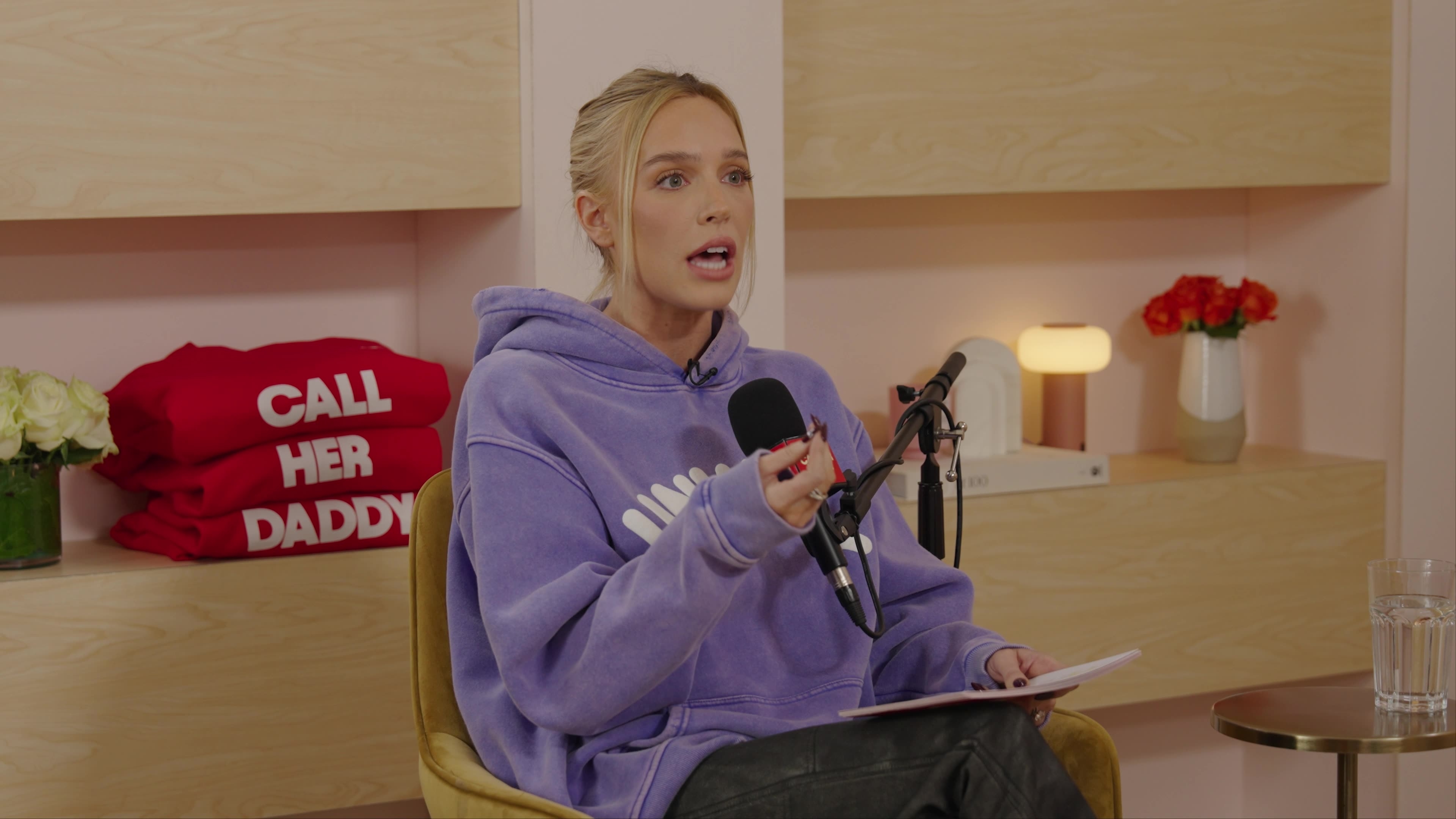
The visual set must feel like a personal living space rather than a broadcast studio. Use warm ambient lighting, comfortable seating that allows guests to curl up or lean back, and high-quality microphones placed on low-profile arms so they do not block facial expressions.
Step 2: Establish Reciprocal Pre-Interview Research
Research must extend beyond standard promotional points. Analyze past interviews, social media activity, and public statements to identify unresolved emotional arcs or recurring personal themes. Prior to recording, discuss these topics with the guest to establish trust and set explicit boundaries.
Step 3: Master the Reciprocal Interview Style
During the recording session, avoid jumping immediately into heavy questions. Begin with lighter, relatable observations. When addressing sensitive topics, lead with a personal anecdote or vulnerable admission. This demonstrates that you are asking the guest to share only what you are willing to match yourself.
Step 4: Execute a Dual-Stream Editing Strategy
- Long-Form Narrative Arc: Edit the main audio/video file for smooth narrative flow, ensuring emotional moments have space to breathe without jarring cuts.
- Short-Form Hook Strategy: Identify 30- to 60-second segments containing strong emotional assertions, surprising reveals, or highly relatable advice. Frame these clips vertically with bold subtitles and distribute them across short-form video platforms immediately upon episode launch.
Frequently Asked Questions
What defines the Call Her Daddy genre compared to standard interview podcasts?
The genre is defined by radical vulnerability, taboo-breaking discussions around intimacy and mental health, peer-to-peer host positioning, cinematic multi-camera visuals, and short-form video clip distribution designed for social algorithms.
How did Call Her Daddy change from its original 2018 format?
It started as a fast-paced, comedic dating and hookup advice show under Barstool Sports. Following Alex Cooper's transition to solo host in 2020, the show evolved into a high-production, emotionally nuanced interview format featuring celebrity guests, cultural figures, and mental health discussions.
What is the Unwell Network?
The Unwell Network is a media company co-founded by Alex Cooper and Matt Kaplan under Trending Media. It incubates and produces podcasts for Gen-Z and Millennial creators—such as Alix Earle and Madeline Argy—using the production, branding, and distribution strategies developed on Call Her Daddy.
Why do celebrities choose this format over traditional TV talk shows?
Celebrities prefer this format because the long-form conversational setting offers greater control over their narrative. The relaxed environment allows them to address personal topics, clear up public misconceptions, and connect directly with younger demographics without the artificial constraints or rapid pacing of traditional television press tours.
Can solo podcasters create content in the Call Her Daddy genre?
Yes. Solo hosts can apply the genre's principles by delivering authentic personal monologues, addressing taboo subjects, maintaining professional audio production, and converting key moments into short-form vertical videos for social distribution.
Strategic Recommendations for Media Creators
To successfully launch or refine a show within this genre, creators should focus on execution and brand safety:
- Prioritize Authenticity Over Shock Value: Audience trust depends on real vulnerability. Forced outrage or contrived discussions of taboo topics alienate listeners quickly. Share real experiences and genuine emotional observations.
- Invest in High-Grade Microphones and Camera Lighting: Listeners expect clean audio and crisp multi-angle video. Poor sound quality or bad lighting breaks the immersive intimacy the genre requires.
- Build an Integrated Social Clip Engine: Treat short-form video clip production as a primary growth driver, not an afterthought. Every long-form episode should yield several standalone social video clips.
- Maintain Clear Personal and Editorial Boundaries: Candid podcasting requires navigating deep personal subjects. Establish clear guidelines regarding what personal details, relationships, or third-party stories remain private to avoid legal issues and burnout.
Image Gallery