Why the Edge in Tuscaloosa Matters for Entrepreneurs
The edge in Tuscaloosa matters for entrepreneurs because the city combines the robust research, talent pipeline, and innovation assets of The University of Alabama with a supportive local business ecosystem, lower operating costs, and...
The edge in Tuscaloosa matters for entrepreneurs because the city combines the robust research, talent pipeline, and innovation assets of The University of Alabama with a supportive local business ecosystem, lower operating costs, and strategic proximity to major Southeastern markets. This unique blend of academic resources and Southern economic opportunity provides a distinct competitive advantage for early-stage and growing companies.
Contents
Building a business in a secondary or tertiary market often comes with distinct strategic choices. While major metropolitan hubs offer immediate access to dense venture capital networks, they also introduce high real estate costs, fierce competition for talent, and elevated overhead expenses that can drain a startup's runway before it reaches profitability. Tuscaloosa, Alabama, presents an alternative model: an environment where modern technological infrastructure, institutional backing, and a tight-knit commercial community intersect. Understanding why this local edge matters requires examining the specific economic levers, university partnerships, and cost advantages that shape the regional entrepreneurial landscape.
The Academic and Talent Pipeline
One of the most consequential components of the Tuscaloosa business advantage is its direct connection to higher education, primarily anchored by The University of Alabama. For entrepreneurs, proximity to a major research institution offers more than just theoretical knowledge; it provides a continuous influx of human capital, specialized research facilities, and structured pathways for commercializing intellectual property.
The talent pipeline generated by the university supplies startups with interns, entry-level professionals, and advanced researchers in fields ranging from engineering and computer science to marketing and finance. Programs such as Alabama's Culverhouse College of Business and the College of Engineering actively foster entrepreneurial thinking through dedicated centers, incubators, and student-led venture competitions. For a growing enterprise, recruiting skilled graduates locally significantly reduces the recruitment overhead and relocation costs typically associated with coastal tech hubs.
Furthermore, academic institutions act as catalysts for research and development (R&D). Entrepreneurs working in advanced manufacturing, software development, biotechnology, or data analytics can leverage university laboratories, specialized testing equipment, and faculty expertise. This access allows early-stage companies to prototype products and validate technologies without investing heavily in proprietary capital equipment from day one.
Economic Efficiency and Capital Preservation
For any startup, the runway—the length of time a company can survive before running out of cash—is the primary metric of operational viability. Tuscaloosa offers a significant structural advantage in capital preservation compared to primary U.S. metropolitan areas.
Commercial real estate costs, office leases, and warehousing spaces in Tuscaloosa remain substantially lower than national averages for comparable facilities in cities like Atlanta, Nashville, or Austin. Lower overhead directly translates to extended operational runways, allowing founders to invest more capital directly into product development, market expansion, and customer acquisition rather than fixed expenses.
Beyond real estate, the cost of living for employees is notably competitive. This affordability allows businesses to offer attractive, sustainable compensation packages that afford employees a high quality of life without demanding inflated salaries to offset extreme housing costs. Consequently, employee retention rates in smaller, growth-oriented markets often surpass those in hyper-competitive coastal cities, reducing the hidden costs of constant staff turnover.
Local Ecosystem Support and Regional Connectivity
An entrepreneurial edge is rarely forged in isolation; it requires a supportive network of peers, mentors, investors, and civic leaders. Tuscaloosa has cultivated a collaborative local ecosystem designed to nurture new ventures through public-private partnerships, local chambers of commerce, and specialized economic development organizations.
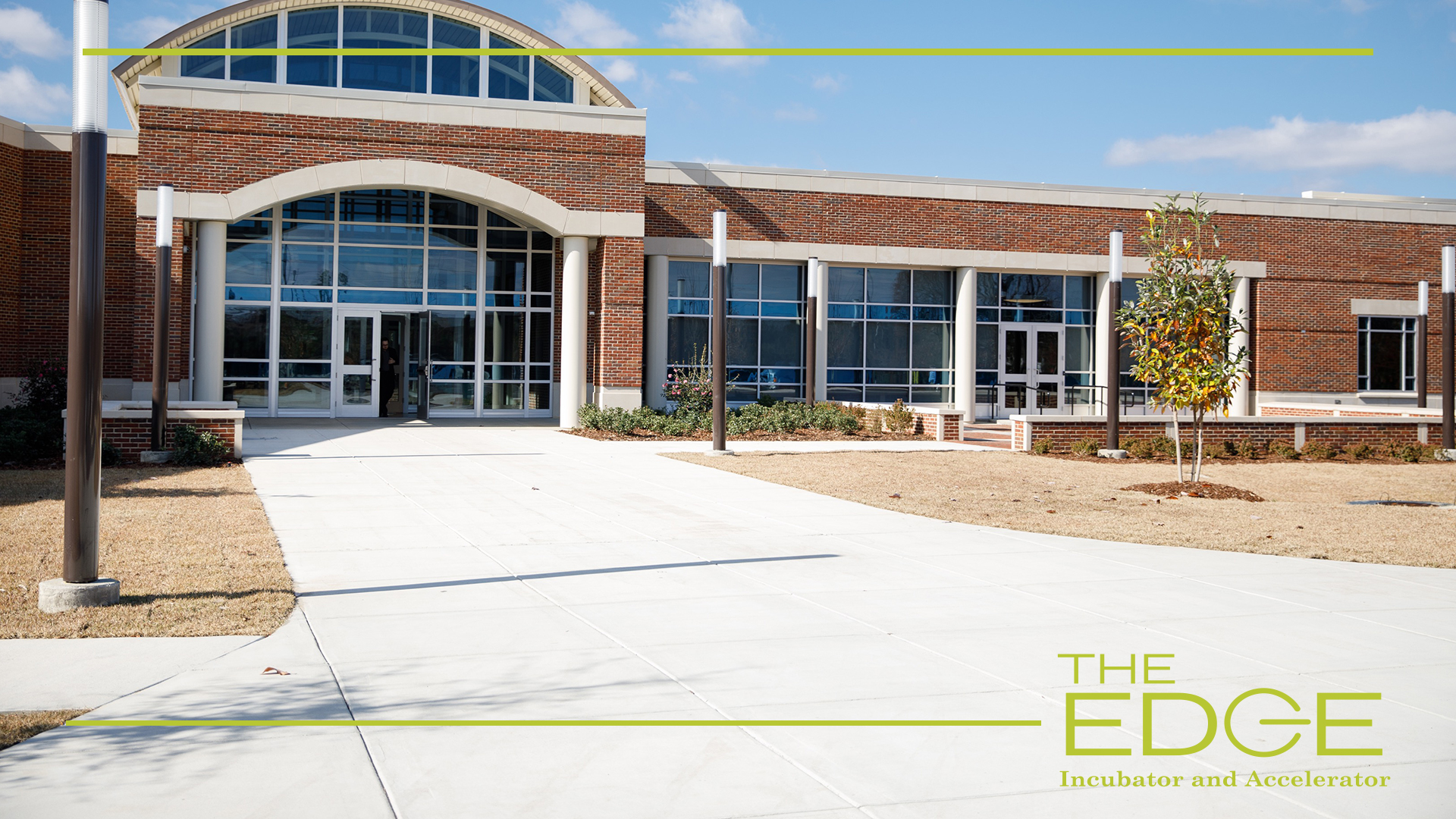
Initiatives such as the Edge Center for Innovation—a collaborative workspace and incubator space operated in partnership with the city, the university, and local economic development entities—provide physical infrastructure and programming tailored specifically to founders. These spaces offer coworking options, private offices, high-speed fiber connectivity, and regular networking events where entrepreneurs can connect with angel investors, legal advisors, and seasoned executives.
Strategic Location and Market Access
In addition to local resources, Tuscaloosa occupies a strategic geographic position in the American Southeast. Situated along major transportation corridors, the city provides efficient logistical access to key regional markets:
- Birmingham: Located less than an hour away, offering expanded corporate partnerships, venture networks, and international airport connections.
- Atlanta and Nashville: Within a comfortable half-day drive or short flight radius, serving as major economic centers for client acquisition and enterprise sales.
- Port of Mobile: Providing accessible maritime shipping and logistics pathways for manufacturing and physical goods businesses operating in the region.
This connectivity ensures that businesses rooted in Tuscaloosa are not landlocked or restricted solely to local customer bases. Instead, they can scale operations regionally and nationally while maintaining a low-cost operational headquarters.
Comparing Tuscaloosa to Traditional Tech Hubs
To evaluate the true value of the Tuscaloosa edge, it is helpful to compare the operating environment directly against traditional Tier-1 metropolitan startup hubs.
| Metric / Feature | Tuscaloosa, AL | Tier-1 Metros (e.g., SF, NYC, Austin) |
|---|---|---|
| Average Commercial Rent | Low to Moderate | Extremely High |
| Talent Acquisition Cost | Competitive and Stable | Highly Inflated due to bidding wars |
| University Integration | Direct, highly accessible partnerships | Often siloed or bureaucratic |
| Community Networking | Tight-knit, collaborative, accessible | Fragmented, hyper-competitive |
| Operational Runway | Extended due to lower overhead | Shortened by high fixed expenses |
This comparative framework demonstrates that while Tier-1 cities may offer immediate access to dense venture capital pools, Tuscaloosa provides a far more sustainable baseline for early-stage capital efficiency and product refinement.
Potential Challenges and Operational Limitations
While the advantages are clear, entrepreneurs must also navigate specific structural limitations when establishing a business in Tuscaloosa:
- Venture Capital Density: While local angel networks and regional funds exist, securing large-scale Series A or B venture capital typically requires looking outward to regional syndicates in Atlanta, Nashville, or national firms.
- Specialized Talent Pools: While undergraduate talent is abundant, highly specialized senior executives with deep experience in scaling hyper-growth tech companies may need to be recruited from outside the immediate area.
- Market Scale: The local consumer market is relatively modest, meaning businesses relying solely on localized B2C models must expand their geographic reach quickly to achieve significant scale.
Recognizing these constraints allows founders to proactively build remote networks, seek out regional capital sources, and design recruitment strategies that bridge local talent with external expertise.
Frequently Asked Questions
What specific resources does the Edge Center provide for startup founders?
The Edge Center provides collaborative workspace, private offices, high-speed broadband infrastructure, mentorship programs, and educational workshops tailored to early-stage entrepreneurs. It acts as a physical and programmatic hub connecting academic research with commercial enterprise.
How does the cost of living in Tuscaloosa impact startup payroll expenses?
The moderate cost of living in Tuscaloosa allows startups to offer competitive, comfortable compensation packages without matching the inflated salary requirements typical of major coastal metropolitan areas. This dynamic helps founders preserve capital while maintaining high employee satisfaction and retention.
Is venture capital readily available locally in Tuscaloosa?
While early-stage angel investors and regional economic development grants are accessible, institutional venture capital is less dense locally than in primary tech hubs. Entrepreneurs often combine local angel funding with regional Southeastern syndicates to secure larger funding rounds.
Can non-students access university research facilities and partnerships?
Yes. Through regional economic development programs and collaborative technology transfer offices, local businesses and external entrepreneurs can frequently partner with university faculty, license intellectual property, and access specialized laboratory equipment for commercial product development.
What industries benefit the most from operating in Tuscaloosa?
Industries centered around advanced manufacturing, software development, logistics, professional services, and data analytics tend to benefit most due to the region's strong engineering talent pipeline, favorable real estate costs, and strategic Southeastern location.
Practical Next Steps for Entrepreneurs
For founders considering establishing or expanding their operations in the area, the most effective next step is to engage directly with the local ecosystem. Schedule a visit to local innovation hubs such as the Edge Center, connect with the Tuscaloosa County Economic Development Authority, and initiate dialogues with university partnership offices. By leveraging the lower cost structure, tapping into the robust talent pipeline, and utilizing regional logistical advantages, entrepreneurs can build resilient, capital-efficient businesses positioned for long-term growth.
Image Gallery