Understanding Citibank Credit Card Foreign Transaction Fees: Rates, Cards, and How to Avoid Them
Citibank credit cards charge a 3% foreign transaction fee on purchases made outside the United States or processed through non-U.S. merchants, unless the specific card explicitly includes a no-foreign-transaction-fee benefit. Travel-fo...
Citibank credit cards charge a 3% foreign transaction fee on purchases made outside the United States or processed through non-U.S. merchants, unless the specific card explicitly includes a no-foreign-transaction-fee benefit. Travel-focused cards like the Citi Strata Premier℠ and select co-branded cards waive this fee entirely, while popular cash-back cards charge the standard rate.
Contents
What Is a Foreign Transaction Fee and How Does Citi Calculate It?
A foreign transaction fee (FTF) is an additional charge levied by card issuers on purchases made outside the cardholder's home country or transactions routed through international financial networks. For Citibank cardholders, understanding how this surcharge operates is essential for managing travel budgets and international online shopping costs.
Citibank calculates its standard foreign transaction fee as a percentage—typically 3%—of the total U.S. dollar value of the transaction after currency conversion. This fee is comprised of two distinct operational elements behind the scenes:
- Payment Network Assessment Fee: Payment networks like Mastercard and Visa charge a base cross-border handling fee (usually around 1%) to process transactions involving international banks or foreign merchant accounts.
- Issuer Surcharge: Citibank adds its own administrative margin to cover currency conversion risk, cross-border compliance, and international payment processing operations.
Total Foreign Purchase Cost = (Foreign Currency Amount × Visa/Mastercard Exchange Rate) + 3% Citi FTF
A critical distinction many cardholders overlook is that a foreign transaction fee applies based on the location of the merchant or merchant's acquiring bank, not necessarily where the cardholder is standing or what currency is displayed at checkout.
If you purchase items online from a business registered in the United Kingdom or Europe, Citibank will charge the foreign transaction fee even if the website displays prices in U.S. Dollars (USD) and you complete the checkout from your home in the United States. Conversely, making a purchase while physically traveling abroad will always trigger the fee on cards that carry it.
Citibank Credit Cards with No Foreign Transaction Fees vs. Standard 3% Fees
Citibank splits its credit card portfolio into two main categories regarding foreign transaction fees: travel-oriented cards that waive the fee as a primary benefit, and everyday cash-back or low-interest cards that apply a 3% fee to all international transactions.
Citi Credit Cards with No Foreign Transaction Fees (0%)
Travelers and frequent international shoppers should opt for Citibank cards designed specifically for cross-border spending. These cards feature a 0% foreign transaction fee, ensuring that every dollar spent abroad translates directly to the actual market exchange rate without added markups.
- Citi Strata Premier℠ Card: Designed for frequent travelers, offering accelerated rewards on travel, dining, supermarkets, and gas stations without foreign purchase surcharges.
- Costco Anywhere Visa® Card by Citi: Tailored for Costco members, providing rewards on gas, travel, and dining worldwide with zero foreign transaction fees.
- Citi® / AAdvantage® Platinum Select® World Elite Mastercard®: Built for American Airlines loyalists, offering priority travel perks and zero foreign transaction fees on international trips.
- Citi® / AAdvantage® Executive World Elite Mastercard®: A premium travel card providing Admirals Club® lounge access, global travel protections, and zero foreign purchase fees.
Citi Credit Cards with a 3% Foreign Transaction Fee
Citibank’s popular cash-back and balance-transfer cards generally carry a 3% foreign transaction fee. While these cards deliver strong value for domestic purchases, using them abroad rapidly erodes any earned rewards.
- Citi Double Cash® Card: Earns cash back on domestic purchases, but charges a 3% fee on international transactions, making it less ideal for foreign travel.
- Citi Custom Cash® Card: Automatically adapts to your top spending category domestically, but applies a 3% charge to foreign purchases.
- Citi Rewards+® Card: Features a round-up point structure for small everyday purchases, but incurs a 3% fee when used outside the U.S.
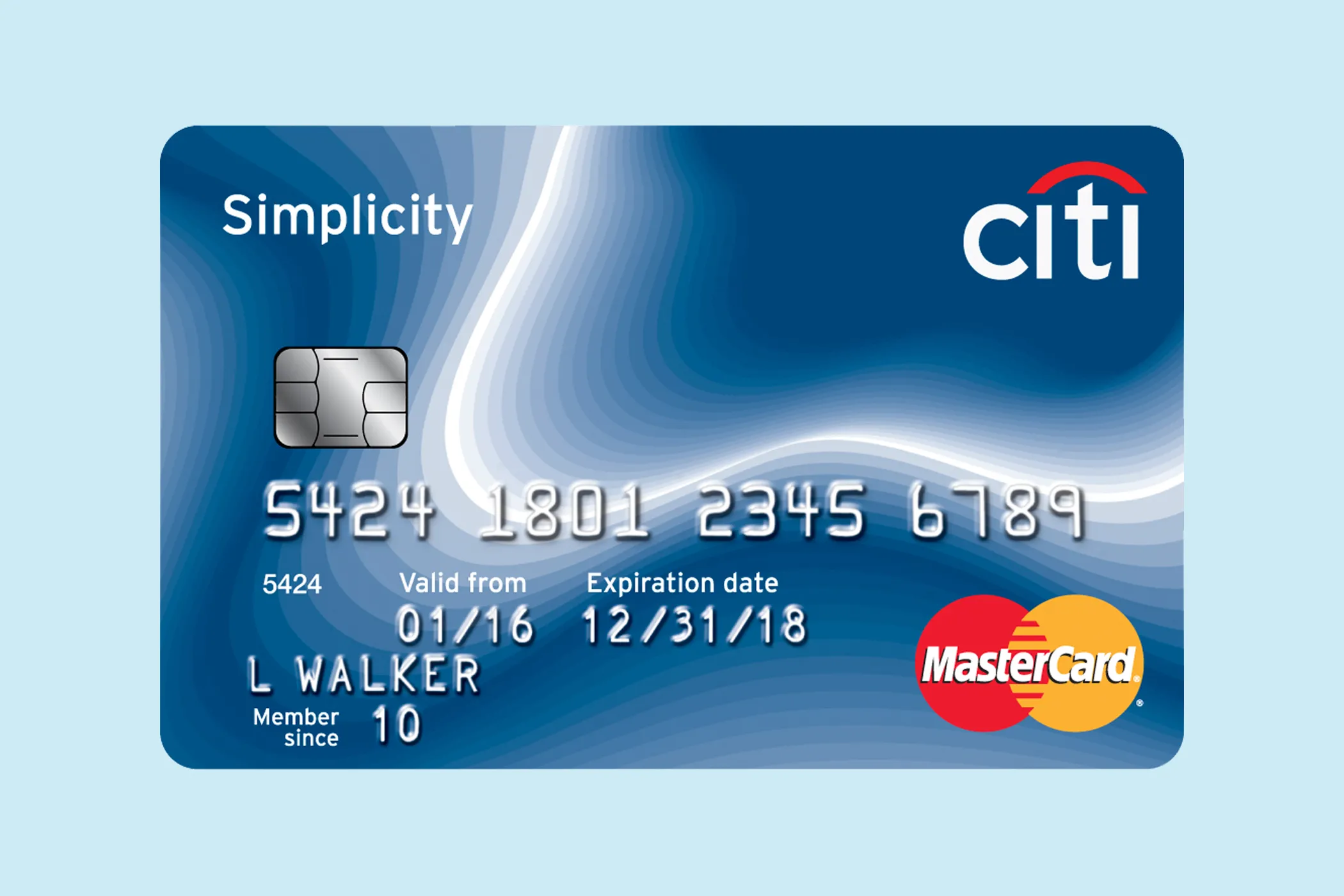
- Citi Simplicity® Card & Citi Diamond Preferred® Card: Focused on balance transfers and low APR offers; both assess a 3% fee on foreign transactions.
- American Airlines AAdvantage® MileUp® Mastercard®: An entry-level airline card with no annual fee, but subject to the standard 3% foreign transaction surcharge.
Citibank Credit Card Foreign Transaction Fee Comparison
The table below outlines the foreign transaction fee structure across major Citibank consumer credit cards:
| Citibank Credit Card Name | Foreign Transaction Fee | Annual Fee | Primary Benefit / Target Category |
|---|---|---|---|
| Citi Strata Premier℠ Card | 0% | $95 | Travel, Dining, Supermarkets & Gas Rewards |
| Costco Anywhere Visa® Card by Citi | 0% | $0 (with paid Costco membership) | Travel, Gas, & Costco Purchases |
| Citi® / AAdvantage® Platinum Select® Mastercard® | 0% | $99 (often waived first year) | Airline Perks & Foreign Travel Spending |
| Citi® / AAdvantage® Executive World Elite Mastercard® | 0% | $595 | Premium Travel & Admirals Club® Access |
| Citi Double Cash® Card | 3% | $0 | Everyday Flat-Rate Cash Back (Domestic) |
| Citi Custom Cash® Card | 3% | $0 | Automated 5% Cash Back Category (Domestic) |
| Citi Rewards+® Card | 3% | $0 | Points Round-Up on Everyday Spending |
| Citi Simplicity® Card | 3% | $0 | Low Intro APR & Late Fee Forgiveness |
| Citi Diamond Preferred® Card | 3% | $0 | Balance Transfers & Low Interest Rates |
| AAdvantage® MileUp® Mastercard® | 3% | $0 | Entry-Level American Airlines Miles |
Dynamic Currency Conversion (DCC): The Hidden Trap Overseas
Even if you carry a Citibank card with no foreign transaction fees, you can still end up paying inflated fees abroad due to a financial practice known as Dynamic Currency Conversion (DCC).
How Dynamic Currency Conversion Works
When paying with a credit card at a restaurant, hotel, merchant, or ATM in a foreign country, the point-of-sale (POS) terminal may detect your U.S.-issued card and prompt you to choose how you want to be billed:
- Option A: Pay in the local currency (e.g., Euros, Japanese Yen, British Pounds).
- Option B: Pay in U.S. Dollars (USD).
Choosing to pay in U.S. Dollars triggers Dynamic Currency Conversion. The foreign merchant's local bank—not Citibank—converts the transaction on the spot.
Why You Should Always Decline DCC
While paying in U.S. Dollars might seem convenient, DCC is almost always a costly mistake for travelers:
- Inflated Exchange Rates: The merchant's acquiring bank sets its own exchange rate, which usually includes a hidden markup ranging from 4% to 10% above standard wholesale exchange rates.
- Double Surcharging on 3% Citi Cards: If you use a Citi card that carries a 3% foreign transaction fee (such as the Citi Double Cash®), opting for DCC does not protect you from Citi's fee. Citi sees that the merchant is foreign and applies the 3% foreign transaction fee on top of the merchant's marked-up exchange rate.
- Loss of Network Protection: When you pay in foreign currency, Visa or Mastercard handles the conversion at competitive wholesale interbank rates, which are significantly better than DCC retail rates.
Rule of Thumb: Always select the local currency when prompted at card terminals or ATMs overseas. Let Visa, Mastercard, and Citibank handle the conversion.
How Foreign Transaction Fees Appear on Your Citi Statement
When you make an international purchase on a Citibank credit card that carries a 3% fee, the billing statement reflects the cost in two clear steps:
- The Converted Transaction Line Item: The foreign currency amount is converted into U.S. Dollars using the payment network's exchange rate for that processing date.
- The Foreign Transaction Fee Line Item: A separate fee entry appears under the main transaction or in the monthly fees summary, calculated as exactly 3% of the converted U.S. dollar amount.
For example, if you spend €100 in Paris and the Mastercard conversion rate yields $110.00 USD:
- The purchase registers on your statement as $110.00.
- A separate line item labeled "FOREIGN TRANSACTION FEE" appears for $3.30 ($110.00 × 0.03).
- Your total cost for the item becomes $113.30.
If you use a Citi card with no foreign transaction fee (such as the Citi Strata Premier℠), only the converted $110.00 charge appears on your statement, without secondary processing fees.
Actionable Strategies to Avoid Foreign Transaction Fees with Citi
Avoiding foreign transaction fees requires proactive account management before traveling or shopping internationally online.
1. Match the Right Citi Card to the Right Destination
Audit your credit cards before leaving the country. Ensure that your primary card for international travel is a Citi card with a 0% foreign transaction fee or a comparable card from another issuer. Keep cards like the Citi Double Cash® or Citi Custom Cash® tucked away for domestic use.
2. Set Up Travel Notifications and Verify Settings
While Citibank uses advanced fraud monitoring and no longer strictly requires manual travel notices for many accounts, it remains best practice to log into the Citi Mobile® App or online portal before departure. Verify that your contact phone number and email are current so you can respond quickly to real-time fraud alerts while abroad.
3. Use Citi Global Wallet for Foreign Debit Card Transactions
If you hold a Citibank checking account in addition to a credit card, explore Citi Global Wallet. This feature allows eligible Citi debit cards to automatically draw funds directly from foreign currency sub-accounts (such as Euros, British Pounds, or Japanese Yen) when paying abroad, avoiding standard foreign conversion surcharges at participating merchants and ATMs.
4. Audit Foreign Online Retailers Before Checkout
When shopping online from domestic locations, check the seller's "About Us" page, shipping origin, or terms of service. If the merchant processes payments through a foreign bank account (common with European luxury boutiques, foreign airlines, and international booking platforms), use a no-FTF credit card to avoid unexpected 3% surcharges.
Frequently Asked Questions (FAQs)
Does Citibank charge foreign transaction fees on online international purchases?
Yes. Citibank foreign transaction fees are triggered by the location of the merchant's financial institution, not your physical location. If you order from a company based outside the United States, Citi will apply a 3% fee on cards that carry foreign transaction fees, even if the price was listed in U.S. Dollars.
Which Citibank credit cards have no foreign transaction fees?
Citibank travel and co-branded cards generally waive foreign transaction fees. Notable examples include the Citi Strata Premier℠ Card, Costco Anywhere Visa® Card by Citi, Citi® / AAdvantage® Platinum Select® World Elite Mastercard®, and Citi® / AAdvantage® Executive World Elite Mastercard®.
Is a foreign transaction fee charged if I pay in U.S. Dollars abroad?
Yes. If you choose to pay in U.S. Dollars at an overseas terminal (via Dynamic Currency Conversion), cards with a 3% foreign transaction fee will still incur the fee because the transaction is processed by a foreign bank. Additionally, you will likely pay an extra 4% to 10% currency conversion markup to the foreign merchant's acquiring bank.
How does Citibank calculate exchange rates for international purchases?
Citibank uses the standard daily exchange rates established by the underlying card network (Visa or Mastercard). These rates closely track interbank, wholesale currency rates. For cards subject to foreign transaction fees, Citibank adds 3% to the total U.S. dollar amount after the network conversion is complete.
What happens if I return an international purchase made on a Citi card?
When you receive a refund for an international purchase, Citibank converts the refunded foreign currency amount back to U.S. Dollars at the network rate on the date the refund is processed. For cards with foreign transaction fees, Citi typically reverses or credits back the proportional 3% foreign transaction fee associated with the original purchase amount.
Recommended Next Actions
To ensure you do not pay unnecessary international surcharges on your next trip or foreign purchase:
- Review Your Current Citi Cards: Log into your Citibank account online or check your cardmember agreement to confirm the exact fee structure for each card you carry.
- Apply for a No-FTF Travel Card: If you frequently travel abroad or purchase items internationally, consider adding a 0% FTF card—such as the Citi Strata Premier℠ or Costco Anywhere Visa®—to your wallet.
- Always Pay in Local Currency: When paying abroad at POS terminals or ATMs, always select the foreign local currency option over USD to avoid Dynamic Currency Conversion fees.
Disclaimer: Credit card terms, annual fees, and fee structures are subject to change by the issuing bank. Always review Citibank’s official cardmember agreements and fee disclosures prior to applying or traveling.
Image Gallery