Why Aren't 2 Dollar Bills Used? The History and Reality of the Two-Dollar Note
Although the two-dollar bill remains legal tender and is still printed by the United States Bureau of Engraving and Printing, it is rarely seen in everyday cash transactions. This scarcity is largely driven by a continuous cycle of pub...
Although the two-dollar bill remains legal tender and is still printed by the United States Bureau of Engraving and Printing, it is rarely seen in everyday cash transactions. This scarcity is largely driven by a continuous cycle of public hoarding, a historic lack of dedicated space in cash registers, and consumer habits that favor $1, $20, and digital payment methods over an unfamiliar denomination.
Contents
The Evolution and Legal Status of the Two-Dollar Bill
The two-dollar bill holds a unique, somewhat paradoxical position in the American monetary system. It is fully recognized as legal tender, meaning creditors and merchants are legally permitted to accept it for the payment of debts and purchases under federal law. However, there is no federal statute requiring private businesses to accept cash at all, let alone specific denominations, meaning individual retailers can legally refuse them if they choose.
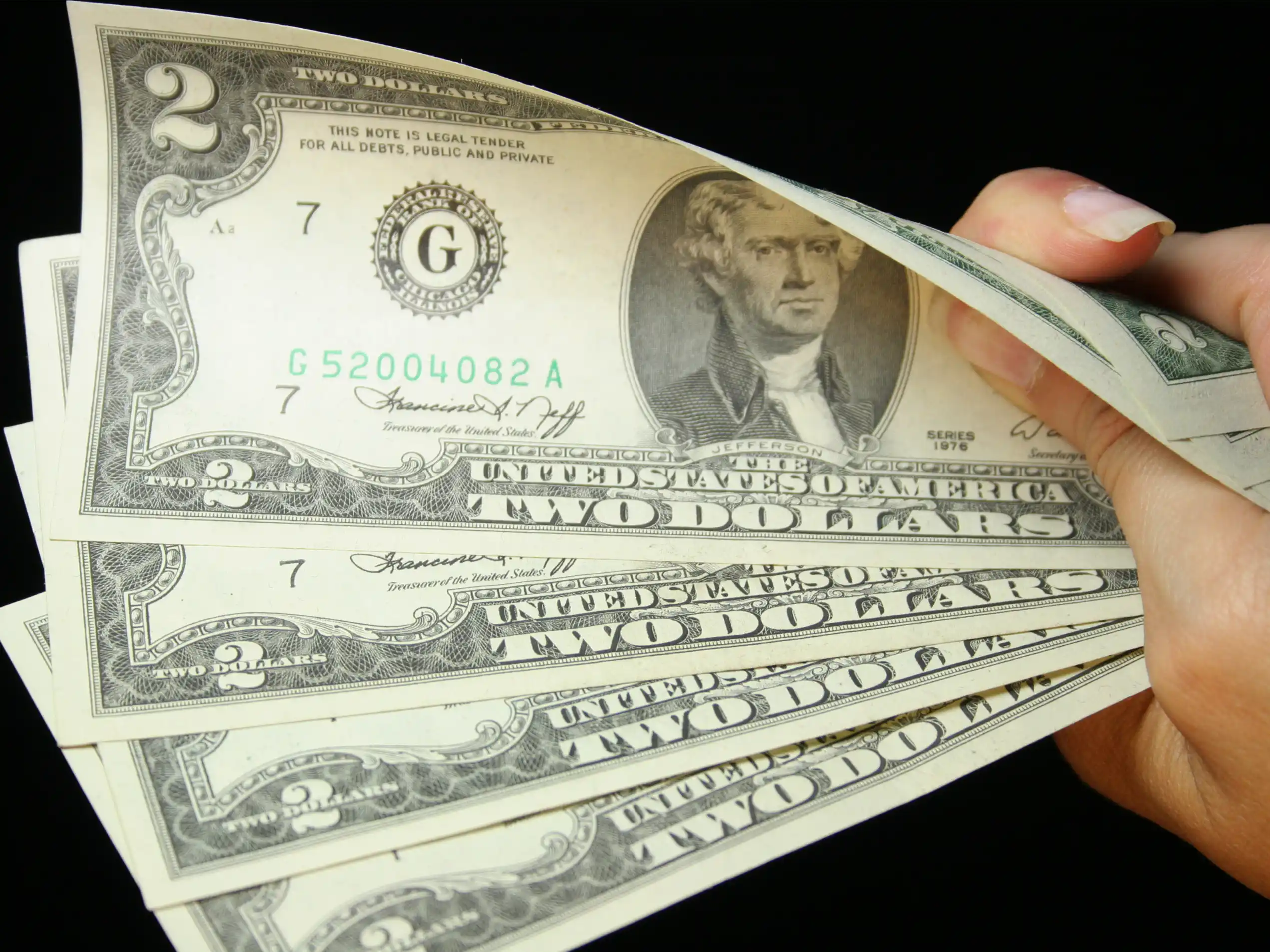
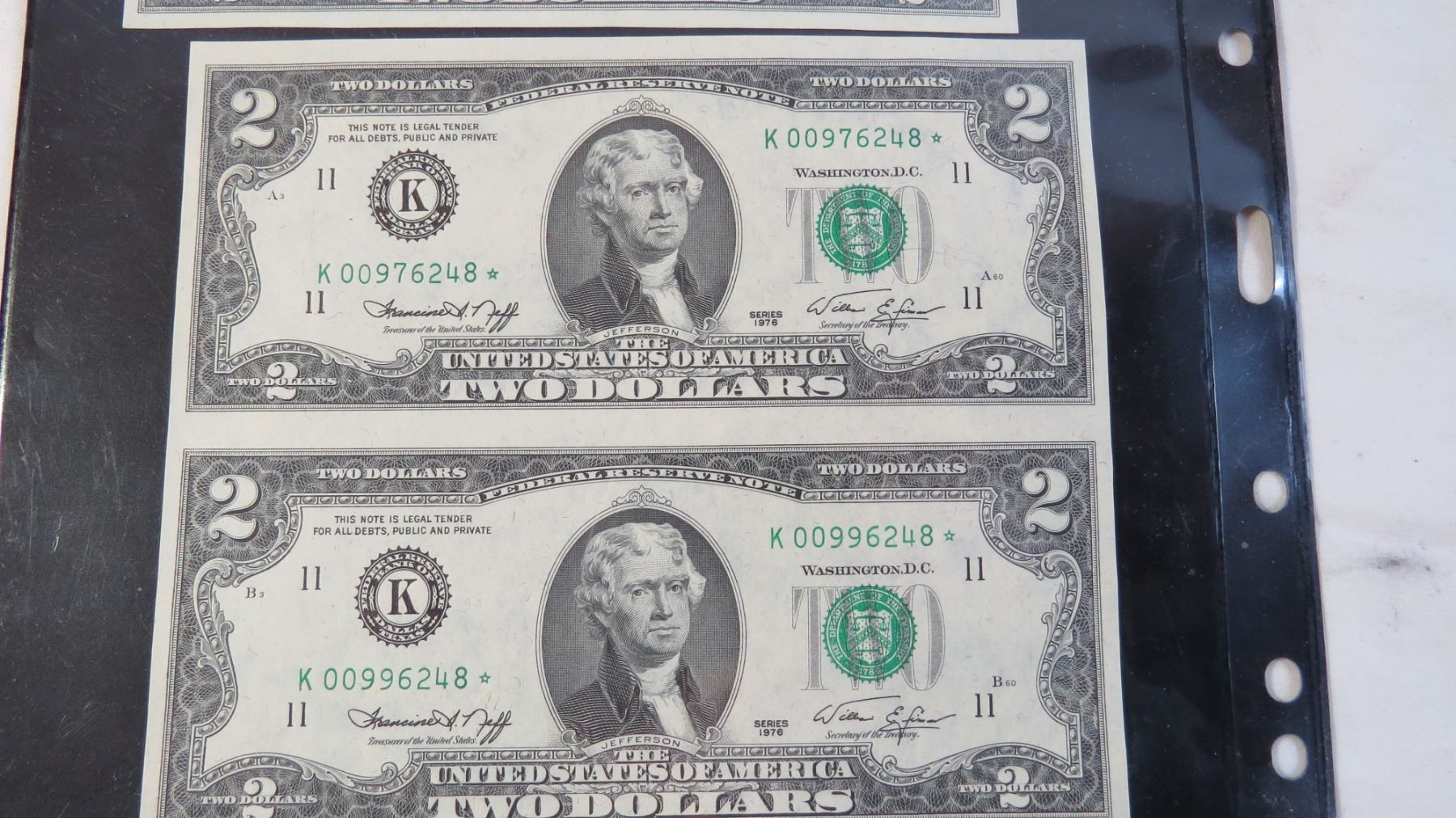
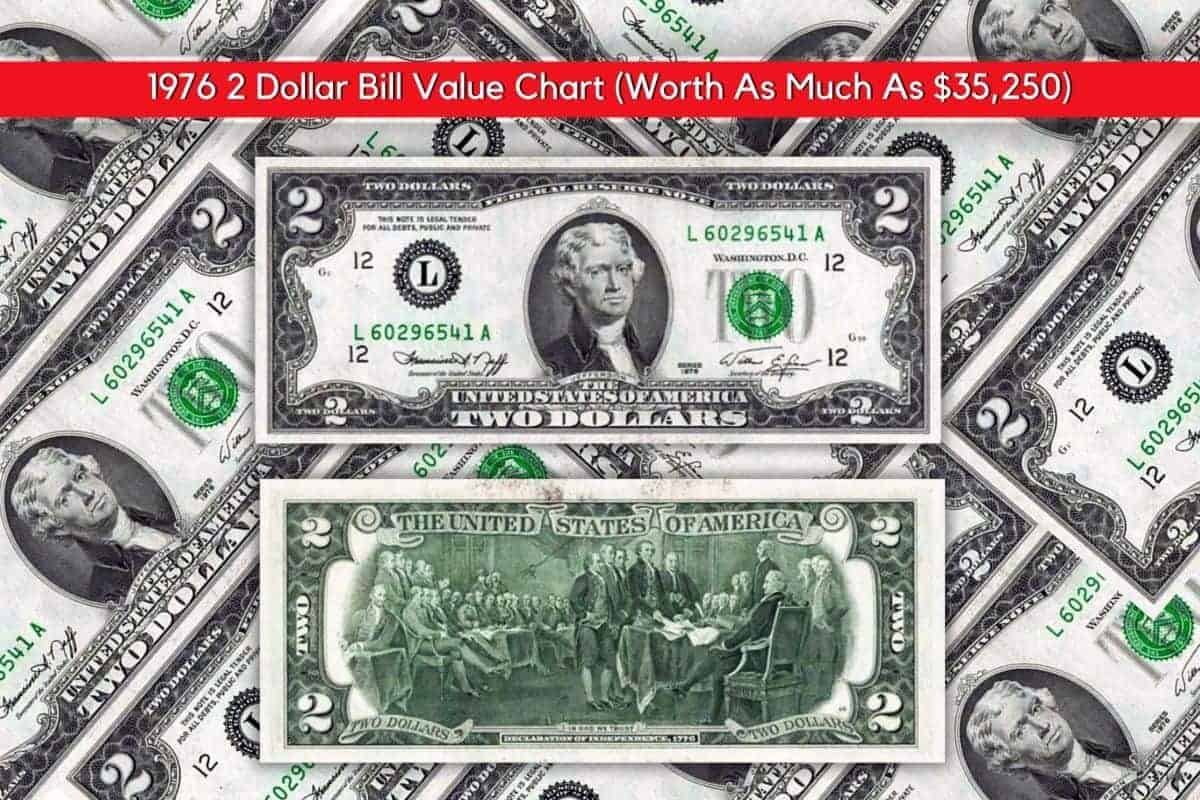
First introduced by the United States Department of the Treasury as a United States Note in 1862, the denomination has featured several notable portraits throughout its history, most famously Thomas Jefferson, who was placed on the obverse side in 1928. Despite its long history spanning more than a century and a half, the note has never achieved widespread circulation velocity.
| Milestone Years in the History of the Two-Dollar Bill | |
|---|---|
| Year | Significant Event |
| 1862 | First $2 United States Note authorized by Congress. |
| 1928 | Redesigned as a smaller-sized note featuring Thomas Jefferson. |
| 1966 | Discontinued due to low public demand and declining circulation. |
| 1976 | Reintroduced as a Federal Reserve Note featuring a Bicentennial design. |
| 2026 (Current) | Continues intermittent printing runs by the Bureau of Engraving. |
The Treasury formally discontinued production of the note in 1966 due to persistently low demand. A decade later, in 1976, the government gave the bill a major relaunch as part of the United States Bicentennial celebrations, updating the reverse side to feature John Trumbull’s famous painting, Declaration of Independence. While this relaunch caused a temporary surge in production and distribution, the novelty quickly wore off, and the bills gradually drifted out of everyday commercial use.
Why People Stopped Using the Two-Dollar Note
The disappearance of the two-dollar bill from daily commerce cannot be attributed to a single cause. Instead, it is the result of a combination of historical banking decisions, mechanical constraints, and deeply ingrained psychological behaviors among consumers.
1. The Cash Register Slot Myth and Reality
A persistent urban legend claims that cash registers do not feature a slot for two-dollar bills, forcing retailers to reject or store them improperly. Historically, standard mechanical cash registers used by merchants often had four or five slots for paper currency: $1, $5, $10, $20, and occasionally $50 or $100.
When businesses ordered cash drawers, the configuration matched the most common circulation needs. Because the $2 bill was rare, register manufacturers did not prioritize a dedicated slot for it. Cashiers forced to accommodate $2 bills typically tucked them under the $1 tray or shared a slot with $5 bills, increasing the risk of giving incorrect change. While modern electronic point-of-sale systems and cash drawers easily accommodate extra bill compartments, the legacy mindset among traditional retailers persisted.
2. The Hoarding Phenomenon
Whenever individuals encounter a two-dollar bill, a psychological quirk often takes over: they treat it as a collectible rather than currency. People tuck them into greeting cards, save them in piggy banks, or keep them in wallets as lucky charms.
This behavior triggers a massive feedback loop. Because consumers hoard the bills instead of spending them, the velocity of the currency drops to near zero. Federal Reserve banks notice that returned volumes are exceptionally low, which signals to monetary authorities that additional large print runs are unnecessary. Consequently, the bills never make it back into general commercial circulation.
3. Cultural Stigma and Novelty Status
Over generations, the two-dollar bill acquired a reputation as a novelty item rather than functional money. In the early 20th century, the bills were occasionally associated with horse-race betting, where the standard minimum wager was often $2. Later, political campaigns and promotional stunts occasionally distributed stamped or altered $2 bills to create buzz.
Because people view the note as unusual, receiving one in change can cause momentary confusion. Cashiers sometimes inspect the bill with suspicion, wondering if it is counterfeit, while recipients hesitate to spend it, preferring to preserve the novelty. This self-fulfilling cycle reinforces the idea that the bill does not belong in a normal wallet.
Production Realities and Federal Reserve Policy
Many casual observers wonder why the U.S. government continues to print a denomination that nobody seems to use. The answer lies in manufacturing efficiency and cost management by the Bureau of Engraving and Printing (BEP) and the Federal Reserve.
Federal Reserve notes are printed based on direct demand from commercial banks, which order currency to replace worn-out notes or meet seasonal spikes in cash withdrawals. Because banks rarely request $2 bills from the Fed, the central bank orders them in much smaller quantities compared to $1, $20, or $100 bills.
However, printing currency involves fixed setup costs. When the BEP schedules a print run for $2 bills, it prints them in large batches to maximize efficiency, after which the presses remain idle for years.
| Denomination Comparison: Production Economics & Usage | ||
|---|---|---|
| Denomination | Primary Circulation Driver | Average Lifespan in Circulation |
| $1 Bill | Vending, tipping, retail change | ~6.6 years |
| $2 Bill | Novelties, hoarding, gifts | Decades (due to low handling) |
| $20 Bill | ATMs, general retail spending | ~7.9 years |
| $100 Bill | International storage, high-value purchases | ~22.9 years |
Because $2 bills are handled so infrequently, their physical lifespan in circulation is remarkably long compared to $1 bills, which wear out quickly through heavy daily handling and are frequently shredded and replaced by the Federal Reserve. A single batch of $2 bills can sit in bank vaults or private collections for decades without showing significant wear.
How to Obtain and Spend Two-Dollar Bills Today
Despite their absence from standard ATM machines and routine bank teller counters, acquiring two-dollar bills remains remarkably simple for anyone who wants them.
- Bank Tellers: Most traditional retail banks do not keep $2 bills sitting in their standard cash drawers, but customers can easily request them. Visiting a local bank branch and asking the teller for a pack of uncirculated or circulated $2 bills will almost always yield results, though large quantities may require ordering a few days in advance.
- Spending Constraints: When spending $2 bills at retail stores, automated self-checkout kiosks frequently reject them. Many older bill validators in vending machines, parking meters, and self-service kiosks are programmed specifically to accept $1, $5, $10, and $20 bills, omitting the validation parameters for the $2 denomination. Therefore, spending them usually requires handing them directly to a human cashier.
Frequently Asked Questions
Are two-dollar bills still legal tender in the United States?
Yes. Two-dollar bills are fully recognized as legal tender by the United States federal government. Any merchant, bank, or government agency is legally permitted to accept them for payment, though private businesses maintain the right to refuse cash entirely or select which denominations they accept.
Why do people think two-dollar bills are rare or valuable?
The misconception that $2 bills are rare or worth more than face value stems from their low circulation velocity. Because most people hoard them as collectibles, they rarely appear in everyday transactions. However, unless a note is a rare historical series featuring unique serial numbers or red/blue seals from the 19th or early 20th century, a standard modern $2 bill is worth exactly two dollars.
Can you get two-dollar bills from standard ATMs?
No. Automated teller machines are stocked with high-volume denominations—typically $20 and $100 bills—to satisfy the vast majority of consumer withdrawal requests. ATMs are neither programmed nor physically configured to dispense two-dollar bills.
Why doesn't the U.S. government stop printing them?
The Federal Reserve only orders new currency batches when existing inventories drop or specific bank demand requires replenishment. Because printing occurs in intermittent, cost-effective batches separated by multi-year gaps, the government incurs minimal expense maintaining the denomination while fulfilling statutory obligations to keep the note available.
How can I get two-dollar bills for a wedding, gift, or collection?
You can obtain $2 bills by visiting your local bank or credit union branch and asking the teller. While they may not be in the immediate cash drawer, tellers can usually provide them from vault stock or order a bundle for your next visit.
Practical Recommendations for Using Two-Dollar Bills
If you enjoy using two-dollar bills for tipping, allowances, or unique gifts, keep a few practical operational realities in mind. Always have alternative payment methods available when shopping, as cashiers unfamiliar with the denomination may pause to examine the bill for counterfeits. Avoid using them in automated kiosks or parking meters that lack software support for the denomination, and remember that handing them directly to a cashier is the fastest way to ensure a smooth transaction.
Image Gallery