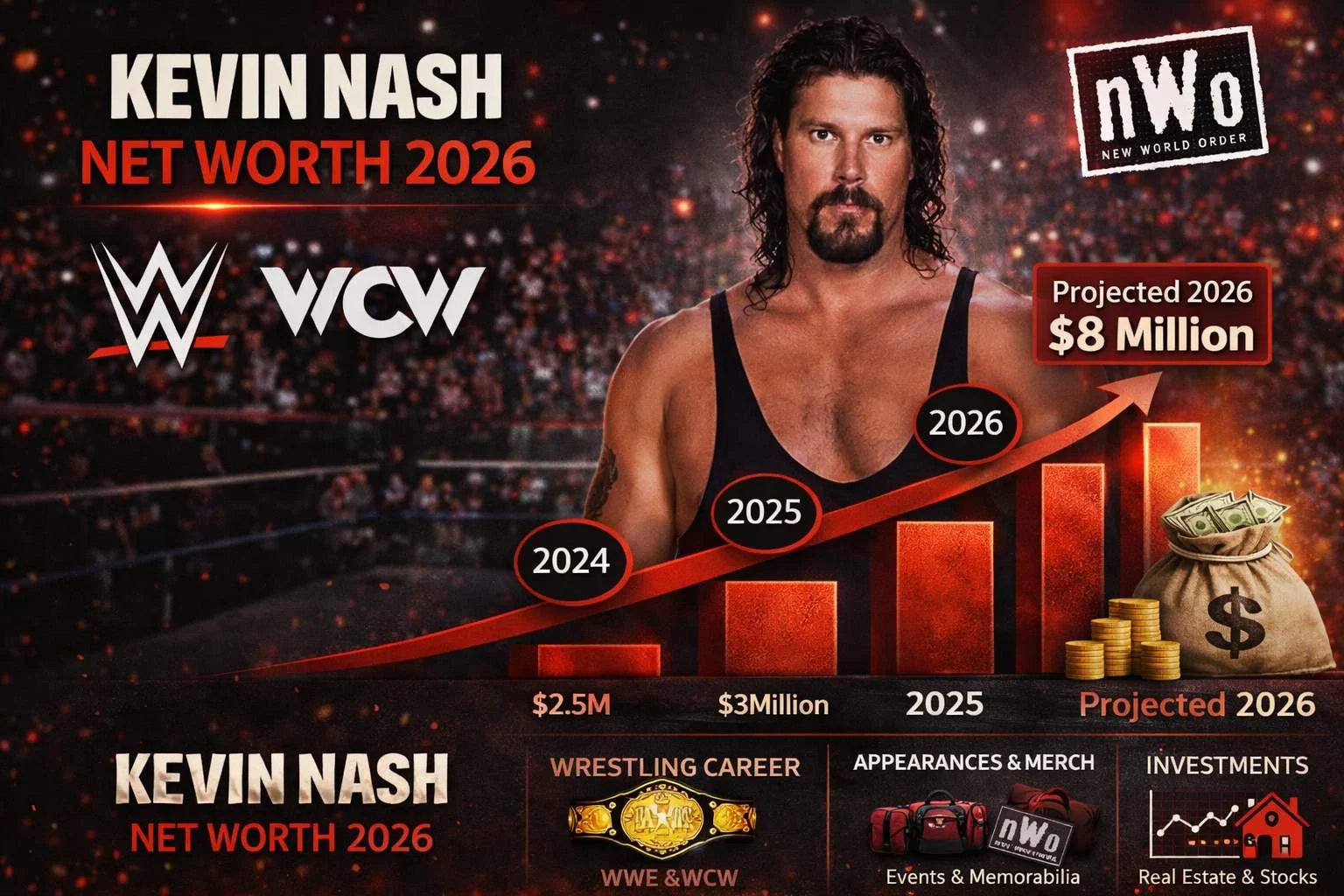
Understanding Kevin Klock and the Financial Landscape of Sports Analytics
There is no publicly verified net worth information for Kevin Klock in the context of professional sports analytics. While individuals with this name appear in various professional and academic registers, none are linked to high-profil...
There is no publicly verified net worth information for Kevin Klock in the context of professional sports analytics. While individuals with this name appear in various professional and academic registers, none are linked to high-profile financial valuations within the sports analytics industry. Information regarding his professional background does not align with the criteria of public figures typically tracked for net worth reporting.
Contents
The Intersection of Sports Analytics and Wealth
The search for an individual's net worth within the sports analytics niche often stems from a misunderstanding of how wealth is generated in this sector. Sports analytics is a specialized field that combines data science, statistical modeling, and athletic performance evaluation. While it has become a multibillion-dollar industry, the financial rewards are concentrated in specific, high-level roles or through the sale of proprietary software and intellectual property.
In the current professional landscape of 2026, the individuals whose net worth is subject to public speculation in this field typically fall into three categories:
- Founders of Sports Tech "Unicorns": Entrepreneurs who develop tracking software or betting platforms and eventually lead them to acquisition or IPO.
- High-Level Front Office Executives: General managers or directors of research and development for professional teams in leagues like the NBA, NFL, or European football leagues, whose compensation packages are reported through sports business journalism.
- Pioneering Data Scientists: Academic researchers who have commercialized their algorithms through venture-backed startups.
Kevin Klock does not hold a documented status within these specific echelons. When conducting research into individuals within niche industries, it is essential to distinguish between a professional profile and a public figure whose financial information is audited or reported by financial publications.
Evaluating Professional Visibility in Analytics
To understand why a name might appear in association with a high-value niche like sports analytics, it is helpful to look at how professional reputations are built in the field. Professionals typically establish their visibility through academic publications, public speaking at conferences like the MIT Sloan Sports Analytics Conference, or tenure at major technology firms.
If you are researching Kevin Klock, you may be encountering him in one of the following contexts, none of which generally equate to public financial data:
- Academic Research: Contributions to journals or repositories regarding statistical methodologies.
- Corporate Software Development: Employment at organizations that provide technical infrastructure for sports teams.
- Community Engagement: Participation in open-source sports data projects or community-driven analytical platforms.
In these roles, an individual might be highly respected among peers, yet their net worth remains a private matter. Financial reporting on net worth is reserved for individuals whose private assets are either public record (such as corporate officers) or for those who have achieved significant, public-facing celebrity status.
The Reality of Compensation in Sports Analytics
For those interested in the financial potential of the sports analytics industry, it is useful to understand that the career path is characterized more by professional advancement than by instant, large-scale wealth creation. Salaries in this sector are competitive but align with standard software engineering and data science market rates.
The following table summarizes the typical financial structures found in the sports analytics space as of 2026.
| Role | Primary Compensation Source | Wealth Potential |
|---|---|---|
| Data Scientist | Base Salary + Benefits | Stable, upper-middle-class |
| R&D Director | Salary + Performance Bonuses | High, executive-level |
| Startup Founder | Equity + Capital Events | Extremely high (if successful) |
| Freelance Consultant | Project Fees | Variable, market-dependent |
The professional trajectory for those entering this field involves building a portfolio of work, often starting in lower-level analytics roles or internships, and moving toward leadership positions. Wealth in this field is almost exclusively a byproduct of long-term value creation, ownership of patents, or successful exits from startups.
Verification and Due Diligence
When investigating the financial status of any professional, it is critical to rely on primary sources. Public net worth calculators often scrape data from open-source repositories and business registries. These sites frequently conflate individuals who share the same name or provide speculative, non-verified numbers.
If you are looking to confirm professional details about a specific individual, focus on these verified sources:
- LinkedIn Profiles: To confirm the professional history and organization of a subject.
- Company SEC Filings: If the individual holds a senior position at a public company, their compensation may be listed in proxy statements.
- Academic Databases: Platforms like Google Scholar or ORCID provide insight into the research impact of individuals in the analytics space.
- Professional Conference Registries: Official lists of speakers and presenters provide the most accurate record of an individual's participation in the sports analytics ecosystem.
If an individual does not appear in these primary sources in a leadership or ownership capacity, it is statistically probable that their financial status is not public or that the association with "net worth" is based on anecdotal misinformation rather than factual record.
Frequently Asked Questions
Is sports analytics a high-net-worth industry? Sports analytics is a high-growth sector with significant corporate investment. While the industry generates massive value for professional sports teams and betting companies, individual wealth for practitioners is generally based on standard executive or technical compensation structures.
Why are there so many speculative "net worth" articles online? Many websites use automated algorithms to generate pages for names that appear in search results, often associating them with "net worth" to attract traffic. These figures are almost always invented and should not be considered accurate.
How can I determine an executive's salary in sports? If a person is a high-ranking executive at a publicly traded company that owns a sports team, some of their compensation may be visible in public regulatory filings. However, most team-level staff salaries are private and protected by contract.
What is the best way to track professional achievements in this field? Follow professional organizations, peer-reviewed journals, and major sports tech conferences. These venues track the contributions that actually drive the industry forward and define the reputations of the most successful individuals in the field.
Recommendation
If your goal is to research career paths, compensation benchmarks, or business opportunities in sports analytics, shift your focus away from individual net worth estimates. Instead, prioritize analyzing the business models of sports technology companies and the skill sets required to reach leadership positions in team R&D departments. By focusing on verifiable professional data and industry-wide financial trends, you can obtain much more accurate and actionable insights for your professional or investment goals.
Image Gallery