Understanding the Episode Count and Structure of Organized Crime
The docuseries Organized Crime, typically referring to the high-profile production by the Public Broadcasting Service (PBS) and other investigative journalistic entities, comprises a total of eight episodes. These episodes are organize...
The docuseries Organized Crime, typically referring to the high-profile production by the Public Broadcasting Service (PBS) and other investigative journalistic entities, comprises a total of eight episodes. These episodes are organized into a miniseries format that explores the historical roots, operational hierarchies, and international impact of global criminal syndicates across different decades and geographic regions.
Contents
Defining the Scope of the Production
When viewers inquire about "how many organized crime episodes" exist, they are often referencing the definitive investigative series that chronicles the rise of the Italian-American Mafia, the infiltration of labor unions, and the subsequent federal crackdown that redefined modern law enforcement. Unlike episodic procedural dramas—which may run for hundreds of episodes—the documentary Organized Crime is structured as a finite, eight-part limited series.
The production serves as a comprehensive educational resource for those studying the intersection of illicit enterprise and societal structure. By limiting the scope to eight episodes, the filmmakers provide a cohesive narrative that avoids the repetition often found in long-running television programs, instead focusing on archival footage, expert testimony from former prosecutors, and documentation from official federal records.
Breakdown of the Eight-Episode Structure
The series follows a chronological and thematic progression designed to provide a complete understanding of how organized crime functions as an industry. Below is the breakdown of how these episodes are typically categorized to maximize viewer comprehension of the complex subject matter.
Historical Evolution and Foundational Development
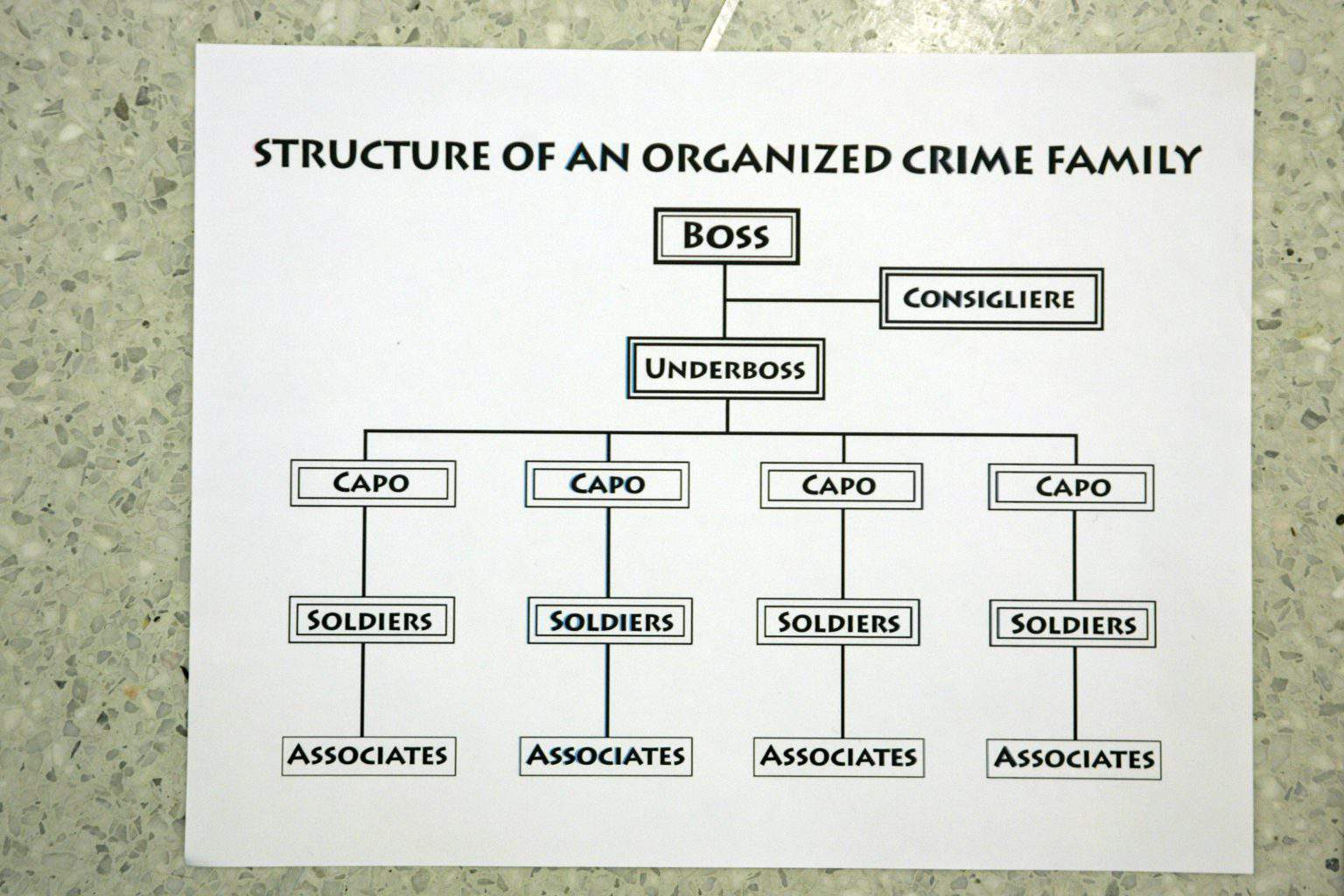
The first portion of the series focuses on the late 19th and early 20th centuries. It traces the migration patterns that allowed criminal organizations to establish footholds in North American urban centers. Viewers are introduced to the core concepts of "La Cosa Nostra," including the hierarchy of the commission, the role of the boss, underboss, and consiglieri, and the initiation rites that cemented loyalty within these closed systems.
Infiltration of Legal and Economic Systems
Mid-series episodes shift focus toward the expansion of criminal influence into legal sectors. This involves detailed analysis of labor unions, construction industries, and the gambling rackets that characterized mid-century operations. This section is essential for understanding how organized crime shifted from localized street activity to sophisticated economic exploitation.
The Federal Response and Legal Challenges
The final episodes detail the shift in law enforcement tactics, specifically the implementation of the Racketeer Influenced and Corrupt Organizations (RICO) Act. The series illustrates how legislative changes allowed federal authorities to prosecute entire criminal organizations rather than just individual members, which ultimately contributed to the decline of the traditional mob structure.
Analytical Comparison of Documentary Formats
To assist viewers in identifying the correct material, the following table compares common documentary structures used to cover organized crime topics.
| Format Type | Typical Episode Count | Focus Area |
|---|---|---|
| Miniseries (PBS/Standard) | 8 Episodes | Historical systemic analysis |
| Procedural Drama | 100+ Episodes | Fictionalized character arcs |
| True Crime Anthology | 3–6 Episodes | Case-specific investigation |
| Feature Documentary | 1 Episode | Specific historical event |
Prerequisites for Analyzing Organized Crime Media
For those attempting to verify information or conduct independent research using this series as a baseline, it is important to understand the source material. Academic and investigative researchers often treat this specific eight-episode series as a primary visual document due to the quality of the primary source interviews included.
Before utilizing these episodes for educational purposes, ensure you have access to a platform that hosts the complete, unedited cut. Because these episodes are historical in nature, they are frequently re-released in collections. It is essential to verify that you are watching the full eight-part series rather than truncated "best of" compilations, which often omit the legal analysis found in the later episodes.
Impact of Legal and Historical Documentation
The relevance of this series remains high in 2026 because the legal strategies discussed—such as the application of RICO statutes—remain the gold standard for current investigations into contemporary organized crime, including cyber-extortion and transnational trafficking. By watching all eight episodes, the audience gains an understanding of the long-term struggle between institutional legal frameworks and the adaptive nature of criminal syndicates.
The series does not shy away from the complexities of why organized crime persists. It highlights that the survival of these groups often depends on their ability to provide services or products that the legal economy either neglects or over-regulates. This economic perspective is vital for a thorough understanding of the phenomenon.
Common Misconceptions Regarding Series Length
A frequent point of confusion arises when viewers conflate this investigative series with fictional television dramas that share similar naming conventions. While fictional series may contain many episodes, the documentary series is strictly delimited to eight. Users searching for additional episodes often discover that they have reached the end of the factual timeline presented by the researchers.
If you find yourself seeking more information after the final episode, the best approach is to consult the bibliography or suggested reading lists provided at the end of the series. These documents point to the specific trial transcripts and Department of Justice reports that formed the basis for the production, providing a path forward for further study.
Frequently Asked Questions
Is the eight-episode count consistent across all regions?
Yes, the canonical version of this investigative series is produced as a uniform eight-episode narrative. Regional distribution may occasionally package episodes differently, but the total runtime and content remain consistent with the original production intent.
Does the series cover modern organized crime entities?
The series primarily focuses on the mid-20th-century rise and fall of the traditional Italian-American Mafia. While it provides context for how these groups operated, it is not an exhaustive guide to modern cyber-crime syndicates or other contemporary criminal enterprises.
Can these episodes be used for academic citations?
Yes, provided you cite the episode, the production company, and the release date accurately. Ensure you consult the formal transcript of the program to verify direct quotes from law enforcement officials or historians featured in the interviews.
Where can I find the official records mentioned in the episodes?
Most documents referenced—such as Senate committee hearing transcripts—are available through the National Archives or the official public record archives of the Department of Justice. These sources provide the raw data used by the documentary team to construct their narrative.
Why are some episodes longer than others?
Episode duration in professional documentary series is often determined by the density of the archival evidence and the complexity of the legal cases being discussed. The variance in length reflects the time required to adequately explain the specific historical impact of each era covered.
Recommendation for Further Exploration
If you have completed the eight episodes and are looking for further context, prioritize reading the trial summaries of the "Commission Case" (United States v. Salerno). This legal event effectively marks the conclusion of the era documented in the final episodes of the series and serves as a definitive case study in how federal law eventually dismantled these long-standing organizations. Access these via the official United States Courts digital archives to ensure you are referencing verified legal records.
Image Gallery