How to Pick the Right Auto Insurance in Sunset Acres
Selecting the right auto insurance in Sunset Acres requires balancing mandatory state minimum coverage with personalized protection that accounts for local driving conditions, vehicle value, and your personal financial risk tolerance....
Selecting the right auto insurance in Sunset Acres requires balancing mandatory state minimum coverage with personalized protection that accounts for local driving conditions, vehicle value, and your personal financial risk tolerance. By assessing your specific coverage needs, comparing quotes from licensed providers, and understanding local underwriting factors, you can secure a policy that provides both legal compliance and peace of mind.
Contents
Understanding the Regulatory Landscape
Before evaluating insurance carriers, it is essential to understand the regulatory environment governing auto insurance in your jurisdiction. While "Sunset Acres" may be a specific neighborhood or community, it is governed by the broader state insurance laws that dictate mandatory minimum liability coverage.
In most states, these requirements include Bodily Injury Liability (BIL) and Property Damage Liability (PDL). However, minimum limits are rarely sufficient for modern vehicle repairs or medical expenses. When you select a policy, you are not just fulfilling a legal obligation; you are purchasing a financial safety net. If you are financing or leasing your vehicle, your lender will likely require Comprehensive and Collision coverage, which protects your asset regardless of fault. Understanding these baseline requirements is your first step toward building a robust coverage plan.
Evaluating Your Personal Coverage Needs
The "right" insurance is highly subjective. A driver with a newer vehicle who commutes through high-traffic urban areas faces different risks than a resident with an older vehicle who primarily drives for local errands. To determine your needs, consider the following variables:
- Vehicle Replacement Value: If your car were totaled, could you afford to replace it out of pocket? If not, full coverage (Comprehensive and Collision) is necessary.
- Personal Assets: Liability limits should ideally correspond to your net worth. If you own a home or have significant savings, higher liability limits protect these assets from legal judgments.
- Driving Habits: Consider your annual mileage, the typical time of day you drive, and whether your vehicle is stored in a secure garage or on the street.
- Risk Appetite: Would you prefer a higher premium to avoid a large out-of-pocket expense during a claim, or would you prefer a higher deductible to keep your monthly cash flow stable?
Comparing Carriers and Policy Features
When shopping for coverage in 2026, you will find that insurers use proprietary algorithms to price risk. Because no two companies weigh factors like credit history, driving record, or vehicle safety features the same way, obtaining multiple quotes is mandatory.
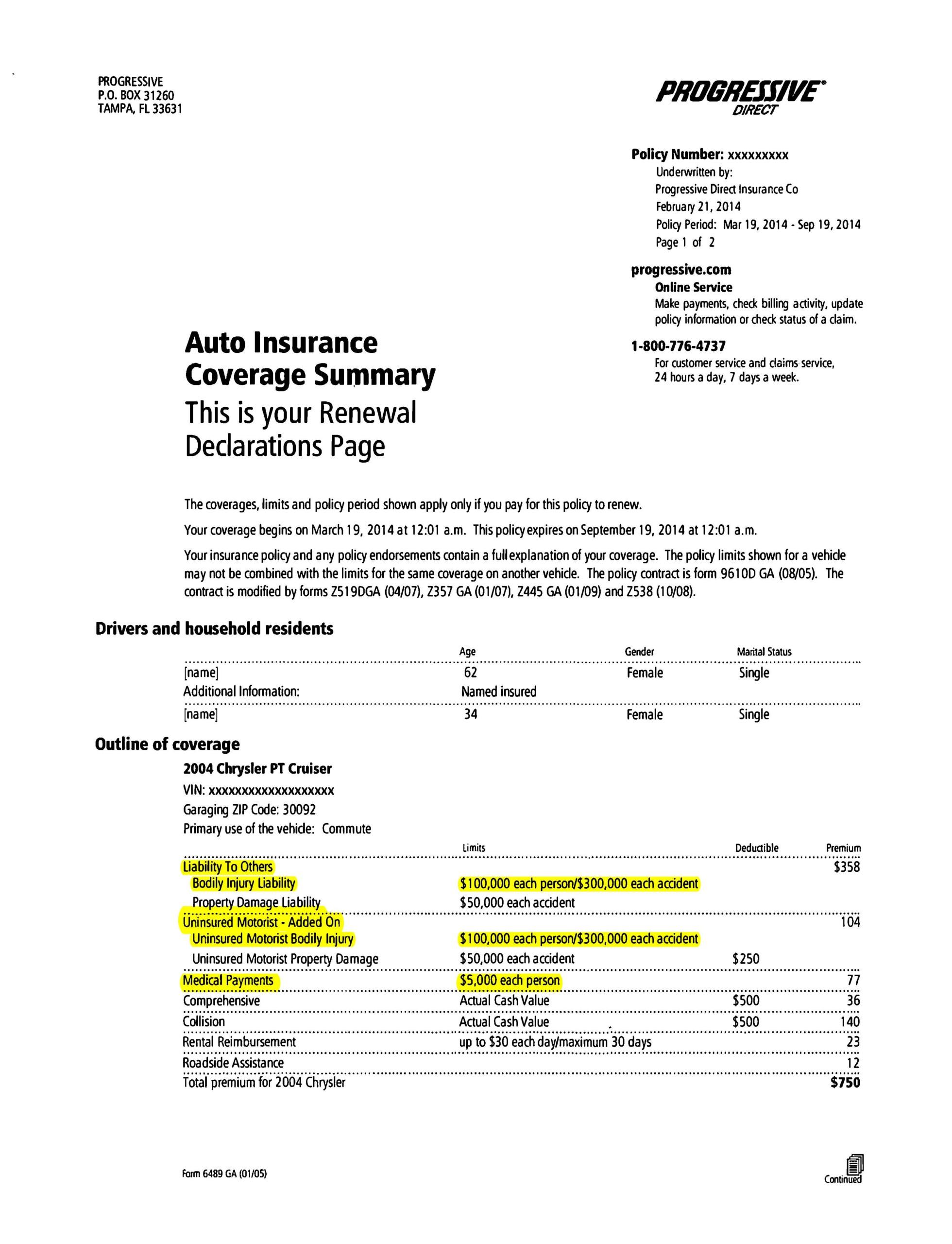
When comparing quotes, do not look at the premium alone. Look at the "Declarations Page" of each offer to ensure you are comparing "apples to apples." Ensure that each quote lists the same liability limits, deductibles, and endorsements. Some carriers may offer "accident forgiveness" or "gap insurance"—a policy feature that pays the difference between your car’s value and your loan balance if the car is totaled—which can be a vital inclusion for some drivers.
Table: Key Considerations for Auto Insurance Coverage
| Coverage Type | What It Covers | Recommended For |
|---|---|---|
| Liability (BI/PD) | Damages/injuries you cause to others | Everyone (Mandatory) |
| Collision | Damage to your car from accidents | Financed/Leased/Newer cars |
| Comprehensive | Theft, fire, weather, vandalism | High-value or parked vehicles |
| Uninsured Motorist | Accidents caused by underinsured drivers | Areas with high uninsured rates |
| Gap Insurance | Difference between loan and car value | New cars/High-interest loans |
The Role of Deductibles and Discounts
Your deductible—the amount you pay out-of-pocket before insurance kicks in—is one of the most effective levers for controlling your premium. Choosing a $1,000 deductible instead of $500 will almost always lower your monthly rate. However, ensure that you keep that $1,000 in a savings account designated for emergency use so that a sudden accident does not become a financial crisis.
Furthermore, always inquire about available discounts. In 2026, many carriers offer reductions for:
- Telematics Programs: Using a mobile app or plugin device to monitor your driving behavior (speed, braking, time of day).
- Multi-Policy Bundles: Pairing your auto insurance with home or renters insurance.
- Safety Features: Advanced driver-assistance systems (ADAS) or anti-theft devices.
- Payment Method: Paying the full annual premium upfront rather than in monthly installments.
Verifying Financial Stability and Claim Service
An insurance policy is only as good as the company’s ability to pay your claim when you need it. Before finalizing your decision, verify the financial strength of the carriers you are considering. Organizations such as A.M. Best provide financial strength ratings that reflect an insurer's ability to meet its ongoing insurance obligations.
Additionally, investigate the claims process. In the age of digital insurance, look for providers that offer intuitive mobile apps, 24/7 claims reporting, and a network of preferred repair shops in your region. Reading objective third-party customer satisfaction reports can provide insights into how a company handles claims during high-stress situations.
Common Mistakes to Avoid
Many consumers fall into common traps that leave them either overpaying or underinsured:
- Focusing Only on Monthly Premiums: A cheap premium with poor service or low coverage limits can cost significantly more in the long run.
- Ignoring Policy Exclusions: Understand what is not covered. For example, standard auto insurance policies rarely cover business use, ride-sharing activities, or off-road usage. If you use your vehicle for these purposes, you must purchase a specific endorsement or commercial policy.
- Allowing Coverage Gaps: Even a one-day lapse in coverage can lead to higher rates in the future, as insurers view drivers with continuous insurance history as lower risk.
- Failing to Update Policy Details: Changes in your life—such as moving, a new driver in the household, or changing your commute—should be communicated to your insurer.
Frequently Asked Questions
1. Does my neighborhood affect my auto insurance rates? Yes. Insurers analyze localized data, including theft rates, accident frequency, and traffic density in specific areas. While your individual record is the primary factor, your garaging address (where your car is parked) significantly influences your risk profile and premium.
2. How often should I re-evaluate my auto insurance policy? It is advisable to review your coverage annually or whenever a major life event occurs, such as marriage, moving, purchasing a new car, or adding a teen driver to your policy. This ensures your coverage remains aligned with your current assets and vehicle value.
3. What is the difference between Actual Cash Value (ACV) and Replacement Cost? ACV accounts for the depreciation of your vehicle; it is what your car is worth on the open market today. Replacement cost insurance is a specialized coverage that may pay to replace your vehicle with a brand-new model, though this is usually only available for newer vehicles.
4. Can I change my insurance company mid-term? Yes, you can cancel your current policy at any time. However, check your current contract for any "short-rate" cancellation fees. Always ensure your new policy is active and effective before cancelling your existing one to avoid a lapse in coverage.
5. How do 2026 telematics programs affect my privacy? Telematics programs track driving habits. While they can lead to significant discounts for safe drivers, they record data such as location, speed, and braking patterns. Review the privacy policy of any program before enrolling to understand what data is collected and how it is shared.
Next Actions
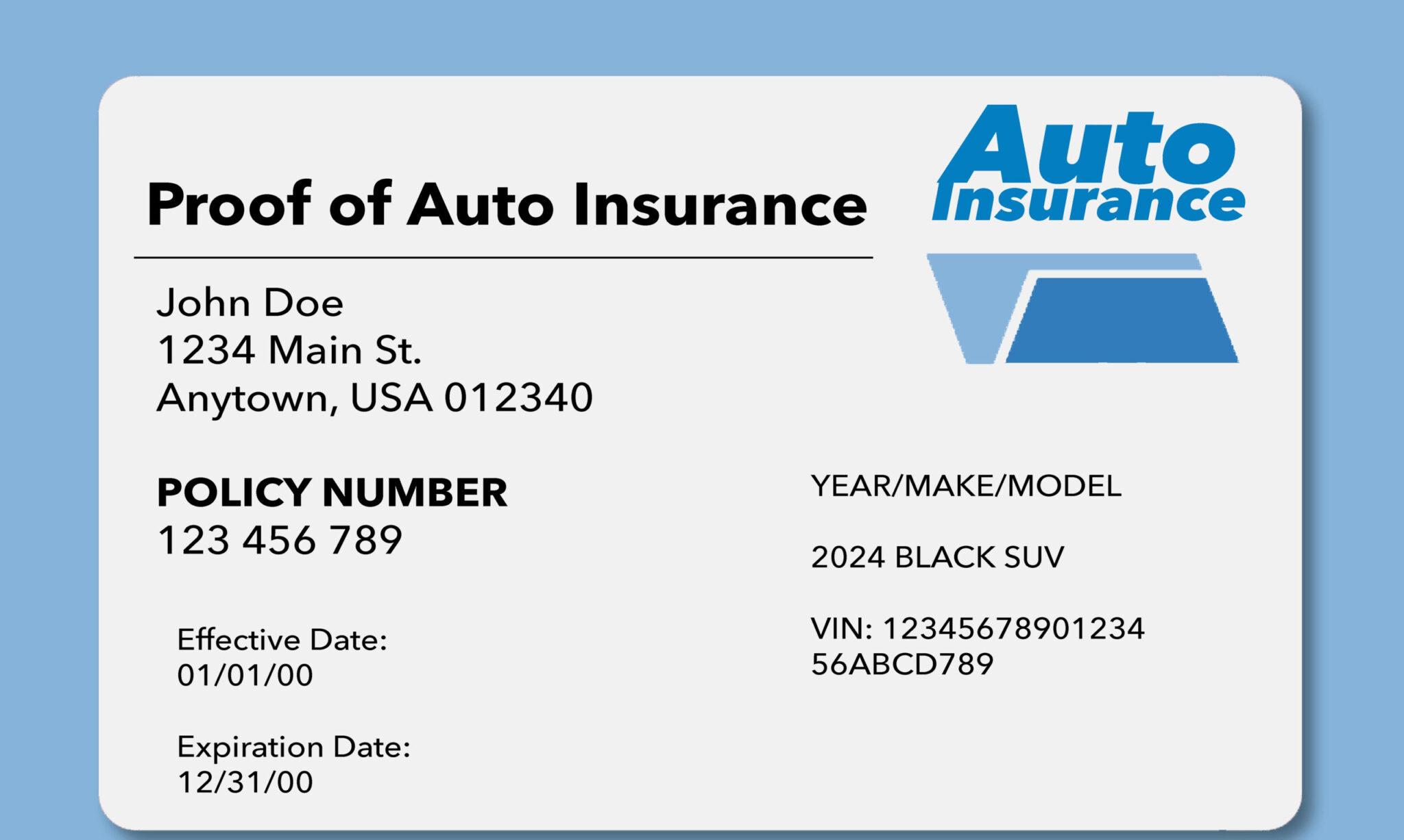
To finalize your search for the right auto insurance in Sunset Acres, gather your current policy information and your vehicle identification number (VIN). Request quotes from at least three different reputable insurers. Compare the coverage limits and deductibles carefully against your personal financial situation. If you are unsure about specific limits, err on the side of higher liability coverage; the cost difference is often minimal compared to the protection gained. Once you have selected a carrier, ensure your old policy is formally cancelled only after the new one is confirmed as active.
Image Gallery