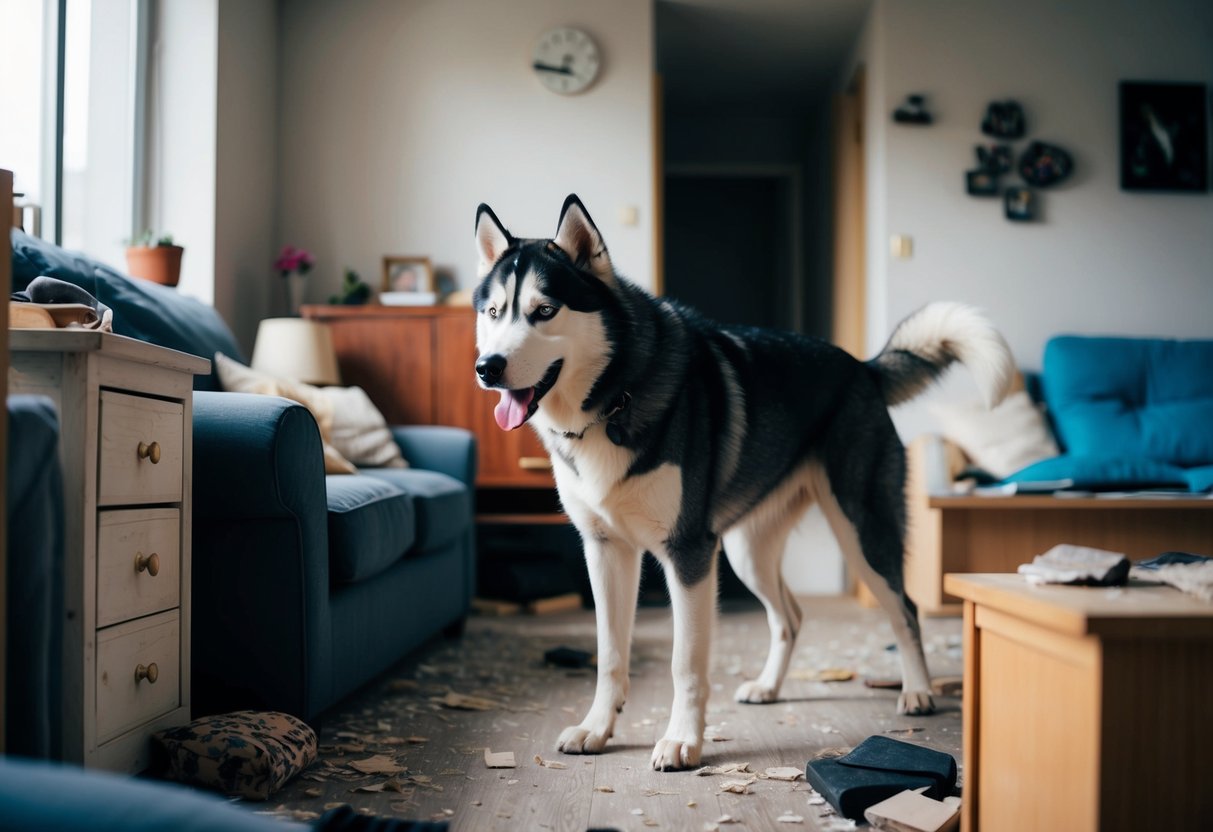
Is a Blind Husky a Good Pet for Apartment Living?
A blind husky can be an excellent pet for apartment living, provided the owner maintains a consistent routine and a clutter-free environment. While huskies are high-energy dogs, blindness often makes them more reliant on a stable, pred...
A blind husky can be an excellent pet for apartment living, provided the owner maintains a consistent routine and a clutter-free environment. While huskies are high-energy dogs, blindness often makes them more reliant on a stable, predictable home base. Success depends on rigorous mental stimulation and scent-mapping your living space to ensure safety and confidence.
Contents
Understanding the Dynamic: The Blind Husky Temperament
The Siberian Husky is a breed defined by its endurance, intelligence, and social nature. When a husky is blind—whether from birth or due to conditions like progressive retinal atrophy or glaucoma—these core traits do not vanish; they simply manifest differently. In an apartment setting, the "working dog" instinct of a husky can actually be easier to manage when the dog is blind, as the animal is less likely to be distracted by visual stimuli outside a window, such as squirrels or passing cars, which often trigger the breed's famous "alert howling."
However, the lack of sight does not reduce their need for physical activity. A blind husky still possesses the biological drive to move and explore. In an apartment, this requires a specialized approach to environmental enrichment. Unlike a sighted husky that might pace or become destructive if bored, a blind husky may become withdrawn or anxious if its other senses are not engaged. Owners must pivot from visual play (like fetch) to olfactory and auditory engagement.
The Apartment Advantage: Predictability and Proximity
Many people assume that a large, high-energy breed like a husky needs a sprawling backyard. However, for a blind dog, a massive, changing outdoor space can be disorienting and even dangerous. An apartment offers a controlled, static environment that is much easier for a blind dog to "map."
Environmental Mapping and Consistency
Mapping is the process by which a blind dog creates a mental layout of its surroundings using its whiskers, paws, and nose. In an apartment, the floor plan is usually simple. Once a blind husky learns where the sofa ends and the hallway begins, they can navigate with surprising speed and confidence.
The key to success in a 2026 urban apartment is consistency. If you move a coffee table or leave a delivery box in the middle of the floor, you create a physical hazard that can shatter the dog's confidence. In an apartment, where space is at a premium, maintaining a "clear runway" for the dog is essential. Use different floor textures—such as a rug in the living room and hardwood in the kitchen—to provide tactile "landmarks" that tell the dog exactly where they are in the home.
Reduced Visual Overstimulation
Huskies are notorious for their high prey drive. In a high-rise or street-level apartment, a sighted husky might spend hours stressed by the sight of birds or pedestrians. A blind husky is shielded from this specific type of anxiety. While they will still hear the noises of the city, they are less likely to experience the "frustrated greeting" or "barrier frustration" that comes from seeing something they cannot reach through a window.
Safety Protocols for Blind Dogs in Multi-Unit Buildings
Living in an apartment building presents unique safety challenges for a blind husky, particularly regarding common areas like elevators, stairwells, and balconies.
- Balcony Security: This is the most critical safety concern. A blind husky may not realize where the floor ends. If your apartment has a balcony, it must be "blind-proofed" with solid barriers or mesh that prevents the dog from sticking its head through railings. Ideally, access to the balcony should be restricted unless the dog is on a leash.
- Elevator Etiquette: Elevators can be frightening for blind dogs due to the sudden movement and changing smells. Use a "touch" command to let your dog know when the doors are opening. Keeping the dog on a short lead in the hallway prevents them from bumping into neighbors or other pets coming around corners.
- Threshold Training: Teach your husky to "pause" at every door. This prevents them from bolting into a busy hallway or towards a staircase they cannot see.
Exercise and Stimulation in Small Spaces
A common misconception is that a blind dog cannot exercise vigorously. While you won't be playing frisbee in the park, a blind husky still requires significant cardiovascular output to remain a "good" apartment tenant. An under-exercised husky—blind or not—will howl, and in an apartment, this leads to noise complaints.
Scent Work: The Ultimate Energy Burner
For a blind husky, 15 minutes of intensive sniffing is equivalent to an hour of walking. Use "nose work" games inside the apartment. Hide high-value treats around the living room and let the dog hunt them down. This engages their brain and satisfies their working-dog heritage without requiring a backyard.
Controlled Outdoor Exercise
Walking a blind husky requires a "handover" of trust. Use a specialized harness that indicates the dog is blind to alert passersby. Owners should use verbal cues like "step up," "step down," and "careful" to guide the dog through the urban landscape. Frequent, predictable routes are better than constantly changing paths, as the dog will learn the "scent markers" of the neighborhood, making the walk a confident, enjoyable experience rather than a stressful one.
Managing the "Husky Talk" and Anxiety
Huskies are among the most vocal dog breeds. In an apartment, managing this is vital. A blind husky may vocalize more if they feel disoriented or if they hear a sound they cannot identify.
- Sound Conditioning: Use white noise machines or calm music to mask the sounds of neighbors in the hallway. This prevents the "startle response" that leads to howling.
- Separation Anxiety: Blind dogs are often more prone to "velcro dog" syndrome. To prevent separation anxiety in an apartment, establish a "safe zone" (like a crate or a specific bed) where the dog feels totally secure. Use pheromone diffusers or calming scents like lavender in this area.
- Tactile Reassurance: Since they cannot see you enter the room, get into the habit of speaking softly as you move or wearing a small bell on your shoe so the dog always knows your location. This prevents them from being startled and reacting with a bark.
Comparison of Requirements: Sighted vs. Blind Husky
The following table outlines the key differences in managing a husky in an apartment based on their visual status.
| Feature | Sighted Husky in Apartment | Blind Husky in Apartment |
|---|---|---|
| Primary Safety Risk | Escaping through open doors/windows | Bumping into furniture/falling from balconies |
| Exercise Needs | High; needs visual stimulation/running | High; needs olfactory (scent) stimulation |
| Furniture Layout | Can be changed frequently | Must remain static and predictable |
| Training Focus | Recall and impulse control | Verbal cues and spatial confidence |
| Noise Level | High (vocalizing at visual triggers) | Moderate (vocalizing at auditory triggers) |
| Floor Coverings | Mostly aesthetic | Functional (used as tactile landmarks) |
| Walking Style | Active scanning/pulling | Slow, guided, scent-focused |
Essential Gear for the Apartment-Dwelling Blind Husky
To make apartment life successful in 2026, several modern aids can assist your blind pet:
- Bumper Collars (Halos): These lightweight wire loops attach to a harness and act as "white canes" for dogs. If the halo touches a wall or chair leg, the dog feels the vibration and knows to turn before bumping their head.
- Scent Markers: Use specific, pet-safe essential oils (like a drop of vanilla on the doorframe of the "treat room") to help the dog distinguish between different rooms.
- Textured Runners: Placing long rug runners in hallways creates a "track" the dog can feel with their paws, allowing them to navigate the apartment at a trot without fear.
- Smart Water Bowls: For blind dogs, finding the water bowl can sometimes lead to spills. Use a heavy-duty, non-tip fountain. The sound of running water helps the dog locate their hydration station through hearing.
Frequently Asked Questions
Is it cruel to keep a blind husky in an apartment?
No, it is not cruel. In fact, many blind dogs thrive in smaller, predictable environments. As long as their exercise and mental stimulation needs are met through scent work and guided walks, a blind husky can lead a very high-quality life in an apartment. The key is the owner's commitment to routine.
How do I stop my blind husky from howling in an apartment?
Howling is usually a sign of boredom, anxiety, or a response to strange noises. To mitigate this, ensure the dog is physically tired through scent-based games. Use sound-masking tools to drown out hallway noises, and provide "puzzle toys" (like frozen Kongs) that keep the dog occupied and quiet during the day.
Can a blind husky be left alone during the work day?
Yes, but it requires preparation. A blind husky should be left in a "dog-proofed" room or a large pen where there are no sharp corners or obstacles. Ensure they have access to water and comfort items. Because they cannot see the passage of time via light changes as easily, maintaining a strict "departure and return" melody or scent can help them understand the routine.
Do blind huskies get depressed in small spaces?
Depression in dogs usually stems from a lack of engagement, not square footage. A blind husky who is ignored in a mansion will be more depressed than a blind husky who is actively engaged with "find it" games in a 600-square-foot studio. Focus on quality interaction and sensory enrichment.
How do I introduce a blind husky to a new apartment?
Start with one room. Let the dog sniff every corner and learn the layout. Once they are confident, open up the next room. Use "scent trails" (tiny dabs of a specific scent) to lead them to their bed and food bowls. Keep all walkways clear of clutter from day one.
Professional Advice Limitation
This article provides general guidance on canine care and behavioral management. Every dog is an individual; if your blind husky exhibits signs of extreme distress, aggression, or sudden behavioral changes, consult with a certified veterinary behaviorist or a specialized trainer experienced with sensory-impaired animals.
Final Recommendation for Prospective Owners
If you are considering adopting a blind husky while living in an apartment, the answer is a qualified yes. You must be a person who values order and routine. If you are someone who leaves shoes in the middle of the floor or likes to rearrange furniture every month, a blind dog will struggle. However, if you can provide a stable environment and are willing to engage in "scent-first" parenting, you will find that a blind husky is a deeply loyal, surprisingly adaptable, and quiet companion that fits perfectly into the rhythm of urban life.
Image Gallery