Toyota Highlander Length: Overall Dimensions, Generation Breakdown, and Garage Fit Guide
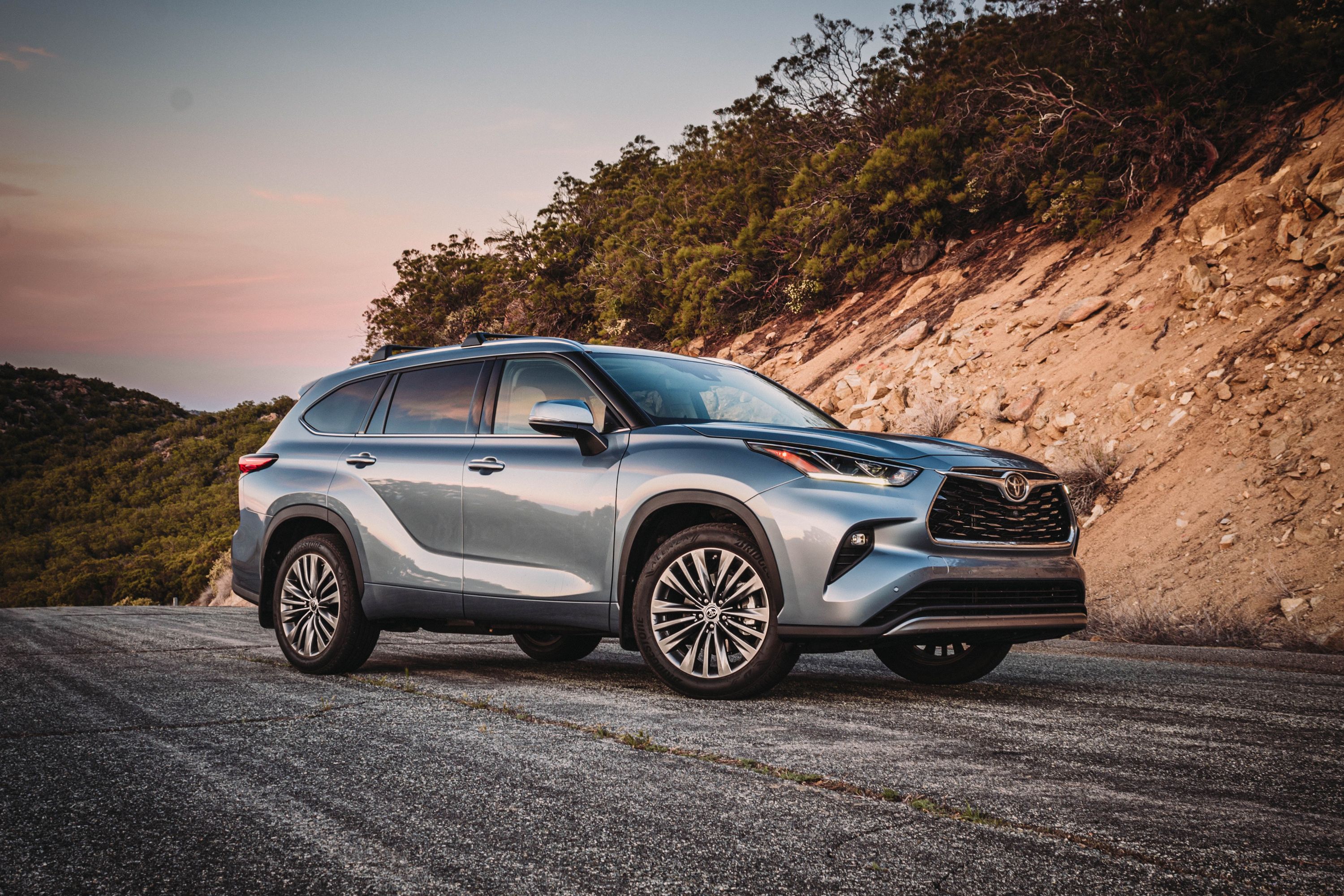
The standard fourth-generation Toyota Highlander measures 194.9 inches (4,950 mm) in exterior length, with the sport-tuned XSE trim measuring slightly longer at 195.3 inches (4,960 mm) due to modified bumper styling. For buyers seeking...
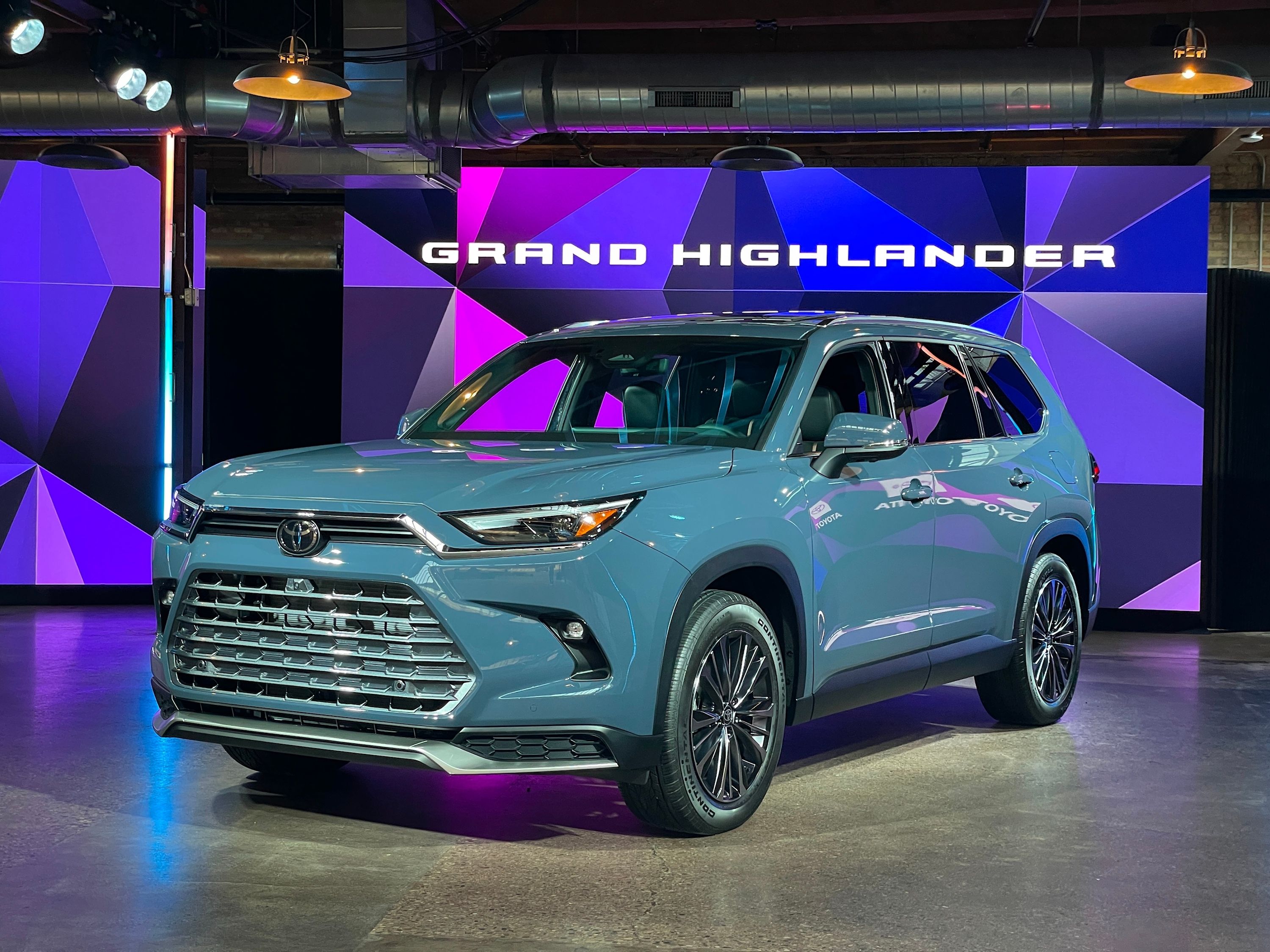
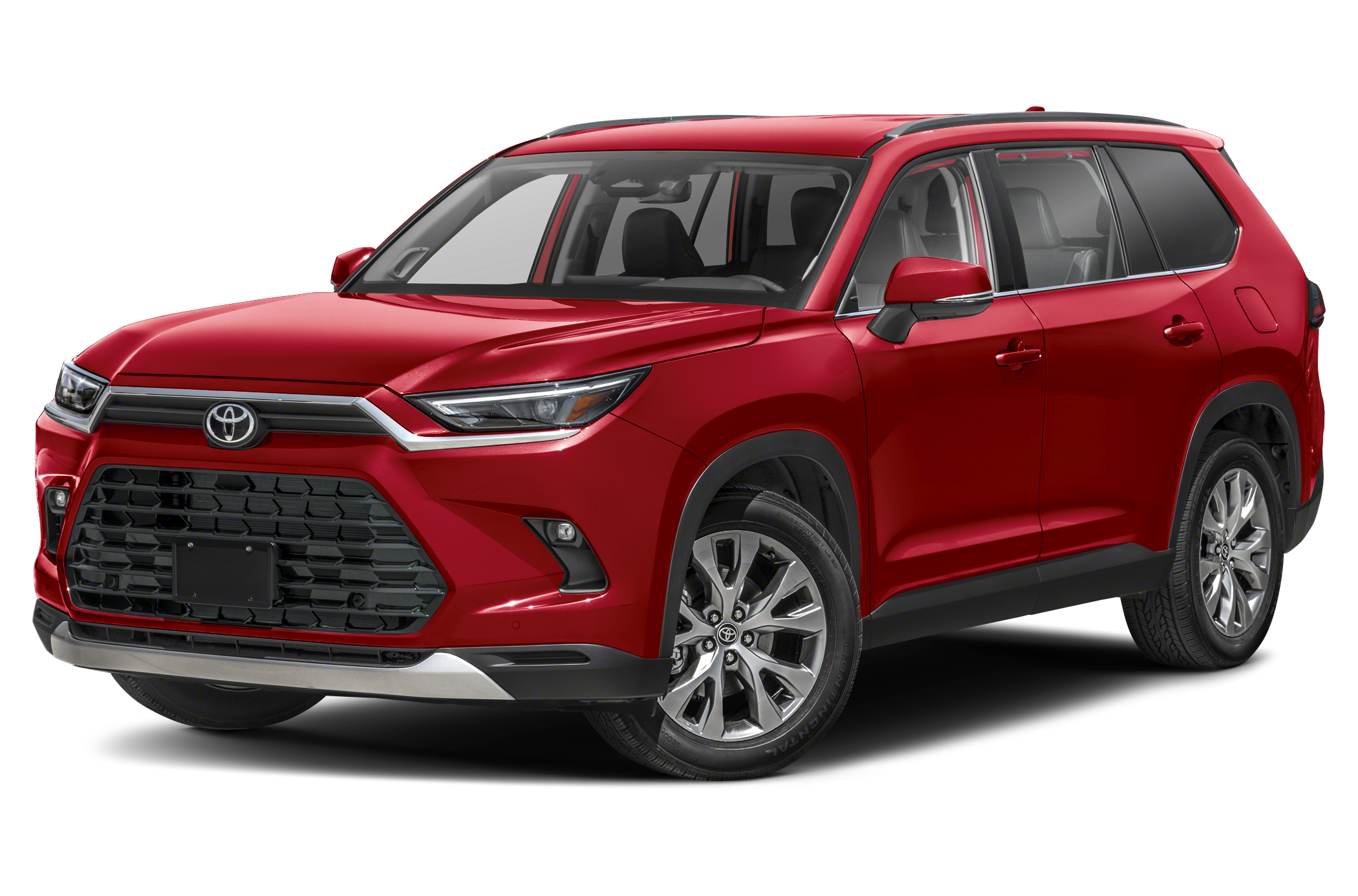
The standard fourth-generation Toyota Highlander measures 194.9 inches (4,950 mm) in exterior length, with the sport-tuned XSE trim measuring slightly longer at 195.3 inches (4,960 mm) due to modified bumper styling. For buyers seeking additional space, the larger Toyota Grand Highlander expands the overall length to 201.4 inches (5,116 mm).
Contents
Understanding the precise length of a Toyota Highlander is crucial for determining garage fit, maneuvering tight parking spaces, and choosing between standard midsize and extended three-row crossovers. Over four generations spanning more than two decades, the Highlander has grown significantly from a compact crossover into a fully realized family SUV.
This guide breaks down exact exterior measurements across all model generations, compares the standard Highlander against the Grand Highlander and main competitors, and provides concrete guidelines for fitting the vehicle into residential garages.
Current Toyota Highlander Length and Exterior Dimensions
The modern Toyota Highlander strikes a balance between interior three-row seating and exterior maneuverability. Built on Toyota’s TNGA-K platform, its physical footprint allows it to navigate suburban streets and standard parking spaces more easily than full-size body-on-frame SUVs like the Toyota Sequoia or Chevrolet Tahoe.
While the overall vehicle length sits at 194.9 inches for most trim levels (such as the LE, XLE, Limited, and Platinum), variations in body trim, front fascia bumpers, and roof accessories slightly alter the total dimensions.
| Dimension Metric | 2020–2026 Toyota Highlander (Standard) | 2020–2026 Toyota Highlander (XSE Trim) | 2024–2026 Toyota Grand Highlander |
|---|---|---|---|
| Overall Length | 194.9 in (4,950 mm) | 195.3 in (4,960 mm) | 201.4 in (5,116 mm) |
| Wheelbase | 112.2 in (2,850 mm) | 112.2 in (2,850 mm) | 116.1 in (2,949 mm) |
| Overall Width | 76.0 in (1,930 mm) | 76.0 in (1,930 mm) | 78.3 in (1,989 mm) |
| Overall Height (w/ Roof Rails) | 68.1 in (1,730 mm) | 68.1 in (1,730 mm) | 70.1 in (1,781 mm) |
| Front Track Width | 65.3 in (1,659 mm) | 65.3 in (1,659 mm) | 65.4 in (1,661 mm) |
| Rear Track Width | 65.4 in (1,661 mm) | 65.4 in (1,661 mm) | 65.4 in (1,661 mm) |
| Turning Diameter (Curb-to-Curb) | 37.4 ft (11.4 m) | 37.4 ft (11.4 m) | 38.0 ft (11.6 m) |
Key Dimensional Factors to Consider
- Front Overhang and Fascia: The XSE trim features a lower, more aggressive front fascia and unique rear spoiler design, adding 0.4 inches to the vehicle's total bumper-to-bumper length.
- Roof Rails and Height Clearances: Standard height without roof rails sits around 67.3 inches, but equipped factory roof rails increase overall vehicle height to 68.1 inches. Adding aftermarket crossbars or roof boxes can push total height above 74 inches, which requires attention in low-clearance parking garages.
- Side Mirror Width: The 76.0-inch width metric excludes the side mirrors. With both exterior side mirrors fully extended, total width increases to approximately 88.5 inches. Folding the power mirrors inward reduces side clearance requirements significantly during garage entry.
Historical Evolution: Highlander Length by Generation
Since its North American debut for the 2001 model year, the Toyota Highlander has steadily increased in length to accommodate growing consumer demands for third-row legroom, expanded cargo volume, and improved crash safety structures.
Generation 1 (2001–2007) : [184.4 in - 186.2 in] Generation 2 (2008–2013) : [188.4 in] Generation 3 (2014–2019) : [192.5 in - 194.1 in] Generation 4 (2020–Present): [194.9 in - 195.3 in] Grand Highlander (2024+) : [201.4 in]
First Generation (2001–2007)
- Overall Length: 184.4 inches (2001–2003); 186.2 inches (2004–2007 facelift)
- Wheelbase: 106.7 inches
- Context: Built on the Camry platform, the original Highlander was classified as a compact-to-midsize crossover. Early models offered only two rows of seating, with a small optional third row added in 2004 when exterior length was stretched by nearly two inches.
Second Generation (2008–2013)
- Overall Length: 188.4 inches
- Wheelbase: 105.9 inches
- Context: Toyota significantly widened and lengthened the vehicle to make the third row standard across most trim levels. Total length grew by more than two inches over late first-gen models, establishing the vehicle firmly in the midsize family SUV category.
Third Generation (2014–2019)
- Overall Length: 192.5 inches (2014–2016); 194.1 inches (2017–2019 facelift)
- Wheelbase: 109.8 inches
- Context: The third generation introduced a wider body and added roughly 4.1 inches in length during its initial launch. A mid-cycle exterior refresh in 2017 updated front grille bumpers, pushing the exterior length out to 194.1 inches.
Fourth Generation (2020–Present)
- Overall Length: 194.9 inches (XSE: 195.3 inches)
- Wheelbase: 112.2 inches
- Context: Transitioning to the TNGA-K platform increased the wheelbase by 2.3 inches and overall length by nearly 1 to 2 inches over the third-generation layout. This expansion targeted improved ride stability and rear cargo capacity behind the third-row seats.
Toyota Highlander vs. Toyota Grand Highlander Dimensions
In 2024, Toyota expanded the Highlander lineup by introducing the Grand Highlander. Despite sharing a brand name, the Grand Highlander is not just an upper trim; it is a larger vehicle built on a stretched version of the TNGA-K architecture.
Standard Highlander Length: |===================| 194.9 in Grand Highlander Length : |======================| 201.4 in (+6.5 in)
The physical differences between these two models primarily affect third-row seating usability and total cargo room:
- Length Difference: The Grand Highlander is 6.5 inches longer than the standard Highlander (201.4 inches vs. 194.9 inches).
- Wheelbase Difference: The Grand Highlander gains 3.9 inches of wheelbase, which translates directly into legroom for rear passengers.
- Width and Height: The Grand Highlander is 2.3 inches wider (78.3 in vs. 76.0 in) and 2.0 inches taller (70.1 in vs. 68.1 in).
How the Extra Length Impacts Interior Space
The additional 6.5 inches of exterior length drastically alters practical passenger space:
- Third-Row Legroom: The standard Highlander offers 28.0 inches of third-row legroom, which is primarily suited for children or short trips. The Grand Highlander provides 33.5 inches of third-row legroom, allowing average-sized adults to ride comfortably on long journeys.
- Cargo Space Behind 3rd Row: The standard model offers 16.0 cubic feet of storage when all seats are upright. The extra overall length of the Grand Highlander expands this rear cargo volume to 20.6 cubic feet, easily accommodating full-sized suitcases without folding down the back row.
Garage Fit Guide: Will the Toyota Highlander Fit in Your Space?
Vehicle length is often the deciding factor when determining whether an SUV will park comfortably inside a residential garage.
Standard Residential Garage Dimensions
Residential building codes and architectural standards typically define builder-grade garage depths into three primary tiers:
- Short Depth Garages (18 feet / 216 inches): Common in older homes, townhomes, or urban developments.
- Standard Depth Garages (20 feet / 240 inches): The baseline standard for most modern single-family suburban homes.
- Deep Garages (22 to 24 feet / 264 to 288 inches): Optimized for full-size pickup trucks and large SUVs.
18-Foot Garage (216 in) : [======== Highlander (194.9 in) ========] 21.1 in Clearance 20-Foot Garage (240 in) : [======== Highlander (194.9 in) ========] 45.1 in Clearance
Clearance Breakdown for the Highlander
- In an 18-Foot Garage (216 in Depth): A 194.9-inch Highlander leaves exactly 21.1 inches (approx. 1.75 feet) of remaining total clearance. While it physically fits, this leaves roughly 10 inches of buffer at both the front bumper and rear tailgate. Opening the power rear liftgate with the garage door closed is not possible without hitting the door structure.
- In a 20-Foot Garage (240 in Depth): A 194.9-inch Highlander leaves 45.1 inches (approx. 3.75 feet) of total margin. This allows comfortably walking around the vehicle, leaving 2 feet of space in front and 1.7 feet behind to safely operate an automated garage door and access the rear cargo area.
- Grand Highlander in an 18-Foot Garage: At 201.4 inches long, the Grand Highlander leaves only 14.6 inches of buffer inside an 18-foot garage. This leaves less than 7.5 inches on either bumper, making wall contact or garage door sensor interference highly likely.
Critical Tips for Measuring Your Garage
- Account for Wall Obstructions: Measure from the inside face of the closed garage door to the furthest forward obstruction on the back wall (such as water heaters, shelving, workbench edges, or step-ups into the house).
- Liftgate Door Clearance: The Highlander’s rear door swings outward and upward. The peak height of the open power liftgate reaches approximately 82 to 84 inches. Ensure your overhead garage door tracks, lighting fixtures, and opener motors clear this height, or use the vehicle menu settings to adjust and limit the maximum liftgate opening height.
- Width and Door Frame Opening: A standard single-car garage door opening is 8 feet (96 inches) wide. With exterior mirrors extended (88.5 inches wide), the Highlander leaves less than 4 inches of clearance on each mirror side during entry. Utilizing the power-folding mirrors (available on higher trims) provides a wider safety cushion when backing in or driving out.
Highlander Length Compared to Midsize SUV Competitors
To evaluate whether the Toyota Highlander fits your footprint requirements, it helps to compare its overall length against primary competitors in the three-row midsize crossover segment.
| Make & Model | Overall Length | Overall Width (w/o mirrors) | Third-Row Legroom | Max Cargo Volume |
|---|---|---|---|---|
| Toyota Highlander | 194.9 in (4,950 mm) | 76.0 in (1,930 mm) | 28.0 in | 84.3 cu ft |
| Kia Telluride | 196.9 in (5,001 mm) | 78.3 in (1,989 mm) | 31.4 in | 87.0 cu ft |
| Hyundai Palisade | 196.7 in (4,996 mm) | 77.8 in (1,976 mm) | 31.4 in | 86.4 cu ft |
| Honda Pilot | 199.9 in (5,077 mm) | 78.5 in (1,994 mm) | 32.5 in | 87.0 cu ft |
| Ford Explorer | 198.8 in (5,050 mm) | 78.9 in (2,004 mm) | 32.2 in | 87.8 cu ft |
| Toyota Grand Highlander | 201.4 in (5,116 mm) | 78.3 in (1,989 mm) | 33.5 in | 97.5 cu ft |
Analysis of Footprint vs. Maneuverability
- Shorter Than Most Rivals: The standard Toyota Highlander is notably shorter than key rivals like the Honda Pilot (by 5.0 inches) and the Kia Telluride (by 2.0 inches). This compact exterior dimension makes the standard Highlander easier to parallel park, maneuver in crowded parking structures, and fit inside compact residential garages.
- The Trade-Off: The smaller exterior footprint means interior volume—especially in third-row knee space and cargo capacity behind the last row—is tighter than competitors. Buyers prioritizing third-row adult comfort typically opt for the Grand Highlander or competitor models like the Honda Pilot.
How Vehicle Length Influences Handling, Maneuverability, and Towing
Exterior length directly influences driving characteristics. Understanding how these measurements translate to real-world operation helps in making a purchasing decision:
Turning Radius and Parking
The standard Highlander features a turning diameter of 37.4 feet curb-to-curb. By comparison, longer three-row SUVs often require 38.5 to 39.5 feet to complete a U-turn. The shorter 112.2-inch wheelbase of the standard Highlander allows it to turn into tight parking spots with less wheel effort than larger extended vehicles.
Driving Stability and Ride Comfort
A longer overall length and wheelbase smooth out highway road imperfections. The Grand Highlander’s extended 116.1-inch wheelbase provides slightly improved linear stability during long-distance highway cruising compared to the standard model, though both vehicles use independent front and rear suspensions tuned for comfort.
Trailer Towing and Length Distribution
When towing trailers or boats (the Highlander features a maximum towing capacity of up to 5,000 lbs depending on powertrain), vehicle length and rear overhang play critical roles in sway prevention:
- The Highlander’s short rear overhang (distance from the center of the rear axle to the trailer hitch receiver ball) minimizes tow hitch leverage against the chassis, supporting stable towing dynamics.
- Owners installing aftermarket hitch receivers should note that hitch mounts typically extend vehicle length by an extra 3 to 6 inches, which must be added to garage parking measurements.
Frequently Asked Questions
What is the exact bumper-to-bumper length of a Toyota Highlander?
The fourth-generation standard Toyota Highlander measures 194.9 inches (4,950 mm) bumper-to-bumper. The XSE trim measures 195.3 inches (4,960 mm), while the larger Toyota Grand Highlander measures 201.4 inches (5,116 mm).
Will a Toyota Highlander fit inside a standard 20-foot garage?
Yes. A standard 20-foot garage provides 240 inches of total depth. Parking a 194.9-inch Highlander leaves roughly 45 inches (approx. 3.75 feet) of total clearance, offering sufficient space to close the garage door safely and walk around the vehicle.
Is the Toyota Grand Highlander longer than the standard Highlander?
Yes, the Grand Highlander is exactly 6.5 inches longer than the standard Highlander (201.4 inches versus 194.9 inches). It is also 2.3 inches wider and 2.0 inches taller, providing significantly more third-row legroom and cargo capacity.
How does the Toyota Highlander’s length compare to the Honda Pilot?
The standard Toyota Highlander (194.9 inches) is 5.0 inches shorter than the Honda Pilot (199.9 inches). However, the Toyota Grand Highlander (201.4 inches) is 1.5 inches longer than the Honda Pilot.
Does the Highlander length vary depending on the engine or trim level?
Engine choices (gasoline 2.4L turbocharged vs. 2.5L Hybrid) do not alter vehicle length. The trim level is the main variable: the XSE trim adds 0.4 inches (195.3 inches total) due to modified exterior bumper fascias, while all other standard trims measure 194.9 inches.
Final Buyer Recommendations
When choosing between vehicle sizes, align exterior dimensions with your parking space limitations and passenger requirements:
- Select the Standard Toyota Highlander (194.9 in) if you have a shallow garage (under 20 feet deep), frequently navigate tight parking garages, or primarily need two rows of seating with an occasional third row for small children.
- Select the Toyota Grand Highlander (201.4 in) if you regularly transport adults or teenagers in the third row, require maximum cargo space behind the rear seats for luggage, and have a garage depth of 21 feet or greater.
- Before Buying: Measure your garage depth from the inner frame of the closed door to wall obstructions, and account for an extra 6 inches if planning to install a trailer hitch or rear bumper guard.
Image Gallery