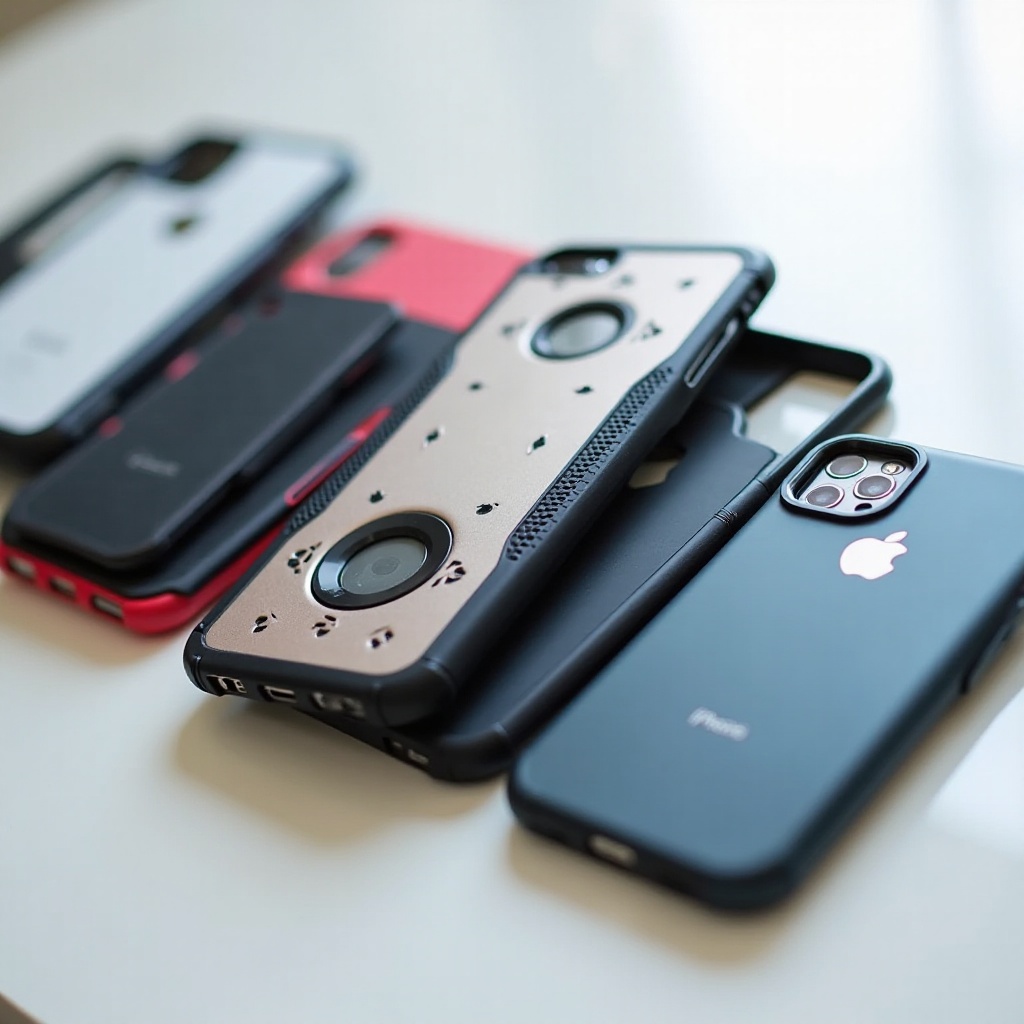
The Best iPhone Ranked for 2024 and Who Should Choose It
Navigating the Apple ecosystem requires balancing hardware capability, financial investment, and individual use cases, as the lineup features distinct tiers ranging from ultra-premium flagships to value-driven standard models. Selectin...
Navigating the Apple ecosystem requires balancing hardware capability, financial investment, and individual use cases, as the lineup features distinct tiers ranging from ultra-premium flagships to value-driven standard models. Selecting the ideal device depends entirely on identifying which features—such as professional-grade camera focal lengths, display refresh rates, or battery longevity—directly align with your daily operational habits.
Contents
Understanding the Lineup: How Apple Structures Its Smartphone Offerings
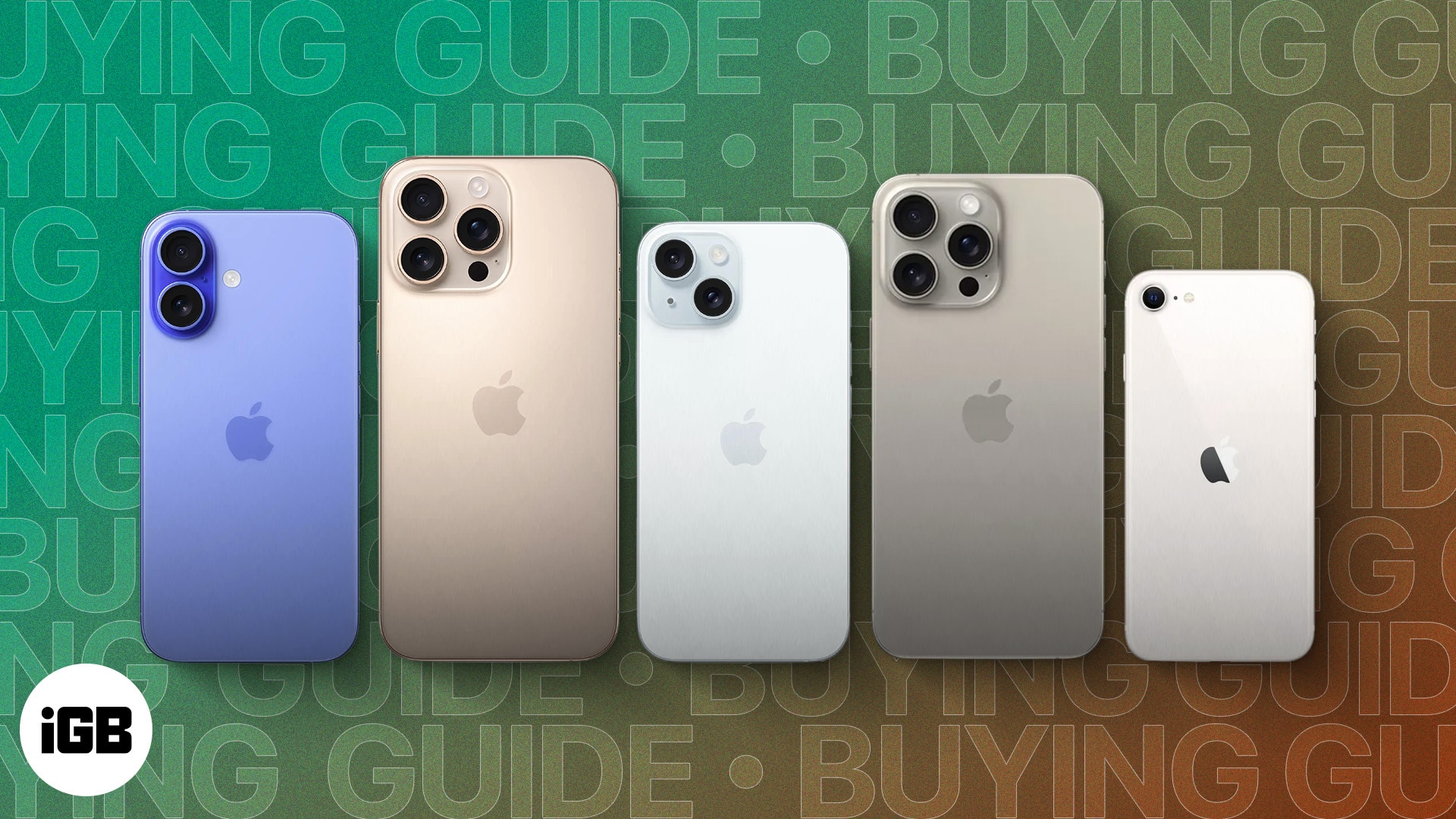
Apple structures its smartphone lineup around clear functional boundaries, segmenting devices by processing power, photographic capabilities, chassis materials, and price points. Recognizing these tiers helps eliminate confusion when comparing options.
The strategy relies on providing a standard model for everyday users, a larger Plus or equivalent variant for those prioritizing screen real estate and battery endurance, and Pro models designed for power users, content creators, and mobile photography enthusiasts. When evaluating these devices, consider that generational leaps in processors (such as the transition from the A16 Bionic to the A17 Pro and A18 families) dictate not only current performance speed but also long-term software support longevity and the ability to run advanced on-device artificial intelligence features.
1. iPhone 15 Pro Max: The Ultimate Powerhouse for Creators and Power Users
At the apex of the lineup sits the iPhone 15 Pro Max, engineered for individuals who demand maximum computational speed, expansive screen space, and versatile mobile optics.
Key Features and Performance
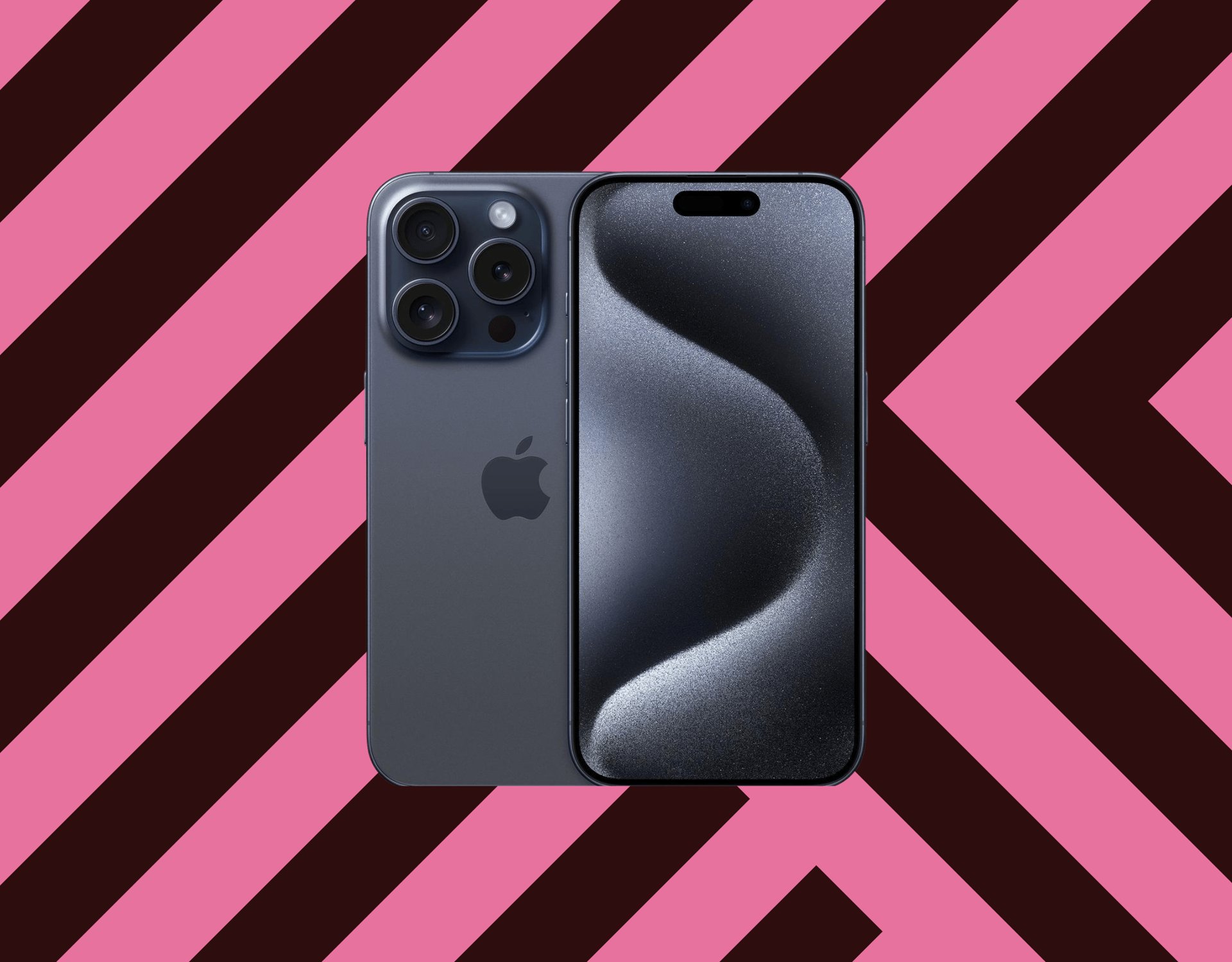
The iPhone 15 Pro Max introduced a lightweight aerospace-grade titanium chassis, replacing the heavier stainless steel of previous generations and significantly improving hand ergonomics. Driven by the A17 Pro chip—featuring a 6-core GPU with hardware-accelerated ray tracing—it delivers console-level gaming capabilities and rapid video rendering times.
The standout hardware addition is the 5x telephoto optical zoom lens, achieved via a tetraprism design that folds light reflection to fit within the slim phone body. This allows for sharper, closer framing of distant subjects without digital pixel degradation. Furthermore, the inclusion of a USB-C port with USB 3 speeds enables rapid data transfers and ProRes video recording directly to external storage drives.
Who Should Choose It?
- Mobile Photographers and Videographers: Professionals who rely on multiple focal lengths, Apple Log recording, and high-speed data transfers in the field.
- Mobile Gamers and Tech Enthusiasts: Users who want the highest possible processing benchmarks, a large 6.7-inch OLED display with ProMotion (120Hz), and maximum graphical fidelity.
- Power Users: Individuals who demand all-day battery life under heavy multi-tasking and professional workflows.
2. iPhone 15 Pro: Compact Flagship Performance Without Compromise
For users who want top-tier processing power and advanced camera features without the physical bulk of a large display, the iPhone 15 Pro serves as the ideal compromise.
Key Features and Performance
Sharing the same A17 Pro architecture, titanium build, customizable Action Button, and USB 3-capable USB-C port as its larger sibling, the iPhone 15 Pro packs flagship utility into a pocket-friendly 6.1-inch form factor. It includes a robust triple-camera system, though it relies on a standard 3x telephoto zoom rather than the 5x tetraprism arrangement found on the Max model.
The Super Retina XDR display features Always-On technology and ProMotion, ensuring fluid scrolling and effortless readability under direct sunlight. Thermal management improvements in this generation also help sustain high-performance tasks for longer periods compared to older chassis designs.
Who Should Choose It?
- One-Handed Device Users: Individuals who prefer a compact smartphone that easily fits into smaller pockets and can be comfortably operated with one hand.
- Professionals Seeking Portability: Field workers, journalists, and travelers who require raw computing power and high-end camera capabilities without carrying a heavy, oversized device.
3. iPhone 15 and iPhone 15 Plus: The Gold Standard for Everyday Users
The base iPhone 15 and its larger counterpart, the iPhone 15 Plus, deliver exceptional value by incorporating design language and core features previously locked behind the Pro tier.
Key Features and Performance
Both models replaced the traditional display notch with the Dynamic Island, an interactive software interface that displays live activities, alerts, and background tasks. Driven by the proven A16 Bionic chip, these devices handle everyday communication, streaming, casual gaming, and photography with ease.
The upgraded dual-camera system features a 48-megapixel main sensor, allowing for a 2x optical-quality crop zoom that bridges the gap between ultra-wide and standard lenses. Additionally, the transition to USB-C unifies charging accessories, while color-infused back glass with a textured matte finish improves grip and reduces fingerprint smudges.
Who Should Choose It?
- Value-Conscious Consumers: Buyers who want modern design aesthetics, a high-resolution main camera, and reliable performance without paying for professional-tier extras like 120Hz displays or raw log video profiles.
- Media Consumers (Plus Model): Users who prioritize a large 6.7-inch screen and exceptional battery life for streaming video, reading, and web browsing over advanced gaming or telephoto photography.
4. iPhone 14 and iPhone 14 Plus: Smart Budget Alternatives
As older models cycle through retail channels, the iPhone 14 and 14 Plus remain highly capable, cost-effective options for buyers looking to enter the ecosystem at a reduced price point.
Key Features and Performance
Powered by the A15 Bionic chip with a 5-core GPU, the iPhone 14 delivers snappy performance for daily applications. While it retains the traditional display notch and a Lightning connector rather than USB-C, it introduces critical safety infrastructure, including Crash Detection and Emergency SOS via satellite.
Battery performance on the larger iPhone 14 Plus remains a standout feature, frequently outlasting more expensive flagship models due to the energy efficiency of its internal components and large cell capacity.
Who Should Choose It?
- Bargain Hunters: Shoppers seeking carrier promotions, refurbished deals, or retail markdowns on a reliable device with multi-year software support ahead.
- Basic Communicators: Users whose primary needs revolve around messaging, web browsing, social media, and standard photography.
Comprehensive Feature Comparison
| Model | Display Size | Refresh Rate | Processor | Primary Camera | Charging Port | Best Suited For |
|---|---|---|---|---|---|---|
| iPhone 15 Pro Max | 6.7 inches | 120Hz (ProMotion) | A17 Pro | 48MP + 5x Telephoto | USB-C (USB 3) | Content creators, heavy gamers, maximum battery seekers. |
| iPhone 15 Pro | 6.1 inches | 120Hz (ProMotion) | A17 Pro | 48MP + 3x Telephoto | USB-C (USB 3) | Power users wanting a compact, one-handed form factor. |
| iPhone 15 Plus | 6.7 inches | 60Hz | A16 Bionic | 48MP Main | USB-C (USB 2) | Media consumers prioritizing large screens and long battery life. |
| iPhone 15 | 6.1 inches | 60Hz | A16 Bionic | 48MP Main | USB-C (USB 2) | Everyday users seeking modern features at a moderate price. |
| iPhone 14 | 6.1 inches | 60Hz | A15 Bionic | 12MP Main | Lightning | Budget-focused buyers needing reliable, long-term performance. |
Key Decision Factors When Choosing Your Device
Before committing to a specific purchase, evaluate how your daily habits align with hardware specifications. Making an informed choice prevents overspending on features you may never use or, conversely, experiencing performance bottlenecks.
Display Technology and Ergonomics
Consider whether screen fluidity matters to your workflow. Devices equipped with ProMotion technology offer a 120Hz refresh rate, resulting in smoother scrolling and animations. If you are accustomed to standard 60Hz displays, standard models will feel familiar, but transitioning downward from a high refresh rate screen can be visually jarring. Furthermore, physical dimensions dictate comfort; visit a retail location to test whether a 6.7-inch Max model or a compact 6.1-inch Pro model fits your hand and pocket.
Storage Capacities and Future-Proofing
Base storage tiers often start at 128GB, which fills up quickly if you shoot high-resolution video, download offline media libraries, or install large mobile games. If you plan on keeping your device for four to five years, investing in a 256GB or higher configuration protects against storage deficits down the line, especially since internal storage cannot be upgraded post-purchase.
Frequently Asked Questions
Which iPhone offers the best battery life?
The iPhone 15 Pro Max and iPhone 15 Plus offer the longest battery endurance in the lineup. Due to their physical dimensions, both accommodate larger internal battery cells combined with energy-efficient displays and processors, easily lasting through a full day of heavy use.
Is the upgrade to a Pro model worth the extra cost?
The upgrade is worth it if you specifically need the 120Hz ProMotion display, faster USB-C transfer speeds, premium titanium build materials, or advanced optical zoom lenses for photography. If your usage consists primarily of messaging, web browsing, and casual snapshots, standard models deliver identical core software experiences for significantly less money.
Do all iPhone models use USB-C charging?
No. The iPhone 15 lineup (including standard, Plus, Pro, and Pro Max models) transitioned entirely to USB-C ports. Older models, such as the iPhone 14 and iPhone 13 series, continue to rely on Apple's proprietary Lightning connector.
How many years of software updates do these devices receive?
Apple typically supports iPhones with major iOS feature updates and critical security patches for approximately five to seven years from their initial release date, making even slightly older standard models viable long-term investments.
What is the difference between the 3x and 5x telephoto lenses?
A 3x telephoto lens (found on the iPhone 15 Pro) provides a tighter portrait framing closer to traditional portrait focal lengths, while the 5x tetraprism telephoto lens (exclusive to the iPhone 15 Pro Max) allows you to pull distant subjects much closer optically, yielding sharper results for wildlife, sports, and architectural photography.
Final Recommendation
To secure the best value, match your purchase directly to your primary pain points. If your current phone suffers from poor battery life or a cracked screen, and you primarily use it for daily communication and media consumption, the iPhone 15 or iPhone 15 Plus provides the most balanced blend of modern styling, USB-C connectivity, and longevity. Conversely, if your work or hobbies demand professional mobile imaging, external data tethering, and maximum graphical horsepower, investing in the iPhone 15 Pro or iPhone 15 Pro Max delivers the advanced toolset required to support those demands effectively.
Image Gallery