Exploring the Minnesota Governor’s Mansion: History, Tours, and 2026 Visitor Guide
The Minnesota Governor’s Residence, located at 1006 Summit Avenue in St. Paul, serves as the official home for the state’s chief executive and their family. As of 2026, the residence has fully reopened to the public for seasonal tours...
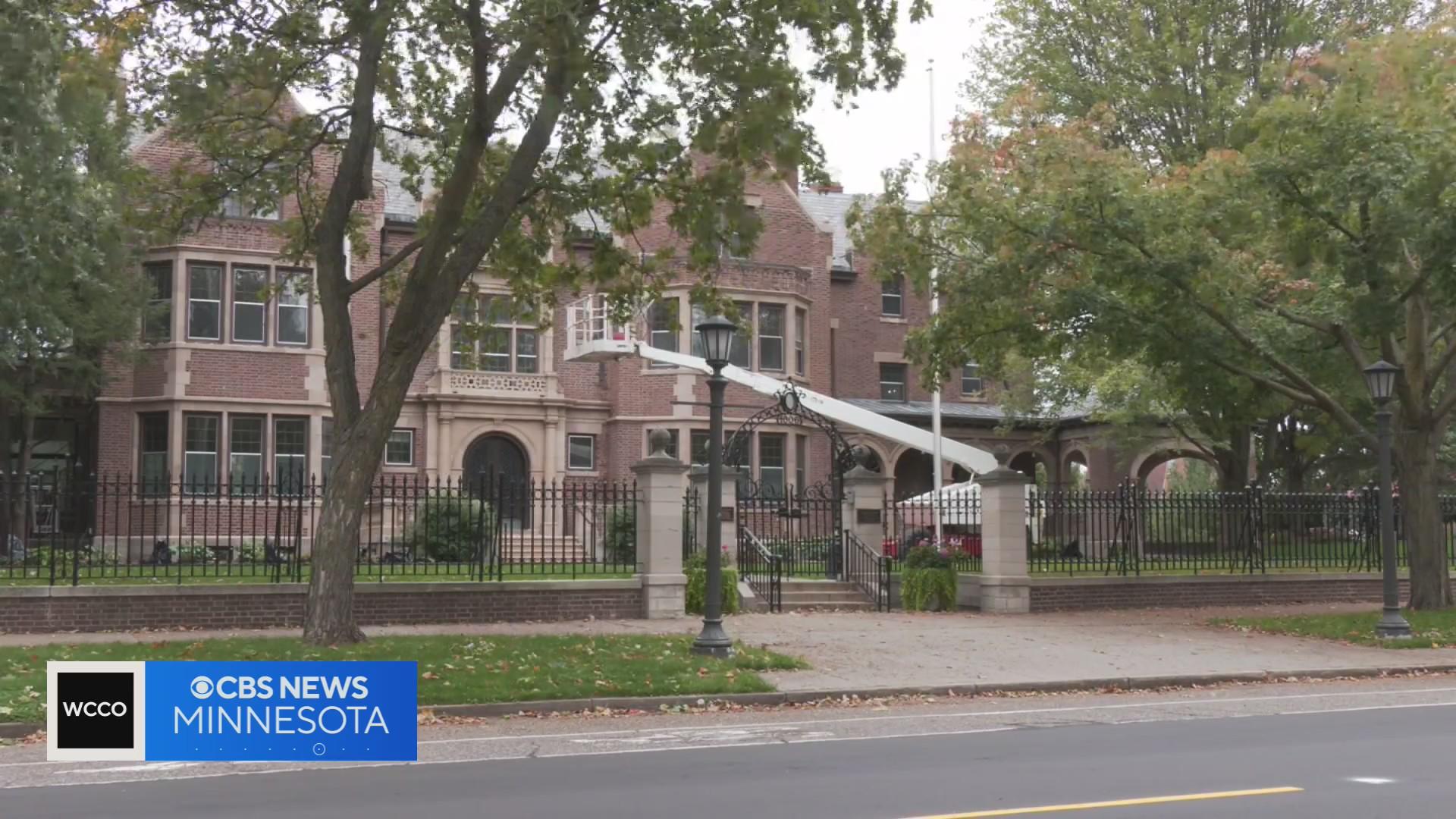
The Minnesota Governor’s Residence, located at 1006 Summit Avenue in St. Paul, serves as the official home for the state’s chief executive and their family. As of 2026, the residence has fully reopened to the public for seasonal tours following an extensive multi-year renovation project designed to modernize the building's infrastructure while preserving its early 20th-century Tudor Revival architecture.
Contents
The Minnesota Governor’s Residence is more than just a private home; it is a historic landmark and a symbol of the state's executive branch. Situated on the prestigious Summit Avenue—renowned for having one of the longest preserved stretches of Victorian-era homes in the United States—the mansion provides a unique look into Minnesota's social and political history. Since its donation to the state in 1965, the residence has hosted world leaders, local activists, and thousands of Minnesota citizens.
The History of 1006 Summit Avenue
The story of the residence begins not with a politician, but with a prominent lumberman named Horace Hills Irvine. In 1910, Irvine commissioned the renowned architect William Channing Whitney to design a family home on a 1.5-acre plot in St. Paul. Construction was completed in 1912 at a cost of approximately $50,000—a significant sum at the time.
The Irvine family lived in the home for decades, maintaining it as a center of St. Paul high society. Following the deaths of Horace and his wife, Clotilde, their daughters, Clotilde Irvine Moles and Olivia Irvine Dodge, decided that the house was too significant to be sold into private hands. In 1965, they donated the 20-room, 16,000-square-foot mansion to the State of Minnesota to serve as the permanent home for the governor.
Before this donation, Minnesota governors were responsible for finding their own housing in the Twin Cities area, often residing in hotels or private apartments. The gift of 1006 Summit Avenue provided a sense of continuity and prestige to the office. In 1974, the building was officially added to the National Register of Historic Places, ensuring that its architectural integrity would be protected by federal and state guidelines.
Architectural Significance and Layout
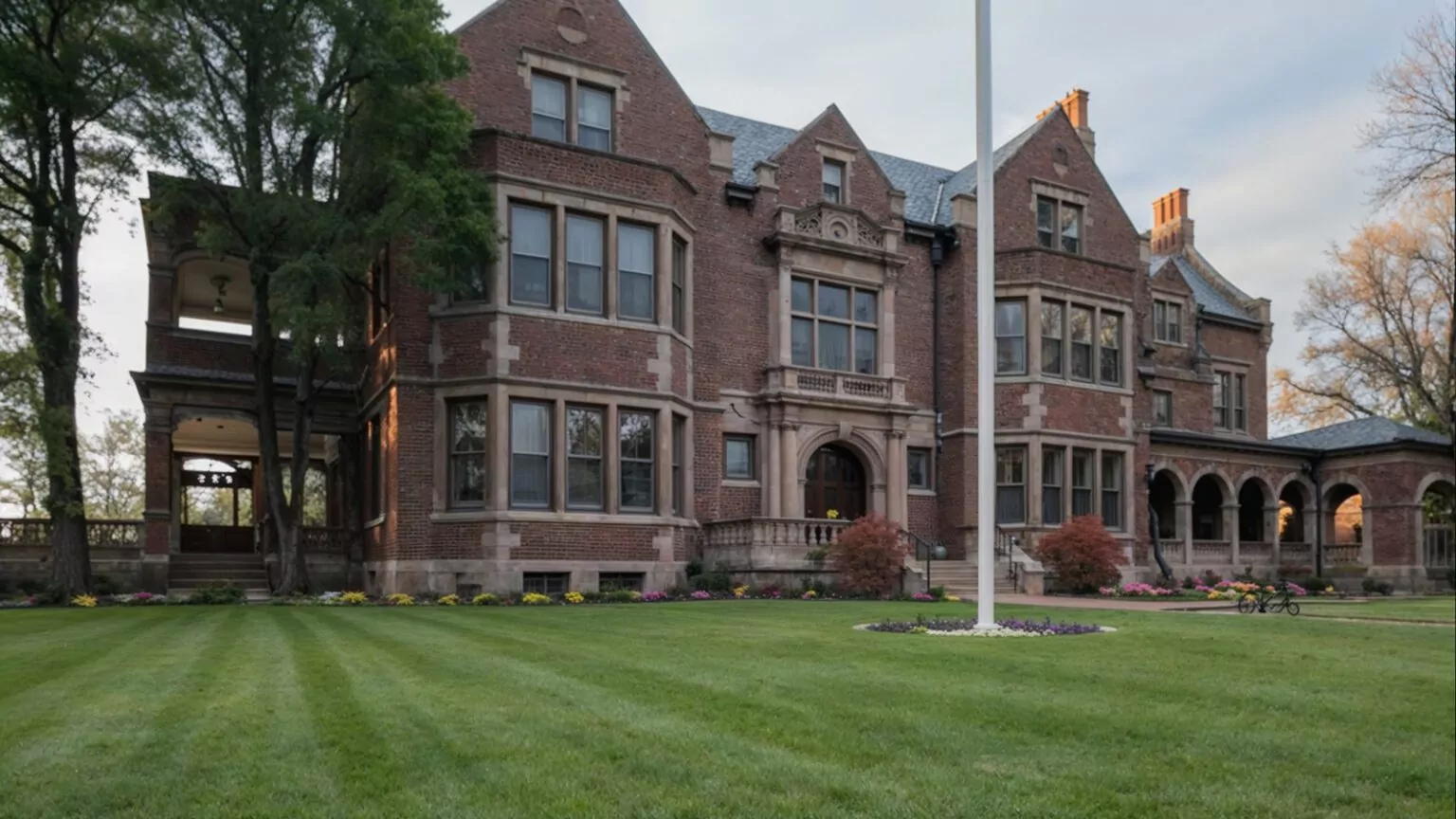
The residence is a prime example of Tudor Revival architecture, a style that was immensely popular among America's wealthy elite in the early 1900s. The exterior features classic elements of the style, including decorative half-timbering, steep gables, and massive chimneys. The foundation and lower portions of the home utilize Minnesota-sourced materials, specifically Kasota limestone, which lends the building a warm, earthy tone.
Interior Features
The interior of the mansion is divided into three distinct levels, each serving a different function:
- The First Floor (Public and Ceremonial): This level is designed for entertaining and official business. It includes the grand entry hall, the formal dining room (which can seat up to 22 guests), a library paneled in dark wood, and a bright solarium that overlooks the backyard. The "State Room" serves as the primary location for press conferences and small receptions.
- The Second Floor (Private Living Quarters): This floor contains the Governor’s private bedrooms, a small family kitchen, and a living area. While the public rarely sees this space, it is designed to offer the First Family a degree of normalcy and privacy amidst their public duties.
- The Third Floor (Guest Rooms and Offices): Originally designed as servants' quarters during the Irvine era, the third floor now houses guest rooms for visiting dignitaries and additional office space for staff.
The Grounds and Gardens
The 1.5-acre estate includes meticulously landscaped gardens that are often used for outdoor events during the summer. A highlights of the grounds is the "Minnesota Garden," which exclusively features plants and flowers native to the state. The carriage house, located at the rear of the property, has been converted into security offices and storage, though it retains its original 1912 exterior aesthetic.
The 2024–2025 Renovation Project
By the early 2020s, the residence was facing significant deferred maintenance issues. In 2023, the state legislature authorized a massive renovation project, the most comprehensive since the building was donated. During this period (roughly 2023 through late 2025), the Governor and their family moved to a temporary residence at the University of Minnesota’s Eastcliff estate.
The renovation focused on several critical areas:
- Mechanical and Electrical Systems: The outdated boiler system and electrical wiring, some of which dated back mid-century, were replaced with high-efficiency HVAC and modern, safe electrical grids.
- Accessibility (ADA Compliance): While the mansion is a historic site, efforts were made to improve accessibility for visitors with disabilities, including the installation of a more reliable elevator and reworked entry pathways.
- Security Upgrades: Modern security technology was integrated into the building to protect the Governor and visiting officials without compromising the historic look of the property.
- Preservation: Skilled craftsmen restored the original leaded-glass windows and repaired the exterior masonry using period-appropriate techniques.
Entering 2026, the mansion stands as a modernized facility that operates with a significantly lower carbon footprint while maintaining the exact visual character intended by William Channing Whitney over a century ago.
Planning Your Visit: Tours and Public Access
Public access to the Minnesota Governor’s Residence is primarily managed through seasonal tours. Because the mansion is a working government building and a private residence, access is strictly regulated.
Summer Tour Schedule
Tours are typically held on Tuesdays in June, July, and August. These tours are free to the public and are led by volunteer docents from the Minnesota Historical Society and the Governor’s Residence Council.
- Hours: Tours generally run from 10:30 AM to 1:00 PM.
- Format: Tours are usually "open house" style, where guests follow a marked path through the first-floor public rooms with docents stationed in each room to provide historical context.
- Reservations: No reservations are required for individuals or small families, but groups of 10 or more must contact the Residence Coordinator at least two weeks in advance.
Security and Prohibited Items
Upon arrival at the gate on Summit Avenue, all visitors must pass through a security screening.
- Identification: Adults should carry a valid state or federal ID.
- Prohibited Items: Large bags, backpacks, umbrellas, and strollers are not allowed inside the mansion. There is no on-site storage for these items, so visitors are encouraged to leave them in their vehicles.
- Photography: Photography is generally permitted in the outdoor gardens but is strictly prohibited inside the residence to protect the privacy and security of the First Family.
Comparison of Historic vs. Modern Utility
The following table outlines how the original rooms of the 1912 Irvine estate have transitioned into their modern roles within the Governor's Mansion in 2026.
| Original Room (1912) | Current Function (2026) | Key Features |
|---|---|---|
| Main Dining Room | State Dining Room | Seats 22; used for formal cabinet dinners and visiting dignitaries. |
| Library | Governor’s Study | Features original mahogany shelving and a fireplace; used for private meetings. |
| Solarium | Reception Area | High natural light; used for meet-and-greets and morning coffee events. |
| Kitchen (Main) | Catering/State Kitchen | Upgraded to commercial standards in 2025 to handle large-scale events. |
| Servant Quarters | Guest/Staff Suites | Modernized with full Wi-Fi and climate control for visiting guests. |
| Carriage House | Security Headquarters | Houses the Minnesota State Patrol security detail for the executive branch. |
The Governor’s Residence Council
The maintenance and furnishing of the mansion are overseen by the Governor’s Residence Council. This body consists of 19 members, including the Commissioner of Administration, the Director of the Minnesota Historical Society, and several public members appointed by the Governor.
The Council's primary mandate is to ensure that any changes made to the building are historically appropriate. They also manage the "1006 Summit Avenue" collection, which includes artwork by Minnesota artists and furniture that reflects the state's heritage. Funding for the residence comes from a mix of state appropriations for basic maintenance and private donations for decorative or specialty items.
FAQ: Common Questions About the Residence
Can I rent the Governor's Mansion for a private event?
No. The residence is not available for private rentals, weddings, or corporate events. It is strictly reserved for the Governor's family use and official state business. Public access is limited to the scheduled summer tours and specifically invited guests for state functions.
Does the Governor have to live in the mansion?
While there is no legal requirement forcing a Governor to live at 1006 Summit Avenue, every Minnesota Governor since 1965 has utilized it as their primary residence. The state provides the home and a small staff (including a chef and cleaning personnel) as part of the executive compensation package.
Is the mansion pet-friendly?
Yes, the mansion has hosted many "First Pets" over the years. During the Walz administration, for example, the family's dog and cat became well-known figures at the residence. The 2025 renovations included updates to the grounds to ensure they remained safe and secure for pets.
How is the residence funded?
The Minnesota Department of Administration manages the budget for the mansion's operations. This includes utilities, staffing, and basic upkeep. Major capital improvements, such as the 2023-2025 renovation, require specific legislative approval and are funded through state bonds.
Can I volunteer at the Governor's Mansion?
The Minnesota Historical Society often seeks volunteer docents to assist with the summer tour program. Prospective volunteers must undergo a background check and complete a training program on the history of the house and the governors who have lived there.
Recommended Next Steps for Visitors
If you are planning a visit to the Minnesota Governor's Mansion in 2026, your first action should be to verify the current tour dates on the official Minnesota Department of Administration website. Because the schedule can shift due to official state business or security requirements, checking the site 24 to 48 hours before your planned visit is highly recommended.
After visiting the mansion, many tourists continue their walk down Summit Avenue to view the James J. Hill House and the Cathedral of Saint Paul, both of which are within walking distance and offer a broader context of the architectural wealth that defined St. Paul at the turn of the century.
Image Gallery