JLB Foundation Repair and Waterproofing: 2026 Services, Costs, and Methods
JLB Foundation Repair and Waterproofing provides structural stabilization and moisture management solutions designed to combat soil-related distress in residential and commercial properties. In 2026, most structural piering projects ra...
JLB Foundation Repair and Waterproofing provides structural stabilization and moisture management solutions designed to combat soil-related distress in residential and commercial properties. In 2026, most structural piering projects range from $8,000 to $25,000, while comprehensive basement waterproofing systems typically cost between $5,000 and $12,000, depending on the linear footage and system complexity.
Contents
Understanding the Structural Challenges of 2026
Foundation issues are rarely the result of a single event; rather, they are the culmination of environmental stressors, soil mechanics, and hydrostatic pressure. In regions like the Midwest—where JLB Foundation Repair primarily operates—the prevalence of highly expansive smectite clay remains the primary driver of structural instability. This soil type undergoes significant volume changes based on moisture content, expanding during heavy rains and shrinking during periods of drought.
By 2026, the industry has seen a shift toward more integrated solutions that address both the symptoms of foundation failure (cracks and settlement) and the root causes (poor drainage and soil volatility). Understanding the specific methods employed by JLB is essential for homeowners looking to protect their property’s equity and long-term safety.
Foundation Repair Methods: Piering and Underpinning
When a foundation "settles," it means the soil beneath the footing can no longer support the weight of the structure. JLB utilizes several mechanical systems to transfer the load of the building from unstable surface soil to load-bearing strata or bedrock.
Steel Push Piers
Steel push piers, also known as resistance piers, are the industry standard for heavy residential structures. The process involves attaching high-strength steel brackets to the existing foundation footing. Using the weight of the house as a counter-force, hydraulic jacks drive individual steel pier sections into the ground until they reach a "refusal point," which is either solid bedrock or a dense load-bearing soil layer.
- Mechanical Advantage: These piers provide an immediate transfer of weight. Once the piers reach the required depth, the house can often be hydraulically lifted back toward its original level position.
- Durability: In 2026, these piers are typically manufactured with galvanized steel to resist corrosion from soil chemicals and moisture.
Helical Piers
Unlike push piers, helical piers are "screwed" into the ground using a hydraulic torque motor. They feature screw-like plates (helices) at the tip that provide uplift resistance and load-bearing capacity. These are often preferred for lighter structures, such as porches, decks, or additions, or in situations where the structure's weight is insufficient to "push" a resistance pier to the necessary depth.
Foundation Wall Stabilization
While piers address vertical settlement, foundation walls often suffer from lateral (sideways) movement caused by hydrostatic pressure in the surrounding soil. When the soil becomes saturated, it exerts thousands of pounds of pressure against the basement walls.
- I-Beam Wall Braces: Vertical steel beams are bolted to the basement floor and the wooden floor joists above. They provide a rigid skeleton that prevents the wall from bowing further inward.
- Wall Anchors: These consist of an interior wall plate connected by a high-strength steel rod to an anchor buried in the yard. By tightening the rod, the wall can often be gradually pulled back toward its original vertical orientation over time.
- Carbon Fiber Straps: For walls with minor bowing (less than two inches), carbon fiber reinforced polymers (CFRP) offer a low-profile solution. These straps are epoxied directly to the wall, providing immense tensile strength that prevents further movement without the bulk of steel beams.
Waterproofing Services: Managing Hydrostatic Pressure
Waterproofing is not just about stopping a leak; it is about managing the water table around the foundation. JLB employs both interior and exterior strategies to ensure basements remain dry and structurally sound.
Interior Drainage Systems
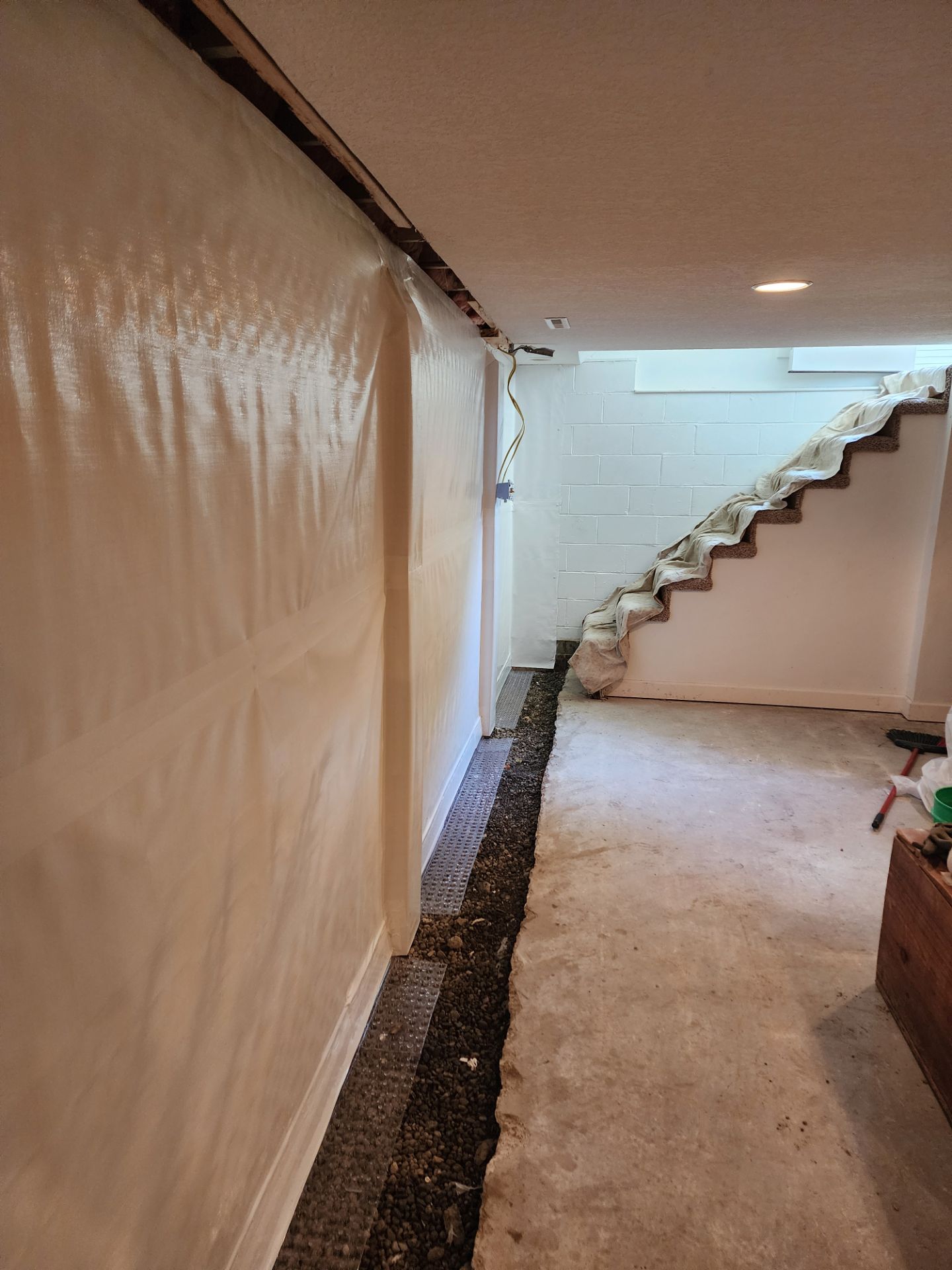
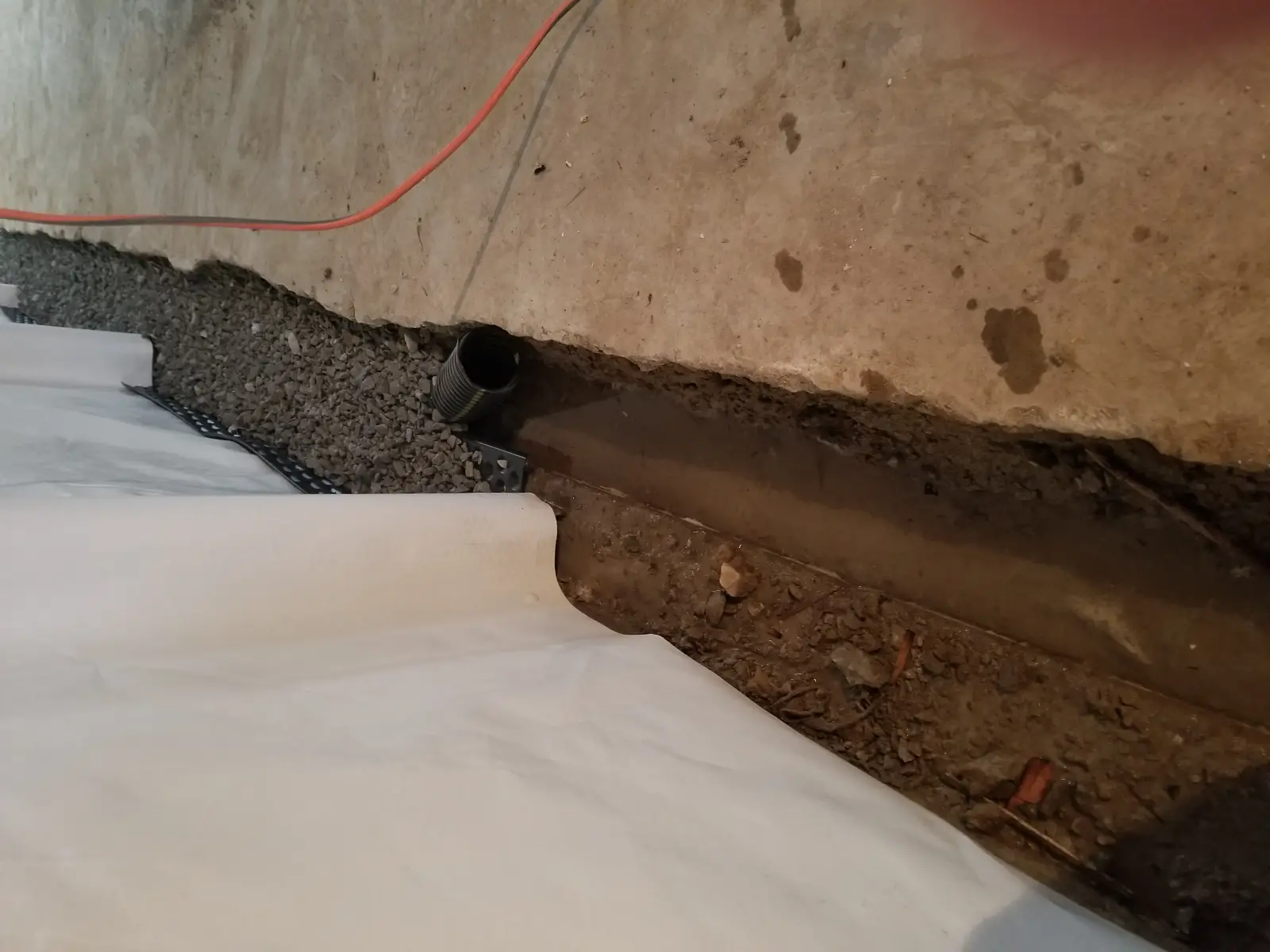
The most common and cost-effective method in 2026 is the installation of an interior sub-floor drainage system. This involves:
- Trenching: Removing a portion of the concrete floor around the perimeter of the basement.
- Perforated Pipe: Installing a perforated drain pipe (often called a French drain) in a bed of washed stone.
- Weep Holes: Drilling small holes into the bottom cores of concrete blocks to allow trapped water to drain into the system.
- Sump Pump Integration: Directing all collected water to a high-capacity sump pump, which discharges the water away from the foundation.
Exterior Waterproofing
Exterior waterproofing is a more invasive but highly effective "positive side" treatment. It involves excavating the soil down to the footing, cleaning the wall, and applying a waterproof membrane or specialized coating. This prevents water from ever touching the masonry. While more expensive due to excavation costs, it is the most comprehensive way to protect the foundation from moisture degradation.
Concrete Leveling and Polyjacking
In addition to deep structural repairs, JLB provides concrete leveling services for "flatwork" such as driveways, sidewalks, and garage floors. By 2026, polyjacking has largely superseded traditional mudjacking.
Polyjacking involves injecting high-density geopolymer foam through small holes (about 5/8 of an inch) drilled into the sunken concrete. As the foam undergoes a chemical reaction, it expands, filling voids and lifting the concrete slab with incredible precision.
- Weight Advantage: Unlike the heavy sand/cement slurry used in mudjacking, polyurethane foam is lightweight and does not add significant stress to the underlying soil.
- Cure Time: The foam cures in approximately 15 to 30 minutes, allowing for immediate use of the surface.
- Environmentally Inert: Modern foams used in 2026 are designed to be environmentally neutral, resisting decomposition and ensuring the lift lasts for decades.
Estimated Costs for 2026 Services
Costs for foundation repair and waterproofing are influenced by the depth of the bedrock, the linear footage of the affected area, and the current market price of steel and petroleum-based polymers.
| Service Category | Method | Estimated Price Range (2026) | Primary Benefit |
|---|---|---|---|
| Piering | Steel Push Piers | $1,200 – $2,500 per pier | Permanent vertical stabilization. |
| Wall Repair | Carbon Fiber Straps | $600 – $1,100 per strap | Non-invasive lateral support. |
| Wall Repair | I-Beam Bracing | $800 – $1,500 per beam | Heavy-duty lateral stabilization. |
| Waterproofing | Interior Drain System | $70 – $120 per linear foot | Removes hydrostatic pressure. |
| Waterproofing | Sump Pump System | $1,500 – $3,500 | Automatic water evacuation. |
| Concrete Leveling | Polyjacking | $5 – $15 per square foot | Restores safety and drainage to slabs. |
Note: These figures are estimates. A professional on-site inspection is required for an exact quote, as soil density and accessibility vary by property.
Technical Factors Influencing Repair Selection
When JLB technicians assess a property, they look for specific "markers" of distress that dictate the necessary method. For example, a stair-step crack in a brick facade almost always indicates vertical settlement, requiring piers. Conversely, a horizontal crack midway up a basement wall indicates lateral pressure from soil expansion, requiring wall anchors or beams.
Furthermore, the "Active Zone" of soil—the depth to which seasonal moisture changes occur—must be bypassed. In many parts of the Midwest, this zone extends 8 to 12 feet deep. Any repair that does not reach below this active zone is likely to fail as the soil continues to cycle through expansion and contraction.
Common Mistakes in Foundation Maintenance
Many homeowners inadvertently contribute to foundation failure through poor exterior maintenance. JLB often recommends several "pre-repair" or "post-repair" steps to ensure the longevity of their work:
- Gutter Management: Gutters must be clear, and downspout extensions should carry water at least 10 feet away from the foundation.
- Grading: The soil around the perimeter should slope away from the house at a rate of at least 6 inches over the first 10 feet.
- Vegetation: Large trees with aggressive root systems should not be planted too close to the foundation, as they can desiccate the soil, leading to localized shrinkage and settlement.
Frequently Asked Questions
How long does a typical JLB foundation repair project take?
Most residential piering or interior waterproofing projects are completed within 3 to 5 business days. Polyjacking for driveways can often be finished in a single afternoon. The timeline may extend if significant excavation or municipal inspections are required.
Does foundation repair come with a warranty?
Yes, reputable firms like JLB Foundation Repair typically offer a lifetime transferable warranty on steel pier installations and a multi-year warranty on waterproofing systems. A transferable warranty is a significant asset when selling a home, as it provides the buyer with peace of mind regarding the structural integrity.
Can foundation cracks be ignored if they aren't leaking?
Structural cracks should never be ignored. While they may not leak water today, they represent a compromise in the building's skeletal strength. Over time, minor cracks can expand, leading to window and door misalignment, roof damage, and potentially catastrophic wall failure.
Is polyjacking better than replacing the concrete?
In most cases, yes. Polyjacking is typically 50% to 70% less expensive than tearing out and replacing concrete. Additionally, replacing concrete does not address the underlying soil voids, whereas polyjacking fills those voids to prevent future sinking.
How does 2026 inflation affect these costs?
The costs provided reflect the 2026 economic environment, accounting for increased labor specialized training and the stabilization of material supply chains. While higher than 2020 levels, the relative cost of repair remains lower than the potential loss in home value associated with foundation failure.
Final Recommendation for Homeowners
If you observe cracks in your foundation, doors that stick, or water seepage after a rainstorm, the first step should be a professional structural evaluation. Do not rely on "quick-fix" epoxy injections for structural cracks, as these do not address the underlying soil movement. For properties in the Kansas City area and surrounding regions, engaging with a specialist like JLB Foundation Repair ensures that the solution is tailored to the specific clay-heavy soil profile of the region.
Prioritize "permanent" solutions like steel piering and internal drainage over temporary patches. While the initial investment may be higher, the preservation of your home's structural safety and market value is a necessary long-term financial decision.
Image Gallery