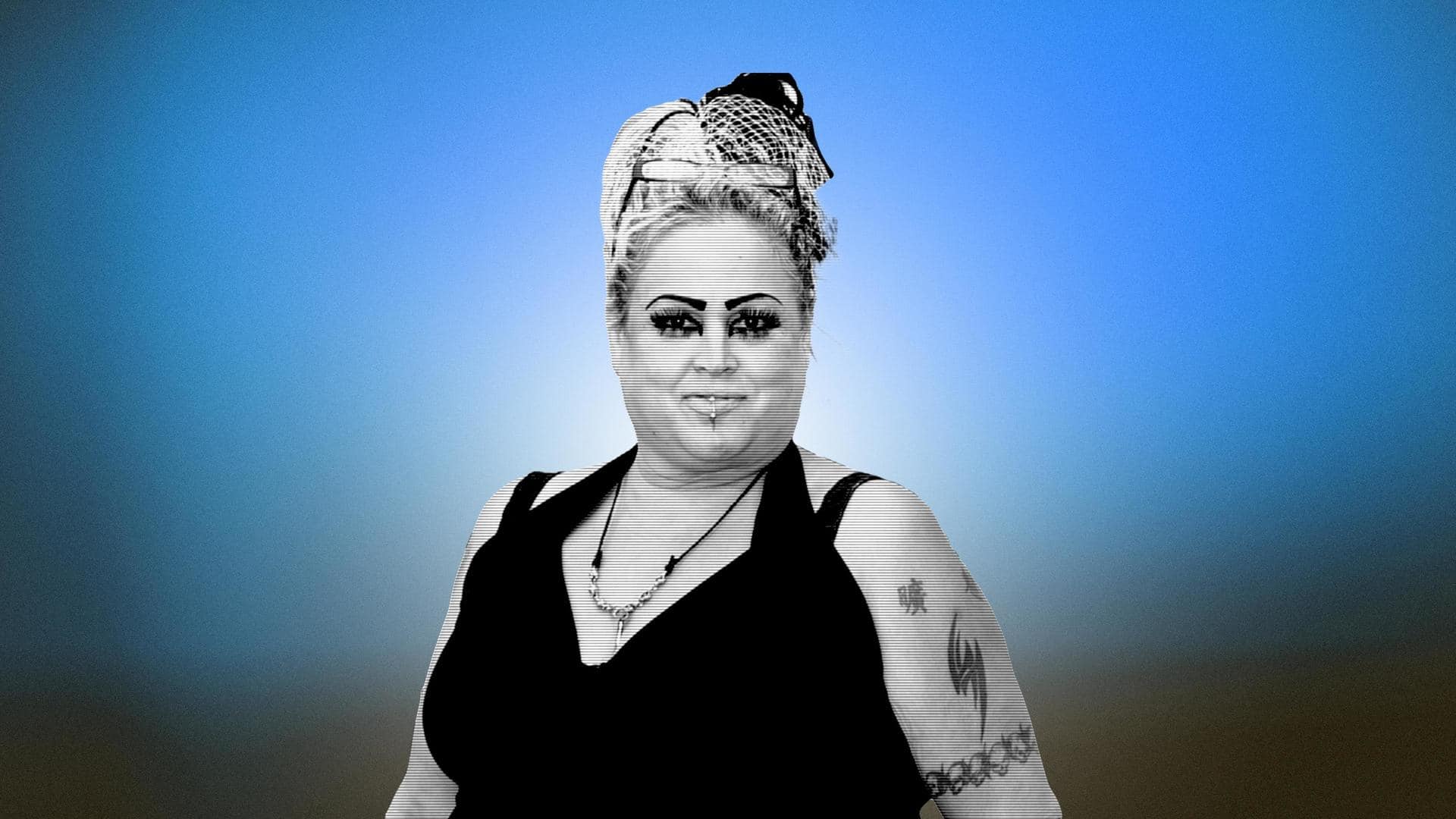
Sonia Pizarro Weight Loss Journey: The Methods and Health Challenges Behind Her Transformation
Sonia Pizarro achieved significant weight loss primarily through gastric bypass surgery, a decision she made to address long-standing health concerns. Following the procedure in 2013, she implemented strict dietary changes and a focuse...
Sonia Pizarro achieved significant weight loss primarily through gastric bypass surgery, a decision she made to address long-standing health concerns. Following the procedure in 2013, she implemented strict dietary changes and a focused recovery plan. Her journey was further complicated by a major stroke in 2018, which required intensive physical rehabilitation.
Contents
The late Sonia Pizarro, widely recognized as a fan favorite from the hit reality television series Operation Repo, was never one to shy away from the camera or the harsh realities of her life. While she was known for her "tough-as-nails" persona on screen, her private battle with weight and health was a significant part of her story. For many fans looking back in 2026, her transformation remains a point of interest, not just for the aesthetic changes, but for the medical realities of maintaining health after rapid weight loss and severe neurological events.
The Catalyst for Change: Why Sonia Pizarro Chose Surgery
By 2013, Sonia Pizarro had reached a point where her weight was beginning to interfere with her quality of life and her ability to keep up with the physical demands of her job in the repossession industry. Reality television often requires long hours and high-stress environments, both of which can exacerbate underlying health issues related to obesity, such as hypertension and metabolic syndrome.
Pizarro opted for Roux-en-Y gastric bypass surgery, one of the most common and effective bariatric procedures. Unlike simple restrictive methods, this surgery is both restrictive and malabsorptive. It involves creating a small pouch from the stomach and connecting it directly to the small intestine, bypassing a large portion of the stomach and the duodenum.
The Mechanics of Gastric Bypass
The decision to undergo gastric bypass is rarely about vanity for someone in Pizarro's position; it is a clinical intervention. The procedure works through several mechanisms:
- Restriction: The new, smaller stomach pouch limits the amount of food a person can consume at one time, leading to earlier satiety.
- Malabsorption: By bypassing part of the small intestine, the body absorbs fewer calories and nutrients from the food consumed.
- Hormonal Changes: The surgery alters gut hormones that signal hunger and fullness, specifically reducing the production of ghrelin, often referred to as the "hunger hormone."
For Sonia, this surgical intervention provided the "jumpstart" needed to shed significant pounds quickly, which was visible to viewers during the later seasons and spin-offs of Operation Repo.
Post-Operative Lifestyle and Dietary Evolution
Surgery is only the first step in a lifelong commitment to weight management. Sonia Pizarro had to adhere to a rigorous post-operative protocol to ensure the success of the bypass and to avoid complications such as "dumping syndrome"—a condition where food (especially sugar) moves too quickly from the stomach into the small intestine, causing nausea, dizziness, and fatigue.
The Four Phases of Post-Bariatric Eating
To maintain her weight loss, Pizarro followed a structured dietary progression that is standard for bypass patients:
- Phase 1: Liquid Diet: Immediately following surgery, the focus is on hydration and allowing the staple lines in the stomach to heal. This includes clear broths, unsweetened juices, and protein supplements.
- Phase 2: Pureed Foods: Once the initial healing occurred, she transitioned to protein-rich foods blended to a smooth consistency, such as Greek yogurt, scrambled eggs, and pureed lean meats.
- Phase 3: Soft Foods: This phase includes tender meats, cooked vegetables, and soft fruits. During this time, patients like Sonia must learn to chew food thoroughly to avoid blockages in the small pouch.
- Phase 4: Stabilization: This is the "new normal" where solid foods are reintroduced. The emphasis remains on high-protein, low-carbohydrate intake to preserve muscle mass while continuing to lose fat.
Pizarro often shared updates with her fans, highlighting the importance of portion control. In the reality TV world, where craft services and irregular eating schedules are common, maintaining these habits required significant discipline.
The 2018 Stroke: A Critical Health Turning Point
In May 2018, Sonia Pizarro faced a life-threatening health crisis that would fundamentally alter her approach to wellness: a massive stroke. This event was a stark reminder of the long-term cardiovascular risks that can persist even after significant weight loss.
The stroke left Sonia temporarily unable to speak or walk, necessitating a grueling recovery process. Weight management during this period was no longer about aesthetics; it was about survival and neurological rehabilitation. Her "weight loss" during this time was often a byproduct of the physical toll of the stroke and the intensive physical therapy required to regain mobility.
The Link Between Weight and Stroke Risk
Medical research, such as studies published by the American Heart Association, indicates that while bariatric surgery reduces the risk of stroke by improving blood pressure and cholesterol levels, the damage done to the vascular system during years of obesity can sometimes have a long-term "legacy effect." Sonia’s journey underscored the reality that weight loss is a component of health, but not a total cure for pre-existing cardiovascular damage.
Comparative Overview of Bariatric Procedures
When Sonia Pizarro chose gastric bypass, she was opting for one of the most invasive but effective options available. Understanding the differences between these procedures helps clarify why her results were so dramatic compared to other methods.
| Feature | Gastric Bypass (Roux-en-Y) | Gastric Sleeve (VSG) | Lap-Band (AGB) |
|---|---|---|---|
| Mechanism | Restrictive & Malabsorptive | Restrictive Only | Restrictive Only |
| Complexity | High (Involves rerouting) | Moderate (Removes part of stomach) | Low (Involves an implant) |
| Average Weight Loss | 60%–80% of excess weight | 50%–70% of excess weight | 30%–50% of excess weight |
| Reversibility | Difficult/Permanent | Permanent | Reversible |
| Dumping Syndrome | Common | Rare | Very Rare |
Note: Data based on clinical standards from the American Society for Metabolic and Bariatric Surgery.
Managing Public Perception and the Reality TV Pressure
Being a public figure on a show like Operation Repo added a layer of complexity to Pizarro's weight loss. Fans often commented on her appearance, and the pressure to maintain a certain image was constant. Sonia was praised for her transparency regarding her surgery, which helped humanize the struggle with obesity for her audience.
However, the rapid weight loss also led to speculation and rumors. Pizarro addressed these by being open about her medical needs. She emphasized that the surgery was not a "cheat code" but a tool that required daily work. The psychological aspect of seeing one's body change so rapidly while being filmed for national television is a challenge few people experience, and Sonia handled it with her trademark bluntness.
Legacy and Health Reflections
Sonia Pizarro passed away in May 2023 at the age of 60. While her weight loss journey was successful in terms of the numbers on the scale, her later years were defined by her resilience in the face of the complications from her 2018 stroke.
As we look back from 2026, her story serves as a comprehensive example of the complexities of bariatric surgery. It highlights that weight loss is often a multi-decade battle involving surgical intervention, dietary discipline, and the management of chronic conditions. Her transformation allowed her several more years of active life and the ability to continue her work, providing inspiration to others facing similar health hurdles.
Professional Medical Perspective
It is important to note that bariatric surgery is a major medical procedure. Individuals considering similar paths should consult with a multidisciplinary team, including surgeons, dietitians, and psychologists. The National Institute of Diabetes and Digestive and Kidney Diseases (NIDDK) provides extensive resources on the eligibility and long-term expectations for these procedures.
Frequently Asked Questions
Did Sonia Pizarro use weight loss drugs like Ozempic?
No, Sonia Pizarro’s primary weight loss occurred in 2013-2014, which predates the widespread use of GLP-1 agonists like Ozempic or Wegovy for weight loss. Her transformation was the result of gastric bypass surgery and subsequent lifestyle adjustments.
How much weight did Sonia Pizarro lose?
While she never publicly confirmed a final "number," it is estimated based on her appearance and clinical averages for gastric bypass that she lost between 50 and 70 pounds in the year following her surgery, with further fluctuations following her 2018 stroke.
Was Sonia Pizarro's stroke caused by her weight loss?
There is no medical evidence to suggest her weight loss caused her stroke. In fact, bariatric surgery generally reduces stroke risk factors. However, long-term hypertension and previous health issues related to her weight prior to surgery likely contributed to her overall vascular health.
How did Sonia Pizarro maintain her weight loss after the show ended?
Pizarro maintained her weight loss through a combination of portion control and the permanent physical changes made to her digestive system during surgery. Her recovery from the 2018 stroke also involved a very controlled diet as part of her rehabilitative care.
What happened to Sonia Pizarro's health in her final years?
After her 2018 stroke, Sonia’s health was more fragile. She focused on recovery and spent time with her family. Her passing in 2023 was a significant loss to the reality TV community, with many citing her bravery in sharing her health struggles as part of her lasting legacy.
Final Recommendation for Readers
For those inspired by Sonia Pizarro's journey, the most important takeaway is the value of medical consultation. If you are struggling with obesity-related health issues, do not seek a "quick fix." Instead, speak with a healthcare provider about the full spectrum of options, including lifestyle changes, medication, and bariatric surgery, to find a sustainable and safe path forward for your specific health profile.
Image Gallery