Understanding Contingent Workers Compensation on Homeowners Insurance Policies
Contingent workers compensation on a homeowners policy is a specialized coverage or endorsement that provides medical benefits and wage replacement to domestic employees injured while working on your property. Unlike standard personal...
Contingent workers compensation on a homeowners policy is a specialized coverage or endorsement that provides medical benefits and wage replacement to domestic employees injured while working on your property. Unlike standard personal liability, which requires proof of negligence, this coverage satisfies statutory requirements in specific jurisdictions, protecting homeowners from direct lawsuits and ensuring workers receive immediate care regardless of fault.
Contents
The Evolution of Domestic Labor Coverage in 2026
As we move through 2026, the landscape of residential employment has shifted significantly. With the rise of the gig economy and the increased reliance on in-home care for the aging "silver tsunami" generation, the legal distinctions between a casual "helping hand" and a domestic employee have tightened. Homeowners today are more likely than ever to be classified as employers by state labor boards.
Contingent workers compensation (CWC) serves as a critical bridge. In the insurance industry, "contingent" implies that the coverage is designed to trigger when a specific condition is met—typically when a homeowner is legally required to provide workers' compensation but does not have a separate, standalone commercial policy. In many states, this coverage is now automatically bundled into high-value homeowners' forms (such as the HO-3 or HO-5), while in others, it remains a mandatory or optional endorsement.
Understanding this coverage is no longer just for the wealthy with live-in staff. It is a fundamental component of risk management for anyone hiring nannies, housekeepers, or regular landscaping crews who do not carry their own commercial insurance.
Distinguishing Between Personal Liability and Workers' Compensation
One of the most common misconceptions homeowners face is the belief that their standard Section II Personal Liability coverage protects them if a worker is injured. While liability coverage is robust, it operates on a "fault" basis. If a housekeeper falls because they were clumsy, your liability insurance might not pay because you weren't negligent. However, labor laws in many jurisdictions don't care about fault; if they are injured on the job, you are responsible for their medical bills and lost wages.
The No-Fault Framework
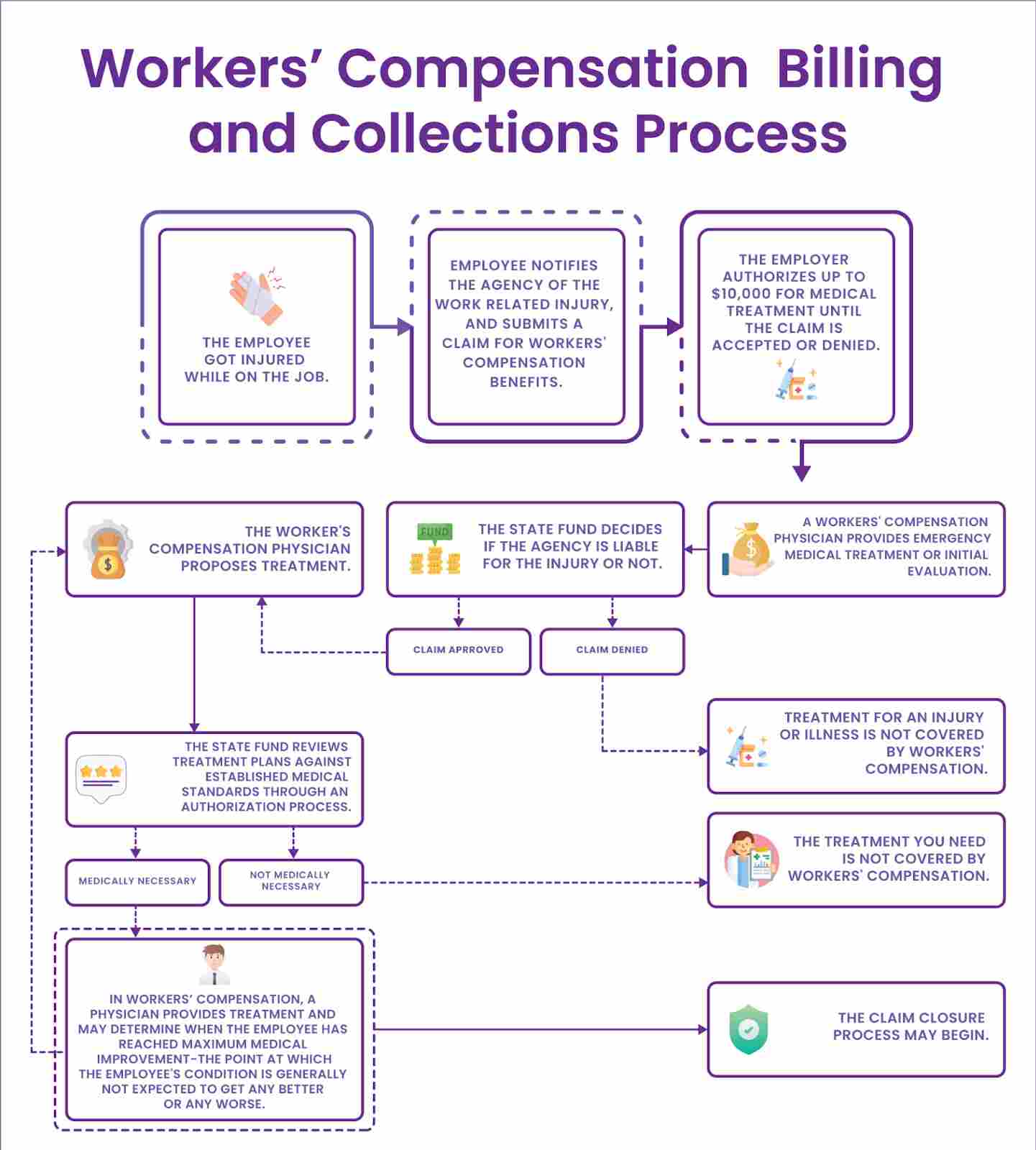
Workers' compensation is a "no-fault" system. If a domestic employee slips on a wet floor or develops a repetitive strain injury while cleaning, contingent workers' compensation pays out automatically for covered medical expenses. This "exclusive remedy" prevents the employee from suing the homeowner for pain and suffering in most scenarios, providing a legal shield for the policyholder's personal assets.
The Gap Contingent Coverage Fills
The "contingent" aspect specifically addresses the ambiguity of modern labor. If a worker is deemed an "independent contractor" by you but an "employee" by the state, you could be left with a massive uninsured gap. Contingent coverage ensures that if the primary expectation (that the worker is independent) fails, the homeowners policy steps in to provide the state-mandated benefits.
Statutory Requirements: The New York Model and Beyond
As of 2026, several states have refined their requirements regarding workers' compensation for residential owners. The most notable remains the "Section 57" requirement often seen in New York, which has served as a blueprint for other states.
Under these regulations, insurance carriers must provide workers' compensation coverage for any person employed in "domestic service" for a specified number of hours per week (often 40 hours, though this varies by state). Even if you don't believe you employ someone for that many hours, many policies now include contingent language to account for "casual" labor that might inadvertently cross the legal threshold into "employment."
Why 2026 Standards Matter
Recent legal precedents in 2024 and 2025 have expanded the definition of "domestic worker" to include part-time tutors, home-care nurses, and even long-term pet sitters. If these individuals are injured and do not have their own workers' comp, and you are found to be their "de facto" employer, the financial penalties for not having coverage can include:
- Direct payment of all medical bills (uncapped).
- Weekly disability payments for the duration of the injury.
- Fines from the state's Workers' Compensation Board for non-compliance.
- Legal fees to defend against personal injury lawsuits.
Who Qualifies as a Domestic Employee?
Determining who is covered under the contingent workers' compensation portion of your homeowners policy requires looking at the nature of the relationship. In 2026, the "Right to Control" test remains the standard used by most courts and insurers to determine employment status.
Criteria for Employment Status
If you provide the tools (mops, lawnmowers, cleaning supplies), set the specific hours of work, and direct exactly how the tasks are performed, the individual is likely an employee, not an independent contractor. Common examples include:
- Nannies and Au Pairs: Almost always classified as employees.
- Housekeepers: If they work for you exclusively or on a set schedule you control.
- Home Health Aides: Unless provided through an agency that carries its own insurance.
- Private Chefs or Tutors: If they work regularly in your home.
The Independent Contractor Distinction
Conversely, a professional roofing company or a "Molly Maid" style cleaning service usually provides their own insurance. They bring their own equipment, manage their own staff, and offer services to the general public. In these cases, your contingent coverage would likely stay in the background, only activating if the contractor's own insurance is found to be fraudulent or lapsed—hence the "contingent" nature.
Comparison: Liability vs. Contingent Workers' Compensation
| Feature | Personal Liability (Section II) | Contingent Workers' Comp |
|---|---|---|
| Fault Requirement | Must prove homeowner negligence. | No-fault; injury during work is enough. |
| Primary Beneficiary | Guests, neighbors, third parties. | Domestic employees/residence staff. |
| Medical Coverage | Limited by "Medical Payments" cap (e.g., $5,000). | Unlimited for necessary medical care. |
| Lost Wages | Only if won through a lawsuit. | Statutory percentage of weekly pay. |
| Legal Shield | Defends you in court. | Acts as "exclusive remedy" (prevents lawsuits). |
| Cost | Included in base premium. | Often a small additional fee or endorsement. |
Underwriting and Policy Endorsements in 2026
When reviewing your policy in 2026, you should look for specific forms like the HO 04 21 (a common code for residential employee coverage) or state-specific variants. Insurers have become more rigorous in their underwriting questions due to the increased frequency of "nanny tax" audits and labor claims.
Disclosure Requirements
Homeowners are often asked to disclose the number of residence employees. Failing to accurately report a full-time live-in employee could result in a denial of a contingent claim. However, for "casual laborers" (those working fewer than the statutory hours), the contingent coverage is often designed to provide a "safety net" without requiring the homeowner to name each individual worker on the declarations page.
Premium Considerations
The cost of adding contingent workers' compensation is relatively low compared to the risk. In most states, it adds between $50 and $200 annually to a homeowners premium. Considering that a single back injury for a domestic worker can result in hundreds of thousands of dollars in medical costs and rehabilitation, this endorsement represents one of the most cost-effective risk transfers available to property owners.
Common Exclusions and Limitations
While contingent workers' compensation is broad, it is not a "catch-all" for every injury on your property. There are several critical exclusions that policyholders must understand to avoid being underinsured.
- Business Pursuits: If you run a business out of your home (e.g., a daycare or a consulting firm) and an employee of that business is injured, your homeowners contingent coverage will not apply. You need a commercial workers' compensation policy.
- Family Members: In many jurisdictions, immediate family members (spouses, children) are excluded from domestic employee definitions, even if you pay them for chores.
- Illegal Activities: Injuries sustained while an employee is engaged in illegal acts or is under the influence of non-prescribed controlled substances may be excluded.
- Specialized Contractors: High-risk professionals like arborists or structural engineers are expected to carry their own high-limit commercial policies; your homeowners policy will generally not cover them if they fail to maintain their own insurance.
How to Verify Coverage and Stay Compliant
To ensure you are protected, follow these steps to verify your contingent workers' compensation status:
Step 1: Review the "Definitions" Section
Look for the definition of "Residence Employee" in your policy booklet. This will outline exactly who the insurer considers eligible for workers' compensation benefits under the policy.
Step 2: Check Your Declarations Page
Look for an endorsement titled "Workers Compensation for Residence Employees" or similar. If you live in a state like New York, California, or New Jersey, this may be listed as a mandatory statutory requirement.
Step 3: Request Certificates of Insurance
Whenever you hire a contractor for major work (remodeling, tree removal), always ask for a Certificate of Insurance (COI). Verify that they have "Workers Compensation" listed with an active policy number. Your contingent coverage is your secondary line of defense; their primary insurance should be your first concern.
Step 4: Consult with an Agent Annually
As labor laws change (as they frequently have leading up to 2026), your status as an "employer" might change. If you have recently hired a regular nanny or a senior care provider, notify your agent immediately to ensure the contingent limits are sufficient for your state’s current mandates.
Frequently Asked Questions
Does contingent workers' comp cover a neighbor helping with a project? Generally, no. A neighbor is usually considered a "guest" or "licensee." If they are injured, their medical costs would fall under your policy’s Medical Payments to Others or Personal Liability sections, provided you were negligent. Workers' comp specifically requires an employment relationship (exchange of money for service).
What happens if I don't have this coverage and a worker gets hurt? You could be held personally liable for the worker's medical bills and lost wages for the rest of their life. Additionally, state labor boards can levy significant fines—sometimes hundreds of dollars per day—for failing to provide mandated workers' compensation coverage.
Is there a difference between "Residence Employee" coverage and "Contingent" coverage? "Residence Employee" coverage is the broad category. "Contingent" specifically refers to the policy's ability to act as a fallback when you don't have a standalone commercial policy but the law deems you an employer. They are often used interchangeably in casual conversation but have specific legal triggers.
Does this cover my nanny if she is in a car accident while driving my kids? If the nanny is acting within the scope of her employment (driving your children), her medical injuries would typically be covered by the workers' compensation portion of your policy. However, the damage to the vehicle and third-party liability would fall under your auto insurance policy.
What is the "Exclusive Remedy" rule? This is a legal principle stating that if a worker is covered by workers' compensation, they generally cannot sue you for negligence. They get guaranteed benefits (medical/wages), and in exchange, you get immunity from large personal injury lawsuits.
Recommendation for Homeowners
For any homeowner in 2026, the risk of being classified as an "employer" is higher than ever before. We recommend that every policyholder—regardless of whether they currently employ staff—contact their insurance provider to ensure a Workers' Compensation for Residence Employees endorsement is active on their policy. The cost is negligible compared to the catastrophic financial risk of an uninsured workplace injury. If you employ someone for more than 20 hours a week, you should also consult with a tax professional to ensure you are meeting your "nanny tax" obligations, as insurance and tax compliance often go hand-in-hand during claims audits.
Image Gallery