Exploring Options in Cloud Computing Fundamentals and Cloud Security
Exploring the options in cloud computing fundamentals and cloud security involves evaluating service models like IaaS, PaaS, and SaaS alongside robust protection frameworks. By 2026, successful implementation requires balancing high-sp...
Exploring the options in cloud computing fundamentals and cloud security involves evaluating service models like IaaS, PaaS, and SaaS alongside robust protection frameworks. By 2026, successful implementation requires balancing high-speed scalability with a Zero Trust security architecture, ensuring that data integrity remains intact across hybrid, multi-cloud, and edge computing environments.
Contents
The Foundations of Cloud Computing in 2026
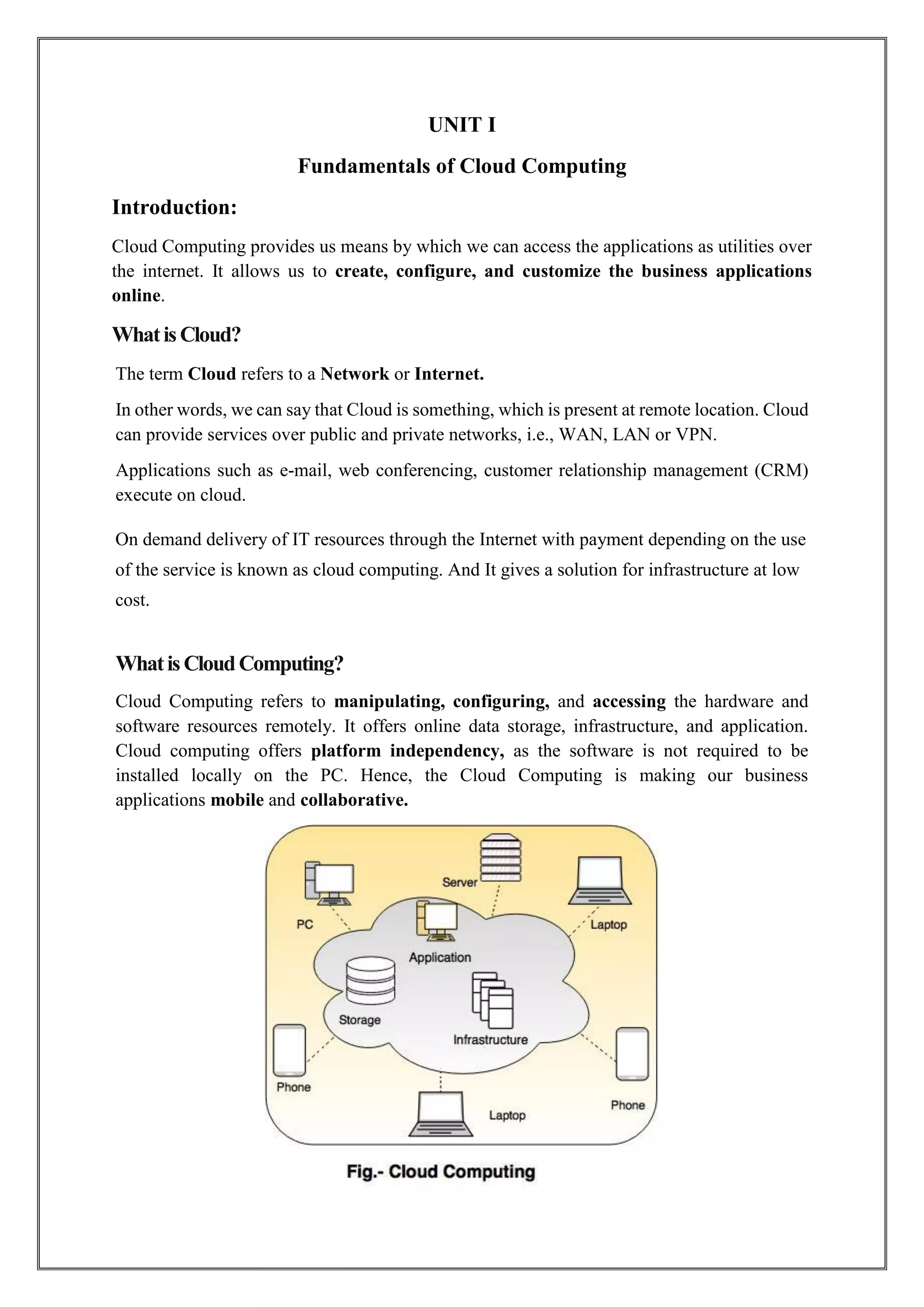
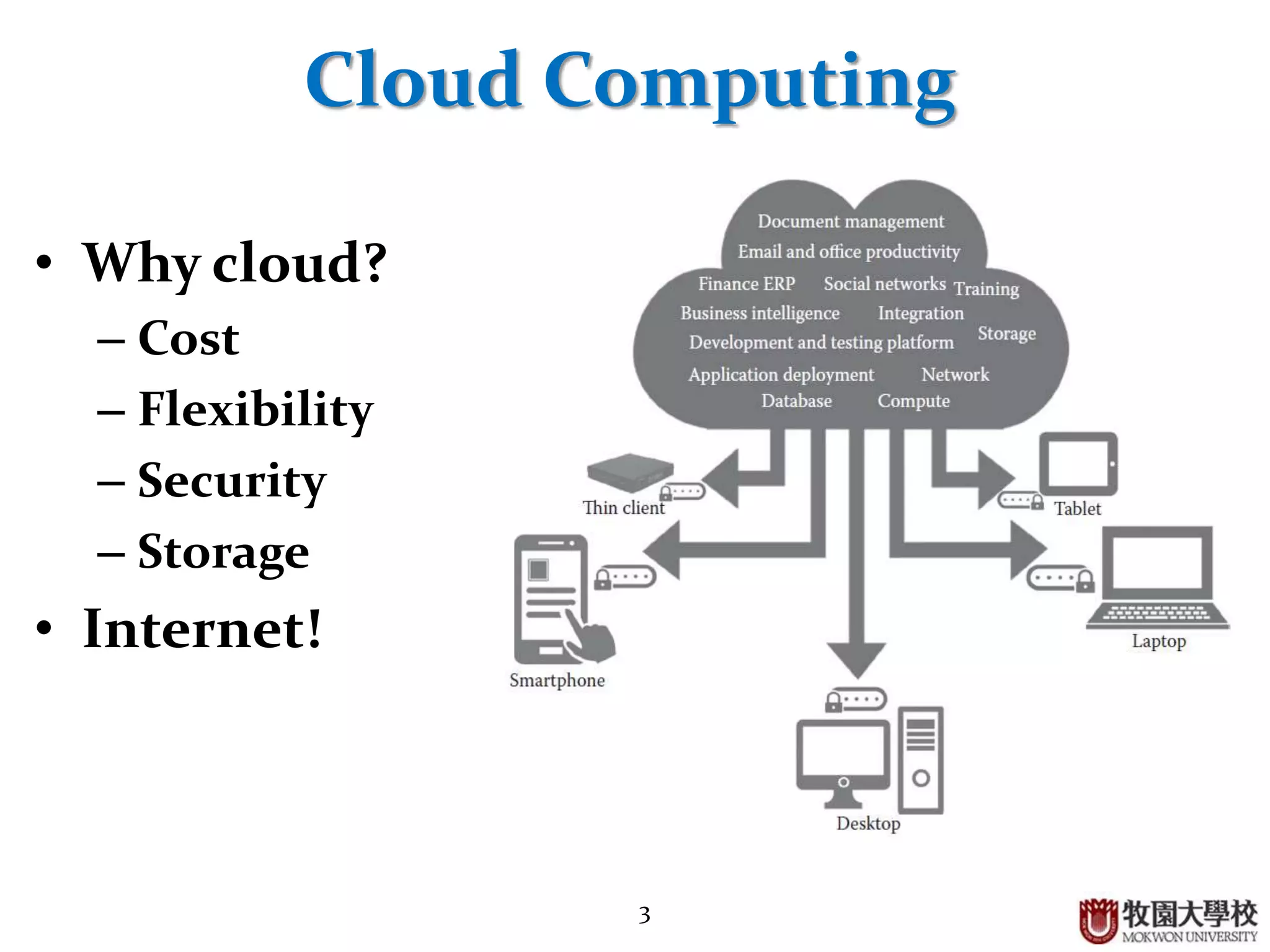
To effectively explore cloud options, one must first master the architectural pillars that define modern computing. Cloud computing is no longer merely "someone else's computer"; it is a sophisticated ecosystem of virtualized resources, automated orchestration, and on-demand delivery. As of 2026, the landscape has shifted toward a "cloud-native" first approach, where applications are designed specifically to take advantage of the cloud's inherent elasticity.
Core Service Models: IaaS, PaaS, and SaaS
Understanding the fundamental service models is the first step in determining which technical path suits an organization’s needs. These models define the level of control a user has over the underlying infrastructure.
- Infrastructure as a Service (IaaS): This provides the highest level of flexibility and management control over IT resources. It is most similar to existing IT resources that many IT departments and developers are familiar with today. In 2026, IaaS is frequently utilized for high-performance computing (HPC) and massive data lake deployments where organizations need granular control over virtual machines, networking, and storage.
- Platform as a Service (PaaS): This model removes the need for organizations to manage the underlying infrastructure (usually hardware and operating systems) and allows them to focus on the deployment and management of their applications. PaaS has become the dominant choice for developers using container orchestration tools like Kubernetes, as it simplifies the CI/CD (Continuous Integration/Continuous Deployment) pipeline.
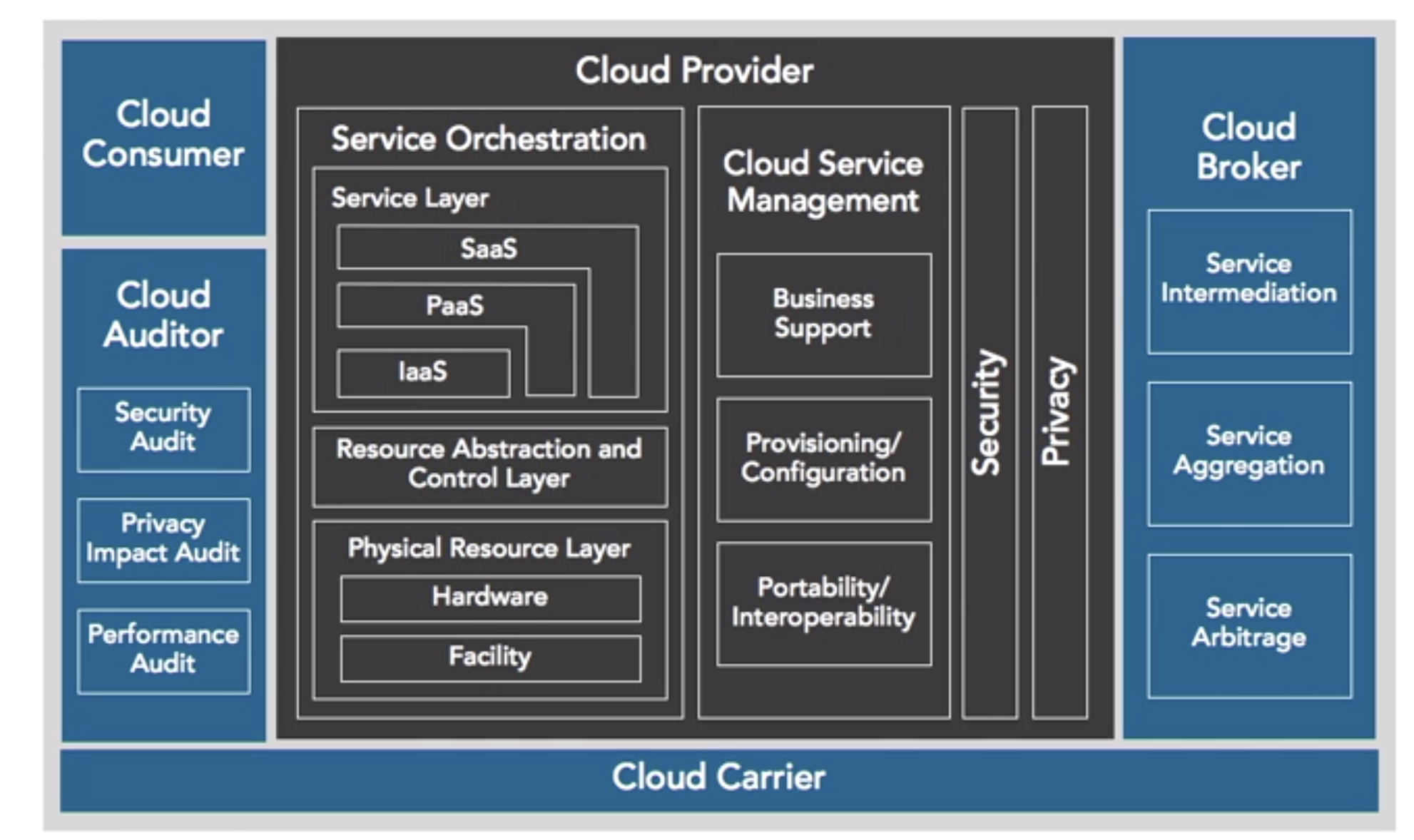
- Software as a Service (SaaS): SaaS provides a complete product that is run and managed by the service provider. For most users, this refers to end-user applications like enterprise resource planning (ERP) or customer relationship management (CRM) software. By 2026, almost all enterprise-level software has transitioned to a SaaS or micro-SaaS model.
Deployment Strategies: Public, Private, and Hybrid
The "where" of cloud computing is just as important as the "what." Options for deployment have evolved to solve specific regulatory and performance challenges.
Public Cloud services are delivered over the public internet and shared across multiple organizations. While cost-effective, they require rigorous security configurations. Private Cloud environments are dedicated solely to one organization, often used by government agencies or financial institutions that require physical isolation.
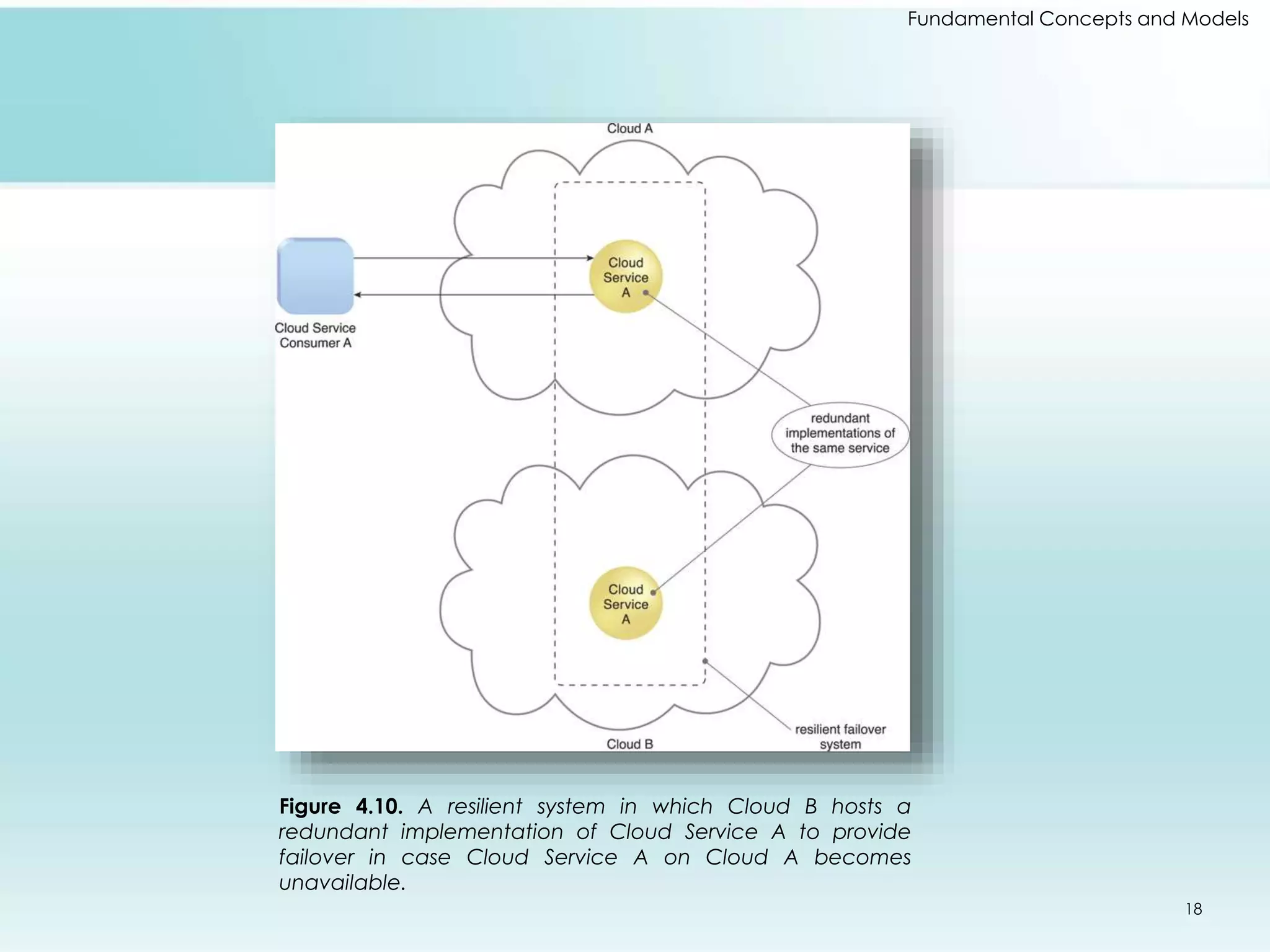
The most prevalent option in 2026 is the Hybrid Cloud, which connects an organization's on-premises private cloud and third-party public cloud into a single, flexible infrastructure. This allows "cloud bursting," where workloads move to the public cloud when demand spikes, while sensitive data stays within the private perimeter. Furthermore, Multi-cloud strategies—using multiple vendors like AWS, Azure, and Google Cloud simultaneously—are now the standard for avoiding vendor lock-in and increasing redundancy.
Navigating Cloud Security Frameworks
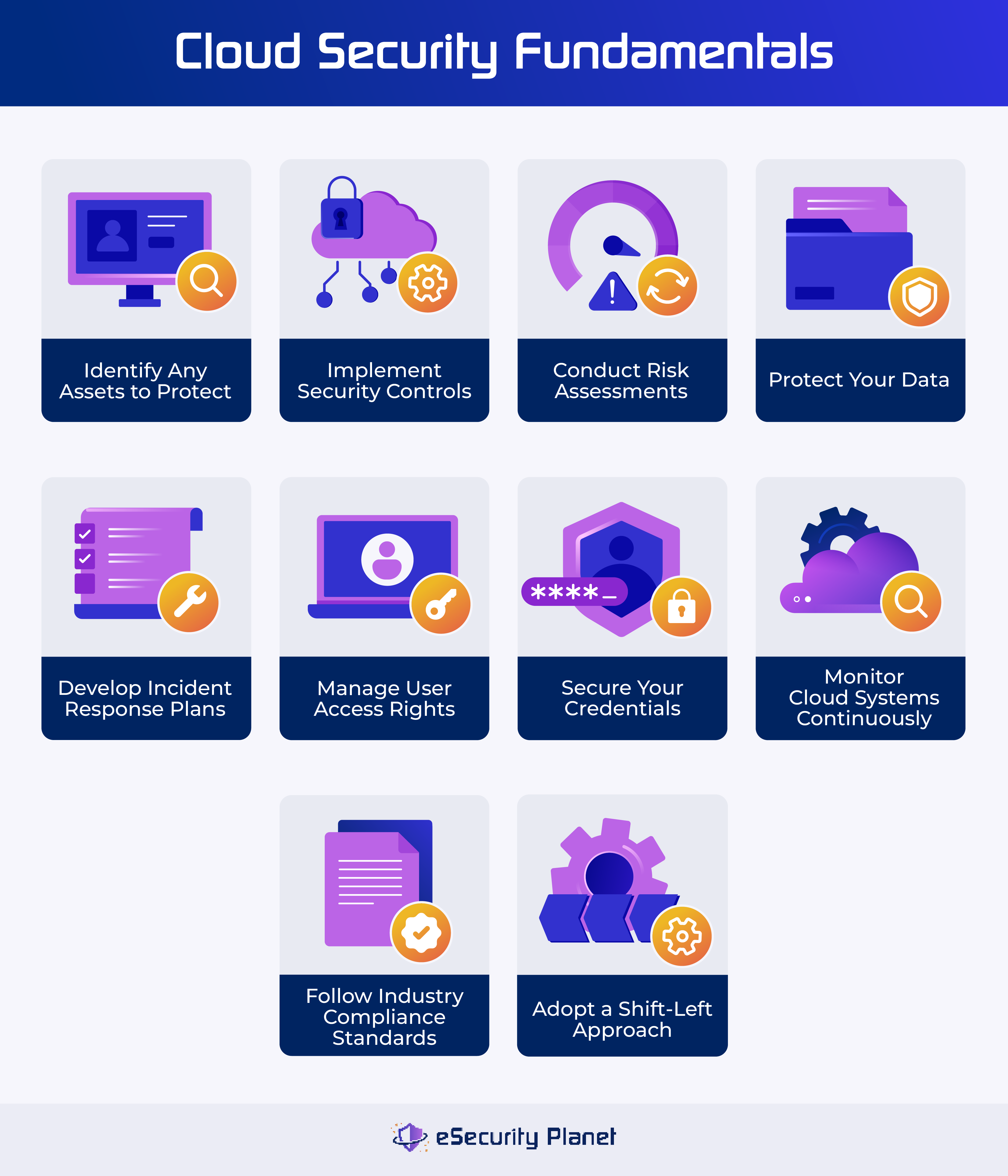
Cloud security is not a single product but a continuous discipline. As organizations move more critical assets to the cloud, the "options" for security have expanded from simple firewalls to complex, AI-driven identity and threat management systems.
The Shared Responsibility Model
The most critical concept in cloud security fundamentals is the Shared Responsibility Model. It dictates that the cloud provider (e.g., AWS, Microsoft, or Google) is responsible for the security of the cloud—protecting the physical data centers, hardware, and the virtualization layer. However, the customer is responsible for security in the cloud. This includes securing the data, managing user access (IAM), configuring firewalls, and ensuring application-level security. Failing to understand this distinction is the leading cause of data breaches in 2026.
Identity and Access Management (IAM)
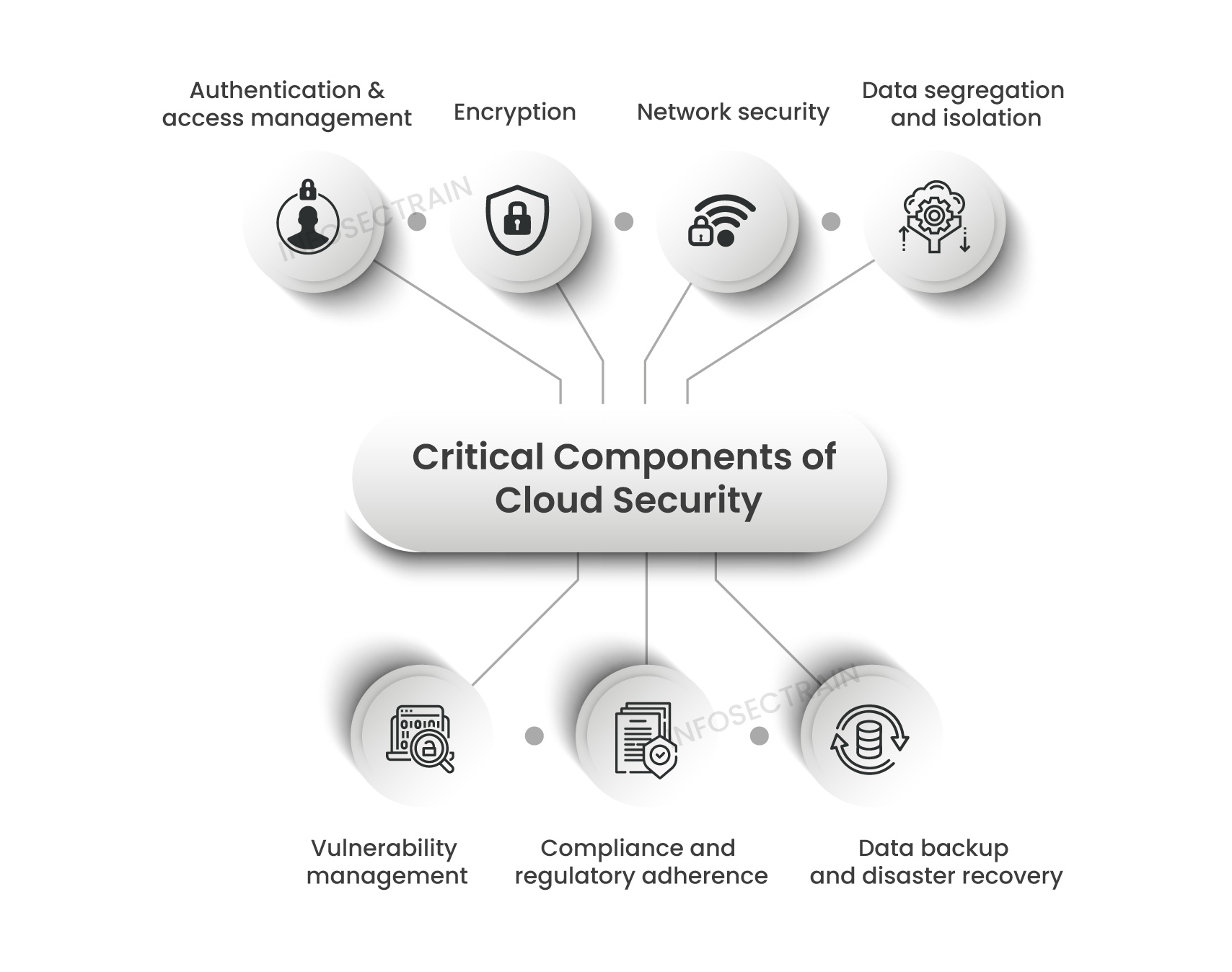
In a perimeter-less cloud environment, Identity is the new firewall. IAM options allow administrators to control who can access what resources and under what conditions. By 2026, "Least Privilege Access" is the gold standard, ensuring that users and services have only the minimum permissions necessary to perform their tasks. Modern IAM also integrates Multi-Factor Authentication (MFA) and biometric verification as non-negotiable requirements for accessing administrative consoles.
Data Encryption: At Rest and In Transit
Encryption is the final line of defense. When exploring cloud security options, organizations must evaluate how they manage encryption keys.
- Encryption at Rest: Protects data stored on disks or in databases. Options include provider-managed keys or "Bring Your Own Key" (BYOK) scenarios for higher compliance standards.
- Encryption in Transit: Ensures that data moving between the user and the cloud, or between different cloud services, is shielded using protocols like TLS 1.3.
Technical Specifications and Comparative Analysis
When choosing between cloud fundamentals and security configurations, it is helpful to compare how different deployment models handle key operational factors.
| Feature | Public Cloud | Private Cloud | Hybrid Cloud |
|---|---|---|---|
| Capital Expenditure (CAPEX) | Low (OpEx driven) | High (Initial hardware) | Moderate |
| Scalability | Near Infinite | Limited by hardware | High (Cloud bursting) |
| Security Control | Shared Responsibility | Full Control | Mixed Responsibility |
| Compliance Readiness | Provider dependent | High (Self-managed) | Flexible |
| Ease of Use | High (Managed services) | Low (Requires IT staff) | Moderate/Complex |
Advanced Security Options: Zero Trust and AI Integration
As we move through 2026, the traditional "castle and moat" security philosophy has been replaced by Zero Trust Architecture (ZTA). The core tenet of Zero Trust is "never trust, always verify." Every access request, whether it originates from inside or outside the network, must be authenticated, authorized, and encrypted.
Cloud Security Posture Management (CSPM)
For organizations managing thousands of cloud resources, manual security checks are impossible. CSPM tools are an essential option for continuously monitoring cloud environments for misconfigurations. These tools can automatically detect open S3 buckets, unencrypted databases, or overly permissive IAM roles, often remediating the issues automatically before they can be exploited.
AI-Driven Threat Detection
Cloud providers now offer native AI and machine learning tools that analyze trillions of signals to detect patterns indicative of a cyberattack. These services, such as guardrails that monitor for unusual API calls or "impossible travel" logins (e.g., a user logging in from New York and then London ten minutes later), have become foundational to cloud security in 2026.
Educational and Career Path Options
For individuals looking to specialize in these fields, the options are divided between foundational knowledge and advanced security certifications.
- Foundational Level: Certifications such as AWS Certified Cloud Practitioner or Microsoft Certified: Azure Fundamentals provide the baseline vocabulary and conceptual understanding required to navigate cloud environments.
- Security Specialization: The Certified Cloud Security Professional (CCSP) and the CompTIA Cloud+ are highly regarded in 2026 for those focusing on the intersection of cybersecurity and distributed systems. These programs cover legal, risk, and compliance issues alongside technical implementation.
Common Pitfalls in Cloud Migration
While exploring options, it is easy to overlook the complexities of "lift and shift" migrations. Simply moving an old application from a local server to a cloud virtual machine often results in higher costs and lower performance. To truly benefit from cloud fundamentals, applications should be refactored to use serverless functions or microservices.
Another frequent mistake is "shadow IT," where departments spin up cloud instances without the knowledge of the central IT or security teams. This creates unmanaged security gaps and leads to "bill shock" when the monthly usage invoice arrives. Centralized governance and automated tagging of resources are the primary solutions to these challenges.
FAQ
What is the most secure cloud deployment model?
The Private Cloud is often considered the most secure because it offers physical isolation and full control over the stack. However, for most organizations, a properly configured Public Cloud using Zero Trust principles is more than sufficient and often more resilient due to the provider's massive investment in security infrastructure.
How does the Shared Responsibility Model apply to SaaS?
In a SaaS model (like Microsoft 365 or Salesforce), the provider handles almost everything, including the application and underlying infrastructure. However, the user is still responsible for the data they put into the system and managing who has access to that data.
Is cloud computing cheaper than on-premises hosting?
Not always. While cloud computing reduces upfront capital costs (CAPEX), the ongoing operational costs (OpEx) can exceed on-premises costs if resources are not managed efficiently. The value of the cloud lies in its agility and scalability rather than just pure cost reduction.
What are the primary threats to cloud security in 2026?
The primary threats include sophisticated phishing attacks targeting cloud credentials, misconfigured cloud storage, and vulnerabilities in third-party APIs. Supply chain attacks, where a vulnerability in a small cloud service impacts thousands of downstream customers, are also a major concern.
Can I run a hybrid cloud without specialized hardware?
Yes. Many providers offer software-defined networking (SDN) and specialized tools (like AWS Outposts or Azure Stack) that allow you to run cloud services on your existing local hardware, creating a seamless hybrid environment.
Practical Recommendations
To successfully navigate the options in cloud computing and security, start by conducting a Cloud Readiness Assessment. Determine which workloads are "cloud-ready" and which require refactoring. If you are a small to medium enterprise, prioritize SaaS for non-core business functions and PaaS for custom application development to minimize management overhead.
Regarding security, implement Multi-Factor Authentication (MFA) across every single cloud account immediately. Explore Cloud Security Posture Management (CSPM) tools early in your journey to ensure that as your cloud footprint grows, your security vulnerabilities do not grow with it. Finally, invest in continuous training for your staff, as the technical specifications of cloud services in 2026 evolve faster than traditional IT hardware cycles.
Image Gallery