We Own This City: The Definitive Guide to the Wayne Jenkins Show
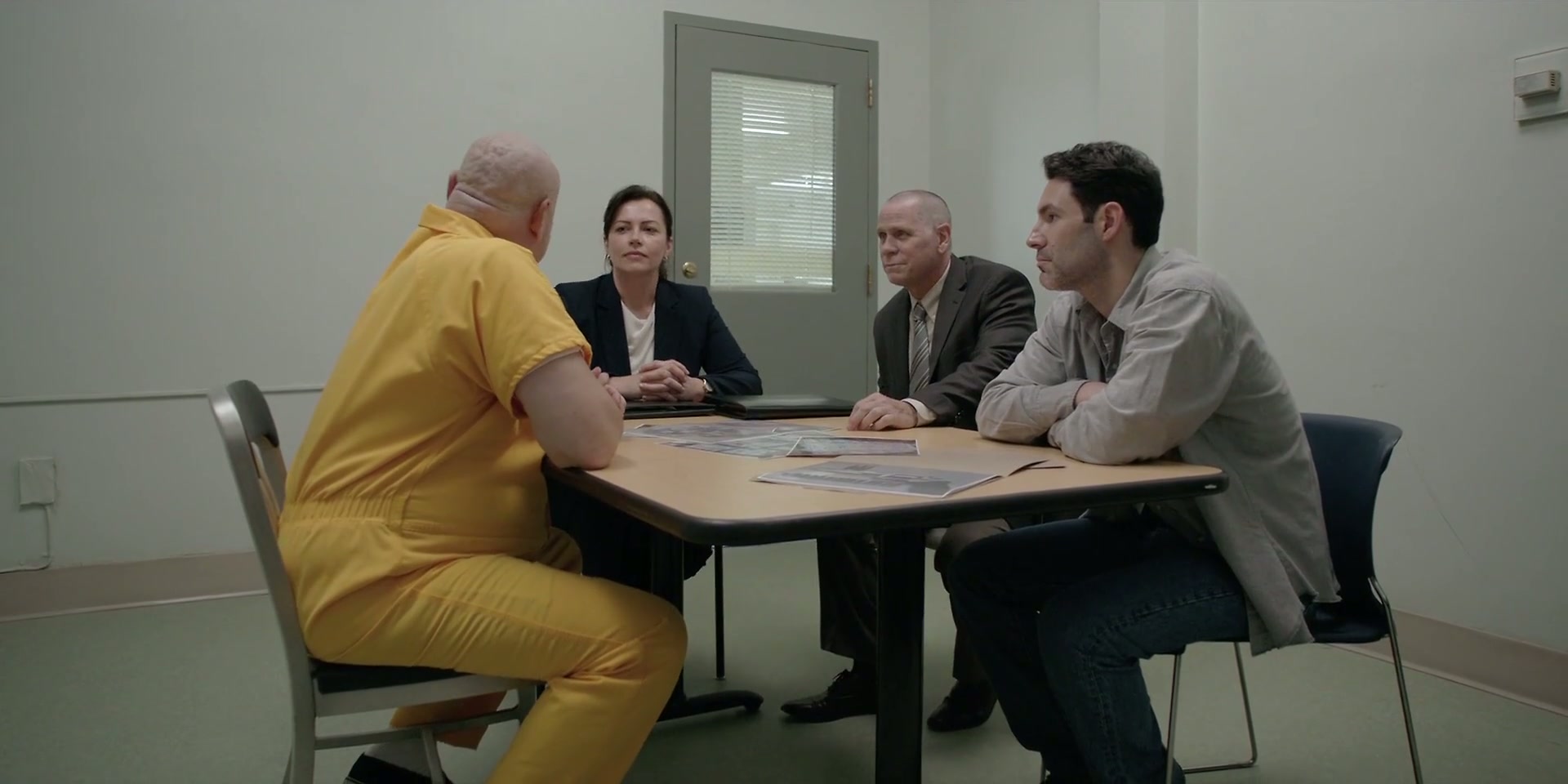
The "Wayne Jenkins show" most commonly refers to the 2022 HBO limited series We Own This City, which dramatizes the rise and fall of the Baltimore Police Department’s Gun Trace Task Force (GTTF). Centered on Sergeant Wayne Jenkins, the...
The "Wayne Jenkins show" most commonly refers to the 2022 HBO limited series We Own This City, which dramatizes the rise and fall of the Baltimore Police Department’s Gun Trace Task Force (GTTF). Centered on Sergeant Wayne Jenkins, the series is available to stream on Max and explores systemic corruption within law enforcement.
Contents
Developed by George Pelecanos and David Simon—the creative minds behind The Wire—We Own This City is a six-episode powerhouse that serves as a spiritual successor to their previous work, though it is strictly based on non-fiction reporting. While the series is the most prominent media portrayal of Wayne Jenkins, the "show" also encompasses the broader media landscape surrounding him, including the documentary The Slow Hustle and various investigative podcasts that have emerged since his 2017 arrest.
The Identity and Creative Vision of We Own This City
To understand the "Wayne Jenkins show," one must first look at its source material and creative pedigree. The series is based on the book We Own This City: A True Story of Crime, Cops, and Corruption in an American City by investigative reporter Justin Fenton. Fenton covered the Baltimore Police Department (BPD) for years, and his documentation of the GTTF scandal provided the granular detail necessary for a high-fidelity television adaptation.
The show is not a traditional police procedural. Instead, it utilizes a non-linear narrative structure to illustrate how Sergeant Wayne Jenkins transitioned from an eager, somewhat misguided rookie into the leader of a criminal enterprise operating within the police department. By jumping between the early 2000s and the 2017 federal investigation, the series demonstrates that Jenkins’ corruption was not an isolated incident but rather the result of a system that prioritized "numbers"—arrests and gun seizures—over constitutional policing and community safety.
For viewers in 2026, the series remains a cornerstone of the "prestige TV" era, often cited alongside The Wire as essential viewing for those interested in the complexities of the American legal system and urban governance.
Jon Bernthal’s Portrayal of Wayne Jenkins
The central pillar of the show is Jon Bernthal’s performance as Wayne Jenkins. Bernthal portrays Jenkins as a man possessed by a manic, almost performative energy. He captures the specific "Baltimore cop" cadence and the terrifying charisma that allowed Jenkins to manipulate both his subordinates and his superiors.
In the show, Jenkins is depicted as a "superstar" officer who was celebrated for his high volume of arrests. Bernthal’s performance highlights the cognitive dissonance of a man who believed he was a hero while simultaneously stealing hundreds of thousands of dollars, planting evidence, and distributing seized drugs back onto the streets. The portrayal avoids making Jenkins a cartoonish villain; instead, it shows him as a product of a culture that incentivized aggressive policing and looked the other way as long as the stats were high.
Historical Context: The Real-Life Gun Trace Task Force Scandal
To fully grasp the "Wayne Jenkins show," it is necessary to separate the dramatization from the historical facts of the Gun Trace Task Force (GTTF) scandal. The GTTF was a specialized unit within the BPD intended to track down illegal firearms. However, under Jenkins' leadership, it became a racketeering enterprise.
The federal investigation, led by the FBI and the U.S. Attorney’s Office for the District of Maryland, revealed that Jenkins and his crew were involved in:
- Robbery: Breaking into homes and stealing cash, often totaling tens of thousands of dollars per incident.
- Narcotics Distribution: Seizing drugs from dealers and then giving them to "associates" to sell back on the street.
- Overtime Fraud: Billing the city for thousands of hours of work that were never performed.
- Evidence Planting: Keeping "burn bags" in their vehicles containing BB guns and drugs to plant on suspects if a chase or arrest went wrong.
Wayne Jenkins was eventually indicted in March 2017. He pleaded guilty to multiple federal charges, including racketeering, robbery, and destruction of evidence. In June 2018, he was sentenced to 25 years in federal prison. As of 2026, he remains incarcerated, with several of his co-defendants having already completed their shorter sentences. The Department of Justice’s official indictment remains the primary public record of these crimes.
Where to Watch the Show in 2026
As of 2026, the primary platform for viewing the Wayne Jenkins story is Max (formerly HBO Max). The service continues to host the entire limited series, along with behind-the-scenes features and interviews with the creators.
Subscription and Access Details
For viewers looking to access the show today, Max offers several tiers. The pricing and availability are consistent with 2026 market standards:
| Platform / Method | Access Type | Estimated Cost (2026) | Notes |
|---|---|---|---|
| Max (Ad-Lite) | Subscription | $9.99 / month | Includes commercials; 1080p quality. |
| Max (Ad-Free) | Subscription | $16.99 / month | No commercials; 4K UHD available on select titles. |
| Amazon Prime Video | Digital Purchase | $19.99 (Full Season) | Allows for permanent ownership without subscription. |
| Apple TV / iTunes | Digital Purchase | $19.99 (Full Season) | High-bitrate 4K streaming for purchased content. |
| Physical Media | Blu-ray / DVD | $24.99 - $29.99 | Includes commentary tracks and "The Slow Hustle" tie-ins. |
In international markets, the show is typically found on platforms with HBO licensing agreements, such as Sky Atlantic and NOW in the United Kingdom, and Binge or Foxtel in Australia.
Comparing the Show, the Book, and the Documentary
While the HBO series is the most famous iteration of this story, it is part of a larger ecosystem of media. For a comprehensive understanding, many viewers engage with all three primary sources.
| Feature | We Own This City (HBO Series) | We Own This City (Fenton’s Book) | The Slow Hustle (Documentary) |
|---|---|---|---|
| Format | Scripted Drama (6 Episodes) | Non-fiction Investigative Prose | Feature Documentary |
| Primary Focus | Wayne Jenkins & GTTF internal dynamics | Exhaustive timeline of BPD corruption | The mysterious death of Detective Sean Suiter |
| Technical Depth | High (Visual/Narrative) | Maximum (Data/Legal filings) | Moderate (Case-specific) |
| Perspective | Multiple (Cops, Lawyers, Victims) | Journalistic / Objective | Investigative / Skeptical |
| Key Strength | Emotional impact and performances | Verifiable facts and deep history | Connection to broader BPD mysteries |
The Slow Hustle, directed by Sonja Sohn (who played Kima Greggs in The Wire), is a vital companion piece. It focuses specifically on the 2017 death of Detective Sean Suiter, who was scheduled to testify before a grand jury regarding the GTTF just one day after he was shot with his own service weapon. The documentary explores the theories that Jenkins or his associates may have been involved, though no charges were ever filed in that specific matter.
Fact vs. Fiction: Accuracy of the Portrayal
One of the most frequent questions regarding the "Wayne Jenkins show" is how much of the drama is true. Because Simon and Pelecanos prioritize "the Dickensian aspect" of reality, the show is remarkably accurate.
- The "G-Money" Nickname: In the show, Jenkins refers to himself and his crew with various nicknames and maintains a high-octane persona. This is backed by wiretap evidence and testimony from his fellow officers.
- The Woods Incidents: The show depicts Jenkins taking his men into the woods to practice tactical maneuvers or to intimidate people. This was verified by co-defendants during the trial.
- The 2010 Car Chase: The series portrays a 2010 incident where Jenkins engaged in a high-speed chase that resulted in a fatal crash. This was a real event, and Jenkins was later found to have planted drugs in the vehicle of the victims to justify the pursuit.
- The Wardrobe: The show’s costume department meticulously recreated the tactical vests and "civilian" clothes worn by the GTTF to blend in on the streets, which contributed to their ability to surprise and rob targets.
While some minor characters are composite figures to streamline the narrative, the core events involving Jenkins, Momodu Gondo, Evodio Hendrix, and Jemell Rayam are pulled directly from federal court transcripts.
Practical Recommendations for Viewers
If you are approaching the "Wayne Jenkins show" for the first time in 2026, the following steps are recommended for the best experience:
- Watch the HBO Series First: Start with We Own This City on Max. Its narrative structure provides the emotional and systemic context needed to understand the gravity of the crimes.
- Read the Book for Granularity: After watching, read Justin Fenton’s book. It clarifies the timelines that can sometimes be confusing in the show's non-linear format.
- Follow the Legal Fallout: Research the 2026 status of the Baltimore Police Department’s consent decree. The GTTF scandal was a major catalyst for federal oversight of the department, which continues to impact how the city is policed today.
- Listen to "The Real Killer" or Investigative Podcasts: Several podcast series have interviewed former BPD officers and victims of the GTTF, offering a more personal perspective on the lives destroyed by Jenkins’ actions.
Frequently Asked Questions
Is Wayne Jenkins still in prison in 2026?
Yes. Wayne Jenkins was sentenced to 25 years in federal prison in June 2018. Given federal truth-in-sentencing laws, which require inmates to serve at least 85% of their time, he is not expected to be eligible for release until approximately 2038 or 2039, depending on credits for good behavior.
Is We Own This City a sequel to The Wire?
No. While it shares many of the same creators, actors, and the Baltimore setting, We Own This City is a standalone limited series based on true events. The Wire was a fictionalized composite of many different stories, whereas the "Wayne Jenkins show" is a dramatization of a specific, documented federal case.
Why is it called "The Wayne Jenkins Show" by some fans?
While the official title is We Own This City, fans often refer to it as the "Wayne Jenkins show" because of Jon Bernthal’s dominant, central performance. The narrative is so tightly tethered to Jenkins' perspective and his specific brand of corruption that he becomes the sun around which all other characters orbit.
Did Wayne Jenkins actually steal drugs?
Yes. According to federal prosecutors and his own guilty plea, Jenkins regularly intercepted large quantities of cocaine, heroin, and pharmaceutical opioids. Instead of booking them into evidence, he would provide them to a former associate to be sold, splitting the profits.
Can I watch the show without having seen The Wire?
Absolutely. The show stands entirely on its own. While fans of The Wire will recognize familiar faces and themes, no prior knowledge of the older series is required to understand the plot or the historical significance of the GTTF scandal.
Image Gallery