The First Ever QR Code Explained: Origins, Technology, and Evolution
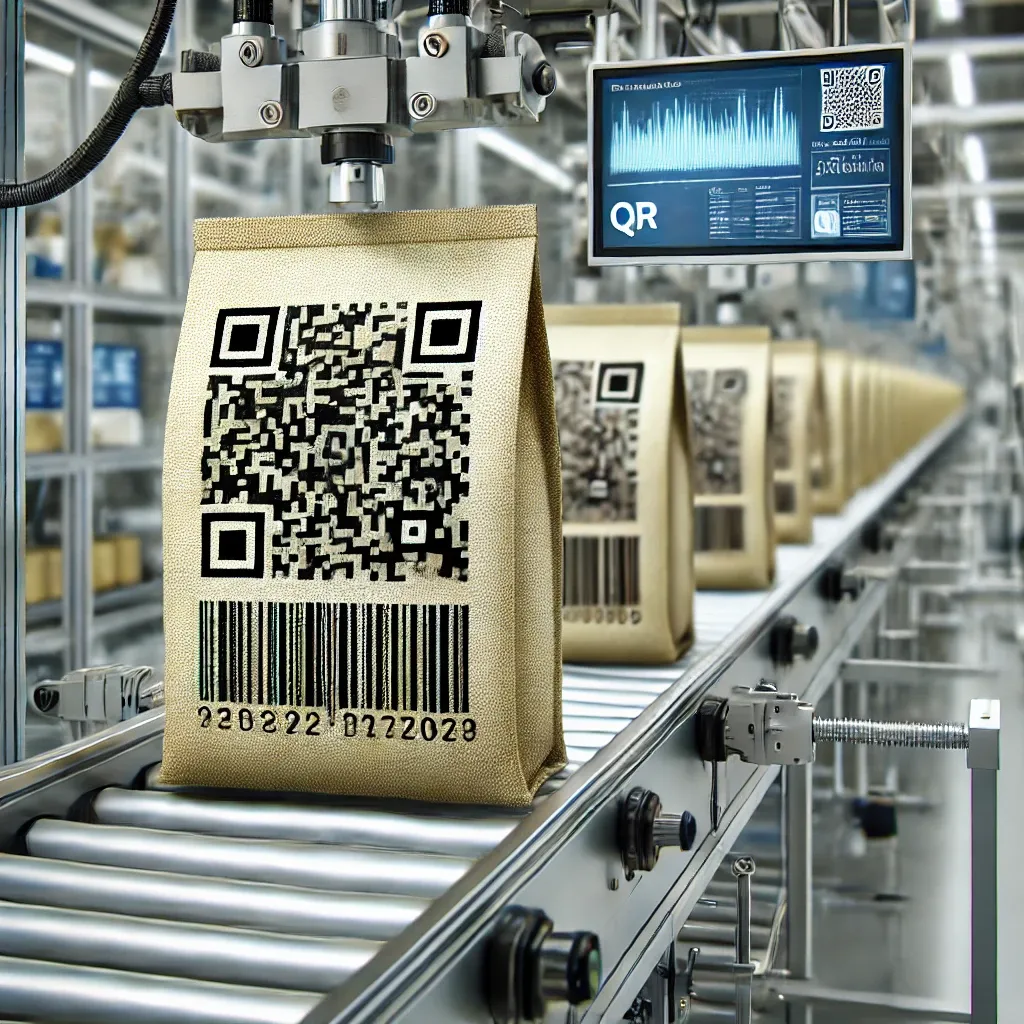
Invented in 1994 by Masahiro Hara and his team at Denso Wave, the first ever QR code was a two-dimensional matrix barcode originally designed to track automotive parts efficiently along assembly lines. Unlike traditional one-dimensiona...
Invented in 1994 by Masahiro Hara and his team at Denso Wave, the first ever QR code was a two-dimensional matrix barcode originally designed to track automotive parts efficiently along assembly lines. Unlike traditional one-dimensional barcodes that could only hold a small string of alphanumeric data in a single direction, this revolutionary matrix code was engineered to store hundreds of times more information, withstand damage, and be scanned at high speeds from any angle.
Contents
The Industrial Genesis: Why Traditional Barcodes Fell Short
In the early 1990s, Japanese manufacturing was experiencing a massive boom, driven largely by the automotive industry. Factories operated complex supply chains requiring thousands of distinct parts to be tracked with absolute precision. Traditional one-dimensional (1D) barcodes—those familiar linear stripes found on nearly every consumer product—were the industry standard for inventory management at the time. However, these linear codes suffered from severe operational limitations that began to bottleneck high-speed production environments.
A standard 1D barcode can only store data horizontally, typically maxing out around 20 characters of information. This capacity was often just enough to hold a basic serial number or a product SKU. If a factory worker needed to encode more detailed information—such as a batch number, destination, assembly instructions, or component specifications—the barcode would have to be physically larger, or multiple barcodes had to be printed side by side. This requirement created significant friction on busy assembly lines where scanning speed and space on small components were at a premium.
Furthermore, 1D barcodes were notoriously fragile in industrial settings. If a linear barcode sustained a smudge, a scratch, or a tear running vertically across the stripes, the laser scanner could no longer read the reflection properly, resulting in scanning errors and costly production halts. Recognizing these mounting inefficiencies, Denso Corporation (a major supplier of automotive components to Toyota) tasked a small research and development team, led by engineer Masahiro Hara, with inventing a superior tracking symbol that could hold vastly more data and endure harsh factory floor conditions.
Masahiro Hara and the Engineering Breakthrough of 2D Matrix Codes
Tasked with creating a code that could hold dozens of times more information than conventional barcodes, Masahiro Hara spent over a year researching ways to encode data in both vertical and horizontal directions simultaneously. The breakthrough came to him while playing a game of Go during his lunch break. He noticed how the black and white stones were arranged on the grid, realizing that positioning markers could be placed in the corners of a square grid to allow a scanner to determine the orientation and coordinates of the code instantly, regardless of the angle from which it was viewed.
This insight led to the creation of the Quick Response (QR) code system, officially introduced by Denso Wave in 1994. The engineering specifications of this first-ever code were revolutionary for their time:
- Data Capacity: Capable of holding up to 7,089 numeric characters or 4,296 alphanumeric characters, alongside binary and Japanese Kanji character support.
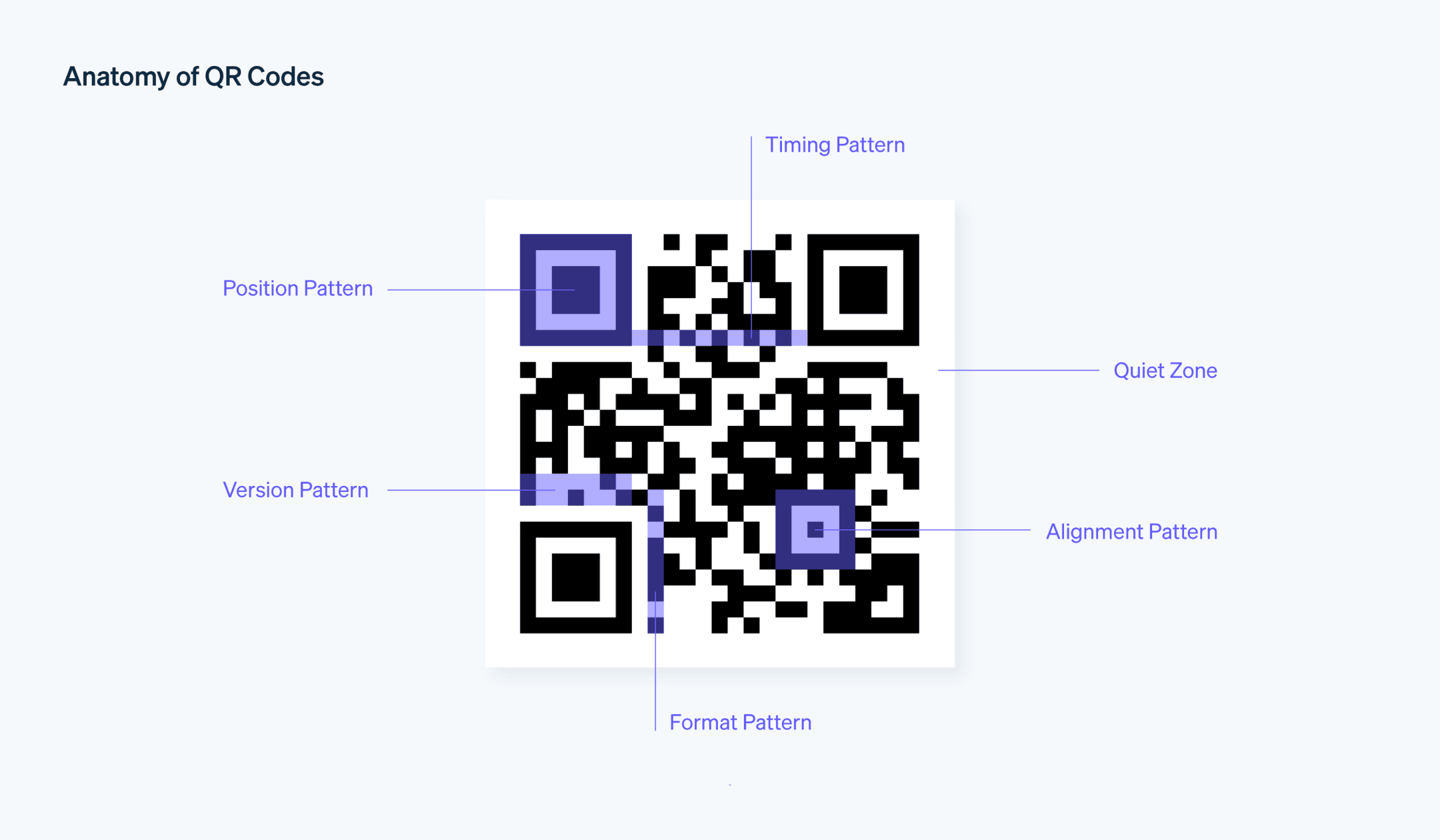
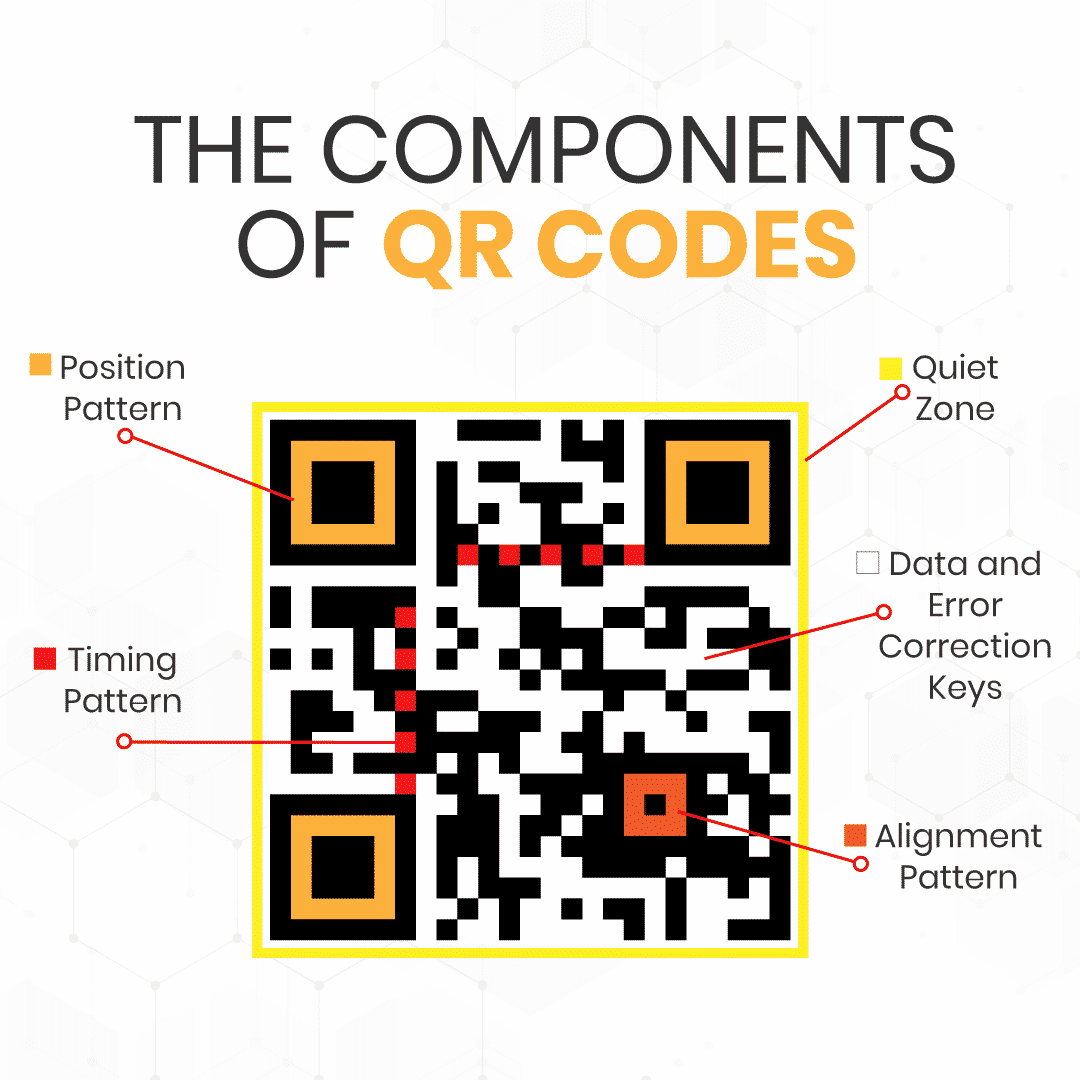
- Omni-Directional Scanning: Enabled by the distinct square alignment patterns found in three of the four corners, allowing scanners to read the symbol 360 degrees instantaneously.
- Error Correction: Integrated Reed-Solomon error correction algorithms, allowing the code to be read accurately even if up to 30% of the symbol was dirtied, damaged, or obscured.
Despite its technical brilliance, Denso Wave made a monumental decision that would shape the future of technology: they chose not to exercise their patent rights for the QR code technology. Instead, they made the specification public while keeping the name "QR Code" as a registered trademark. This open-access philosophy allowed manufacturers, software developers, and eventually global industries to adopt and implement the technology without licensing fees, paving the way for its eventual explosion into the consumer market.
| Feature / Metric | Traditional 1D Barcode | The First QR Code (1994) |
|---|---|---|
| Data Direction | One-dimensional (Horizontal only) | Two-dimensional (Horizontal and Vertical) |
| Maximum Capacity | Approx. 20 characters (alphanumeric) | Up to 7,089 numeric / 4,296 alphanumeric characters |
| Damage Resilience | Low; horizontal scratches break readability | High; up to 30% structural damage recovery via error correction |
| Scanning Angle | Strict horizontal alignment required | Omni-directional (Readable from any 360-degree angle) |
| Primary Original Use | Retail checkout and basic item identification | Automotive parts tracking and factory automation |
From Factory Floors to Global Consumer Phenomenon
For the first decade of its existence, the QR code remained largely confined to industrial supply chains, logistics warehouses, and manufacturing plants. Consumers rarely, if ever, encountered them. However, as mobile phone technology advanced in the late 2000s—specifically with the introduction of smartphones equipped with high-resolution digital cameras and powerful microprocessors—the utility of the QR code shifted dramatically from B2B logistics to consumer-facing marketing and interaction.
Japan was the earliest adopter of consumer QR codes. In the early 2000s, Japanese mobile phones (known as galapagos keitai) began shipping with built-in cameras capable of reading QR codes out of the box. Marketers quickly realized that printing a QR code on a magazine advertisement, a billboard, or a business card allowed users to instantly visit a website, download software, or save contact information without the tedious process of typing a URL into a mobile browser.
The global adoption wave followed a few years later, catalyzed by three major milestones:
- App Store Ecosystems: The launch of Apple's App Store and Google's Android Market made third-party scanning applications universally accessible to global smartphone owners.
- Standardized Native Camera Support: By 2017 and 2018, both Apple and Google integrated native QR code scanning directly into the default camera applications of iOS and Android, eliminating the need to download specialized third-party apps.
- The Global Health Mandate: During the early 2020s, public health protocols, digital menus, contactless payment systems, and event ticketing pushed QR codes into ubiquitous, everyday usage across nearly every demographic worldwide.
Common Misconceptions Regarding the First QR Code
As QR codes have become deeply embedded in daily life, several myths and historical misconceptions have emerged regarding their invention, functionality, and security. Understanding the technical reality helps clarify what these codes actually are and how they operate.
A widespread misconception is that Masahiro Hara invented the QR code for marketing or payment purposes. In reality, marketing campaigns and digital payments were the furthest things from the minds of the Denso Wave engineering team in 1994. Their sole mandate was solving bottlenecks in automotive assembly plants where workers were forced to scan multiple 1D barcodes on a single part. Marketing utility was merely an emergent property of open standards and better hardware.
Another common misunderstanding involves security and malware. Many users believe that a QR code itself can inherently contain a computer virus or malicious software. Technologically, a QR code is nothing more than a static graphical representation of text, a URL, or binary data. It cannot execute code on its own. However, a QR code can direct a user's browser to a malicious web site or initiate an unwanted action (such as drafting an SMS or connecting to an unencrypted network) if scanned blindly. Therefore, the vulnerability lies not in the code itself, but in the destination it links to—a practice security experts refer to as "quishing" (QR code phishing).
Frequently Asked Questions
Can the original 1994 QR code still be scanned by modern smartphones?
Yes. The foundational matrix architecture established by Denso Wave in 1994 remains fully backward-compatible with modern decoding software. Any contemporary smartphone camera can instantly read and decode a first-generation QR code because the core geometric rules, alignment markers, and encoding standards have not changed.
Why is it called a "Quick Response" code?
The name reflects the primary objective of its creators: enabling high-speed data reading. Traditional 1D barcodes required precise laser alignment and slow scanning motions. The multi-directional matrix design of the QR code allowed industrial scanners to capture and process information at significantly faster speeds, hence "Quick Response."
Who owns the patent for the QR code?
Denso Wave holds the patent for the QR code technology, but the company made a deliberate corporate decision to exercise its rights openly. They chose not to enforce patent royalties, allowing anyone in the world to use the technology freely as long as ISO international standards are maintained.
What is the purpose of the three large squares in the corners?
Those squares are known as position detection patterns, or alignment markers. They allow a scanning device to recognize the presence of a QR code within an image frame, determine its exact boundaries, and calculate the precise orientation (whether it is right-side up, upside down, or tilted at an angle) to ensure accurate decoding.
How much data can a single QR code hold?
Depending on the version (size of the grid) and the error correction level chosen, a QR code can store up to 7,089 numeric characters, 4,296 alphanumeric characters, 2,953 bytes of binary data, or 1,817 Kanji characters. Standard consumer use cases typically utilize much smaller datasets to keep the graphic simple and easily readable.
Practical Next Steps for Working with QR Codes
If you are looking to implement QR codes for personal projects, business operations, or digital marketing campaigns, keep the following foundational best practices in mind:
- Prioritize Dynamic Codes for Flexibility: If your destination URL or content is subject to change, utilize a dynamic QR code provider that allows you to update the underlying link without having to reprint physical assets.
- Maintain High Contrast: Always ensure a stark visual contrast between the dark data modules and the light background (ideally dark elements on a light background) to guarantee reliable scanning across various lighting conditions.
- Test Before Printing: Always verify your QR code across multiple device types (both iOS and Android) before mass-producing printed marketing collateral or industrial asset tags.
Image Gallery