Why the Rodon Group Matters: A Pillar of American Custom Injection Molding and Manufacturing
The Rodon Group matters because it represents a rare convergence of high-volume American manufacturing efficiency, precision engineering, and historical industrial significance—most notably as the exclusive domestic manufacturer of K’N...
The Rodon Group matters because it represents a rare convergence of high-volume American manufacturing efficiency, precision engineering, and historical industrial significance—most notably as the exclusive domestic manufacturer of K’NEX construction toys and a pioneer in automated, high-speed custom injection molding.
Contents
Introduction to The Rodon Group and American Manufacturing
In an era when global supply chains have increasingly shifted overseas, the survival and thriving of domestic injection molding facilities serve as a barometer for industrial resilience. Based in Hatfield, Pennsylvania, The Rodon Group has spent decades carving out a distinct reputation. It is not merely a contract manufacturer that melts plastic and drops it into molds; it is a textbook example of automated lean manufacturing, stringent quality control, and localized supply chain execution.
Understanding why the company matters requires looking beyond its basic catalog of plastic parts. It involves examining how its operational philosophy, multi-generation tooling expertise, and deep historical footprint—such as its decades-long partnership with the iconic construction toy brand K’NEX—have shaped modern consumer goods, medical components, and packaging industries. This article explores the core facets of The Rodon Group’s operations, its technical capabilities, its economic impact, and why industry professionals continue to study its business model.
Historical Roots and Industrial Evolution
The foundations of The Rodon Group date back to 1956, when Irving Glickman founded the company with a focus on producing custom plastic parts. Over the subsequent decades, the facility evolved from a traditional injection molding shop into a fully automated, lights-out manufacturing operation.
Key Milestones in Rodon’s History
- 1956: Establishment of the company as a custom injection molder in the Philadelphia region.
- 1992: The birth of K’NEX, a pivotal moment that forced Rodon to design, engineer, and scale millions of specialized, high-tolerance plastic rods and connectors entirely within the United States.
- 2018: Acquisition of The Rodon Group and K'NEX by Basic Fun!, a major global toy company, securing domestic manufacturing continuity.
- Present Day: Operating a sprawling, highly automated facility housing dozens of high-speed presses running around the clock.
This trajectory matters because very few contract manufacturers successfully transition from simple custom component production to handling massive, proprietary consumer product lines while maintaining high efficiency. The discipline required to manufacture millions of precision toy pieces daily directly translates into the rigorous standards applied to Rodon's modern medical, construction, and consumer goods contracts.
Core Technical Competencies and High-Speed Automation
What sets The Rodon Group apart from conventional competitors is its heavy investment in cutting-edge automation, rigorous tool design, and proprietary management software. Injection molding is a mature industry, but execution separates commodity molders from elite providers.
Automated "Lights-Out" Manufacturing
Rodon operates massive high-speed presses capable of running 24 hours a day, 7 days a week, with minimal human intervention on the shop floor. Robotics and automated material handling systems feed resin into machines, remove finished parts, perform initial visual or mechanical inspections, and package components. This automation significantly reduces labor overhead, mitigates human error, and drives down per-unit costs for high-volume runs.
In-House Tooling and Design Engineering
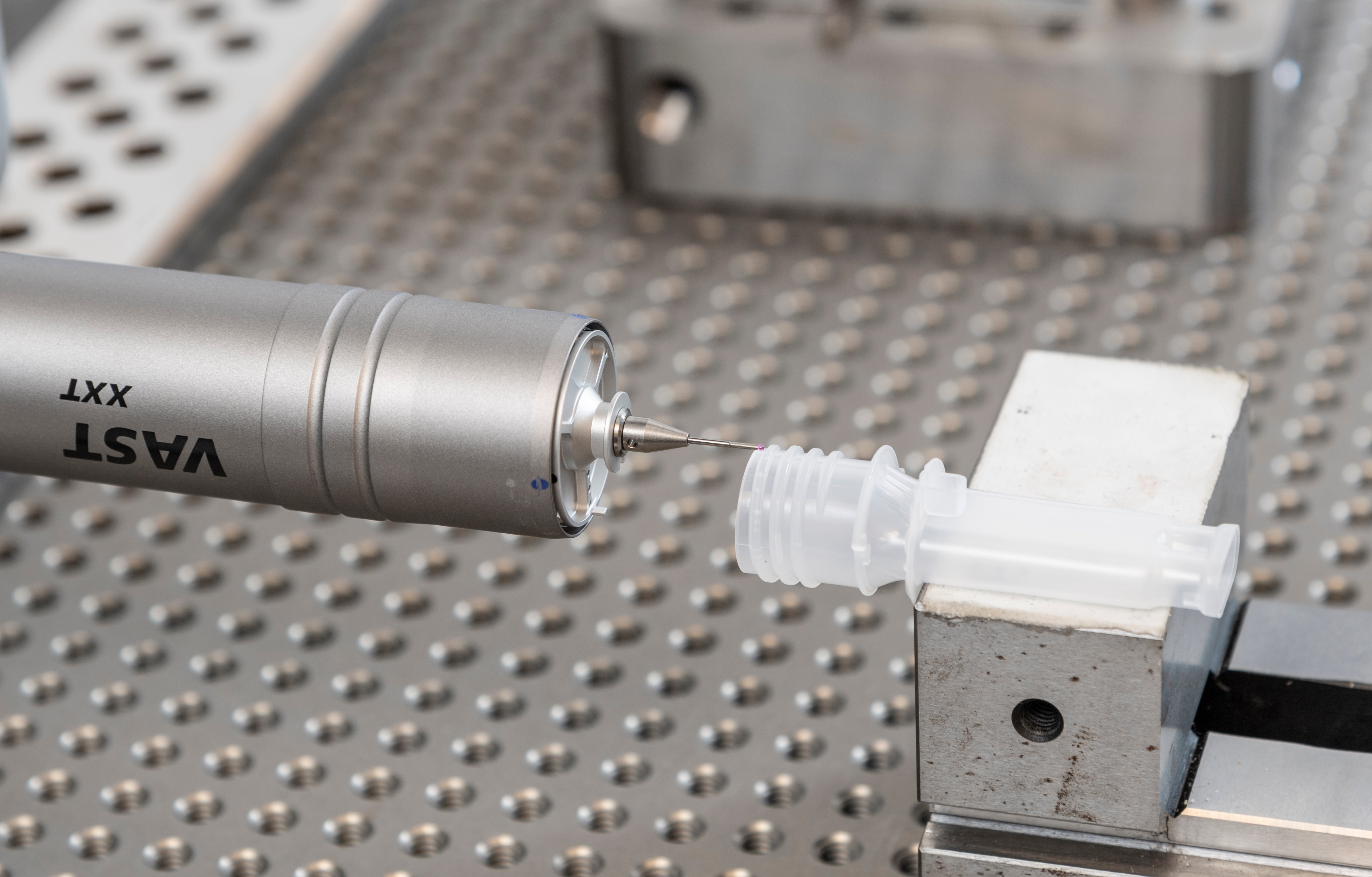
Many injection molders outsource their mold making to overseas toolmakers, which can introduce communication barriers, long lead times, and intellectual property vulnerabilities. Rodon maintains an in-house tooling facility equipped with advanced CNC machinery and electrical discharge machining (EDM) technology.
- Design for Manufacturability (DFM): Engineers analyze digital CAD models to identify potential molding flaws, sink marks, or draft angle issues before steel is ever cut.
- Maintenance and Repair: Keeping tool maintenance on-site ensures that multi-cavity molds are kept at peak performance, minimizing downtime and extending tool lifespans.
The K’NEX Legacy: A Masterclass in Scale and Precision
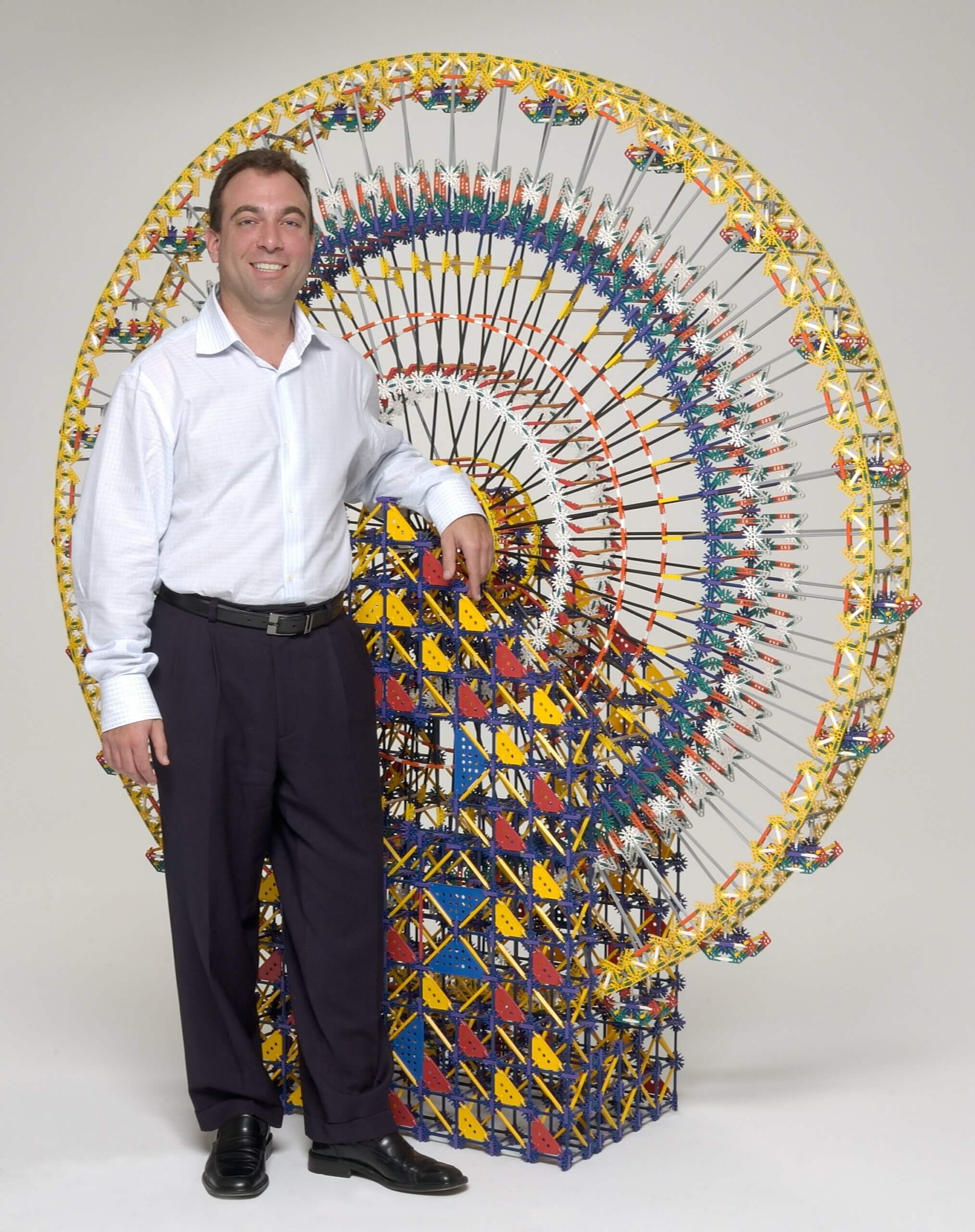
It is impossible to discuss why The Rodon Group matters without examining its relationship with K’NEX. When Joel Glickman invented the construction toy system in the early 1990s, he needed a manufacturing partner capable of producing interlocking plastic pieces with extraordinarily tight tolerances. Even a microscopic variance of a fraction of a millimeter would cause rods to slip out of connectors or fail to snap together securely.
Rodon accepted the challenge, designing complex, multi-cavity injection molds that could churn out these parts at astonishing speeds with virtually zero defect rates.
"Manufacturing millions of complex toy pieces daily requires a level of process control and mold durability that few injection molders ever achieve. The lessons learned from K'NEX fundamentally optimized Rodon's entire custom molding operation."
By keeping K'NEX production in the United States, Rodon proved that American factories could compete with overseas labor markets not by cutting wages, but by relying on extreme automation, engineering excellence, and elimination of supply chain friction.
Domestic Supply Chain Resilience and Reshoring
In recent years, global supply chain disruptions have exposed the vulnerabilities of relying on overseas manufacturing hubs thousands of miles away from end markets. The Rodon Group has been a vocal proponent and beneficiary of the "reshoring" movement—bringing manufacturing back to North America.
Advantages of Domestic Custom Molding with Rodon
- Reduced Lead Times: Shipping plastic parts across Pennsylvania or neighboring states takes hours or days, contrasting sharply with maritime shipping containers that require weeks or months.
- IP Protection: Operating under strict United States intellectual property laws provides brand owners with peace of mind regarding proprietary designs and custom formulations.
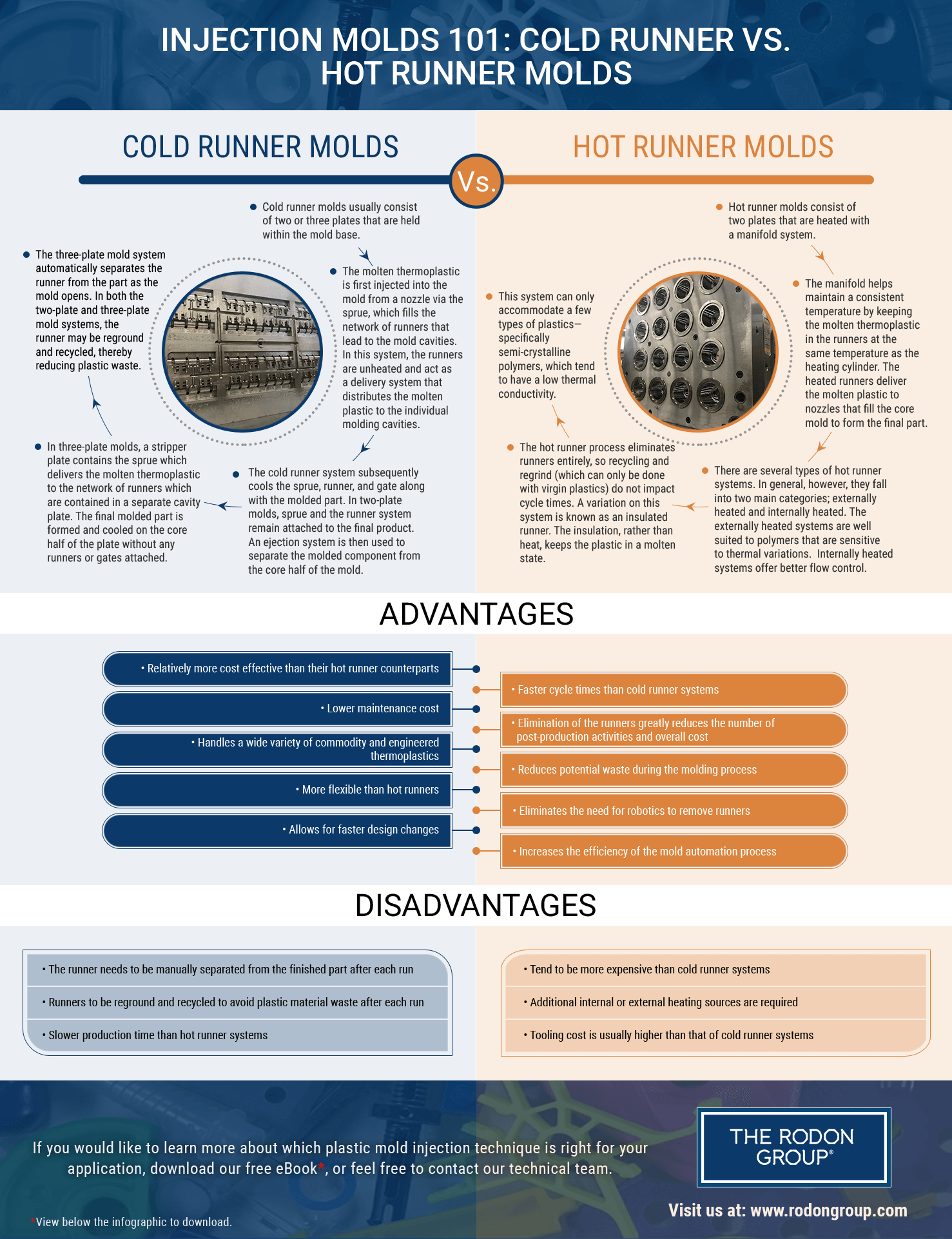
- Environmental Sustainability: Shorter shipping distances drastically lower the carbon footprint associated with logistics, while Rodon’s internal recycling programs ensure that runner scrap and rejected parts are reground and repurposed.
Comparison: Traditional Offshore Molding vs. Rodon’s Automated Domestic Model
To understand the practical implications of choosing an automated domestic molder like Rodon over traditional overseas options, consider the following structural comparison:
| Feature | Traditional Offshore Molding | The Rodon Group (Automated Domestic) |
|---|---|---|
| Lead Time for Tooling & Production | 12 to 24+ weeks (including ocean freight) | 6 to 12 weeks (streamlined domestic delivery) |
| Communication & Oversight | Time-zone gaps, language barriers, third-party brokers | Direct access to engineers, on-site facility visits |
| Intellectual Property Risk | Higher exposure in regions with lax IP enforcement | Fully protected under U.S. federal law |
| Minimum Order Quantities (MOQ) | Typically high to offset container shipping costs | Scalable for high-volume production runs with lean fulfillment |
| Sustainability & Scrap Management | Opaque recycling practices; heavy logistics emissions | Closed-loop regrind systems; minimal shipping miles |
Target Industries Served by The Rodon Group
While toys put Rodon on the consumer map, the company’s portfolio spans a diverse cross-section of American industry. Its high-volume capacity and stringent quality controls make it a trusted supplier across multiple regulated sectors.
- Consumer Goods (Packaging, closures, household items)
- Construction & Building (Specialty plastic anchors, trims)
- Medical & Healthcare (Non-sterile single-use components)
- Educational & Toys (Exclusive manufacturing for K'NEX)
Each of these industries demands adherence to strict material specifications, ranging from food-contact-safe polymers (FDA compliant) to engineering-grade resins like ABS, polycarbonate, nylon, and polypropylene.
Common Misconceptions About High-Speed Injection Molding
Navigating custom manufacturing contracts often leads to recurring myths regarding cost, scale, and capability. Clarifying these points helps clarify why facilities like Rodon operate the way they do.
- Myth: Domestic injection molding is always more expensive than overseas manufacturing.
- Reality: While raw labor costs per hour may be higher in the U.S., total landed cost often favors domestic production when factoring in container shipping fees, tariffs, inventory holding costs, and the elimination of communication delays.
- Myth: High automation means zero human oversight.
- Reality: Automation handles repetitive tasks like part removal and packing, allowing skilled technicians and quality control specialists to focus entirely on process optimization, calibration, and defect analysis.
- Myth: All injection molding shops can handle complex, multi-cavity tooling.
- Reality: Building molds that can withstand millions of cycles without flashing or degrading requires specialized metallurgical knowledge and precision CNC machining capabilities that many smaller shops lack.
Frequently Asked Questions
What types of plastic resins does The Rodon Group use?
The company processes a wide range of thermoplastic resins, including commodity plastics like polypropylene and polyethylene, as well as engineering-grade polymers such as ABS, polystyrene, nylon, and polycarbonate. The choice of resin depends entirely on the mechanical, thermal, and chemical requirements of the final molded part.
Does The Rodon Group design the molds, or do I need to provide my own?
Rodon offers complete in-house tooling and design engineering services. They assist clients from the initial concept phase, creating 3D CAD models and conducting DFM analysis, all the way to building, testing, and maintaining the production molds in their Pennsylvania facility.
What is the typical minimum order quantity (MOQ) for custom parts?
Because Rodon specializes in high-volume, automated injection molding, their operations are optimized for large production runs. They generally focus on projects requiring hundreds of thousands to millions of parts per year to maximize the efficiency of high-speed presses.
How does Rodon handle sustainability and scrap plastic?
Sustainability is a core component of their manufacturing process. The facility utilizes closed-loop recycling systems where runner systems, sprues, and non-conforming parts are collected, reground, and blended back into appropriate production streams or responsibly recycled, minimizing landfill waste.
Can Rodon help reshore an existing product line from overseas?
Yes. A significant portion of their business involves helping companies transition tooling and production back to the United States. Their engineering team evaluates existing tooling samples, modifies or rebuilds molds as necessary, and sets up seamless domestic production runs.
Conclusion and Next Steps
The Rodon Group matters because it proves that domestic high-volume manufacturing can remain competitive through relentless automation, engineering rigor, and unwavering commitment to quality. For product designers, procurement specialists, and brand owners looking to secure their supply chains, understanding Rodon’s operational model offers valuable insights into modern plastic injection molding.
If you are planning a high-volume custom injection molding project or considering reshoring an existing product line from overseas, your next step should be to prepare detailed CAD files and material specifications. Reach out to an applications engineer at The Rodon Group to discuss Design for Manufacturability (DFM) guidelines, tooling lead times, and whether your production volume aligns with their high-speed manufacturing capabilities.
Image Gallery