How Common Is Situs Inversus? Prevalence, Types, and Medical Significance in 2026
Situs inversus is a rare congenital condition characterized by the mirror-image reversal of the major visceral organs from their normal positions. Statistically, it occurs in approximately 1 in 10,000 individuals globally. While most a...
Situs inversus is a rare congenital condition characterized by the mirror-image reversal of the major visceral organs from their normal positions. Statistically, it occurs in approximately 1 in 10,000 individuals globally. While most affected people lead healthy, asymptomatic lives, the condition requires careful medical documentation to prevent diagnostic errors during emergencies or surgical procedures.
Contents
Understanding the Prevalence of Situs Inversus
The frequency of situs inversus has remained remarkably stable in medical literature. Current data in 2026 suggests a prevalence rate of roughly 0.01% of the general population. This translates to about 100 cases per million people. While it is considered a "rare disease" by most health organizations, its occurrence is frequent enough that most major metropolitan hospitals will encounter several cases over a decade of clinical practice.
The condition is usually distributed equally between males and females and does not show a significant predilection for any specific ethnic or racial group. Most cases are identified incidentally—often during routine imaging for unrelated issues or during a physical examination where a physician notices the heart sounds are more prominent on the right side of the chest (dextrocardia).
There are two primary manifestations of this reversal:
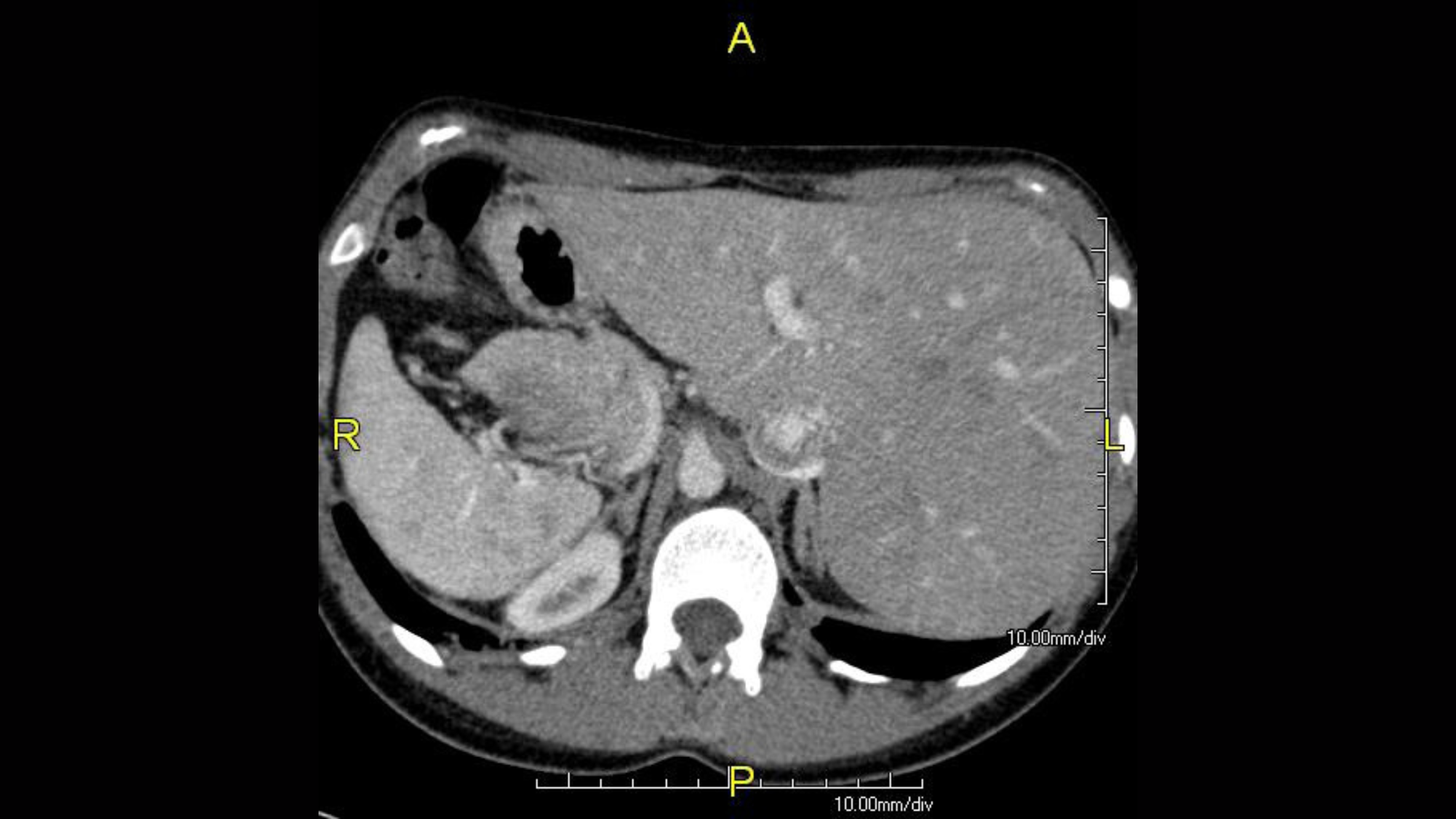
- Situs Inversus Totalis: This is the most common form, where all major organs in both the thorax (chest) and abdomen are mirrored. The heart is on the right, the liver is on the left, and the stomach and spleen are on the right.
- Situs Inversus with Levocardia: A much rarer and more complex variation where the abdominal organs are reversed, but the heart remains on the left side. This occurs in approximately 1 in 2,000,000 people and is almost always associated with severe congenital heart defects.
The Genetic Architecture of Organ Reversal
The development of the left-right axis in a human embryo is a complex biological process that occurs within the first few weeks of gestation. Situs inversus is primarily an autosomal recessive genetic condition. This means an individual must inherit a mutated gene from both parents to manifest the reversal. If both parents carry the gene, there is a 25% chance their offspring will have situs inversus.
At the molecular level, the condition is often linked to the function of cilia—microscopic, hair-like structures on the surface of cells. During embryonic development, specialized "nodal cilia" rotate in a specific direction to create a fluid flow that signals the body where to place specific organs. When these cilia are dysfunctional or stationary, the organs may end up in a mirrored position (situs inversus) or a disorganized arrangement (situs ambiguus).
The Link to Primary Ciliary Dyskinesia (PCD)
About 20% to 25% of individuals with situs inversus also have an underlying condition known as Primary Ciliary Dyskinesia (PCD). When situs inversus occurs alongside chronic sinusitis and bronchiectasis (scarring of the airways), it is referred to as Kartagener Syndrome.
In these cases, the same ciliary defect that caused the organs to flip also prevents the lungs and sinuses from clearing mucus effectively. This leads to chronic respiratory infections and, in many cases, infertility in males due to the inability of sperm (which use a flagellum similar to cilia) to move properly.
Clinical Implications and Diagnostic Challenges
For the majority of the population with situs inversus totalis, the condition does not impact life expectancy or daily health. However, the mirror-image anatomy creates significant "diagnostic traps" for medical professionals.
The "Left-Sided" Appendicitis
One of the most famous clinical challenges involving situs inversus is the presentation of appendicitis. In a person with normal anatomy (situs solitus), the appendix is located in the lower right quadrant of the abdomen. In a person with situs inversus, the appendix is located in the lower left. If a patient presents with severe pain in the lower left abdomen, a physician might suspect diverticulitis or other conditions, potentially delaying a life-saving appendectomy because they are not aware of the patient's reversed anatomy.
Surgical Complexity
Surgery on a patient with situs inversus is technically demanding. Most surgeons are trained to perform procedures based on standard anatomical landmarks. In a laparoscopic gallbladder removal (cholecystectomy), for example, the surgeon must mentally "flip" their movements and the placement of their tools, as the gallbladder will be on the left instead of the right.
Comparing Anatomical Orientations
To better understand where situs inversus fits within the spectrum of human anatomy, the following table compares the three primary states of organ orientation.
| Feature | Situs Solitus (Normal) | Situs Inversus Totalis | Situs Ambiguus (Heterotaxy) |
|---|---|---|---|
| Heart Position | Levocardia (Left) | Dextrocardia (Right) | Variable (Often midline) |
| Liver Position | Right side | Left side | Often midline or mirrored |
| Stomach/Spleen | Left side | Right side | Variable/Multiple spleens |
| Prevalence | ~99.99% | ~0.01% (1 in 10,000) | ~0.0001% (1 in 10,000-40,000 births) |
| Associated Risks | Standard | Generally low (unless PCD) | High (Severe heart defects) |
Identification and Documentation in 2026
As of 2026, the integration of electronic health records (EHR) has made it easier for individuals with situs inversus to remain safe. However, the condition is still frequently missed if a patient is unconscious or unable to provide their medical history.
Diagnostic tools used to confirm the condition include:
- Chest X-ray: Often the first indicator, showing the heart apex pointing to the right.
- Ultrasonography: Used to verify the position of the liver, gallbladder, and spleen.
- CT Scan / MRI: The gold standard for mapping the entire vascular and visceral layout, providing a clear "roadmap" for surgeons.
- Electrocardiogram (ECG): In situs inversus, the ECG leads often show inverted waves (reverse-polarity), which can be mistaken for a technical error or a myocardial infarction if the dextrocardia is not recognized.
Living with Situs Inversus
Most people with situs inversus do not require ongoing treatment for the condition itself. Instead, management focuses on awareness and the treatment of associated conditions like PCD.
For those diagnosed, medical professionals in 2026 recommend the following:
- Medical Identification: Wearing a medical alert bracelet or carrying a card that specifies "Situs Inversus Totalis" can prevent diagnostic errors in emergency rooms.
- Genetic Counseling: Since the condition is autosomal recessive, individuals may seek genetic counseling when planning a family to understand the risks of passing on PCD or other related syndromes.
- Vaccination and Respiratory Health: For the 25% of patients with Kartagener Syndrome, staying up to date on pneumococcal and influenza vaccines is critical due to their increased susceptibility to lung infections.
FAQ: Frequently Asked Questions
Is situs inversus a disability?
In most cases, no. Situs inversus totalis is considered an anatomical variation rather than a disability, as it typically does not impair function. However, if the condition is part of Kartagener Syndrome or associated with congenital heart defects, the resulting respiratory or cardiac limitations may qualify as a disability depending on their severity.
Can a person with situs inversus donate organs?
Yes, but with caveats. While the organs themselves are usually healthy, the reversed vascular (blood vessel) connections can make transplantation technically difficult. There have been successful cases of heart and liver transplants involving donors or recipients with situs inversus, but these require highly specialized surgical teams to reroute the "mirrored" vessels to the new host.
Does situs inversus affect pregnancy?
Situs inversus generally does not affect the ability to carry a pregnancy to term. However, women with Kartagener Syndrome may have difficulty conceiving due to impaired ciliary function in the fallopian tubes, which are responsible for moving the egg toward the uterus. In such cases, in vitro fertilization (IVF) is often a successful alternative.
Can you have a "partial" reversal?
Yes, this is known as situs ambiguus or heterotaxy syndrome. Unlike situs inversus totalis, where everything is perfectly mirrored, heterotaxy involves a disorganized arrangement. For example, a person might have two "left sides" (polysplenia) or two "right sides" (asplenia). This condition is much more dangerous than situs inversus totalis because the organs often do not function correctly in these arrangements.
Is dextrocardia the same as situs inversus?
Not exactly. Dextrocardia simply means the heart is on the right side. While almost all people with situs inversus totalis have dextrocardia, you can have "isolated dextrocardia" where only the heart is flipped while other organs remain in their normal positions. Isolated dextrocardia is more frequently associated with other heart abnormalities.
Final Recommendations
If you or a family member has been diagnosed with situs inversus, the most important next step is to ensure this information is prominently noted in all medical records. While the condition is rare and often benign, the potential for surgical or diagnostic confusion is high. In 2026, it is highly recommended to use digital health "Emergency Access" features on smartphones or wearable devices to list "Situs Inversus Totalis." This ensures that first responders are immediately aware of your unique anatomy, allowing for faster and more accurate care during a medical crisis.
Image Gallery