Spring Potholders: A Comprehensive Guide to Seasonal Design and Production in 2026
Successful spring potholder production requires blending aesthetic seasonal trends—like botanical prints and pastel palettes—with high-performance thermal insulation. For 2026, designers prioritize sustainable organic cottons and advan...
Successful spring potholder production requires blending aesthetic seasonal trends—like botanical prints and pastel palettes—with high-performance thermal insulation. For 2026, designers prioritize sustainable organic cottons and advanced heat-reflective batting to create kitchen accessories that are both decorative and compliant with modern safety standards for heat resistance and durability.
Contents
Seasonal Design Trends for Spring 2026
Designing for the spring market requires a deep understanding of shifting consumer psychology. As we move into 2026, the "Garden-to-Kitchen" movement has matured, influencing the visual language of home textiles. Spring is no longer just about Easter motifs; it encompasses a broader celebration of renewal, light, and organic textures.
Color Palettes and Textures
The 2026 color forecast for kitchen linens focuses on "rejuvenating earth tones." While traditional pastels like mint and lavender remain staples, they are being replaced by more sophisticated shades:
- Aged Terracotta and Sage: Reflecting the connection between the potting shed and the kitchen.
- Butter Yellow: A warm, creamy alternative to bright lemon, designed to complement natural wood cabinetry.
- Translucent Blues: Evoking spring rain and clear skies.
In terms of texture, consumers are moving away from flat, glossy finishes. There is a high demand for "tactile authenticity," which is achieved through the use of slubbed cotton, linen blends, and heavy-duty twills. These fabrics not only look premium but also provide better grip and heat dissipation than thin, mass-produced synthetics.
Motif and Pattern Integration
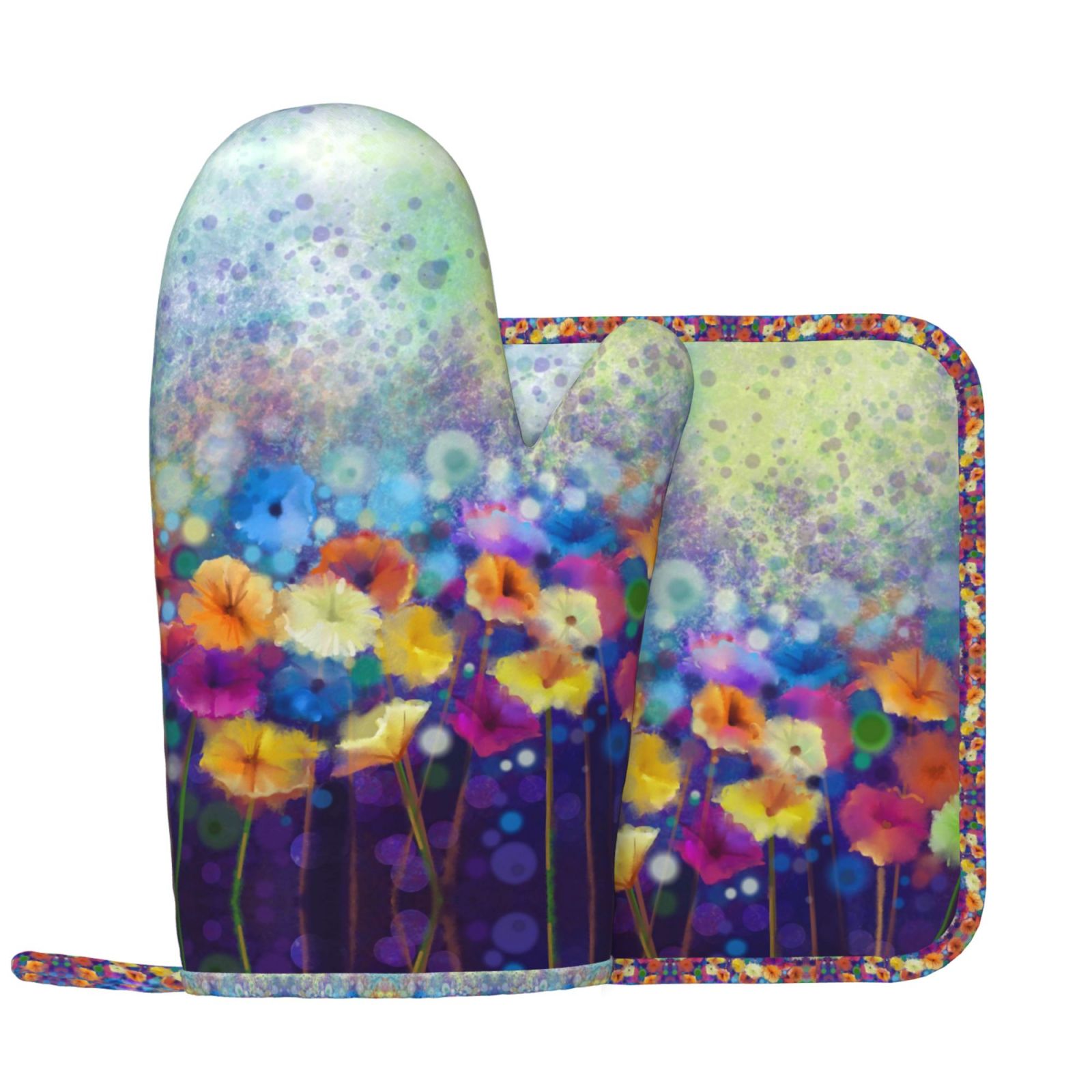
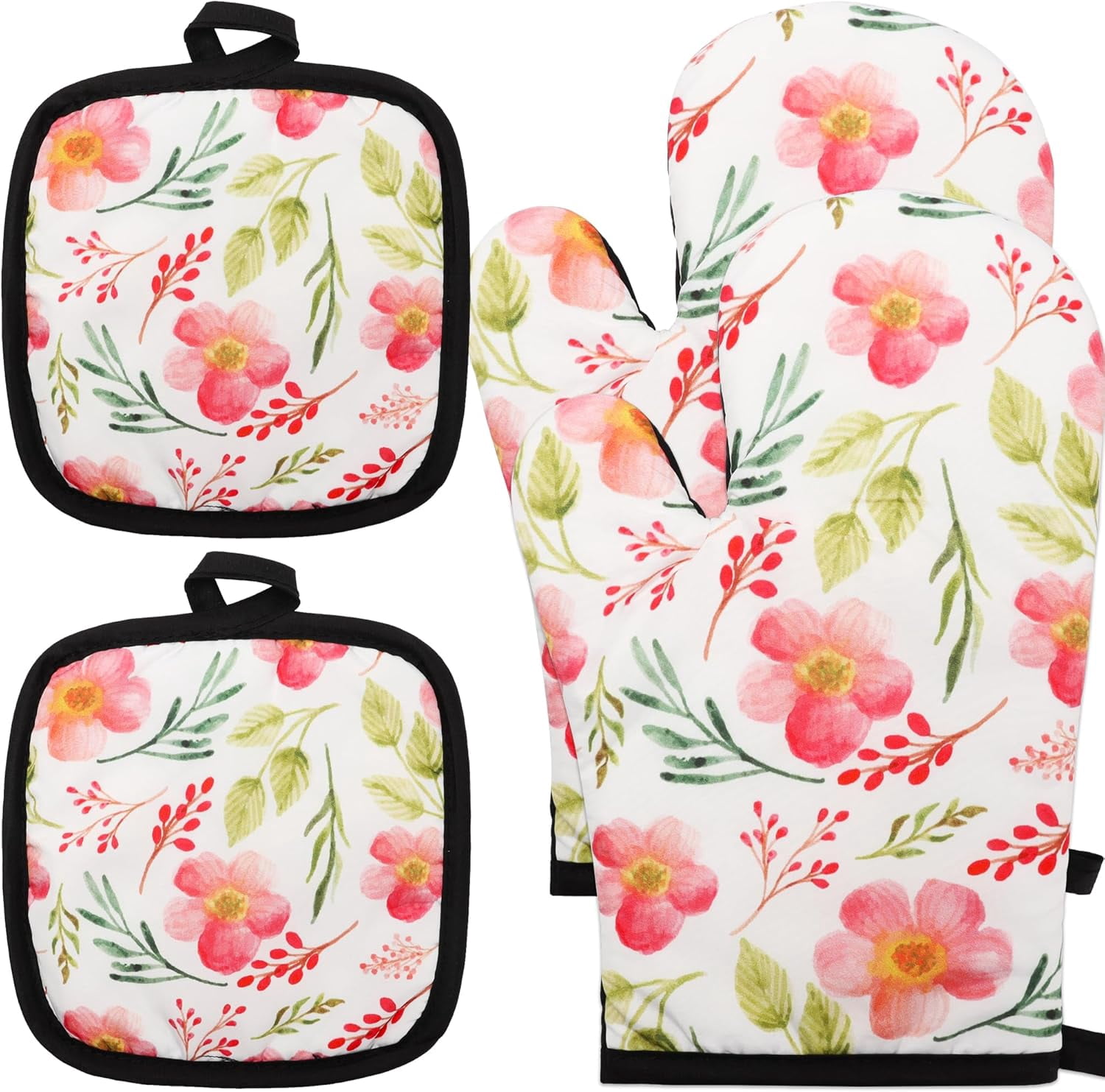
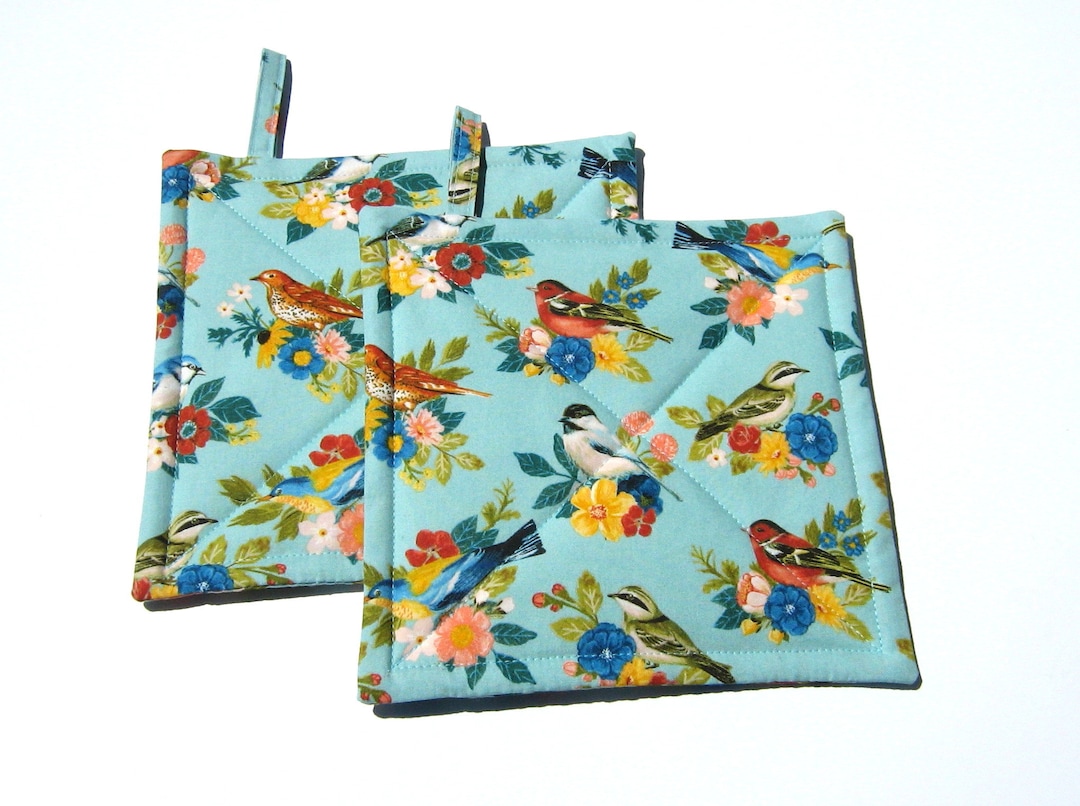
Floral designs remain the dominant spring theme, but the execution in 2026 has shifted toward "scientific botanical" styles. Rather than abstract or cartoonish flowers, high-end seasonal potholders feature accurate illustrations of spring flora such as ramps, fiddlehead ferns, and heirloom radishes. Geometric patterns are also being reimagined through "quilted topography," where the stitching itself creates a pattern that mimics tilled garden rows or cellular plant structures.
Material Selection and Technical Specifications
The production of a potholder is primarily a safety-oriented engineering task disguised as a craft. The choice of materials determines the "time-to-burn" ratio, which is the critical metric for any heat-resistant kitchen accessory.
Face and Backing Fabrics
For 2026, the industry standard for premium seasonal kitchenware is 100% Organic Mercerized Cotton. Mercerization increases the fabric’s surface area and its ability to absorb dye, ensuring that vibrant spring colors do not fade after repeated wash cycles.
Pro Tip: Avoid using synthetic blends like polyester-cotton for the exterior faces. Under high heat (above 400°F/204°C), polyester fibers can melt or fuse to cookware, creating a safety hazard and ruining the equipment.
The Insulation "Sandwich"
The internal architecture of a potholder usually consists of three to four layers. To meet 2026 safety expectations, a high-performance spring potholder should utilize the following:
- Heat-Reflective Layer: A needle-punched polyester material with a metalized mylar film (commonly known by the brand name Insul-Bright). This layer reflects radiant energy back toward the heat source.
- Absorption Layer: At least one layer of 100% cotton batting. This layer absorbs conductive heat. Using two layers of batting is recommended for professional-grade items.
- Steam Barrier (Optional): Some high-end designs now incorporate a thin silicone or specialized moisture-resistant layer to prevent "steam scald," which occurs when a damp potholder is used on a hot surface and the water turns to steam, traveling through the fabric to the user's hand.
Thread and Binding Requirements
All structural seams must be sewn with 100% cotton thread. Like the face fabric, synthetic threads can melt when they come into contact with a hot cast-iron skillet or oven rack. The binding (the fabric strip that covers the raw edges) should be cut on the bias to allow for flexibility around the corners, ensuring the potholder stays flat and doesn't "cup" over time.
| Feature | Standard Specification | Premium 2026 Specification |
|---|---|---|
| Primary Fabric | 7 oz. Cotton Duck | 10 oz. Organic Cotton Twill |
| Insulation | Single layer cotton batting | Metalized Mylar + Double Cotton Batting |
| Max Temperature | 350°F (177°C) | 450°F+ (232°C) |
| Stitch Density | 8-10 stitches per inch | 12-14 stitches per inch (Reinforced) |
| Hanging Loop | Simple fabric strip | Heavyweight herringbone webbing |
| Sustainability | Conventional dyes | OEKO-TEX Certified low-impact dyes |
The Production Process: From Prototype to Batch
Scaling the production of spring potholders from a single prototype to a seasonal collection requires a disciplined manufacturing workflow. In 2026, efficient production is defined by waste reduction and precision cutting.
Step 1: Pre-Shrinking and Fabric Preparation
Kitchen textiles undergo more frequent laundering than almost any other home textile. It is a fundamental error to skip the pre-shrinking phase. Fabrics should be laundered in industrial-grade hot water and dried at high heat before cutting. This ensures that the finished potholder maintains its shape and the internal insulation doesn't bunch up or "ghost" inside the shell after the first wash.
Step 2: Die-Cutting and Layering
For small-to-medium enterprises (SMEs), manual cutting with rotary blades is inefficient for batches exceeding 50 units. Using a hydraulic clicker press or a CNC fabric cutter allows for identical sizing across the entire spring line. During layering, the "right sides" of the fabric must be oriented correctly, with the metalized reflective layer facing the side of the potholder intended to touch the hot pot.
Step 3: Quilting Patterns for Structural Integrity
Quilting is not merely decorative; it serves to anchor the internal insulation. If the quilting lines are too far apart (more than 2 inches), the batting will shift and create "cold spots" where heat can penetrate easily.
- Diamond Quilting: The industry standard for stability.
- Channel Quilting: Provides excellent flexibility for folding the potholder around handles.
- Grid Quilting: Offers the highest durability for heavy-use environments.
Step 4: Binding and Finishing
The binding is the most difficult part of production. In 2026, the "mitered corner" is the hallmark of quality. A poorly bound potholder will fray at the corners within six months. High-volume producers often use specialized industrial binding attachments on their sewing machines to ensure a consistent 1/4-inch or 3/8-inch edge.
Safety Standards and Regulatory Compliance
When producing kitchen textiles for the 2026 market, manufacturers must adhere to specific safety and labeling guidelines. While potholders are not always classified under the same strict PPE (Personal Protective Equipment) categories as industrial fire suits, they must still be fit for purpose.
Thermal Resistance Testing
Reputable manufacturers perform "Touch-Dry" tests. This involves placing a weighted potholder on a surface heated to 400°F and measuring the time it takes for the internal temperature (the side touching the hand) to reach a threshold of 120°F (the point of physical discomfort). A high-quality spring potholder should provide at least 15 to 20 seconds of protection.
Mandatory Labeling
In accordance with various international textile acts, all potholders must have a permanently attached label indicating:
- Fiber Content: (e.g., 100% Cotton Cover, 100% Polyester Filling).
- Country of Origin: Essential for international trade.
- Care Instructions: Must specify that the item should not be used when wet, as moisture significantly increases heat conductivity.
- Manufacturer Identification: A registered RN number or company name.
Marketing and Seasonal Positioning
In 2026, the market for spring potholders is divided into two main sectors: the "Gifting Economy" and "Professional Home Cooking."
The Gifting Economy
Spring is a peak season for weddings, bridal showers, and housewarmings. Design production should account for "Bundled Sets." A potholder sold individually has a lower perceived value than a "Spring Kitchen Suite" which includes two potholders, a coordinating tea towel, and an oven mitt. Packaging for these sets in 2026 favors biodegradable materials like seed-paper tags that can be planted to grow the very flowers featured in the fabric's design.
Sustainability as a Sales Driver
"Circular production" is a major selling point. In 2026, savvy producers use the "zero-waste" model, where the scraps from large apron or tablecloth production are used to create the potholder bindings. Marketing materials should explicitly mention the reduction in textile waste, as 2026 consumers are increasingly resistant to fast-fashion practices in the home goods sector.
Troubleshooting Common Production Issues
Even with high-quality materials, certain issues can arise during the production of seasonal kitchenware.
- Fabric Puckering: This usually occurs when the tension between the top and bottom layers is uneven. Using a "walking foot" attachment on a sewing machine is mandatory for potholder production to ensure all layers move through the machine at the same speed.
- Edge Bulk: If the insulation layers are too thick, the binding will not sit flush. Producers often "grade" the seams, which involves trimming the internal insulation layers slightly shorter than the outer fabric cover before applying the binding.
- Fading Prints: Spring pastels are notorious for fading. To prevent this, ensure the fabric has been "fixed" with a salt or vinegar solution if using artisan-dyed fabrics, or use VAT-dyed industrial cottons.
FAQ
What is the best insulation for a handmade spring potholder in 2026?
The most effective combination is one layer of metalized heat-reflective polyester (like Insul-Bright) paired with two layers of 100% natural cotton batting. The metalized layer reflects the heat, while the cotton layers provide a buffer and absorb conductive heat. Never use recycled wool or synthetic fleece as they do not provide adequate thermal protection for high-heat kitchen tasks.
Can I use 100% linen for spring potholders?
Linen is a popular choice for spring due to its aesthetic and durability, but it has a lower heat resistance than heavy cotton duck. If you use linen, it should be a heavyweight "upholstery grade" linen and must be backed with a heavy cotton lining to prevent the fabric from scorching or thinning over time.
How do I ensure my spring designs don't look "dated" by the end of the season?
To ensure longevity, focus on "transitional design." Avoid hyper-specific holiday motifs (like Easter eggs) and instead use broader seasonal themes like herb gardens, citrus, or soft geometric "watercolor" prints. These designs remain relevant from early March through late June.
Is silicone better than fabric for spring potholders?
Silicone offers superior grip and heat resistance, but many consumers prefer the flexibility and aesthetic of fabric for spring decor. In 2026, many producers are compromising by adding "silicone grip dots" to the palm side of a fabric potholder, combining the safety of modern polymers with the traditional look of seasonal textiles.
Why do some potholders get "hot spots" after being washed?
Hot spots occur when the internal batting shifts or clumps during the agitation of a washing machine. To prevent this, ensure your quilting lines are no more than 1.5 to 2 inches apart. This "locks" the insulation in place, ensuring that it remains a uniform barrier across the entire surface of the potholder.
Final Recommendation for 2026 Production
For the 2026 spring season, focus on a "Quality over Quantity" approach. Small-batch production using GOTS-certified organic cotton and double-layered thermal insulation will allow you to position your product in the premium boutique market. Prioritize "Garden-to-Table" botanical prints and ensure all items are stress-tested for heat resistance up to 450°F to meet the demands of modern home convection and air-fryer usage.
Image Gallery