Diana Trujillo: A Life of Milestones in NASA Engineering and Exploration
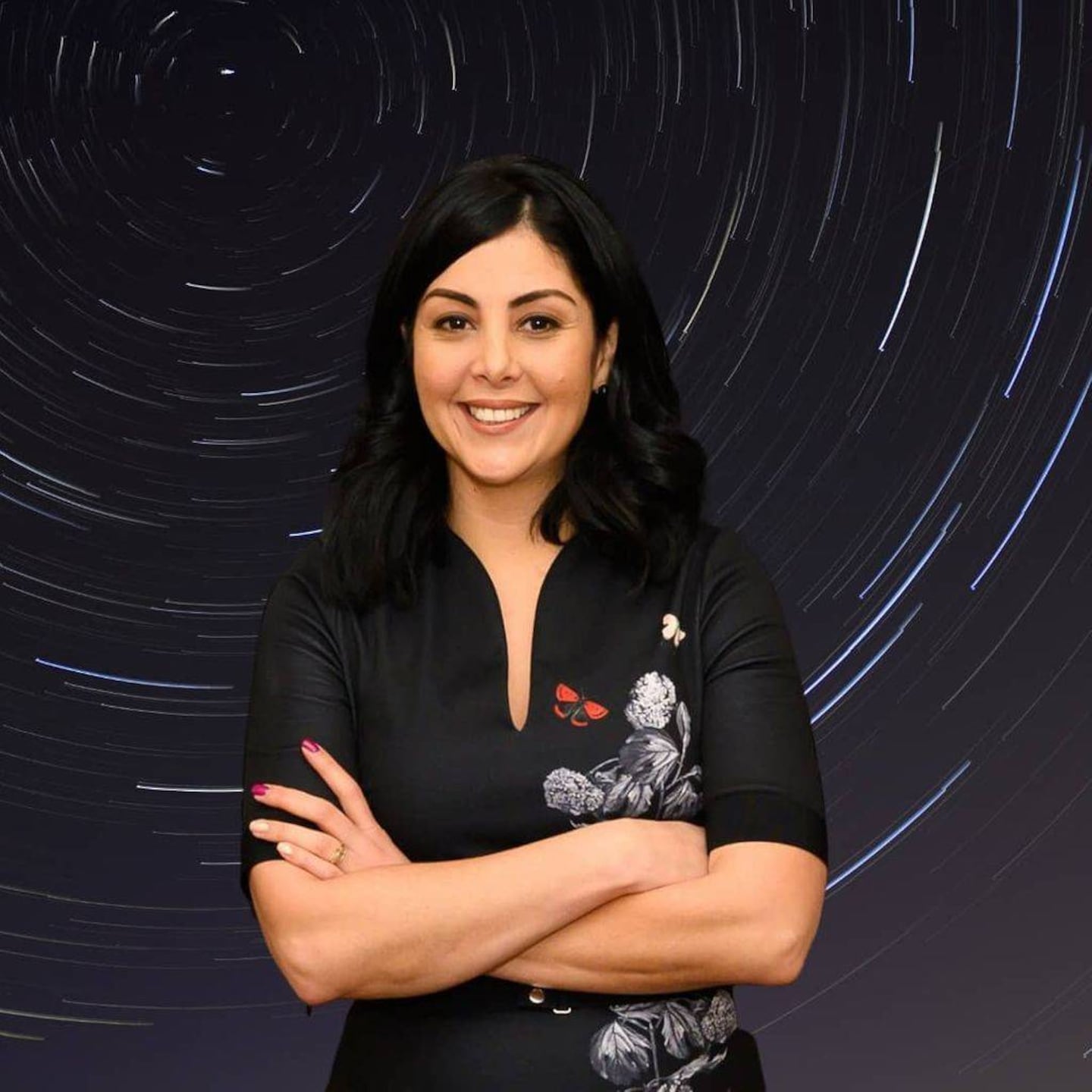
Diana Trujillo’s career at the National Aeronautics and Space Administration (NASA) represents a significant trajectory in aerospace engineering, evolving from early academic hurdles in the United States to leadership roles in high-sta...
Diana Trujillo’s career at the National Aeronautics and Space Administration (NASA) represents a significant trajectory in aerospace engineering, evolving from early academic hurdles in the United States to leadership roles in high-stakes robotic planetary exploration. Her path is marked by a series of technical milestones that mirror the complexity of modern Mars exploration, specifically through her contributions to the Mars Curiosity and Perseverance rover missions. Understanding her career milestones offers insight into the rigorous requirements of spacecraft operations and the collaborative nature of interplanetary mission success.
Contents
Early Academic Foundations and Path to NASA
Diana Trujillo’s journey began with a transition from Colombia to the United States, where she pursued higher education while working to support her living expenses. Her academic foundation was established at the University of Maryland, College Park, where she earned a Bachelor of Science degree in Aerospace Engineering. This phase of her life is a critical milestone for any aspiring NASA engineer, as it involved balancing the financial demands of international migration with the intensive curriculum required to enter the aerospace industry.
Following her graduation in 2007, she participated in the NASA Academy, a prestigious internship program that serves as a gateway for many engineers entering the agency. This internship was the pivot point that allowed her to transition from academia to professional practice. Her early involvement included working at the Goddard Space Flight Center, where she focused on hardware development and testing, providing the necessary hands-on experience to handle the complex, mission-critical systems that would define her later career.
Technical Contributions to Mars Missions
Trujillo’s most visible professional milestones are tied to her tenure at the Jet Propulsion Laboratory (JPL) in Southern California. Her work transitioned from initial mission support to active lead roles in the surface operations of robotic explorers on Mars.
Mars Curiosity: Surface Operations
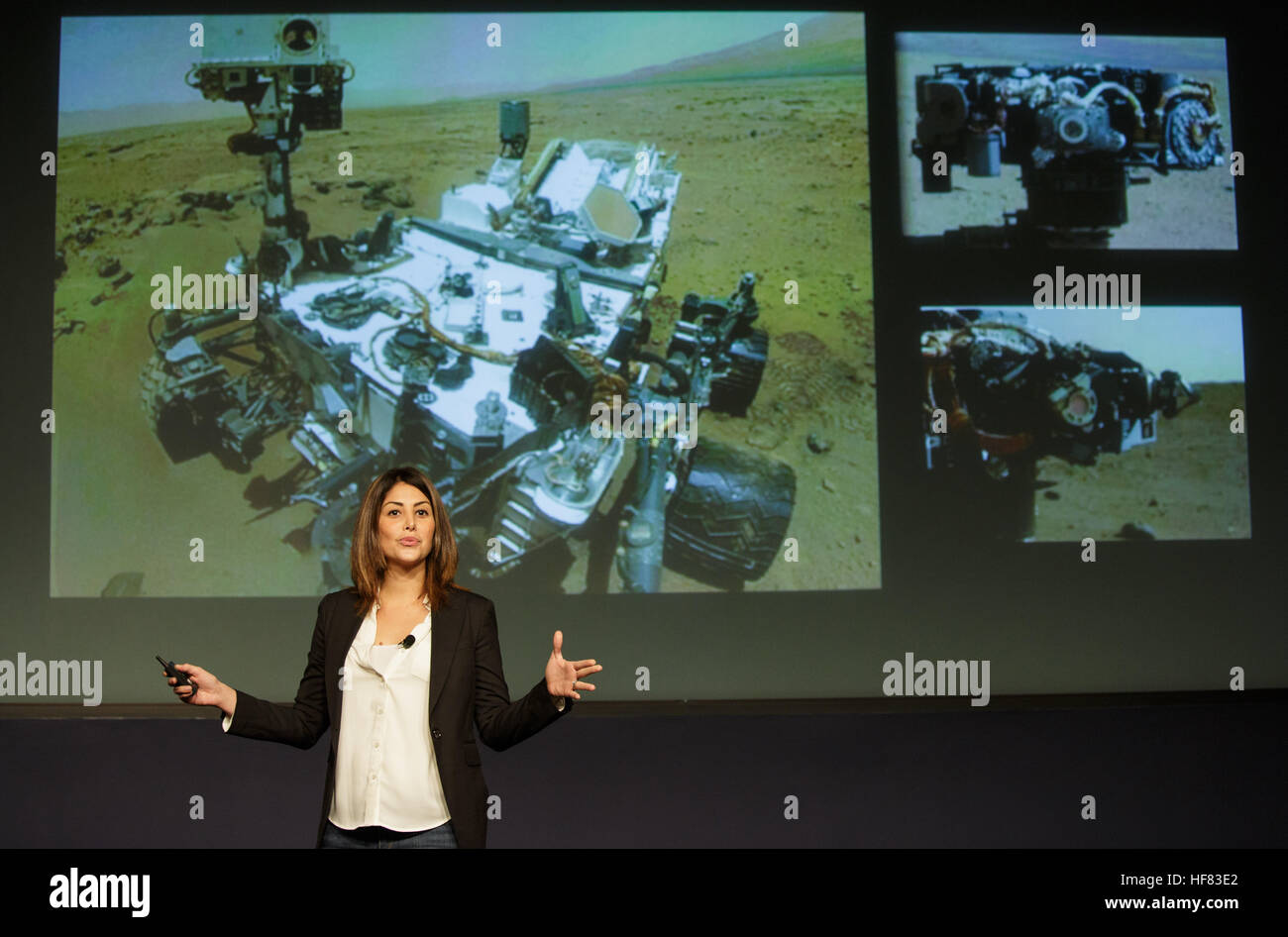
Joining the Mars Science Laboratory (MSL) mission—better known as the Curiosity rover—Trujillo served as a surface flight controller. This role is highly specialized, involving the real-time monitoring of the rover's telemetry, power, and thermal systems. The primary technical challenge for engineers during this phase is the communication latency between Earth and Mars, which can range from 4 to 24 minutes depending on the orbital positions of the two planets. Engineers must design, test, and upload command sequences that the rover can execute autonomously without real-time human intervention.
Mars Perseverance: Mission Leadership
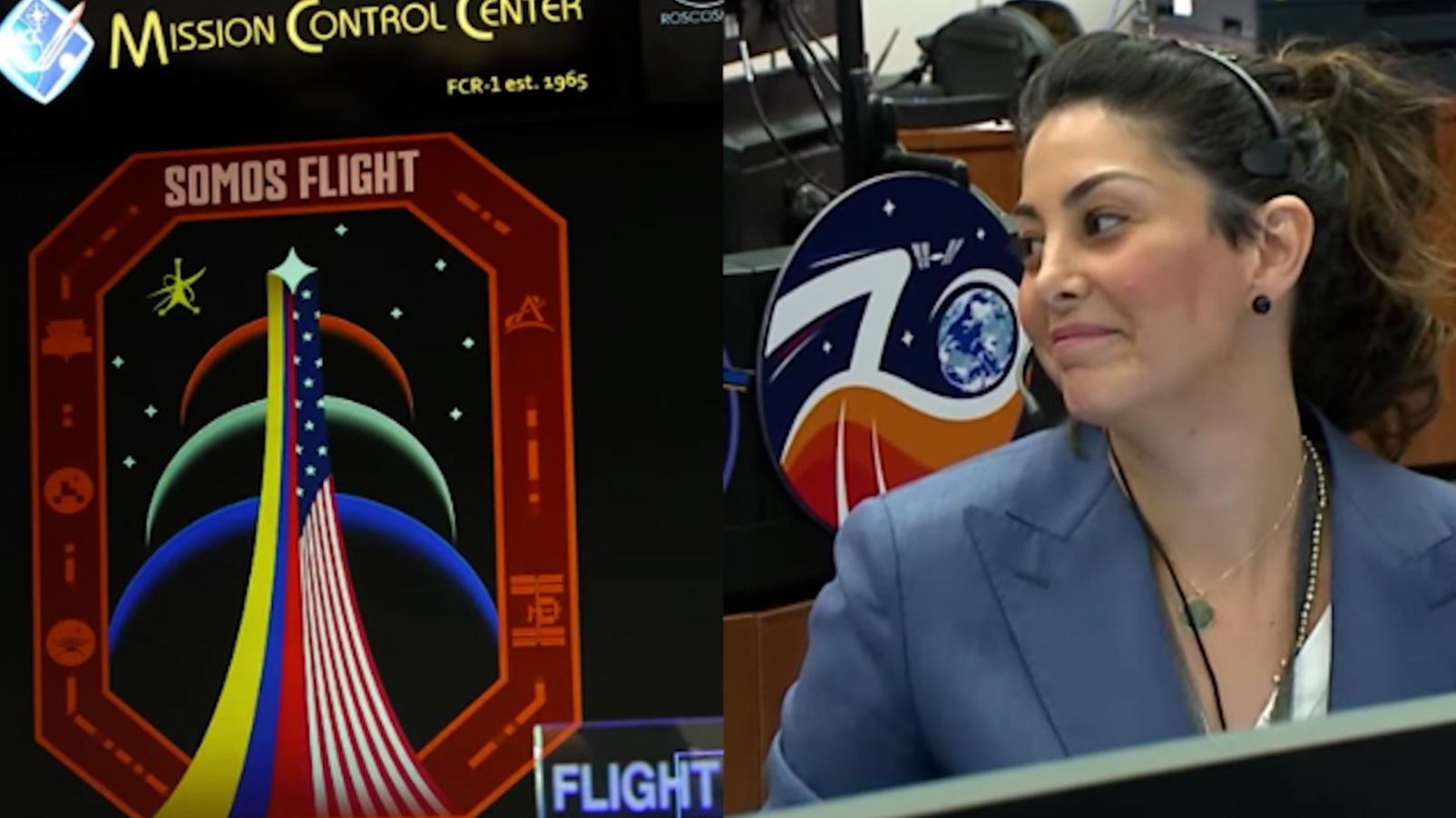
A pivotal career milestone occurred during the development and landing of the Perseverance rover. Trujillo served as the Flight Director for the mission’s entry, descent, and landing (EDL) phase. This period, often referred to as the "seven minutes of terror," is the most technically volatile segment of any planetary mission. As a Flight Director, she was responsible for coordinating the multi-disciplinary teams tasked with ensuring the rover safely reached the Jezero Crater in 2021. This role required the integration of complex flight dynamics, navigation sensor data, and propulsion system management.
Key Milestones in NASA Career Progression
The following table outlines the progression of responsibilities Trujillo navigated throughout her tenure at NASA, reflecting the typical growth path for mission-critical engineers.
| Milestone | Role/Focus | Technical Responsibility |
|---|---|---|
| NASA Academy | Intern/Student | Hardware testing and foundational systems analysis. |
| Mars Curiosity | Flight Controller | Monitoring telemetry, power, and thermal management. |
| Curiosity Surface Ops | Mission Lead | Sequencing and command validation for scientific instruments. |
| Perseverance (EDL) | Flight Director | Managing entry, descent, and landing protocol execution. |
| Agency Leadership | Deputy Director | Strategic oversight of flight operations and talent development. |
The Reality of Aerospace Engineering: Beyond the Milestones
The engineering milestones achieved by Trujillo are not merely individual accomplishments but are the result of intense, collaborative systems engineering. Working at NASA requires adherence to strict quality assurance protocols, where every component—from the mechanical wheels on a rover to the software algorithms guiding autonomous navigation—must undergo rigorous verification and validation.
For students and professionals looking to replicate this career trajectory, several requirements are standard across the industry:
- Academic Proficiency: A core degree in STEM (Science, Technology, Engineering, or Mathematics) is the minimum prerequisite for engineering roles.
- Specialized Skill Sets: Expertise in robotics, telecommunications, and flight dynamics is essential.
- Operational Resilience: The ability to function under extreme pressure during mission-critical events, such as a landing or a rover anomaly, is a required competency.
- Communication: The capacity to synthesize complex technical data into actionable briefings for mission stakeholders.
Addressing Operational Challenges in Space Exploration
The work Trujillo performed on Mars involves overcoming significant physical and logistical constraints. The Martian environment presents extreme thermal shifts and harsh radiation that degrade electronics over time. Troubleshooting these issues requires a deep knowledge of the specific hardware architecture of the rover.
Engineers at JPL often employ "digital twins"—high-fidelity simulations of the rover located on Earth. Before sending a new command to Mars, the team tests it extensively on the twin to ensure that the instruction does not inadvertently damage the physical asset on the planet. This methodology is a standard safety protocol for all current and future robotic missions, highlighting the importance of simulation and risk mitigation in aerospace engineering.
Frequently Asked Questions
What was Diana Trujillo's specific role in the Perseverance mission?
Trujillo served as the Flight Director for the Perseverance rover’s entry, descent, and landing (EDL) phase. Her primary task was to lead the team that monitored the spacecraft's vital functions during the critical final minutes of its arrival at Mars, ensuring the complex sequence of heat shield separation, parachute deployment, and sky crane maneuver executed correctly.
What education is required to become a NASA engineer?
A bachelor’s degree in engineering, physics, or mathematics is the baseline requirement. Many lead engineers also hold master’s degrees or doctorates in specialized fields such as aerospace engineering, robotics, or systems engineering. Practical experience through internships, such as the NASA internship programs, is highly valued for professional advancement.
How do engineers manage the time delay between Earth and Mars?
The delay is managed through autonomous software. Engineers do not "drive" the rover in real-time. Instead, they write daily command sequences based on scientific goals and terrain analysis, which are uploaded to the rover. The rover then performs these tasks independently, utilizing onboard sensors to avoid hazards and optimize movement.
What is the most challenging part of a Mars landing mission?
The entry, descent, and landing (EDL) phase is universally considered the most dangerous. The spacecraft must transition from traveling at thousands of miles per hour in space to a soft landing on the surface in just a few minutes, relying entirely on pre-programmed computer sequences because of the communication delay.
Recommendations for Aspiring Aerospace Engineers
If you are pursuing a career in aerospace engineering with the goal of participating in space exploration, focus on building a robust technical portfolio. Seek out internships that offer experience with hardware-in-the-loop testing and software simulation. Cultivate proficiency in programming languages frequently used in space systems, such as C++ or Python, and familiarize yourself with the principles of systems engineering. Engaging with professional organizations and academic research projects remains the most effective path toward gaining the necessary experience to contribute to high-level space flight missions.
Image Gallery