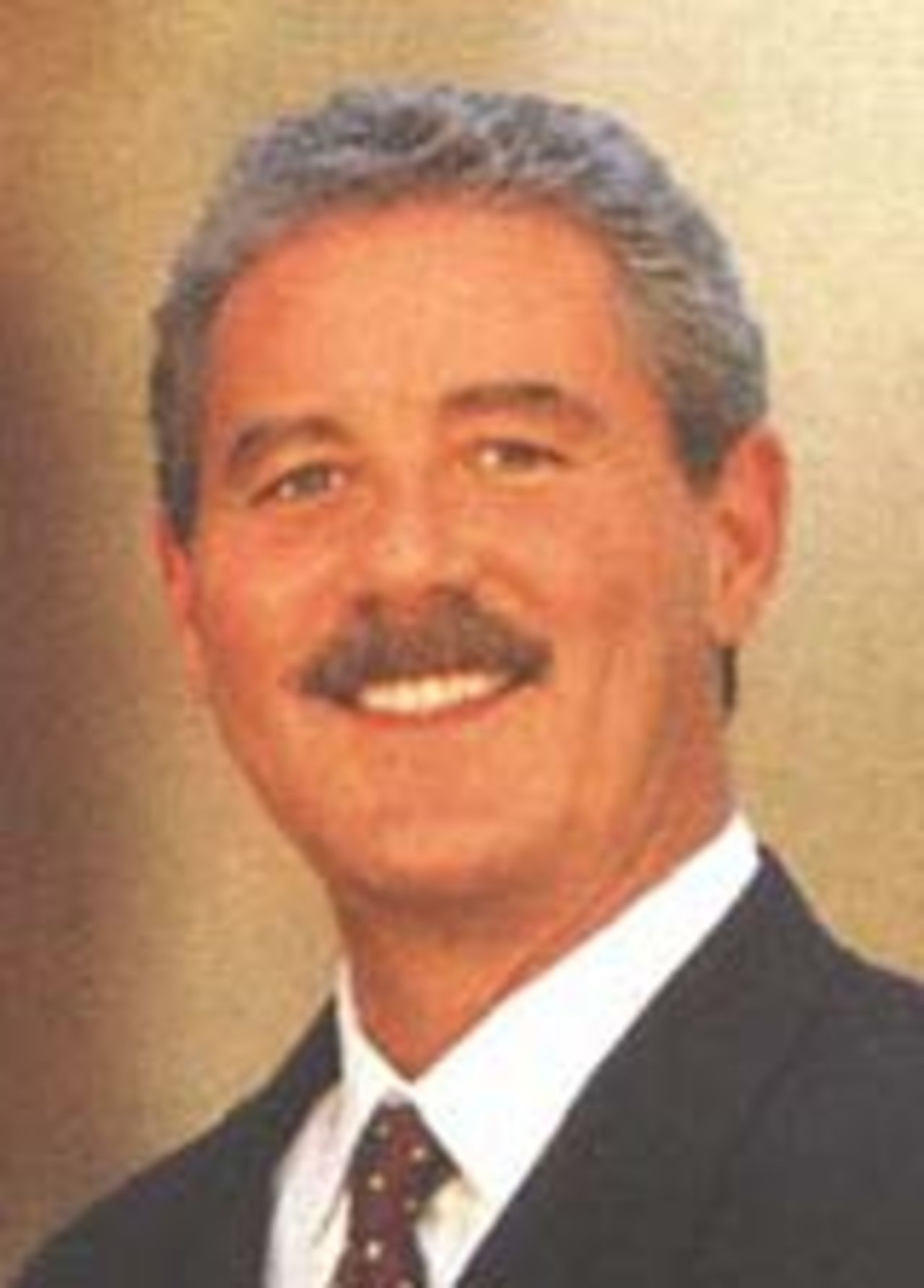
Allen Stanford: The Public Spotlight and the Reality of His Personal Life
The public spotlight on Allen Stanford’s private life emerged primarily as an extension of the high-profile legal scrutiny surrounding his massive $7 billion Ponzi scheme. While the financier dominated headlines for his business operat...
The public spotlight on Allen Stanford’s private life emerged primarily as an extension of the high-profile legal scrutiny surrounding his massive $7 billion Ponzi scheme. While the financier dominated headlines for his business operations, investigations into his assets inevitably drew attention to his family, specifically his wives and ex-wives, as authorities sought to locate and claw back funds for defrauded investors.
Contents
The Rise and Fall of the Stanford Empire
To understand why the individuals associated with Allen Stanford were thrust into the spotlight, one must first recognize the sheer scale of the Stanford Financial Group (SFG). Based in Antigua and Barbuda, the firm marketed certificates of deposit (CDs) that promised unusually high returns, allegedly backed by a diversified portfolio of liquid assets. By 2009, when the U.S. Securities and Exchange Commission (SEC) moved to freeze the company’s assets, it was revealed that the firm had been operating a massive, decades-long fraud.
As the legal proceedings intensified, the court-appointed receiver, tasked with recovering money for the victims, began an exhaustive audit of all financial outlays. This process did not merely look at business accounts; it examined personal expenditures, real estate purchases, and trust funds established by Stanford. Consequently, the people closest to him, including his former spouses, found their financial histories subject to intense public and legal review.
Distinguishing Personal Lives from Legal Exposure
The search for "Allen Stanford wife" often stems from a conflation of personal interest and the legal necessity of asset recovery. Allen Stanford has been married multiple times, and the legal fallout from his conviction significantly impacted those relationships.
It is a common misconception in high-profile financial cases that family members are automatically liable for the crimes of their spouses. However, in the case of the Stanford receivership, the legal team focused on whether assets transferred to spouses—or maintained in their names—constituted "fraudulent conveyances." A fraudulent conveyance occurs when assets are transferred to a third party to place them beyond the reach of creditors. Because the receiver was tasked with maximizing the payout to the 30,000 victims of the Ponzi scheme, any property or cash flow linked to Stanford’s former partners became a legitimate target for litigation.
The Financial Trail and Asset Recovery
The scrutiny applied to the lives of those around Stanford was part of a broader, global effort to unwind a complex web of shell companies and offshore accounts. The receivership, led by Ralph Janvey, spent years pursuing assets through various jurisdictions. The following table summarizes the types of assets that frequently came under investigation during the recovery process.
| Asset Type | Relevance to Receivership |
|---|---|
| Real Estate | Properties purchased with investor funds were often subject to seizure or forced sale. |
| Cash Transfers | Large sums transferred as gifts or settlements were investigated for "clawback" potential. |
| Luxury Items | Art, jewelry, and aviation assets were audited to determine the original source of funds. |
| Trust Funds | Financial instruments set up for family members were challenged if they contained commingled victim capital. |
The Impact of Legal Scrutiny on Public Perception
The "spotlight" on Stanford’s family is rarely about the individuals themselves, but rather about the proximity to the billions of dollars that vanished. When the media covers the personal life of a convicted white-collar criminal, the narrative often frames the spouses as either victims of the deception themselves or as beneficiaries of illicit proceeds.
In 2026, the legacy of this case remains a touchstone for regulators regarding how they monitor high-net-worth individuals who operate across borders. The legal reality is that those who shared a life with Stanford found their private affairs—ranging from divorce settlements to child support payments—re-litigated in public courtrooms. For many, this served as a cautionary tale of how personal associations with high-finance figures can lead to long-term legal complications, even years after the primary perpetrator has been incarcerated.
Navigating the Complexity of Asset Clawbacks
For those interested in the mechanism of how such cases are handled, it is essential to understand the concept of a receivership estate. When a court finds that a business is a sham, the entity ceases to be under the control of its founders. Instead, a third-party receiver takes control to liquidate everything.
- Identification: The receiver identifies all assets, including those held by third parties (spouses, business partners, or shell entities).
- Investigation: A forensic audit determines if these assets were acquired using the proceeds of the fraud.
- Litigation: If the receiver determines an asset was acquired via fraud, they file suit to reclaim it for the estate.
- Distribution: Once assets are liquidated and the costs of the receivership are paid, the funds are distributed pro-rata to the verified victims.
This process is why the wives of individuals like Allen Stanford become central figures in the public and legal narrative. Their personal financial independence is often checked against the debts created by the fraud.
Common Questions Regarding the Stanford Case
When looking at the intersection of criminal finance and private lives, several questions frequently arise.
Was the spouse of Allen Stanford charged with criminal conduct? While various family members and partners were subjects of civil litigation during the asset recovery process, the primary criminal charges were directed at Allen Stanford and his key business associates. The focus on family members was largely civil—aimed at recovering money—rather than criminal.
Why does the public focus on his personal life? The focus is usually driven by the sheer scale of the fraud. When $7 billion is missing, the public seeks to understand where that money went. Seeing that some of the wealth was funneled into high-end lifestyles or properties linked to his spouses creates a natural, if often sensationalized, point of interest.
How does a receiver recover assets from an ex-spouse? A receiver uses the legal doctrine of "avoidable preference" or "fraudulent transfer." If they can prove that money was given to an ex-spouse with the intent to hide it from creditors, the court can order that money to be returned to the receivership estate, regardless of the marital status at the time of the transfer.
Is there a statute of limitations on these recoveries? While there are limitations on when certain lawsuits can be filed, the complexity of international banking and the ongoing nature of liquidation proceedings mean that asset recovery can continue for many years after the initial fraud is uncovered.
Where is Allen Stanford today? As of 2026, Allen Stanford remains incarcerated in a U.S. federal prison, serving a 110-year sentence following his 2012 conviction.
Final Considerations and Next Actions
For those monitoring the ongoing recovery of the Stanford estate, the most reliable information comes from the official court dockets and updates provided by the appointed receiver. Media speculation often focuses on the dramatic aspects of the financier’s personal life, but the legal reality is found in the filings that track the movement of money.
If you are researching this topic for historical or legal analysis, prioritize the official SEC reports and the filings from the U.S. District Court for the Northern District of Texas. These documents offer the only verified data regarding the dissolution of the Stanford empire and the status of the assets that were once entangled with his private life.
Image Gallery