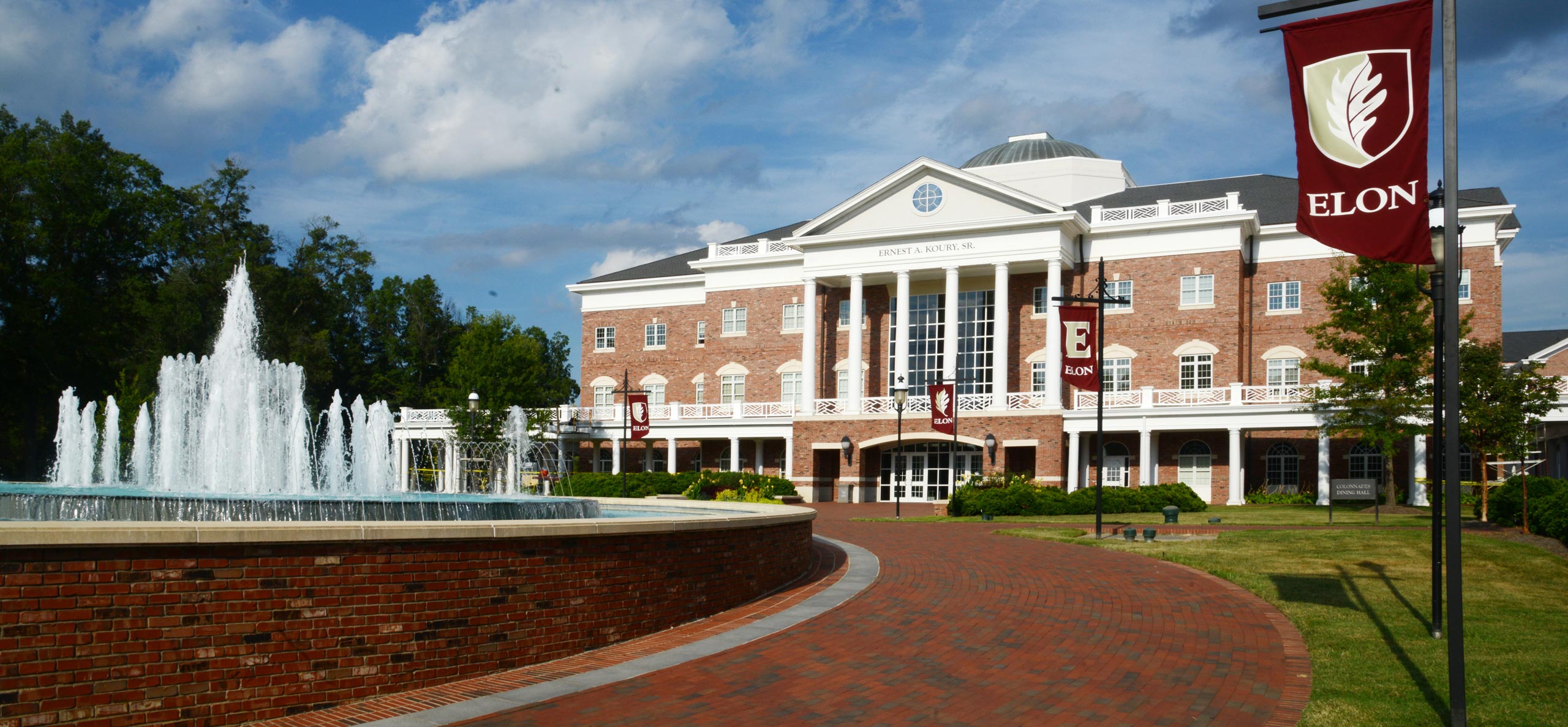
Elon University Was Founded in 1889: History, Growth, and Academic Profile
Elon University was founded in 1889 by the Christian Church as Elon College, establishing its roots on a oak-shaded campus in Alamance County, North Carolina. Over more than a century, the institution transformed from a small regional...
Elon University was founded in 1889 by the Christian Church as Elon College, establishing its roots on a oak-shaded campus in Alamance County, North Carolina. Over more than a century, the institution transformed from a small regional college into a premier, nationally recognized private university renowned for its liberal arts foundation and experiential learning programs.
Contents
The Founding Context of 1889 and Historical Evolution
The establishment of Elon University in 1889 emerged from a dedicated initiative by the North Carolina Christian Conference (a denomination later merged into the Congregational Christian Churches and subsequently the United Church of Christ). Church leadership sought to establish an institution of higher learning that offered rigorous intellectual training alongside moral and spiritual development.
The founders selected a rural site in Alamance County, North Carolina, situated along the North Carolina Railroad line near Burlington. The location was heavily wooded with oak trees, prompting local leader local pastor William S. Long—who served as the institution's first president—and the founding committee to choose the Hebrew word Elon, which translates to "oak," as the school's name.
- 1889: Founded as Elon College
- 1923: Disastrous Campus Fire & Reconstruction
- 2001: Formal Re-charter as Elon University
- 2026: Nationally Ranked Doctoral/Professional University
The Fire of 1923 and the Phoenix Metaphor
The early decades of Elon College were defined by steady growth, but the institution faced a defining crisis on January 18, 1923. A disastrous fire consumed Main Building, destroying the university’s administrative offices, classrooms, library collections, and chapel.
Rather than closing the institution, the administration, local community, and alumni mobilized immediately to rebuild. Within years, five core buildings—including Alamance Building, Duke Building, and Whitley Auditorium—were erected to replace the lost structure. This historic recovery laid the groundwork for the institution's modern mascot, the Phoenix, which officially replaced the former moniker ("Fightin' Christians") in 2000 to symbolize resilience and renewal from the ashes.
Transition to University Status
Throughout the mid-to-late 20th century, Elon College expanded its academic offerings, campus footprint, and student population beyond its original regional boundaries. Recognizing its growing array of graduate programs, specialized professional schools, and international research initiatives, the board of trustees officially changed the institution's status and name to Elon University in 2001.
Today, the university maintains its historic ties to its liberal arts heritage while operating as a comprehensive institution accredited by the Southern Association of Colleges and Schools Commission on Colleges (SACSCOC) to award bachelor's, master's, and doctoral degrees.
Institutional Identity and Key Specifications
Understanding Elon University’s current standing requires examining its operational metrics, enrollment figures, and institutional milestones. The table below outlines fundamental specifications that define the university's academic and organizational framework.
| Metric / Dimension | Institutional Specification | Operational Context |
|---|---|---|
| Founding Date | 1889 | Established by the Christian Church |
| Original Name | Elon College | Renamed Elon University in 2001 |
| Main Campus Location | Elon, North Carolina | 658-acre suburban campus near Greensboro/Raleigh |
| School Colors | Maroon and Gold | Adopted alongside historical institutional branding |
| Mascot | The Phoenix | Adopted in 2000 to commemorate the 1923 reconstruction |
| Institutional Classification | Doctoral / Professional University | Classified under Carnegie Classification standards |
| Academic Schools | 6 Specialized Schools | Arts & Sciences, Business, Communications, Education, Health Sciences, Law |
| Primary Accreditation | SACSCOC | Regional accreditation for undergraduate and graduate degrees |
Academic Structure and Specialized Schools
Elon University delivers its academic curriculum through six distinct academic units, emphasizing small class sizes, direct faculty mentorship, and cross-disciplinary inquiry.
- Elon University
- Arts & Sciences
- Love Business School
- School of Comms
- School of Education
- School of Health Sci.
- School of Law
College of Arts and Sciences
As the academic core of the university, the College of Arts and Sciences delivers foundational instruction in the humanities, fine arts, natural sciences, and social sciences. It houses the university's general education curriculum—the Elon Core Curriculum—ensuring all undergraduate students develop critical thinking, quantitative literacy, and written communication skills regardless of their chosen major.
Martha and Spencer Love School of Business
AACSB International-accredited, the Love School of Business offers undergraduate and graduate degrees in disciplines such as finance, accounting, marketing, management, and business analytics. The curriculum incorporates real-time market data analysis, financial trading rooms, and consulting projects with corporate partners.
School of Communications
Recognized nationally for media studies, the School of Communications holds accreditation from the Accrediting Council on Education in Journalism and Mass Communications (ACEJMC). Programs cover journalism, strategic communications, media analytics, cinema and television arts, and communication design. Students gain hands-on experience through student-run media networks and state-of-the-art production studios.
School of Education
The School of Education prepares undergraduate teacher candidates and graduate students through clinical practice in local public school districts. Programs emphasize inclusive education, middle grades instruction, secondary subject specialization, and higher education leadership.
School of Health Sciences
Operating primarily at the graduate level, the School of Health Sciences houses professional degree programs, including the Doctor of Physical Therapy (DPT) and Master of Science in Physician Assistant Studies (PA). The school features advanced anatomical labs, clinical simulation centers, and interprofessional healthcare educational models.
School of Law
Located in downtown Greensboro, North Carolina, the Elon University School of Law offers a distinctive 2.5-year Juris Doctor (J.D.) program. The curriculum incorporates full-time residency course work within legal practices, judicial chambers, public defender offices, and corporate legal departments, reducing total tuition costs and accelerating entry into the legal profession.
The Elon Experiences: Experiential Learning Framework
A hallmark of Elon University’s educational philosophy established during its modern expansion is the Elon Experiences framework. All undergraduate students must complete mandatory experiential learning requirements (ELRs) before graduation, selecting from five key pillars:
- Study Abroad and Global Engagement: A majority of undergraduate students participate in international study, short-term winter term courses, or semester-long global programs.
- Internships and Professional Development: Students complete credit-bearing internships supervised by faculty and industry mentors to bridge academic theory with workplace application.
- Undergraduate Research: Students partner directly with faculty mentors to conduct original research, present at national conferences, and publish in peer-reviewed journals.
- Service Learning: Academic courses integrate meaningful community service with instruction, addressing civic issues in local and international communities.
- Leadership Development: Structured programs, student organization management, and campus leadership roles allow students to cultivate actionable management and group facilitation skills.
Admissions Profile, Campus Infrastructure, and Governance
Admissions Environment
Elon University operates a selective admissions process evaluating academic GPA, high school course rigor, letters of recommendation, extracurricular engagement, and optional standardized test scores (SAT/ACT). The university attracts a geographically diverse student population from across the United States and dozens of international countries.
- Application Submission (Early Action / Regular Decision)
- Academic Transcript & Course Rigor Evaluation
- Experiential Resume & Recommendation Review
- Admission Decision & Financial Aid Award Notification
Campus Setting and Sustainability
The main campus spans 658 acres in Elon, North Carolina, recognized for its botanical garden designation, historic brick architecture, and environmental stewardship. Campus developments incorporate LEED-certified construction standards, solar power integration, and extensive waste-reduction initiatives.
Governance Structure
Elon University operates as an independent, non-profit institutional entity governed by a self-perpetuating Board of Trustees. The board oversees strategic direction, endowment management, capital expansion, and the appointment of the university president.
Frequently Asked Questions
Why was Elon University named "Elon"?
The institution was named "Elon" after the Hebrew word for "oak." When the founders acquired the campus land in 1889, the surrounding Alamance County landscape was covered in large oak trees, leading the founding committee to select the name to symbolize strength and growth.
What was Elon University's original name?
Elon University was originally chartered as Elon College in 1889. It maintained this name for over a century until the Board of Trustees officially transitioned the institution to university status in 2001 to reflect its expanded academic programs and graduate degrees.
Where is Elon University located?
The university's primary campus is located in the town of Elon, North Carolina, in Alamance County. It sits adjacent to the city of Burlington and is situated within the Piedmont Triad region, roughly halfway between Greensboro and the Research Triangle region (Raleigh-Durham). The School of Law is located in nearby downtown Greensboro.
When did Elon College become Elon University?
Elon College formally changed its charter and name to Elon University on June 1, 2001. This transition recognized the establishment of graduate-level degree programs, specialized professional schools, and broader institutional scope.
What is the origin of the Elon Phoenix mascot?
The Phoenix mascot was adopted in 2000 to replace the former "Fightin' Christians" nickname. The Phoenix represents the historical event of January 18, 1923, when a devastating fire destroyed the center of campus, and the institution successfully rebuilt and recovered from the ashes.
What accreditation does Elon University hold?
Elon University is regionally accredited by the Southern Association of Colleges and Schools Commission on Colleges (SACSCOC) to award bachelor's, master's, and doctoral degrees. Individual academic programs also hold specialized accreditations from bodies such as AACSB International (Business), ACEJMC (Communications), and the ABA (Law).
Institutional Planning and Next Steps
For prospective students, academic researchers, and prospective faculty seeking to engage with Elon University, the following actions provide official pathways for information and interaction:
- Prospective Undergraduate Students: Request admissions criteria, arrange campus visits, or submit applications via the Elon University Admissions Portal.
- Graduate Applicants: Review specific program requirements for Law (J.D.), Business (MBA/MSBA), Physical Therapy (DPT), Physician Assistant Studies (PA), or Education (M.Ed.) through their respective school directories.
- Archival and Historical Researchers: Consult the Belk Library Archives and Special Collections for original documents, photographs, and records detailing the 1889 charter and 1923 campus reconstruction.
Image Gallery